How to Pick Up a Cat the Right Way: Vet-Approved Tips & Tricks



In this article
Not all cats enjoy being picked up; however, there are times when it is necessary. If you need to pick up your cat for any reason, it is important that you do so properly. Picking up your cat correctly can ensure that your cat does not associate being picked up with stress and discomfort, and it can also prevent you from suffering a retaliatory scratch or bite. In this article, we’ll go over the steps you need to follow to ensure you pick up your cat correctly.

Before Picking Up a Cat
Before you pick up a cat, you must determine whether or not you have a good enough relationship with the cat to do so. None of us want strangers to come up and hug us, so why would cats?
To verify that your cat feels close to you, there are some behaviors you can observe.
Signs Your Cat Trusts You
Of course, there may be instances where you must pick up a cat without having an established relationship with them. However, it’s much easier if the cat is familiar with you.

How to Improve Your Relationship With a Cat
One of the key ways you can improve your relationship with a cat is to know when to back off. Although cats are social creatures that love their families, they also need their alone time. If you constantly force yourself into your cat’s space, your kitty will feel threatened by you. Giving your cat space and allowing them to come to you will do wonders for your relationship.
When your cat does come around you, take advantage of the time to create a bonding experience. Giving your cat an occasional treat or playing with your cat will encourage them to associate you with good times.
While trying to improve your relationship with a cat, be patient. What is important is that you continue to give your cat space rather than try to force forward progress. Attempting to force relationship-building will only damage the trust you have built.
How to Pick Up a Cat the Right Way in 8 Steps
Picking up a cat does not have to be stressful for either party. To guarantee that you pick up a cat correctly, follow the eight steps below.
1. Approach the Cat
You don’t want to take a cat by surprise. That will only cause additional stress. By approaching your cat calmly and clearly, you are giving the cat plenty of time to see you coming and decide whether or not they want to stick around. If the cat bolts, they may not be ready to put that level of trust in you.

2. Interact With the Cat
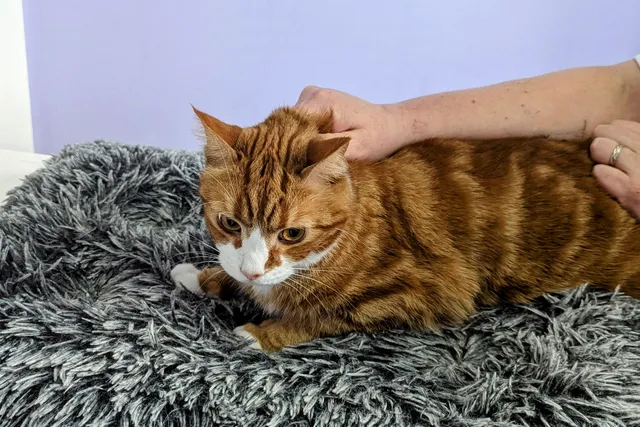
If the cat sticks around, engage with them. Don’t immediately rush to lift them up. Instead, let the feline check you out; your kitty may sniff you or rub their head on you. Pet the cat if they allow it, and work on soothing them if they seem agitated in any way.
3. Verify That the Cat Wants to Be Picked Up
If the cat is not in a good mood, it is not the time to pick them up. Likewise, if the cat appears wary of you, they are probably not ready to be picked up. If either scenario is the case, it's advised to leave your cat alone for now.
The only exception to this is if it is necessary that you pick up the cat, such as in an emergency. Still, brace yourself for swatting and hissing, and try to release the cat as soon as possible.

4. Place Your Hands Properly
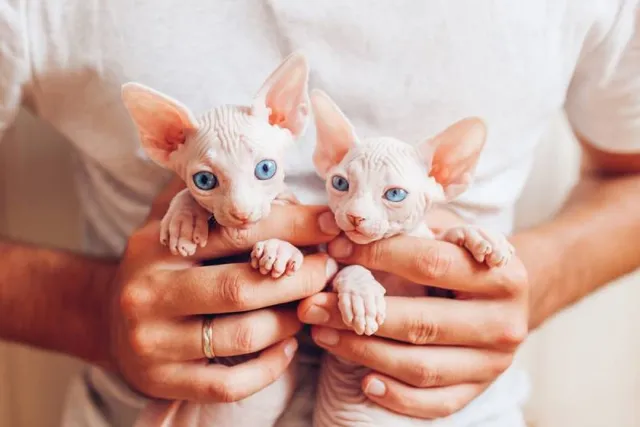
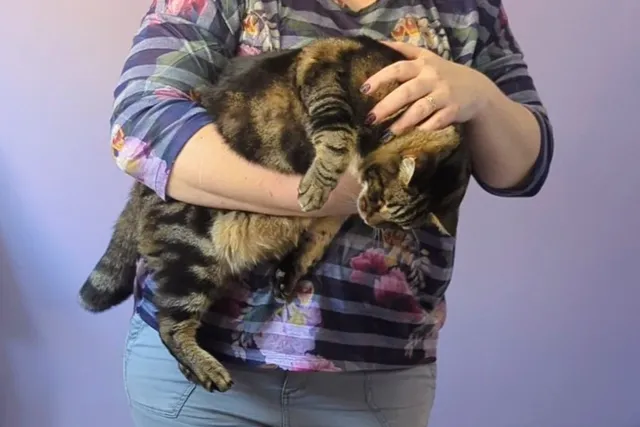
Once you have verified that the cat is okay with being picked up, place one hand underneath your cat's body and just behind his or her front legs. Move quickly onto the next step. Your other hand should be placed beneath the cat’s hindquarters so you can support the legs and bottom.
5. Gently Pick Up the Cat
Don’t yank the cat into the air. Instead, gently lift your cat into your arms and toward your chest. Lift your cat head-high, not upside down.
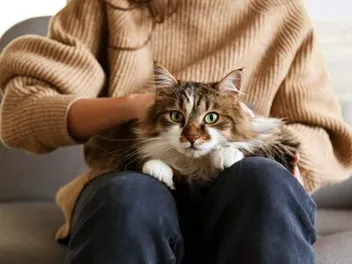
Place the cat’s entire body against your own; this will help them to feel more secure. Keep the cat’s posture straight since it is more comfortable. However, different cats may have other preferences. If you know the cat especially well and know that your cat prefers to be cradled like a baby, do that instead. Otherwise, stick to providing the most security and comfort that you can.

6. Pay Attention to the Cat’s Body Language
While holding the cat, it is essential to pay attention to their body language. If they appear calm and content, you can continue to hold them. But if the cat looks restless, anxious, or squirmy, it is time to let them down.
Holding your cat longer than they want to be held may cause the cat to associate negative emotions with being held. It may also damage the trust you have built, so release the cat when they're ready to be let down.
7. Gently Put Down the Cat
Although cats are agile and excellent at landing on their feet, they must be put down gently. Bend down, place the cat on all four legs, and release your cat only when their paws are on the ground. Of course, there is a decent chance that the cat will leap from your arms before you can fully put them down, and that’s fine.
A Note About Shoulder Cats
Conclusion
Picking up a cat requires patience and trust. If your furry friend isn’t ready for you to pick them up, respect their boundaries and keep building your relationship. Keep in mind that not all cats enjoy being picked up, so if your cat doesn’t want you to pick them up, that’s not necessarily a sign that they don’t love or trust you. By respecting your cat’s comfort level, you can foster a deep bond that makes your cat feel safe and at peace.
See Also:
Featured Image Credit: Artem Beliaikin, Unsplash
Expert cat care, straight to your inbox
News, insights, and useful advice, delivered to you.

No spam — unsubscribe anytime.
By signing up, you agree to our Terms & Conditions and Privacy & Cookies Policy.
How useful was this post?
Click a star to rate. You can leave written feedback afterwards. (We read all feedback.)
Cats are Jordyn’s passion. Whenever she has the opportunity she loves to learn about animals and share her knowledge with everyone. She is devoted to her sassy tabby cat named Jack and works hard to buy him his favorite treats and toys. Discovering new ways to better care for her cat is always on her to-do list, and she is eager to help pet parents everywhere. In Jordyn's spare time, she loves to write, read, and take long walks. She has a creative spirit, which often helps her to come up with funny cat names.