Get

In Your Inbox

Catster is reader-supported. When you buy via links on our site, we may earn an affiliate commission at no cost to you. Learn more.

How to Moisturize Cat Paws: 6 Vet Approved Tips & Tricks

Share

cat reaching its paw out

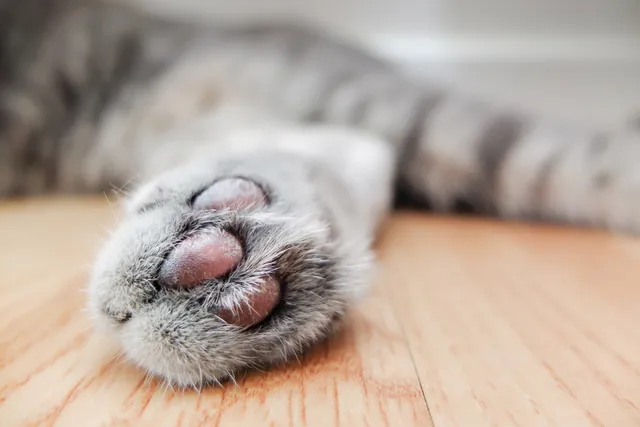
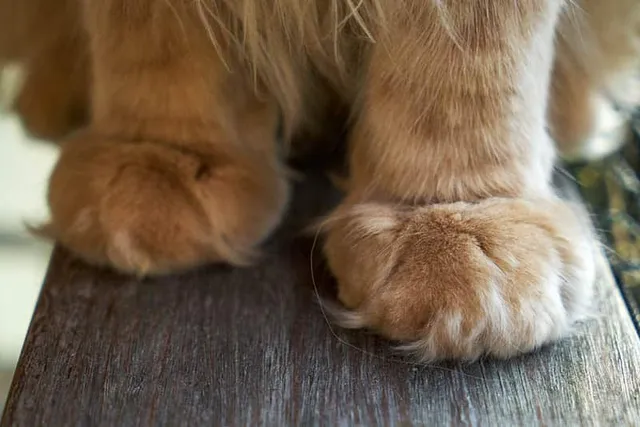
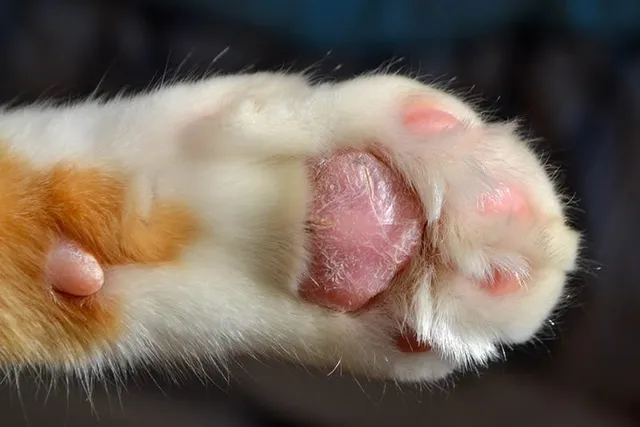
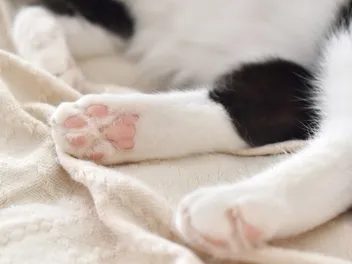
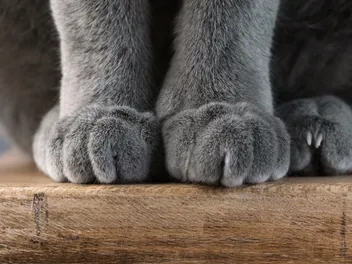
Your cat’s paws are an important tool for navigating the world. Each paw pad has a cluster of nerve receptors that relay information about their surroundings, which can be compromised if they become dry and cracked. The discomfort may also prevent your cat from walking, running, and jumping.

Fortunately, there are some steps you can take at home to keep your cat’s paws healthy, moisturized, and feeling good. After cleaning your cat’s paws, try one of these cat-safe moisturizing methods.

divider 3 paws

The 6 Tips for Moisturizing Cat Paws

1. Petroleum Jelly

high angle view of man hand use white petroleum jelly
Image Credit: Towfiqu ahamed barbhuiya, Shutterstock

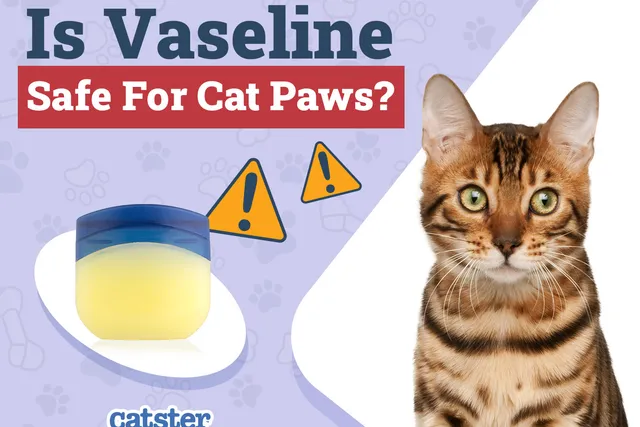
Commonly known by the brand Vaseline, petroleum jelly is a mixture of mineral oils and waxes that can be used for minor cuts, scrapes, and scratches, as well as to keep skin moist. It’s safe for use on cat paw pads, which you can do two or three times a week to moisturize.

It’s important to apply a light layer. Your cat will still lick their paws, and excessive petroleum jelly can cause stomach upset. Avoid adding anything to the petroleum jelly, such as essential oils, which can be toxic.


2. Olive Oil

olive oil
Image by Steve Buissinne from Pixabay

Olive oil is a home moisturizer that can be safe and effective for your cat’s paws. It’s rich in oleic acid, linolenic acid, linoleic acid, omega fatty acids, and vitamins A, D, E, and K for moisturizing your cat’s paws. Used regularly, olive oil can heal cracked or dry paws, especially in extreme weather conditions, like a hot summer or extremely cold winter with de-icing on surfaces.

Massage warm (not hot!) olive oil into the paw pads as needed to restore moisture. If your cat was outside or walking on dirty surfaces, such as the litter box or a garage floor, clean their paws before applying the oil.


3. Coconut Oil

coconut and coconut oil
Image Credit: Thasneem, Shutterstock

Like olive oil, coconut oil is a good moisturizer for cracked paws and has a boost of natural antibacterial properties. Cracked and dry paws can get infected, but coconut oil can create a barrier and reduce the risk of infection.

Better yet, coconut oil is completely safe when ingested by cats. It absorbs into the skin quickly, but you should avoid adding too much. If your cat licks excessively, the coconut oil can lead to stomach upset, diarrhea, or vomiting.


4. Fish Oil

Fish Oil
Image Credit: dangdumrong, shutterstock

Fish oil is another option for moisturizing your cat’s paws after cleaning. And if your cat licks it off, it has diet benefits with the omega fatty acid content. Cats can’t produce omega-3 fatty acids on their own, so they must get it through their diet.

Like the other remedies, use as needed to keep your cat’s paws hydrated. Rub a thin layer into your cat’s paws a few times a week after cleaning their pads.


5. Zinc

Zinc is not a topical remedy, but when added to your cat’s diet, it can prevent dryness and cracking. According to the Journal of Nutrition, cats with a dietary zinc deficiency have poorer coats, slow hair growth, and scaly skin.

If you want to add zinc to your cat’s diet, speak with your vet about the appropriate dosage and to ensure it’s safe for your cat. It may take a few weeks before you see improvement, so continue with topical remedies in the meantime.


6. Stay Indoors

Bengal cat pawing at the window
Image Credit: Vikki, Pexels

Though cats can develop dry, cracked paw pads from litter boxes and basement or garage floors, they are at an increased risk for paw issues if they are allowed outside. Cats may encounter toxic or irritating substances outside, such as deicers or pesticides, that can harm the paw pads. The best solution is to keep your cat indoors only.

divider 3 paws

Why Is It Important to Care for Cat Paws?

Your cat’s paws are like our feet but with some extra utility. We use our feet to walk, run, and jump, but cats do all that and more. They use their paws to understand their surroundings, often walking across different surfaces. Over time, contact with a dirty litter box, rocky ground, wet or muddy lawns, hot or cold surfaces, or sharp objects like thorns can harm their paws.

Your cat does a good job of keeping itself clean with grooming and licking, but that presents a risk with their paw pads. Anything they have come in contact with through their pads, such as road salt or deicers, pesticides, or other toxic substances, can now be ingested.

Regular paw care not only keeps your cat’s paws healthy and comfortable, but it can minimize your cat ingesting anything harmful during routine self-grooming. You also have an opportunity to inspect your cat’s paws for injuries, sores, cuts, or abrasions before they become serious.

divider 3 paws

Conclusion

Cats are pretty good at caring for themselves, but sometimes they need some help. If your cat is having issues with dry or cracked paw pads, you can moisturize them with any of the remedies on this list. Keep your cat indoors and ensure you are feeding a healthy diet to prevent issues from developing.


Featured Image Credit: JoyNik, Shutterstock

Want content like this delivered to you?

Sign Up For Our Newsletter

News, insights, expert advice, and everything cat

* By submitting, you agree to our Terms & Conditions and Privacy & Cookies Policy.


How useful was this post?

Click on a star to rate (you can leave written feedback after clicking submit)

Help us improve Catster for pet parents!

Your feedback really matters.

What did you like about this post? Also how can we improve it?

Join the conversation

2 Responses

  1. Would Silica type cat litter be a cause of dry and cracked paw pads. We’ve used this litter for over a year. He is strictly indoors and about to be 2 years old.

    1. While silica litter is known to be very absorbent, it is not commonly cited as a direct cause of cracked pads. However, persistent dry and cracked paw pads are not normal and should not be ignored. The cause could be anything from a nutritional deficiency to a systemic skin disorder or an underlying condition like an autoimmune disease. If you wish to discuss this with one of our vets, you can find them at www.pangovet.com

Leave a Reply

You’re very welcome to leave a comment or question. Please know that all comments must meet our community guidelines, and your email address will NOT be published. Let’s have a positive and constructive conversation.


Catster's Digital Magazine is Back!

Vet-approved health & behavior advice

Real cat stories & community features

Weird Cat Behaviors That Actually Make Perfect Sense

We have been sharing our lives with cats for thousands of years, yet we still find ourselves genuinely stumped by what they get...

The Dream of Talking to Cats Just Got Closer to Becoming a Reality

If you’ve ever wished your cat could simply tell you what they wanted, you’re not alone. From the meow that wakes you before...

Kizzy: The Feline Princess With a Purpose

We were first introduced to Miss Kizzy after she won a licky-treat challenge hosted by Professor Fluffovich, our resident feline research specialist. While...

Chatting With Sally About Mission Meow & Helping Cat Rescue Organizations Collaborate | Chatty Cattys, Episode 24

In this episode of Catster’s podcast, Chatty Cattys, Nicole and Dr. Karyn sit down with Sally Williams, the founder of Mission Meow, for...

More related

White Munchkin Cat: Info, Pictures, Facts & History

Owning a Munchkin cat is like owning a ferret and a cat simultaneously. They scurry around the house like little train carts, waiting...

My Cat Is Licking Their Belly Raw, What’s Wrong? Vet-Reviewed Possible Causes

Cats normally spend a great deal of time each day grooming themselves, and it’s a perfectly normal behavior. However, sometimes the grooming can...

How Do Cats Communicate With Each Other? Vet-Verified Facts & Info

Most mammals, including cats, are able to communicate, although non-verbally. Cats have developed forms of inter-cat communication over the millennia; some are vocal,...

Can Cats Die From Stress? Vet-Approved Facts & Advice

We’ve all been there. The second something seems off with your cat; you imagine the worst. Your heart races and your eyes swell...

Keep reading

Can Cats Eat Corn? Vet-Approved Nutritional Facts & FAQ

Corn is a common side dish in many culinary traditions. It’s sweet, delicious, and healthy, making it a favorite among people worldwide. You might have noticed that corn is also a common ingredient in many cat foods. Still, you know...

Can Cats Eat Corn

Can Cats Eat Stevia? Vet-Reviewed Facts & FAQ

These days, you can find many different types of zero-calorie sweeteners and sugar substitutes. Each type has different compositions, so some may be safe for your cat to eat while others can be toxic. Stevia is a plant-based sweetener that...

Can Cats Eat Stevia

Can You Use Kitty Litter for Oil Spills? Alternative Uses, Tips & Tricks

Kitty litter has several uses other than making it possible for cats to use the bathroom indoors, including providing emergency traction to help cars get moving on snowy days and cleaning up oil spills. Kitty litter is handy because it...

biodegradable litter

Will a Mother Cat Abandon Her Kittens if I Touch Them? Vet-Reviewed Facts

Many of us have some version of this childhood memory: we come across a kitten or kittens in our yard or a park that seem to be on their own. Every adult around us has different ideas on how to...

Adorable little tabby newborn kitten sleeping in woman hands

Kitten Teething: Vet Reviewed Signs, Timeline & FAQs

A kitten’s first few months are full of milestones. They go from tiny balls of fur with closed eyes to playful kittens who are weaned and ready for their new homes. One step all kittens go through is teething. Below,...

a kitten lying on the floor

How Far Will a Female Cat in Heat Travel? Vet-Reviewed Info

If you have a female cat in heat, it’s common to worry that she might wander too far and lose her way home. Fortunately, female cats usually don’t travel that far in search of a mate. Keep reading while we...

Cat in heat lying down

Can Cats Eat Cereal? Vet-Verified Nutrition Facts & FAQ

If you can’t resist sharing the last of your cereal and milk with your cat, you might wonder if this is a good idea. Is cereal bad for cats, or can you let them eat as much as they like?...

Can Cats Eat Cereal

What Does Cat Spray Smell Like? Vet-Reviewed Facts & Behavioral Reasons

If you’ve ever seen your cat back up to a wall, the couch, or anywhere that is a vertical surface and spray urine, it’s called urine marking or spraying. Sometimes, they spray on a horizontal surface, but most of the...

tabby cat spraying outdoors to mark territory

Love Cats? So Do We! Join the Catster Community

Stay informed with expert pet care insights delivered straight to your inbox! Discover professional guidance on animal behavior, feeding tips, trusted product picks, and much more.


Sign up for the Catster Email Newsletter

Stay informed with expert pet care insights delivered straight to your inbox! Discover professional guidance on animal behavior, feeding tips, trusted product picks, and much more.