How to Groom a Cat That Hates It: 8 Vet-Approved Tips
In this article
While some cats view brushing as an opportunity to lounge and luxuriate while being pampered, others scarper at the very sight of a brush. Unfortunately, some even behave aggressively in an attempt to get you to back off, which makes things even harder.
If you're in the "my cat hates grooming" contingent, read on for some helpful tips on brushing and trimming the nails of an uncooperative moggy. We'll also share the most common reasons why some cats despise grooming.

Brushing an Uncooperative Cat: Step-by-Step
You can get away with only occasionally brushing a short-haired cat, but medium and long-haired cats are prone to matting and tangling if they're not brushed often enough. The worse this gets, the more uncomfortable the cat becomes and the harder it is to deal with, which is why it's so essential to do it regularly.
If your cat doesn't like brushing, here are some steps to follow to help them get used to it. With time, your cat may even begin to love the feeling of being brushed as many cats do.

1. Pick a Gentle Brush
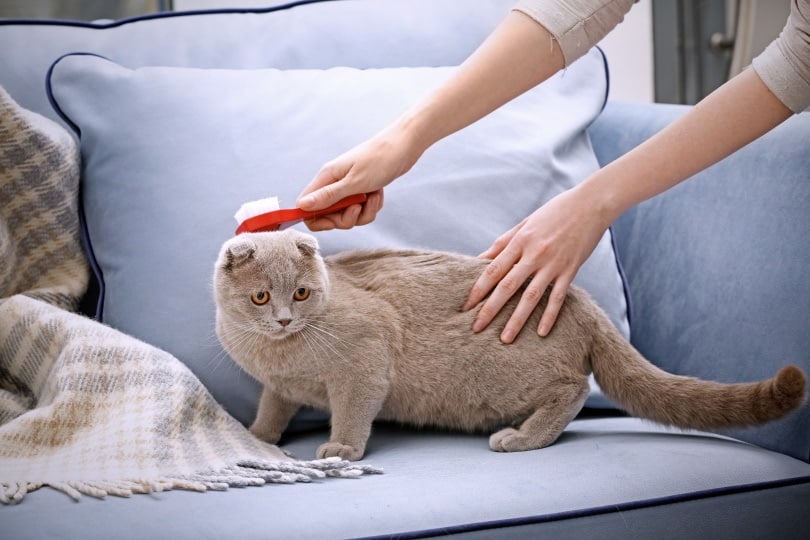
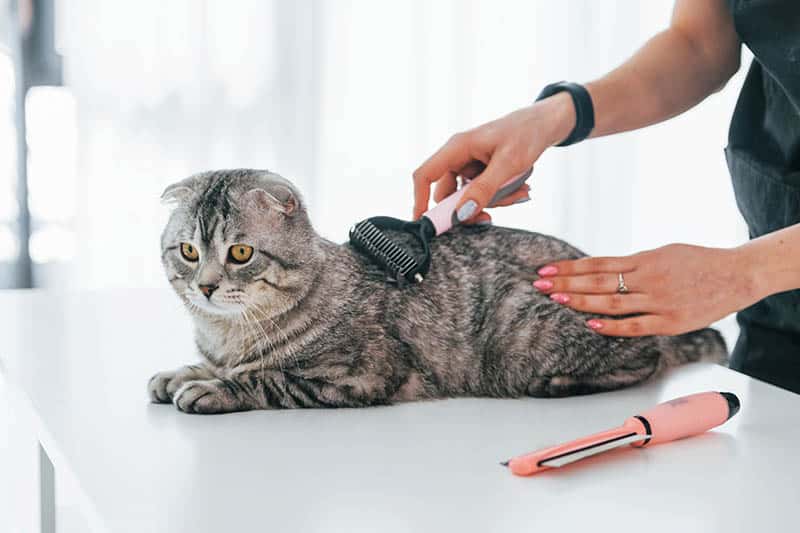
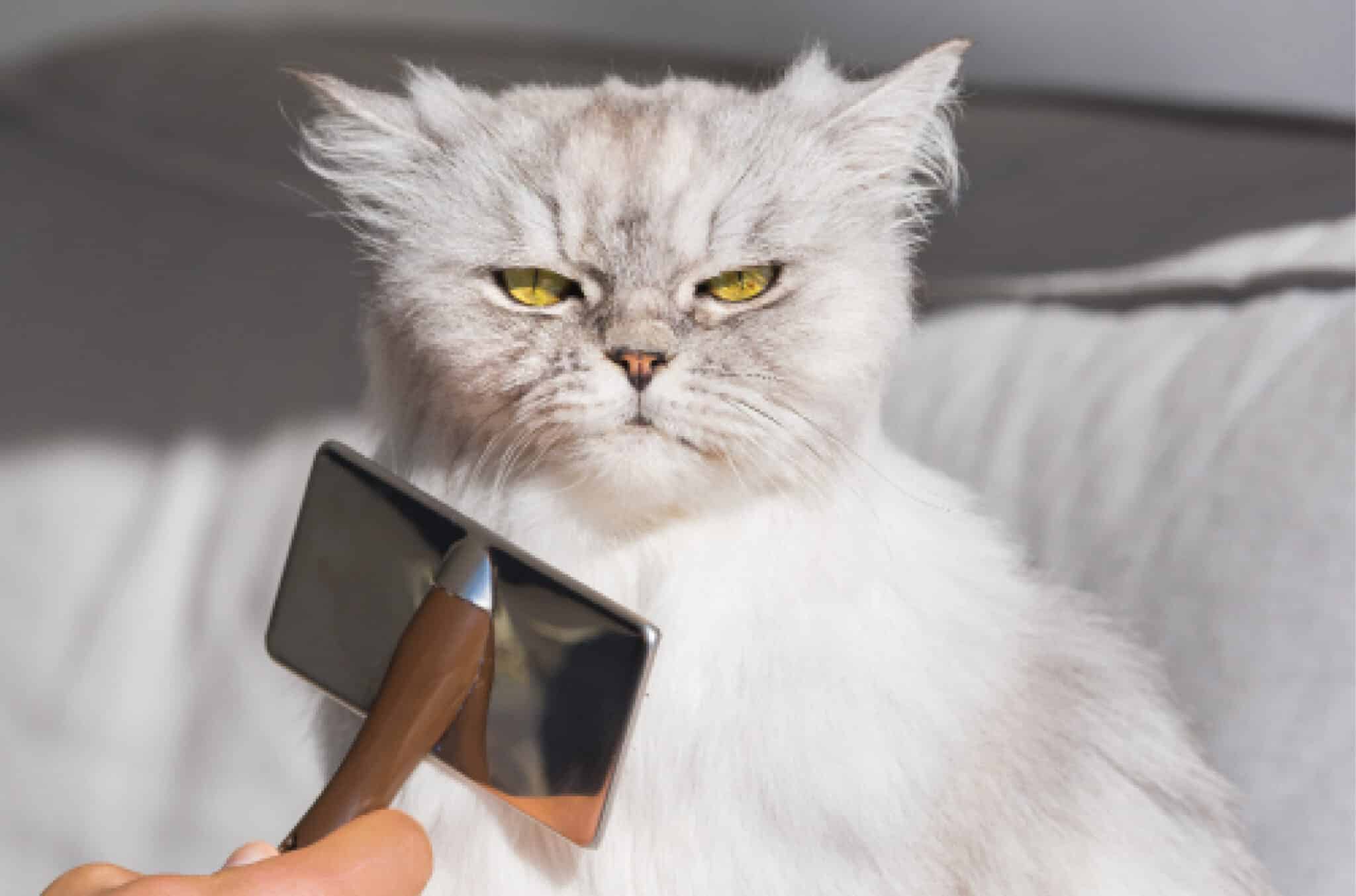
A rough brush that's uncomfortable on your kitty's skin and pulls the coat is enough to put them off being brushed. Instead, choose a brush with soft bristles, a pin brush, or a rubber glove brush (also called a "grooming mitt"), as these are much gentler. Rubber glove brushes, in particular, are worth considering for cats who hate grooming but love being petted.
The way you approach brushing also makes a huge difference. Keeping a calm demeanor and brushing gently is more likely to make it a pleasant or at least tolerable experience for your cat. On the flip side, getting frustrated and yelling instills fear in your cat.
2. Introduce the Brush
Avoid swooping down on your cat with the brush without warning. Cats are naturally suspicious of new objects, so it's essential to let your kitty get acquainted with them on their own terms. Leave the brush out in a quiet area and let your cat sniff and rub against it before you progress to using it. Allowing your cat to investigate helps them feel more secure and in control.
It may take some time, but the more your cat sees the brush, the more likely they are to realize that it's harmless. Every time your cat does sniff or rub against the brush, offer them a treat to create a positive association.

3. Brush Small Areas at First
When your cat seems comfortable around the brush, you can start by gently brushing a small area on the back. Do a few strokes, then stop. Wait for a few seconds to gauge your cat's reaction, then do a few more strokes. Offer your cat a treat if they allow you to do it.
It's best to start with a small area at first because brushing all over could be too overwhelming at this stage. Avoid holding onto your cat while you brush, as this may stress them out more. Let them walk away if they want to and resume later.
4. Move on to More Extensive Brushing
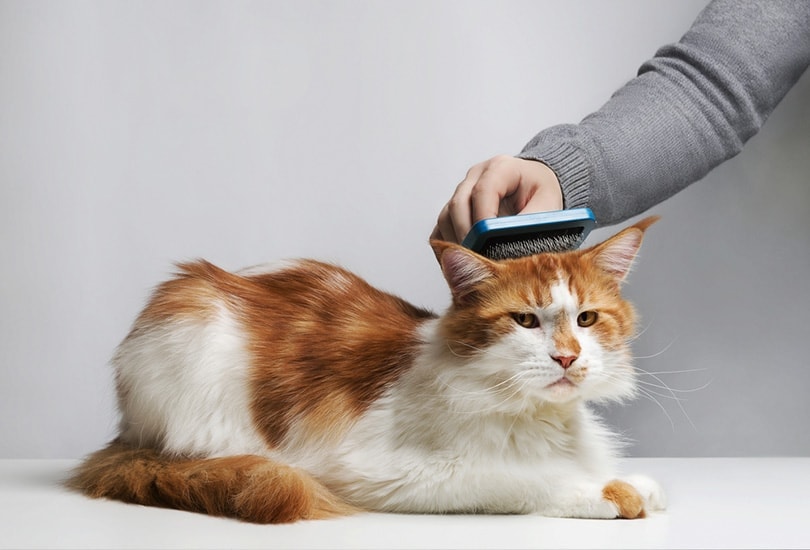
As soon as your cat accepts brushing in smaller areas, you can gradually move on to brushing them in more areas, like the legs, head, and belly. It may take time for your cat to get used to being brushed in these areas, so go slowly. With any luck, your cat will soon start to love the brushing process!

Extra Brushing Tips
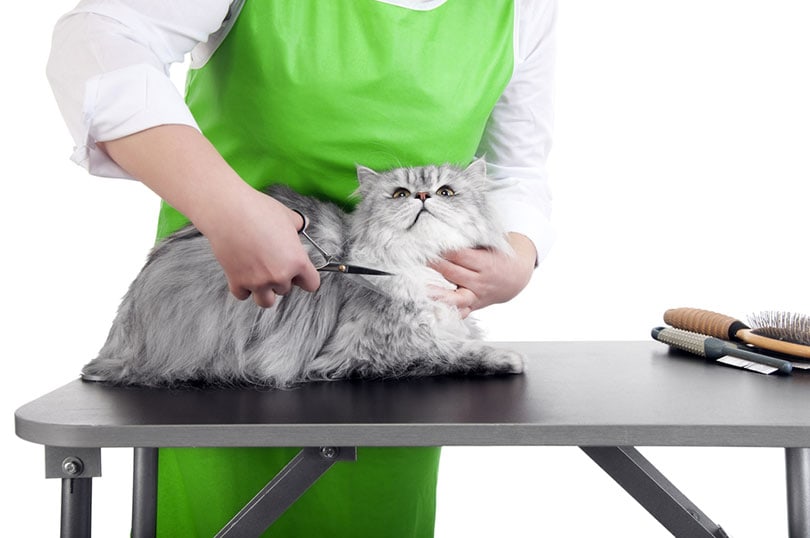
- If your cat has severe matting or tangles, it's best to let a professional groomer or vet take over.
- Speak softly and encouragingly to your cat while you brush them.
- Try again later or another day if you don't manage to brush your cat the first time.

Trimming an Uncooperative Cat's Nails: Step-by-Step Guide
Nail trimming is another important part of the grooming regimen as the nails can become ingrown if left too long. When a cat is reluctant to have their nails trimmed, it can be incredibly stressful for both of you. Here's how to trim the nails of an uncooperative kitty.
What You'll Need:
1. Pick the Right Clippers
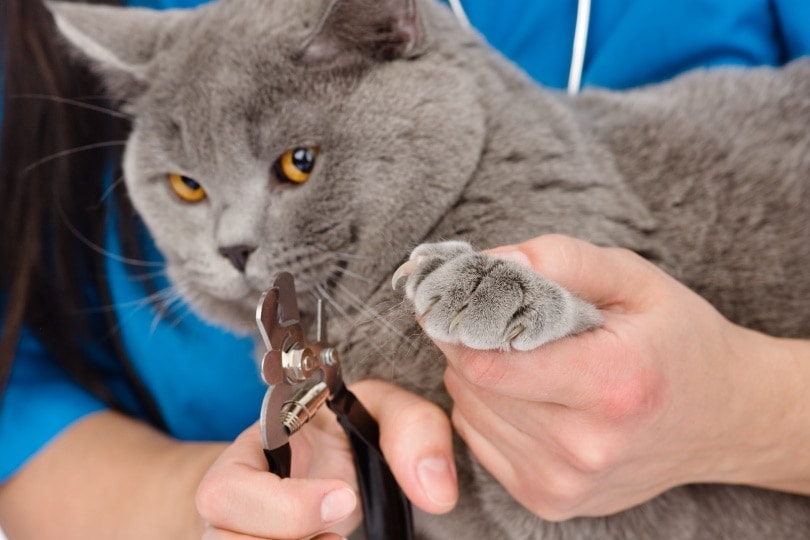
Before you proceed, make sure you're using a pair of clippers that you feel comfortable with. There are various kinds, including plier-style, guillotine-style, and scissor-style. Trimming scissors are a good choice for beginners because they're very lightweight and using them feels more natural to us than the other types of clippers.
If you haven't already, as with the brush, give your cat time to get used to the presence and smell of the clippers before you take them near their nails. Treat your cat if they sniff or rub against the clippers.

- Complete Set - These cat nail clippers include both a large and small pair, meaning it works well as a kitten claw trimmer when they're a small kitty, and then before you know it, as a cat nail cutter
- Razor Sharp Stainless Steel - The most comfortable cat nail clippers for indoor cats provide a fast and clean cut. And for rough residuals remaining, the free cat nail file included can smooth it all.
- Safety First - With a safety nail guard and locking spring, you can make sure every grooming cut is stress free for you, and pain free for your purry pal
Trimming your cat's nails at home can be hard, but having a professional do it can be expensive. With the help of great tools like Hepper's Cat Nail Clipper Set, you can easily and quickly trim your cat's nails at home. This set includes two pairs of stainless steel clippers with safety guards and locking mechanisms, plus a built-in nail file and a convenient pouch.
At Catster, we’ve admired Hepper for many years and decided to take a controlling ownership interest so that we could benefit from the outstanding designs of this cool cat company!
2. Exude Calm
Opt for a quiet, calm area to trim your cat's nails, and don't let your cat see any stress on your part as this will rub off on them. You can even play some soft music and/or speak to your cat in a gentle voice.
3. Try a First Trim
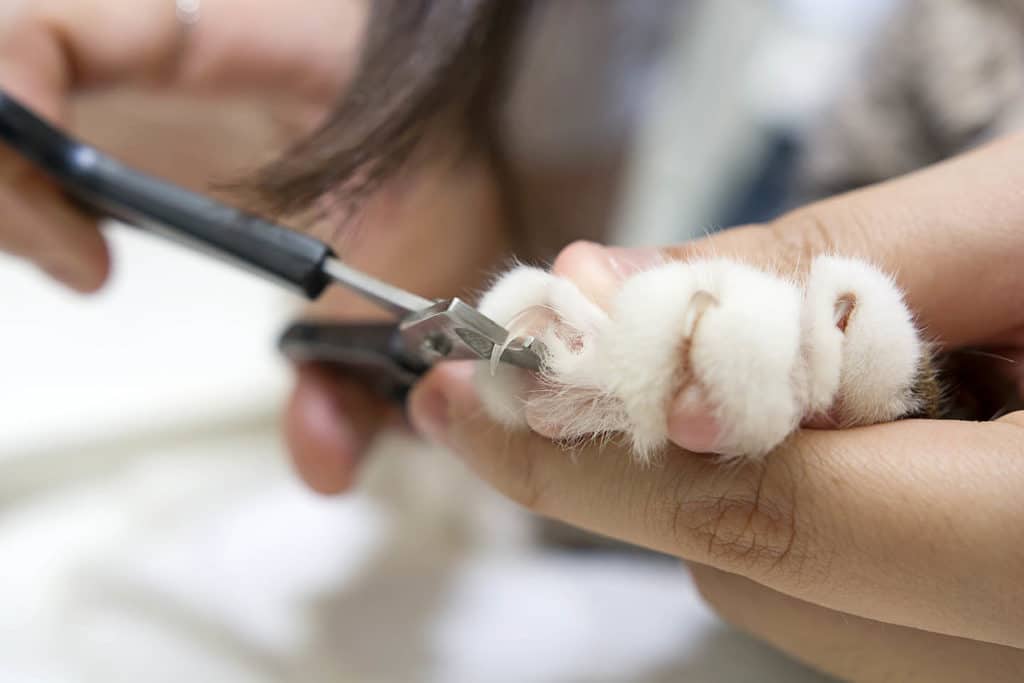
If your cat is calm and sitting on your lap, you can try gently squeezing the paw to extend the nail. Trim a little off the top, avoiding the quick (the pink part inside the nail). Cutting into the quick causes bleeding and pain.
If your cat accepts nail trimming, reward them. If your cat runs away after the first trim, let them go. It's fine to do this in sessions over several days, even if that means only trimming one nail per day. If you can't get your cat to stay still but their nails are getting too long, you'll need to move on to the next step.
4. Swaddle the Cat
So, if you've tried everything but your cat just won't accept nail trimming, you may need to try swaddling them in a blanket or towel, like a burrito, with just one paw out of the blanket.
To do this, put a towel or blanket over your cat's body (leave the head out) and tuck the towel underneath them, ideally with the paws close against the body. Alternatively, you can place a towel on a flat surface, put the cat on the towel, encourage them to lie down, and wrap them from underneath.
When the cat is wrapped, take one paw out of the blanket and start clipping. It may help to have an assistant on hand to hold the cat and soothe them while you trim. If they're calm enough to take it, give your cat a treat when you've done some trimming to forge a positive association.

Extra Nail Trimming Tips
- If possible, start regularly touching your cat's paws from when they're young to get them used to the feeling.
- Have a styptic powder on hand to stop bleeding in case you accidentally cut the quick.
- It may be necessary to hold your cat firmly, but always be gentle. Don't exert too much pressure or squeeze them.
- As an alternative to swaddling the cat, you can try having another person hold the cat firmly but gently against their shoulder with the paws tucked in and one paw released for trimming. Just be careful, as the holder could end up scratched if they can't keep their grip.
- If your cat still won’t tolerate nail trimming, consider either trips to the vet for routine trims, or asking your vet to prescribe a sedative to use at home.

Why Do Some Cats Hate Grooming?
Sometimes, it's as simple as your cat being suspicious of the grooming object and needing some time to get used to it. For some cats, personality is a factor; not every cat enjoys being touched, and some only enjoy petting and holding on their own terms. For cats with independent or skittish personalities, grooming is more likely to be perceived as a serious affront.
Unfortunately, some cats hate grooming because they have experienced past trauma like being groomed too roughly, abusive behavior by previous caretakers, having their entire coats shaved off, or being left to get seriously matted, resulting in a long and uncomfortable grooming session. Arthritis, too, can cause cats to be painful during the grooming process.

Final Thoughts
While many cats don't take kindly to brushing or nail clipping, a gentle, patient approach is the best way to get them to a point where they don't mind it so much. If in doubt, it's best to consult your vet or a professional groomer to find out how best to groom your reluctant kitty.
Sources
https://www.relievet.com/blogs/tips/the-best-way-to-restrain-a-cat-to-clip-its-nails
https://striphair.com/blogs/bettys-best-blog/5-tips-for-cats-that-hate-being-groomed
https://www.petmd.com/cat/general-health/how-to-trim-cat-nails
https://www.relievet.com/blogs/tips/the-best-way-to-restrain-a-cat-to-clip-its-nails
Featured Image Credit: Nynke van Holten, Getty Images

Expert cat care, straight to your inbox
Vet-reviewed advice, behavior tips, and the best of Catster. Free, and you can unsubscribe anytime.
By signing up, you agree to our Terms & Conditions and Privacy & Cookies Policy.
Kit Copson is a freelance writer and lifelong animal lover with a strong interest in animal welfare. She has parented various furry beings over the years and is currently a proud cat mom of two—one very chilled (unless hungry) Siamese and a skittish but adorable Domestic Shorthair—and dog mom of one—an adopted Bichon Poodle cross. When not writing about or spending time with animals, Kit can be found doodling in her sketchpad, reading, or more often than not, drinking tea.
Join the conversation
Ask a question, share your story, or send private feedback.