Do Cats Like Being Brushed? Our Vet Explains

In this article
Pet cats are fascinating cuddly companions that bring joy to just about everyone who decides to adopt one. They’re well known for their antics and idiosyncrasies, and any avid cat lover will probably tell you that no two cats are alike. Indeed, cats do have individual personalities and their response to some activities can be impacted by both their personalities and their past experiences. This even applies to seemingly simple activities, such as being brushed.
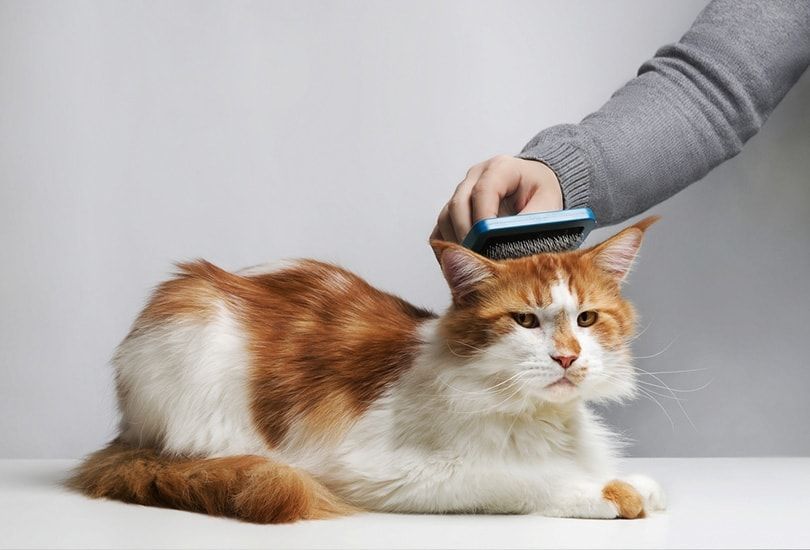
There is no universal answer to whether all cats like being brushed. However, it’s generally fair to say that almost all pet cats often come to appreciate being brushed when properly exposed to the activity in a positive way. It’s important to understand your cat and introduce brushing slowly (and ideally early) into their routine so that your cat can have the most pleasant experience possible.
Even if your cat does not like brushing at first, there are things you can do to introduce your cat to the experience. After all, brushing your cat is an integral part of keeping them clean, healthy, and groomed. The odds of your pet cat learning to love being brushed with the right tools and skills are generally favorable.
Keep reading to learn more about whether cats like being brushed and what you can do to brush your cat.

Do Cats Like Being Brushed?
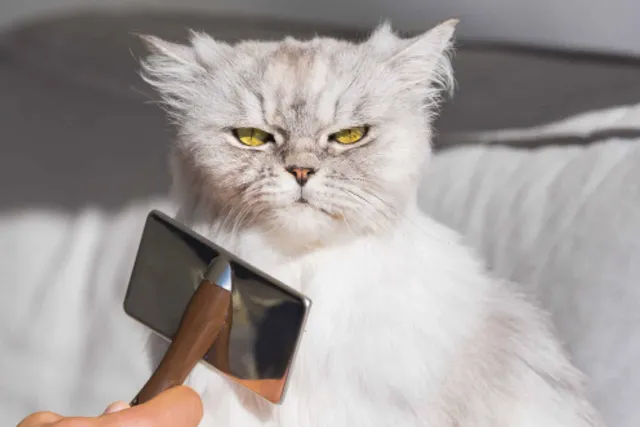
Whether cats like being brushed depends on the cat in question. You will find some cats that go crazy over their brush and view it as an extensive massaging session. Other cats will hiss and scratch to get away from the brush. This is especially true for cats that were not adequately socialized as kittens and are generally skittish around people. However, it can also hint at medical issues that warrant a closer look from a veterinarian.
Often, cats who do not like being brushed either find the experience painful or have a bad experience with being brushed. For such cats, ruling out a medical issue (with your veterinarian’s input) should be your priority. Assuming they have no medical issues, you may have to be diligent in reintroducing your cat to a gentle brushing experience with the hopes of having them slowly become more accustomed to the feeling.

The 4 Common Reasons Why Cats Don’t Like Being Brushed
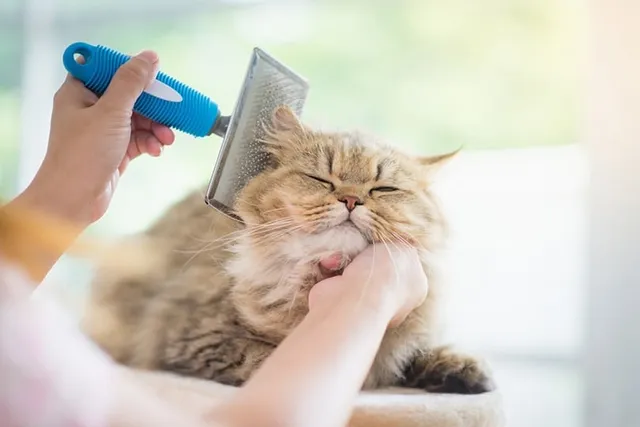
Even though cats are good at grooming themselves, most enjoy the brushing experience. It feels like they are being petted, only more intensely. As a result, most cats who do not like being brushed do not like it either due to a medical issue or a behavioral issue. Here are some reasons why cats do not like being brushed.
1. Medical Issues
Grooming is a natural activity for cats. Therefore, if a cat seems opposed to being brushed and groomed, it’s important to ensure your cat isn’t suffering from a medical issue.
Many medical issues can lead to skin sensitivities in cats, and all such issues require veterinary input, care, and treatment. At times, skin issues can be caused by ailments that affect the skin directly.
Ailments That May Cause Skin Irritation and Sensitivity
Please note that this list isn’t exhaustive.
At other times, systemic issues can have an impact on the way your cat feels when their skin is touched or manipulated.
Examples of Underlying Health Issues That May Cause Sensitivity to Grooming
2. Wrong Brush
Many first-time cat owners do not realize that not all brushes are suitable for all cats. Long-haired cats require a different brush or comb than short-haired cats. If you get a comb that is too stiff or hard, it will likely hurt the cat’s skin.
3. Coat Condition
A cat with a very unkempt appearance will likely have matted fur and possibly areas of their coat that are soiled or tangled. Matted hair is painful, and if it’s brushed over without notice, it will definitely hurt the cat. A cat that’s groomed improperly may have an aversion to being brushed if they associate the activity with pain.

4. Bad Experiences
Unfortunately, many cats are neglected and not treated properly. If you have a rescue kitty, your cat may be against brushes due to an experience. This experience can be directly related to a brush, or it could be more related to an abusive owner. For example, a previous owner may have struck them with a brush, or abused them in other ways that make them wary of being handled and touched all over by present caretakers. Cats that do not like being brushed due to bad experiences take more work when introducing them to brushing.

How To Introduce Brushing To Your Cat’s Routine: 4 Tips
Please Note
If your cat hates being brushed or you welcome a new cat into your home, it’s vital to introduce brushing into your cat’s routine slowly and steadily. If you don’t do so correctly, your cat may become afraid of the comb and fight you every time.
1. Select The Right Brush
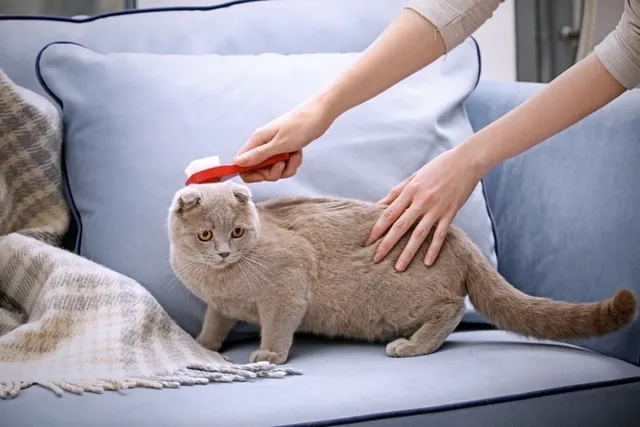
Before you do anything, get the right brush based on your cat’s coat type and grooming needs. Long-haired cats often need a combination of different kinds of brushes and combs. For a short-haired cat, a brush with hard bristles is often sufficient, assuming their coat is healthy and doesn’t have issues such as matting. It’s best to always have several different options in your “arsenal” of grooming tools.
It may also be worth it to try different brushes or grooming gloves on your pet to see if they have a preference.

2. Allow the Cat To See and Smell the Brush
It’s also a good idea to leave the brush out for a few days to allow your cat the freedom to investigate it whenever they please. This may help desensitize some cats to the brush and make them less fearful or wary of its presence when it’s used to brush them.
3. Pet Your Cat First
After your cat has become accustomed to the look and smell of the brush, get in a comfy spot and begin petting your cat. This will get them in a good mood and get them used to the feeling of being touched. Gradually incorporate brushing into their routine. Most cats respond favorably if you introduce the brush this way.

4. For Kittens: Start Early
Kittens that are between the ages of 3 and around 10 weeks are considered to be very receptive to training and socialization. The experiences they have at this age can often leave a lasting impression on them. If you have a kitten, it’s best to introduce them to being gently brushed at an early age, so that they are used to being brushed as adults.

The 4 Tips for Brushing Your Cat
Now that your cat has been introduced to the brushing sensation, you can maintain a brushing routine to teach them they have nothing to worry about. If you brush your cat this way, they often find the experience pleasurable.
1. Train Yourself!
A grooming brush is only as effective as how well you use it, and any brush - no matter how ideal for your cat’s coat, will not be effective if you don’t know how to use it properly. It’s important to keep in mind that a big part of getting your cat to accept and enjoy brushing is to ensure that you’re brushing them properly.
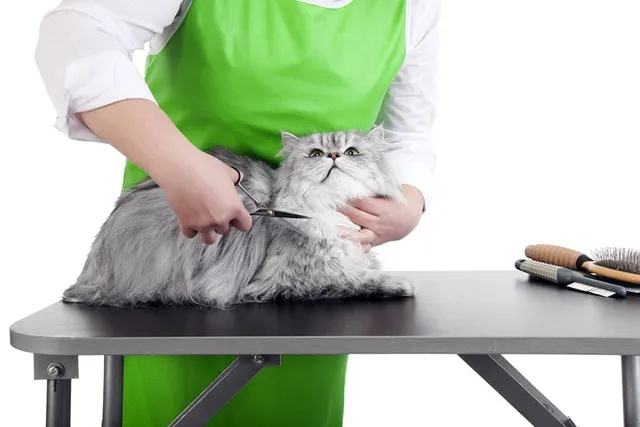
Asking a professional grooming service for a demonstration or learning through credible sources and tutorials should be a priority for any pet owner who wishes to incorporate brushing into their cat’s routine.
2. Create a Routine

Create a routine that your cat can depend on. How frequently you should brush your cat will depend on their coat type. Some long-haired cats may need to be brushed daily, whereas short-haired cats may only need to be brushed once a week.
3. Go Slowly

When brushing your cat, make sure to go slow, especially at first. Going too fast can scare the cat and injure them, even if you select a gentle brush. Going slow ensures that you’re able to pick on signs that your cat is uncomfortable or not enjoying the experience.
4. Reward

After every grooming session, reward your cat. Eventually, they may associate the grooming session with treats. However, keep in mind that treats are often very high in calories, and overindulging in treats may definitely lead to an overweight pet. If you do use treats to incentivize your pet, it’s important to adjust the rest of their diet accordingly as well. It’s best to seek nutritional guidance from the veterinarian to ensure that you’re not overfeeding your cat.

Conclusion
Some cats like being brushed, but others do not. Most often, the cats that do not like the experience are against it because of either a medical or a behavioral issue. If your cat does not like being brushed, a good starting point is to seek guidance from your veterinarian to rule out any medical issues that may be causing their aversion.
The good news is that most cats who dislike brushing due to a behavioral issue can be retrained to enjoy the experience. With proper reintroduction, patience, the correct techniques, and routine habits, your cat will likely learn to love the experience in time.
Featured Image: Sergey Fatin, Shutterstock
Expert cat care, straight to your inbox
News, insights, and useful advice, delivered to you.

No spam — unsubscribe anytime.
By signing up, you agree to our Terms & Conditions and Privacy & Cookies Policy.
How useful was this post?
Click a star to rate. You can leave written feedback afterwards. (We read all feedback.)
Dr. Luqman Javed DVM (Veterinarian)
Dr. Luqman (also known as Dr. Lucky) grew up with an immense passion for animals of all kinds. By becoming a veterinarian, he turned his childhood dream into reality. Now, his goals are focused on providing help to cats all around the world by helping to cat owners understand their feline friends better to ensure the best quality of life for them. His passions are wildlife, exotic pets, pet owner education, and animal welfare. He graduated with his DVM from the Universiti Putra Malaysia in 2020. He has worked with a variety of animal species and has decades of personal experience with keeping many different types of exotic pets, such as turtles, hamsters, freshwater fish, chickens, songbirds, and parrots (and he has extensive skills in training parrots, too).