How Long After Flea Treatment Can I Pet My Cat? Vet-Approved Facts & FAQ

In this article
Fleas are a pain for many pet owners. Though fleas can strike all year round, you are most likely to see them during the warm summer months. To keep these pesky bugs at bay, you will likely need to apply a flea treatment to your cat.
And you might be wondering: How much time is safe enough to have my kitten love again? Well, the answer might be tricky. It will all depend on the type of treatment you selected, but the general "safe" time might be 24 hours.
Unfortunately, flea treatments can be a bit tricky and stress-inducing to apply. From selecting the right treatment method to knowing when you can pet your cat after application, you need to consider a lot of factors. In this article, we are going to specifically look at how long after a flea treatment you can pet your cat and more. Let's get started.

When Can I Pet My Cat After a Flea Treatment?
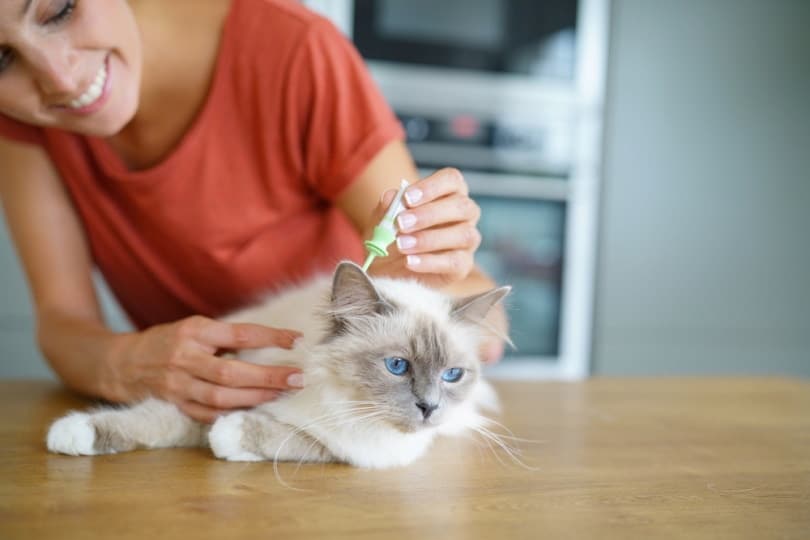
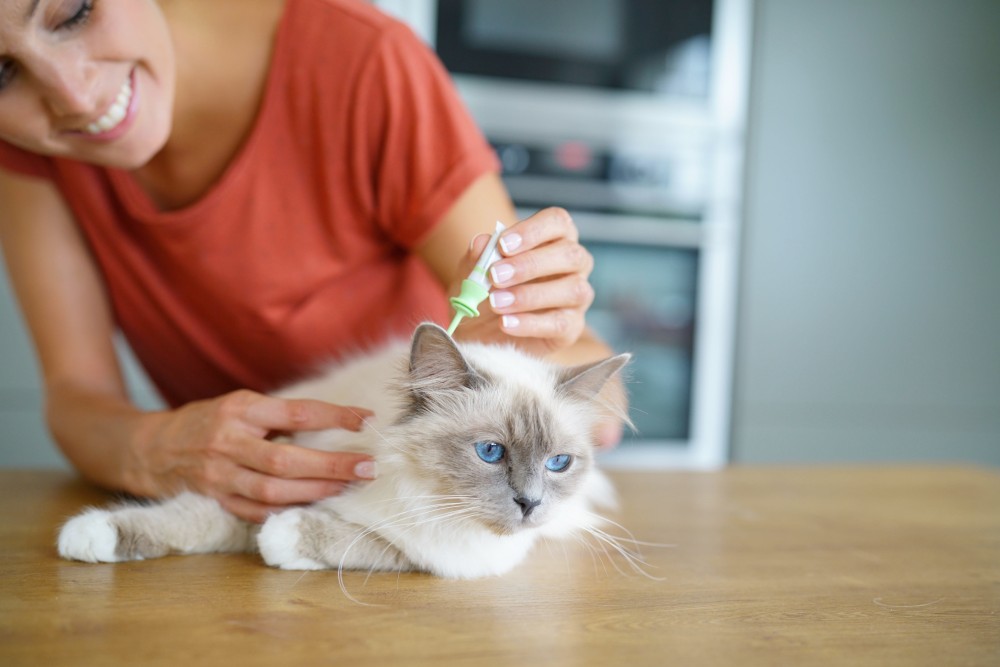
The length of time you wait to pet your cat depends on the flea treatment you selected. If you chose a flea spray or drops, let them dry completely before petting your cat. Although the exact time will differ from brand to brand, it is safest to wait 24 hours before petting your cat, even though most topical options dry within 45 minutes.
As for a flea collar, you need to be a bit more careful. You can technically pet your cat when they are wearing a flea collar, even immediately after putting it on, but you should wash your hands after since the collar releases treatment every time you touch the cat.
If you selected an oral medication, then you do not have to wait at all between petting your cat and the treatment. You also do not have to wash your hands after every time you pet your lovable cat. This makes oral methods ideal in terms of the waiting period.
For a bit more clarity on this issue of petting your cat, it is best to read the instructions for whichever flea treatment you select. That treatment should tell you exactly how long you must wait before petting or touching your cat after flea treatment.


About Flea Treatments
Beyond knowing when you can pet your cat, there are a lot of other things you need to know about flea treatments to apply them correctly. Here are some other important things to keep in mind when applying flea treatment to your cat.
How They Work
How flea treatments work largely depends on the treatment you select. Generally speaking, the product will release chemicals that attack the fleas' nervous system. This makes them unable to feed on your pet and eventually die.
Other flea treatments also have insect growth regulators. This allows the treatment to control eggs that survived the initial dose. In other words, it disrupts the natural life cycle of the flea and prevents further infestations.
Flea collars can both repel and treat flea infestations, while some only do one but not both. How these collars work is that they emit a gas that fleas do not like. This repels the fleas in the first place. These collars also allow certain medications to be absorbed into the cat's skin. Whenever the fleas ignore the gases, the medication within the cat's skin will kill the fleas after they bite.
Oral pills are ingested by your pet and work very quickly. This treatment is so quick that it can work in as little as 30 minutes. They can either treat eggs or adult fleas but never both. You will need to choose which type of flea you want to eradicate to use oral pill treatments.
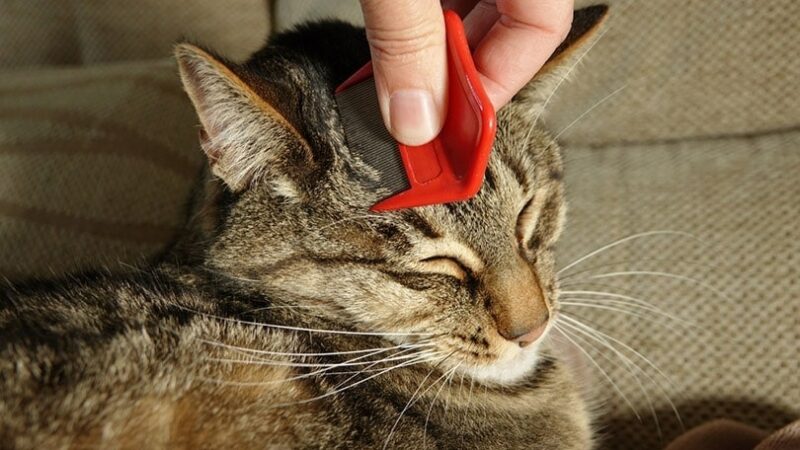
You can put powder or sprays on your cat to prevent fleas. These treatment options can target fleas of all life stages, making them more useful and versatile. Flea shampoo, on the other hand, kills fleas that have already infested your pet.

How Long Do You Need to Keep Cats Apart After Flea Treatment?
If you applied an oral treatment, you do not need to separate your cats at all because they do not run the risk of spreading the chemicals around your home or other cats. However, if you are using a topical treatment, you will need to keep the cats separated for 24 hours.
The reason for this is that the treatment can be spread to the other cat’s eyes, mouth, nose, ears, or scratches. Although flea medications are not particularly toxic to cats, they can agitate the more sensitive parts on your cat’s body.
The last thing you want from the protection is for the treatment to contact the other cats' eyes, nose, mouth, or ears. Keep them separated for 24 hours to ensure that the topical treatment dries completely.
What Happens if My Cat Licks Flea Treatment?
If your cat licks off wet flea treatment or scratches the affected area, you do not have to panic. This treatment has a bitter taste, which can cause the cat to salivate, foam in the mouth, throw up, or become nauseous. Some cats also run around the house or become agitated. These effects are due to the taste of the treatment, not the toxicity.
To get these unwanted side effects away faster, rinse out your cat's mouth, give them water, and then offer them a tasty treat to cover the taste.
The only time when a flea product would negatively affect the health of the cat would be if they ate a very large quantity of it. The amount you put on their coat for protection will not be toxic to their system or body.
The same goes for a pet that has ingested a flea collar. Most chemicals on the flea collars will only cause an upset stomach if ingested, however, if the collar contains Deltamethrin, the side effects can be more severe. The main medical concern of your pet ingesting a flea collar is a physical obstruction within the throat, stomach, or intestines.
If your cat ingests part of its flea collar, it is best to call your vet right away to find out what ingredients were used in that specific collar. Gather information on the exact size of the collar or portion your cat ingested, and take your cat to the veterinarian to get an X-ray done. The vet will determine the next steps depending on the specifics of the case. He might induce vomit (which you should never try at home), perform a gastroscopy, or, in extreme cases, even surgery to remove the foreign body.

Other Tips for Applying Flea Treatment to Your Cat
1. Always Read the Instructions
As we mentioned several times already, many answers to these questions are determined by the specific brand you are choosing. Always read the instructions before applying the flea treatment to your cat. All treatments will have slightly different instructions, drying times, and more.
The drying time will largely determine how quickly you can pet your cat after treatment. Read the instructions for your specific brand to ensure you get everything right.
2. Check and Double-Check
Once you read the instructions, read them again. You do not want to risk injuring yourself, your family members, or your cat because you carelessly misread the instructions. Check and double-check them to ensure you have everything right in your head.
3. Talk to Your Veterinarian
It's always great to talk to your veterinarian before selecting a flea treatment for your cat. They will be able to tell you the best options based on your specific cat and area. They will also give you really good tips for when you should pet your cat, how to avoid them spreading the treatment to furniture, and more.
Especially talk to your veterinarian if you are considering changing flea medications or thinking of adding more than one method to your cat. More than one flea treatment can be too much for most cats. Always talk to your veterinarian before you make any decisions such as that one.

What About Dog Flea Treatments?
Do you have both a dog and a cat? Knowing how to apply flea treatment to both animals is pretty simple. Both dog and cat flea treatments work the same way, but only use them for the pet they were prescribed for. You need to wait for any topical treatments to dry completely before petting your dog, wash your hands after petting a dog with a flea collar, and read the instructions thoroughly.
Additionally, separate any pets, dogs, and cats for 24 hours after applying any topical flea treatments. Furthermore, talk to your veterinarian if you have any issues regarding your dog's flea treatment.

Conclusion
To be safe, you should wait around 24 hours before petting your cat after applying a topical flea treatment, but that time frame may go down depending on the brand you select. If you opt for a flea collar method, you can pet your cat as often as you like, but you will need to wash your hands immediately after every pet. As for oral medications, you can pet your cat whenever you like.
In addition to the different flea prevention methods, the specific brand you select may slightly alter the time you must wait between petting your cat. Read the instructions thoroughly and talk to your veterinarian if you have any questions or concerns.
Related Reads:
Featured Image Credit: Fabrizio Misson, Shutterstock

Expert cat care, straight to your inbox
Vet-reviewed advice, behavior tips, and the best of Catster. Free, and you can unsubscribe anytime.
By signing up, you agree to our Terms & Conditions and Privacy & Cookies Policy.
Christian started writing for a local newspaper as a teenager, and he's been involved in the publishing industry for most of his adult life. Combining his love of writing with a passion for animals, he is currently the Director of Editorial at Pangolia and the Editor-in-Chief at Catster.
Christian lives in the Philippines with his wife, son, and four rescue cats: Trixie, Chloe, Sparky, and Chopper.
Join the conversation
Ask a question, share your story, or send private feedback.