Poison ivy can cause serious problems for you and your cat. You can spread the oils that cause the rash to each other, and complications can pop up in humans and felines. Luckily, poison ivy is typically nothing more than a nuisance. However, that does not necessarily mean that you shouldn’t treat it. If left untreated, the signs can stick around for weeks and cause several problems.
Luckily, getting poison ivy off your cat isn’t difficult, but it will likely require several treatments (and re-treatments). Here are the steps to consider if your pet has come into contact with poison ivy.

The 5 Tips to Spot and Safely Remove Poison Ivy From Your Cat

Preferably, you should know how to spot poison ivy and remove it from your property. If you haven’t already, now is the time to head outside and see if you see poison ivy on your property. Of course, if your cat has free reign of the outdoors, they could have picked it from anywhere.
Still, if you don’t remove the plant, your cat can keep coming into contact with it. Treating a poison ivy rash may not be your biggest problem if your cat just keeps rolling in it. Therefore, spotting and removing the poison ivy plant is vital.
You can spot poison ivy by looking for viny plants with leaves that arrange themselves in threes. It is one of the few vines that do it, which helps you determine the difference between poison ivy and similar, harmless vines.
Removing poison ivy can be challenging (and could be a whole article on its own). However, remember never to burn poison ivy, no matter how you remove it. When burned, the oil can travel through the air, affecting your throat and lungs. It may be best to get professional help with the removal.
1. Notice the Problem
Cats are less likely than people to experience poison ivy symptoms, and their fur protects their skin from contact. However, that doesn’t mean they won’t be affected, especially if the oils make their way to their skin.
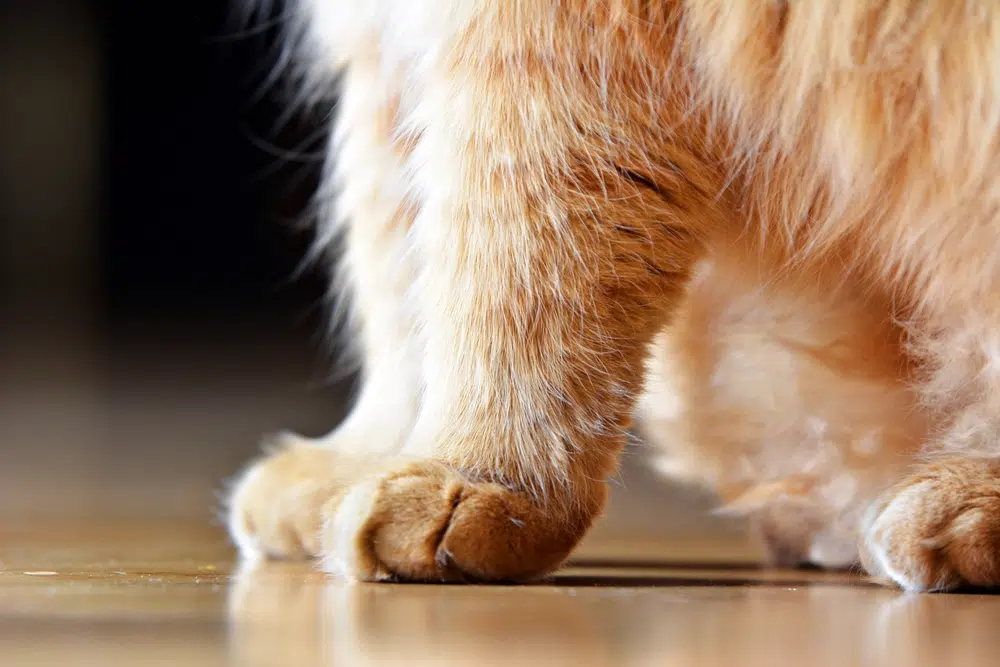
Furthermore, it’s important to remember that you can get a poison ivy rash from petting your feline if they have the oils on their fur. Cats are most likely to develop a rash in places with less fur. For instance, their belly, chin, and paws come to mind.
However, all cats are different, with varying amounts of fur. As you might imagine, a hairless cat will get the rash everywhere, just like a person. The signs of a reaction are very similar to those in people. For instance, a red, bumpy rash will likely occur.
This rash is usually itchy, causing your pet to bite or scratch the rash. In some cases, blisters may occur. If the cat scratches too much, it may break the skin. More severe cases can lead to secondary infections for this reason.
2. Speak to a Vet
We highly recommend speaking to your vet about your pet’s rash. Not only can the vet prescribe medications to treat the rash, but they can also examine them for secondary infections. While poison ivy isn’t usually dangerous, the infections that take root in the rash can be. Therefore, it’s best to speak to your vet.
Speaking to your vet is especially important if the rash is in a sensitive area. Your cat’s face is particularly sensitive, especially around the eyes. Poison ivy can be particularly troublesome around the eyes since it can cause eye infections.
If you need to speak with a vet but can't get to one, head over to PangoVet. It's an online service where you can talk to a vet online and get the advice you need for your pet — all at an affordable price!


3. Use an Oatmeal Shampoo
Often, it is recommended to bathe your cat as quickly as possible after noticing signs. The plant’s oils will continue to cause a rash (and even spread) until they are removed. The best way to do it is with a bath, though bathing a cat can be an ordeal. An oatmeal shampoo designed for cats with sensitive skin is recommended, even if you do not usually use one.
Be sure to wear gloves while bathing your pet. After all, you don’t want to get the oil on your skin. You should use gloves to handle your cat before bathing, but be sure to remove the gloves right after. You don’t want the gloves to re-contaminate your cat.
If you don’t have a suitable shampoo, use plain Dawn dish soap instead. It’s very gentle and made to remove oils, so it often works quite well in this situation. However, don’t use the soap for regular bathing; it’s too acidic to use frequently.

4. Clean Anything Your Cat Touched
Now comes the tricky part—removing the oil from your home. Urushiol, the oil produced by poison ivy, can remain on items for a while. If you or your pet touches the items, a rash can occur. Therefore, cleaning your home thoroughly is essential to prevent a reaction.
Fabrics, such as your cat’s bed, should be washed. You can use extra detergent to ensure the oils are washed away. Sometimes, a second wash may be necessary. Be sure to use gloves when handling the bed and other fabrics.
You can use a detergent or rubbing alcohol to clean non-porous items. Be sure to clean pet toys and bowls if your cat has touched them since being exposed. You can clean most pieces of furniture like you normally would. However, remember that you are cleaning oil, so use cleaning products designed to remove grease and similar substances.
Some cat owners treat their cats effectively but forget to clean items around their homes. In those cases, you and your cat could get the oils on your skin if you touch them.
5. Watch for Complications
Complications are extremely rare, but they can occur. The most common complications occur when the oils get into the eyes. However, the oils can also get onto other sensitive body parts, including the genitals, nose, and mouth.
Keep an eye out for respiratory stress, as well. Usually, it occurs when the plant is burned. However, it can theoretically occur if the oils are consumed because cats clean themselves with their tongues.


Conclusion
Cats are sensitive to poison ivy, just like humans, but their fur often protects their skin from the oils, preventing irritation. Areas with little fur can be easily irritated, including around the cat’s face. Bathing your cat is the most effective treatment since it helps remove the oils.
However, you’ll also need to clean your home and any items your cat touched. Otherwise, your cat may be re-exposed, and the irritation can continue.
Featured Image Credit By: Mark van Dam, Shutterstock
 The 5 Tips to Spot and Safely Remove Poison Ivy From Your Cat