Exotic Shorthair Cat Health Problems: 10 Vet-Reviewed Issues


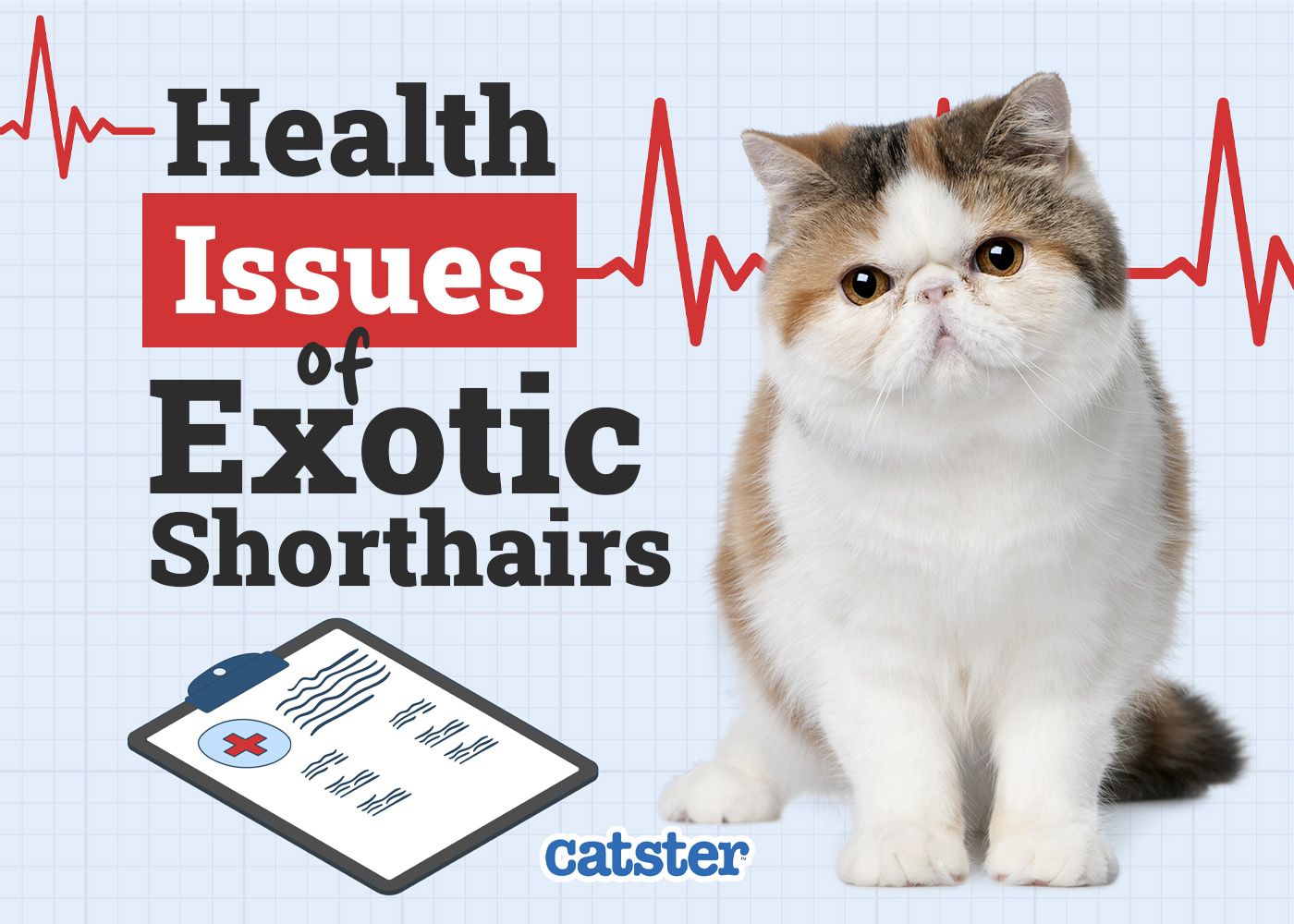
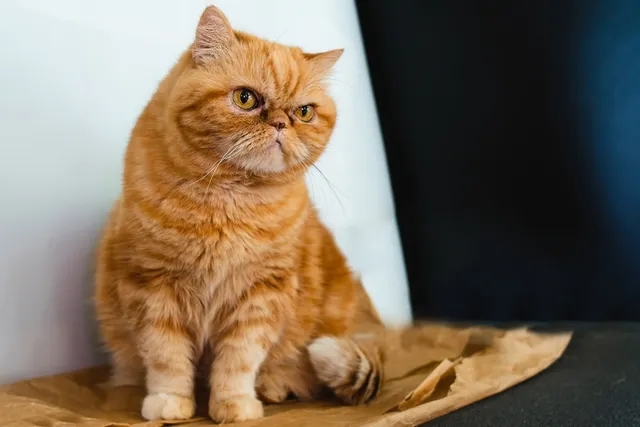
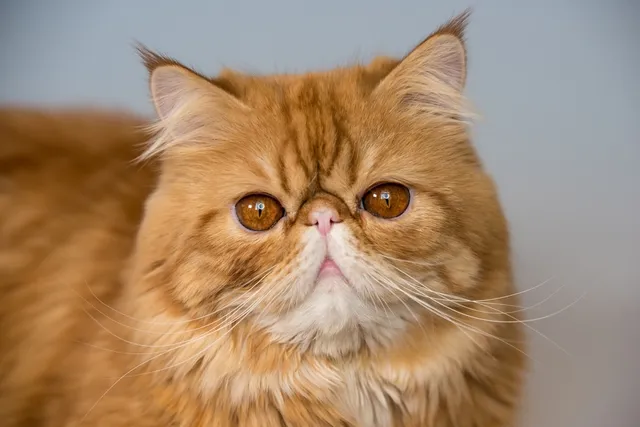
Many pet parents love flat-faced cat breeds, and the Exotic Shorthair cat is one such breed. Their squashed little noses and huge round eyes make them irresistible to some. In fact, as of 2023, Exotic Shorthair cats were the fourth most popular breed of cat in North America. This brachycephalic face shape does bring with it health concerns and breeders are being encouraged to breed cats with slightly longer noses to improve cat welfare.
While this is a relatively new breed, having only been around since the 1950s, these are extremely popular, loving, and adorable cats. The breed comes from crossbreeding an American Shorthair cat with a Persian, the result being the adorable creature we have today.
Weighing in at around 7–12 pounds and growing to between 10 and 12 inches, you can easily see why these cats are second in popularity only to the Persian.
However, as with any breed, the Exotic Shorthair cat comes with a few common health issues you should watch out for. We’ll give you a few of those issues, some signs to look for, and much more in the list below.

The 10 Common Exotic Shorthair Cat Health Problems
1. Obesity
Common Signs:
| Difficulty jumping | Their collar keeps getting tighter |
| Unwillingness to move around | Less frequent bowel movements |
| Dirty, messy, unkempt fur | Passing more gas |
Obesity is something that all cat breeds can be prone to, especially as they get older, and the Exotic Shorthair is no exception. This breed is not as energetic as many other breeds and tends to be quite the couch potato.
It’s well known that cats who eat a lot and don’t get much exercise can become obese, and this obesity can cause heart issues and other health issues as well. However, you can combat this by keeping a close eye on your Exotic Shorthair's weight and feeding the cat only high-quality food full of protein.
Make sure that you control the portions you feed your cat as well, as this is key to maintaining a trim waistline.

2. Kidney Issues (PKD)
Common Signs:
| Increased thirst | Weight loss |
| Increased urination | Seeming tired all the time |
| Nausea and vomiting | Not making it to the litter box |
You also need to watch for kidney issues in Exotic Shorthairs. While Polycystic Kidney Disease(PKD) is more common in Persians and British Shorthair cats, Exotic Shorthairs can also develop this disease.
It is hereditary, and with this disease, cysts begin to form in the cat’s kidneys, which will lead to kidney failure and the death of your feline friend. However, you can request DNA testing to determine if the cat you purchase is at risk, and breeders are working hard to erase this problem from the breed altogether.
If you’re looking to purchase an Exotic Shorthair from a breeder, ask to see proof of a PKD test with a negative result before continuing.
3. Eye Disorders
Common Signs:
| Pink or red protrusion from eyes | Irritation |
| Dry eyes | Unable to close eyes |
| Corneal ulceration | Inflammation of the cornea |
Since they have flat faces and large eyes, Exotic Shorthairs are prone to eye disorders. Two of the most common are cherry eye and entropion. We’ve listed the signs of cherry eye in the table above.
Both of these issues cause irritation to the cat’s eyes and will need surgical correction. Corneal ulceration is a painful and potentially serious condition that can be secondary to other eye problems such as entropion. Two other eye issues that often affect cats of this breed are excessive tearing and Progressive Retinal Atrophy (PRA), but these aren’t as common with this breed.
The best way to prevent your Exotic Shorthair from having eye issues is to keep a watch out for any signs of the above conditions and get your cat to a vet right away if they appear.
Most Exotic Shorthairs can live normal lives with early intervention and proper medical care.

4. Breathing Problems
Common Signs:
| Fever | Sneezing |
| Nasal discharge | Drooling |
| Runny eyes | Gagging |
Exotic Shorthair cats are at risk for some breathing problems due to their very short noses. Their narrow nostrils and often small windpipes increase the effort of breathing for these cats. So, any upper respiratory tract infection, such as cat flu, can be even more unpleasant for them. Make sure to keep up to date with your cat’s vaccinations to reduce the risk of infections.
This breed doesn’t do well in overly hot environments, so it’s suggested that pet parents keep them inside with plenty of air conditioning available in the summer months, especially if you live where the weather gets extremely hot or extremely humid during those times.
Also, if you tend to take your cat abroad with you, many airlines refuse to have Shorthair cats in their cargo holds because of their breathing issues. It’s not a good idea anyway because they suffer from respiratory issues that could prove fatal.
5. Skin Issues
Common Signs:
| Excessive scratching | Redness of skin |
| Chewing and licking of fur | Swelling or bumps on the skin |
| Loss of fur | Bald patches |
Since the Exotic Shorthair is so closely related to the Persian, it is possible for them to inherit the same skin issues. Diet plays a vital role in the health of your Exotic Shorthair’s skin. It’s also essential that you groom your cat properly to prevent skin issues from happening.
If your cat is showing any of the signs above, contact a vet for an appointment for diagnosis and possible treatment.

6. Bladder Stones
Common Signs:
| Frequent urination | Decreased appetite |
| Straining to urinate | Urinating outside of the litter box |
| Blood in urine | Signs of being in pain |
Bladder stones, specifically oxalate bladder stones, are also a health condition to watch out for with Exotic Shorthair cats. In this condition, the cat may strain to urinate, and it is painful. In addition, there’s often blood in the cat’s urine, and you’ll find they are constantly licking at their genitals.
Antibiotics alone cannot treat this condition, and surgery is needed in many cases. If you suspect your Exotic Shorthair has oxalate bladder stones, it’s best to contact a vet for a diagnosis, as tests need to be done to determine if bladder stones are the problem.
7. Brachycephalic Airway Syndrome
Common Signs:
| Snoring | Unable to perform physical activity |
| Frequent panting | Coughing |
| Difficulty eating and swallowing | Gagging |
Respiratory problems are common in Exotic Shorthairs due to their flat faces and short noses. The term given to these problems is Brachycephalic Airway Syndrome. The short, broad head of the breed often leads to partial obstruction of the airway when combined with the narrow nostrils and windpipes.
It’s essential to look for the signs and symptoms of this issue with your cat and get them to a vet right away for diagnosis and treatment if the condition presents itself.

8. Separation Anxiety
Common Signs:
| Urinating outside the litter box | Destroying stuff |
| Defecating outside the litter box | Hyper-attachment |
| Yowling or crying | Excessive grooming |
Separation anxiety is a common issue with some cat breeds, and the Exotic Shorthair is no exception. These cats love to cuddle, purr, and be around their humans. If you do decide to adopt or purchase one as a pet, be prepared to give the cat a lot of attention.
This breed doesn’t do well if it's left on its own for hours at a time, so make sure someone is going to be home much of the time for company.
9. Dental Issues
Common Signs:
| Mouth injuries | Wear on teeth |
| Periodontal disease | Pain |
| Soft tissue defects in mouth and gums | Pawing at mouth |
Teeth misalignment, also known as malocclusion, is fairly common in flat-faced cat breeds. This also includes the Exotic Shorthair. While this condition in itself isn’t that big of a problem, it can become hard for the cat to eat without pain as they eventually develop gum and dental disease.
The affected cat might need special softer food, extra careful teeth cleanings, as well as soft chew toys. It’s best to seek dental treatment and advice for your pet if they have malocclusion.

10. Heart Issues
Common Signs:
| Loss of appetite | Weak pulse |
| Difficulty breathing | Abnormal heart rhythm |
| Inability to tolerate exercise | Collapse |
One of the scariest health problems an Exotic Shorthair cat can have is heart issues. The most common is Hypertrophic Cardiomyopathy. This is an inherited disease, and it is progressive. Treatment can help support the heart, but eventually, HCM can end in death for your little furry friend.
If you see any signs or even suspect that your Exotic Shorthair might have a heart issue, it’s imperative to get in touch with a vet right away for diagnosis and treatment.
Remember to have regular vet visits when owning an Exotic Shorthair cat to keep their health and well-being. If you’re concerned about your cat’s health we suggest you speak to a vet.
Final Thoughts
This concludes our guide on the Exotic Shorthair cat and the health problems to watch out for.
These are gorgeous, loving, calm, and docile creatures, and it is possible your cat won’t develop any of the possible health issues listed. Some of the mentioned diseases are possible in any cat, and others, such as PKD and HCM, are genetic, so make sure to keep an eye on your beloved cat and address any potential issues right away for the health and happiness of your furry friend.
Sources
Featured Image Credit: Seregraff, Shutterstock
Expert cat care, straight to your inbox
News, insights, and useful advice, delivered to you.

No spam — unsubscribe anytime.
By signing up, you agree to our Terms & Conditions and Privacy & Cookies Policy.
How useful was this post?
Click a star to rate. You can leave written feedback afterwards. (We read all feedback.)
Patricia is a pet writer and lifelong animal lover. She has two cats (Binx and Link) and one dog (Mystery). Binx was found as a kitten under her house and has been part of the family ever since! Patricia is also a published author under the pen name Skylar McKinzie. When she isn’t writing, Patricia enjoys volunteering at her local animal rescue.