Devon Rex Cat Health Problems: 8 Vet-Reviewed Inherited Issues


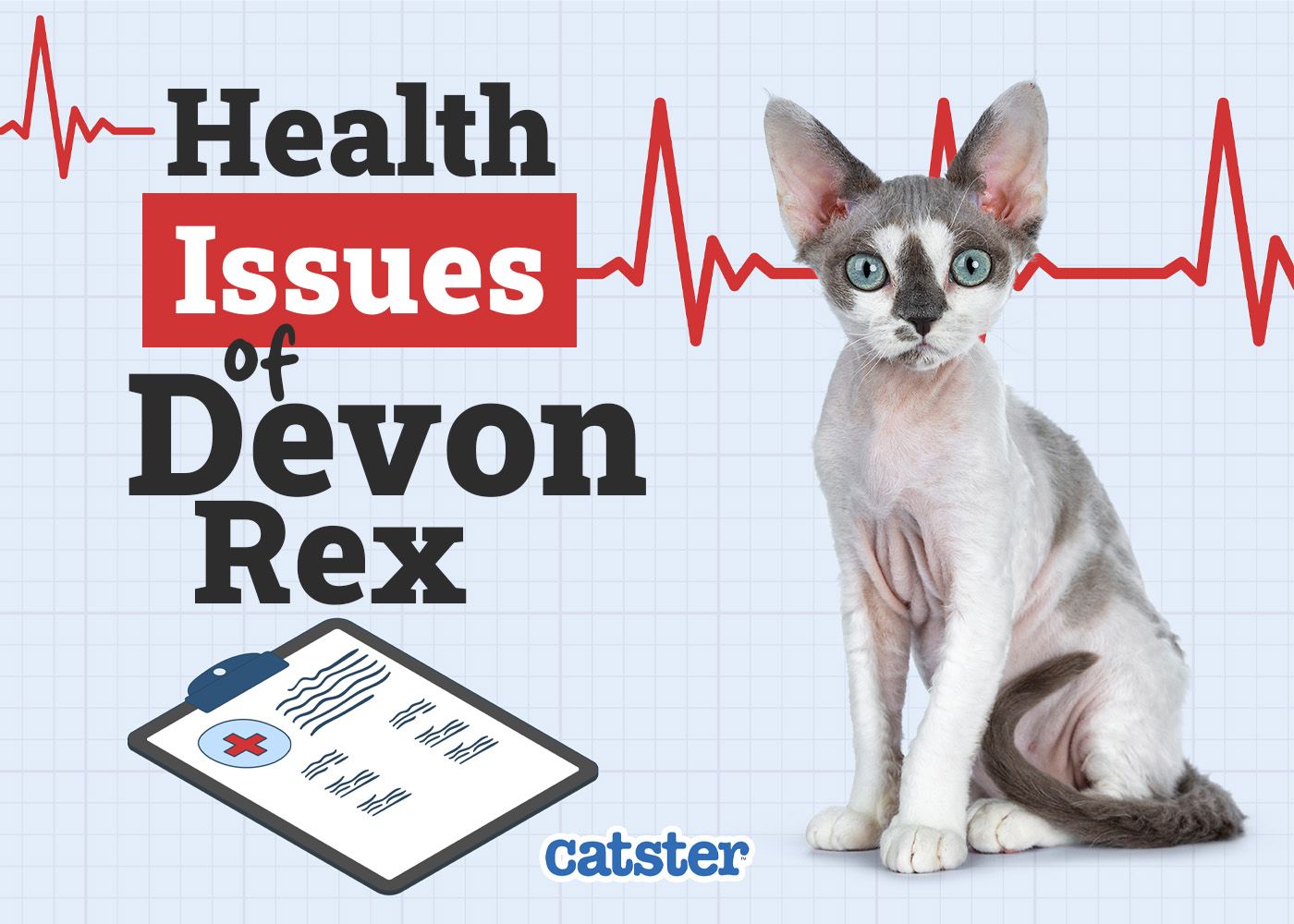
The Devon Rex is a unique breed beloved by those who keep them. These cats tend to be relatively healthy, especially when they are bred from health-tested parents with as little in-breeding as possible. When you’re purchasing any purebred cat, it’s important to ensure they are from health-tested breeding stock, but it’s especially important for cats that may have a predisposition for certain inherited or genetic health issues or that have a small gene pool. There are some health problems that the Devon Rex can be prone to developing, so read on for more information if you’re interested in this breed.

The 8 Common Devon Rex Cat Health Problems
1. Hypertrophic Cardiomyopathy
| Type of condition | Cardiac |
| Treatable? | Partially |
| Severity | 5/5 |

Hypertrophic cardiomyopathy, also known as HCM, is often confused with dilated cardiomyopathy, or DCM. DCM can be related to dietary insufficiencies, but HCM is not. This is a hereditary disease in cats, including the Devon Rex breed, that is passed to your cat from one or both of their parents. Some parents may carry the risk of the disease without developing it.
It’s important to choose a breeder who does not have a history of HCM in their breeding lines to decrease the chances of your cat having this disease. No breeder can guarantee that your cat won’t develop HCM, though, and this is an unfortunate risk with this breed. HCM signs can be managed, but the disease itself is not treatable or curable.
2. Hereditary Myopathy
| Type of condition | Musculoskeletal, neurological |
| Treatable? | No |
| Severity | 4.5/5 |

Hereditary myopathy is a neurological condition that impacts the function of the muscles. This disorder is passed from the parents to the offspring through their genes, so this is another disorder that is extremely important to not be in breeding lines. It causes muscle weakness and spasticity due to an inability of the nervous system to properly communicate with the muscles. In more severe cases, these cats may experience collapse and severe physical limitations.
When in situations of stress or excitement, these cats may have an exacerbation or worsening of their signs. For many cats with this disease, their signs begin to show anywhere between 3 and 23 weeks. These may worsen over time but typically stabilize around 9 months of age.
3. Patellar Luxation
| Type of condition | Musculoskeletal |
| Treatable? | Yes |
| Severity | 1–4/5 |

Patellar luxation is a musculoskeletal problem in which the patella, or the small bone of the knee cap, slips in and out of place. This problem can vary in severity significantly. Most cats don’t need any interventions to live comfortably, but they may be more likely to develop arthritis, making joint support important.
In serious cases, patellar luxation can lead to pain and limping, and in severe cases, the patella may slip out of place and not be able to slip back in. For severe patellar luxation, surgery may be required to stabilize the patella.
4. Coagulopathy
| Type of condition | Hematological |
| Treatable? | Partially |
| Severity | 4/5 |

There is a type of coagulopathy that Devon Rex cats are particularly prone to. Coagulopathies are a group of disorders that make normal blood clotting difficult, which can lead to bleeding problems. Devon Rexes can develop a hereditary vitamin K-responsive coagulopathy that is related to a defective enzyme that allows for the metabolism of vitamin K.
This disorder cannot be cured, but it is responsive to oral vitamin K therapy. Since this is a hereditary disorder, it’s important to talk to your breeder to determine if any of their cats have developed it.
5. Urticaria Pigmentosa (Papular Eosinophilic/Mastocytic Dermatitis)
| Type of condition | Dermatological |
| Treatable? | Partially |
| Severity | 2/5 |

Urticaria pigmentosa is a skin disorder that has shown some prevalence in Devon Rex cats. This disease can lead to oily buildup on the skin, erythema (redness), and crusty papules (red spots). The rash and redness typically show up in a symmetrical pattern on the chest and abdomen.
While this disease can be uncomfortable for your cat, it is not a life-threatening condition. It is not curable, but the signs can be managed. Many cats show improvement with the addition of fatty acids to their diet and occasional prednisolone therapy, which must be acquired after an examination by your veterinarian.
6. Dental Disease
| Type of condition | Dental |
| Treatable? | Yes |
| Severity | 1–4/5 |

Dental disease can impact any cat, but Devon Rexes have shown some level of predisposition to having problems with their teeth, though compared to other cat breeds, they seem less likely to develop resorptive tooth lesions.1
Dental disease can vary significantly in severity, but it is manageable with routine dental care. Some cats may begin requiring professional dental cleanings at the vet at only a few years of age, but most cats need dental cleanings once they reach middle age. Dental treats, chews, and toys, as well as home teeth brushing, can help to reduce dental problems between cleanings. If left untreated, dental disease can lead to serious problems, like kidney and heart disease, so it’s important to have your cat’s teeth checked out at their annual vet visits.
7. Hip Dysplasia
| Type of condition | Skeletal |
| Treatable? | Yes |
| Severity | 1–4/5 |

Hip dysplasia is a developmental condition of the hip joints that results in the ball and socket not being formed properly. It varies in severity from very mild to severe. It will make affected cats more prone to arthritis as they age, so weight control and joint support are important. Some cats will benefit from hip surgery and or physiotherapy.
8. Polycystic Kidney Disease
| Type of condition | Kidney |
| Treatable? | Partially |
| Severity | 4/5 |

Polycystic kidney disease is inherited in several breeds of cats and results in cysts forming in the kidneys. Eventually, as the disease progresses, the cats will go into chronic kidney failure. While there is much support by means of medications and diets, the disease is not curable. It is important to ensure that the breeder also tests for this genetic condition.
If you are concerned about the health and well-being of your pet, we recommend getting in touch with a vet for guidance.
Conclusion
The best way you can work to ensure that you get a healthy cat is to only purchase your Devon Rex from a reputable breeder who has done all necessary health testing on their breeding cats and offers a health guarantee on their kittens. Even though Devon Rexes tend to be pretty healthy cats, there are some serious conditions that can be a major concern. Responsible breeding is the best way to ensure that these conditions don’t continue to be passed through the breed. By supporting responsible breeders, you’ll be able to help ensure this breed maintains their health.
Sources
Featured Image Credit: Veera, Shutterstock
Expert cat care, straight to your inbox
News, insights, and useful advice, delivered to you.

No spam — unsubscribe anytime.
By signing up, you agree to our Terms & Conditions and Privacy & Cookies Policy.
How useful was this post?
Click a star to rate. You can leave written feedback afterwards. (We read all feedback.)
Christian started writing for a local newspaper as a teenager, and he's been involved in the publishing industry for most of his adult life. Combining his love of writing with a passion for animals, he is currently the Director of Editorial at Pangolia and the Editor-in-Chief at Catster.
Christian lives in the Philippines with his wife, son, and four rescue cats: Trixie, Chloe, Sparky, and Chopper.