Do Scottish Fold Cats Shed a Lot? Vet Approved Facts & Grooming Tips

In this article
Every cat breed has its own special quirks and characteristics. The Scottish Fold is no different. Its eye-catching appearance and playful personality make it a favorite amongst feline fans. But do these cats shed a lot? And if so, how should they be groomed?
We've found the answers to these questions for you. Keep reading to learn more about this fascinating cat breed and whether it’s the right fit for you.

Do Scottish Folds Shed a Lot?
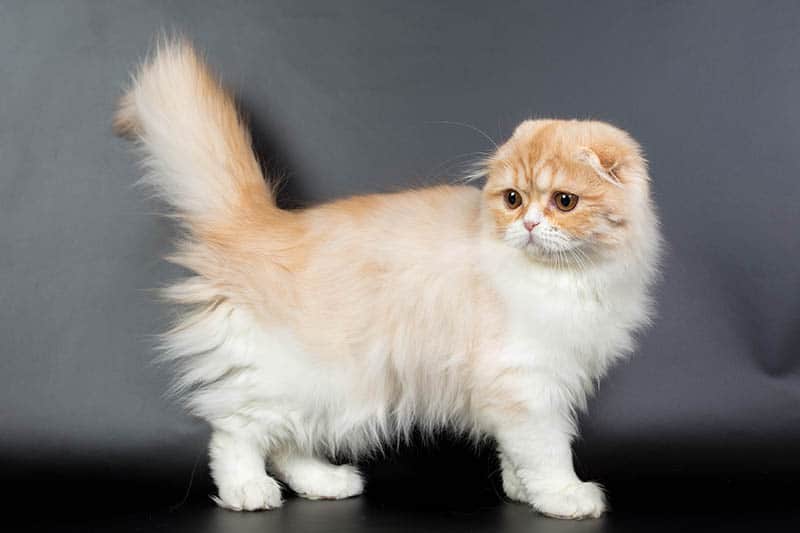
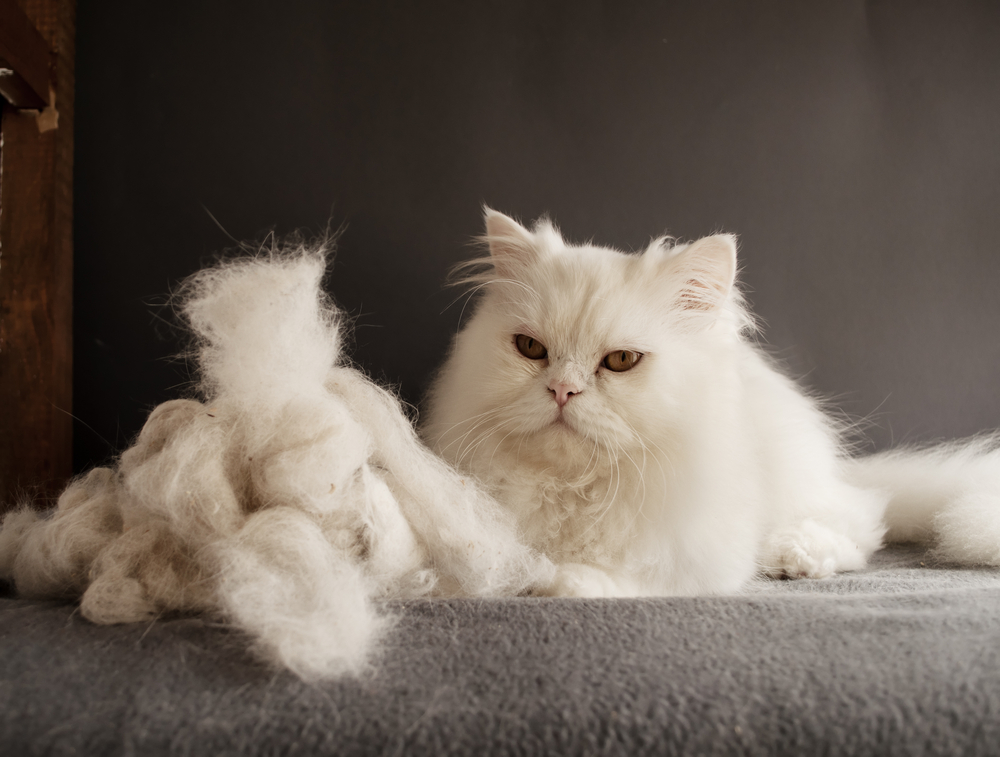
Yes, the Scottish Fold cat breed is prone to excessive shedding. They shed year-round but shed more heavily during the spring and fall. This means that they'll also require a lot of grooming. They should be groomed regularly to avoid excessive shedding, furballs, and matted fur. It also means that it would help to make a list of grooming items to purchase before bringing the cat home.
You may want to create a list of local groomers as well. These cats are fun to have as pets, but they can easily cause your home to become a fur-filled jungle if you don't keep their fur shedding at bay.

Top 2 Tips for Grooming Your Cat
If you are thinking about getting a Scottish Fold soon or already have one at home, there is something that you should know about owning this cat breed. Due to their year-round shedding, you’ll have cat hair on every surface of your home if you don’t take steps to get on top of the problem.
Luckily, there are lots of things you can do to minimize the mess and make it easier on yourself so that your life with your kitty is more enjoyable than challenging.
1. Brush Your Cat
You can use a brush to help reduce your cat’s shedding. If you can get your cat used to the brush early, then your cat is more likely to allow you to brush them. It’s best to start when they’re young. You can start using the brush while they are still kittens. They will get used to the sensation and enjoy being groomed by you as they get older.
Once your cat is used to being brushed, then you can use the brush to help remove any loose, dead hair from your cat’s body. This will help to reduce the amount of hair that ends up all over your home and on your clothing. You can also use the brush to distribute the oils from your cat’s skin throughout their coat. This will help to keep your kitty’s skin and fur soft and healthy.
2. Clean Regularly
Although cleaning your home won’t reduce how much your cat sheds, it will reduce how much hair builds up on the surfaces of your home. If you have a lot of cat hair in your home on fabric surfaces, try using a lint roller to pick it up. This tool is great for picking up hair from your clothing before it has a chance to sink into the fibers. You may also want to try a lint roller to pick up excess hair from your furniture.
Keep in mind that a lint roller won’t work on all fabrics, so it is best to consider other methods such as Scotch tape or simple vacuuming.
You’ll also want to sweep, mop, and vacuum the floor regularly. Also, consider getting an air filter for your air conditioner that is designed to trap pet hair. Regularly wash blankets, pillows, your cat’s bed, or anywhere else your cat likes to nap on regularly to remove hair from these surfaces as well.

A Brief History of the Scottish Fold
The Scottish Fold was first bred in Scotland in the 1950s. Breeders noticed that certain cats had unusually curly ears. Over several decades, these cats were selectively bred to produce more cats with folded ears. Scottish Folds are one of the few cat breeds with a genetic defect.
Fun Fact: The cats’ ears don’t develop properly. Instead, the cartilage in their ears folds over and creates a crease.
What Does a Scottish Fold Look Like?
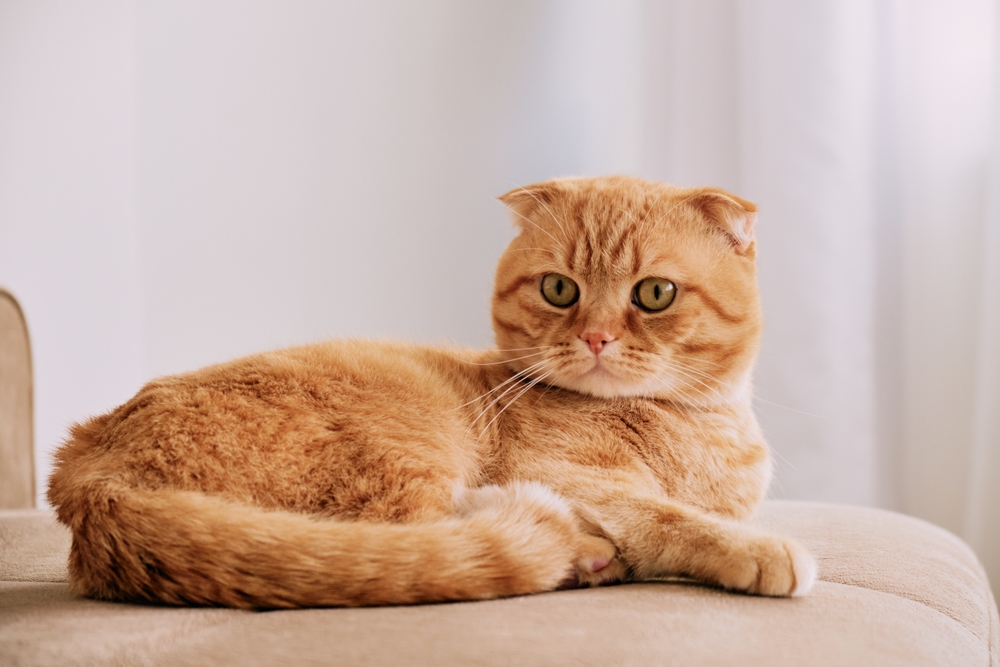
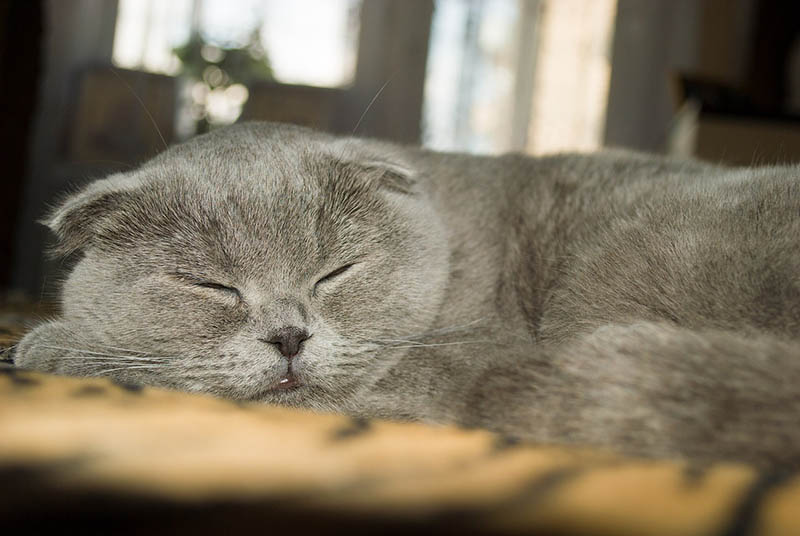
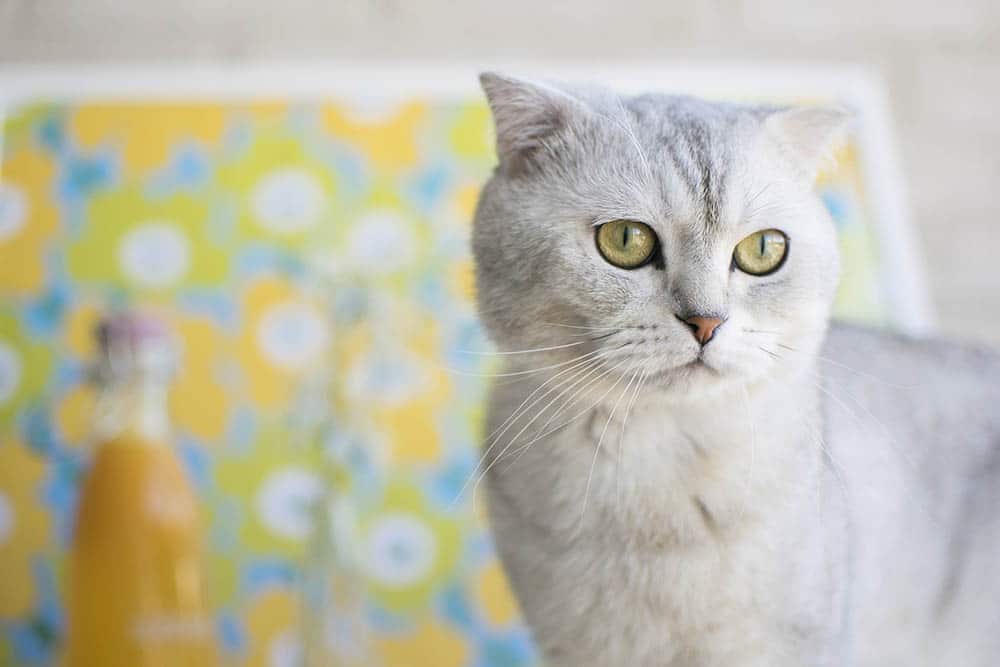
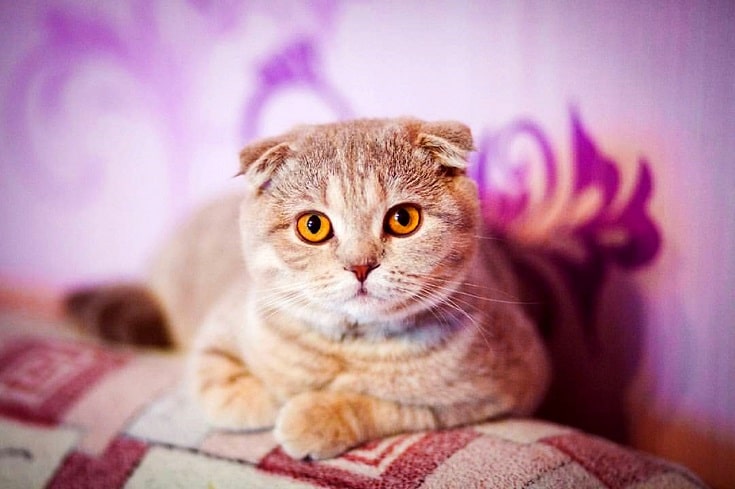
The folded ears and squashed face of the Scottish Fold make it look quite different from other cat breeds. Its unusual appearance led to its removal from the CFA registry in the 1970s. The breed’s folded ears are their most obvious physical anomaly. The Scottish Fold’s folded ears are the result of a genetic mutation.
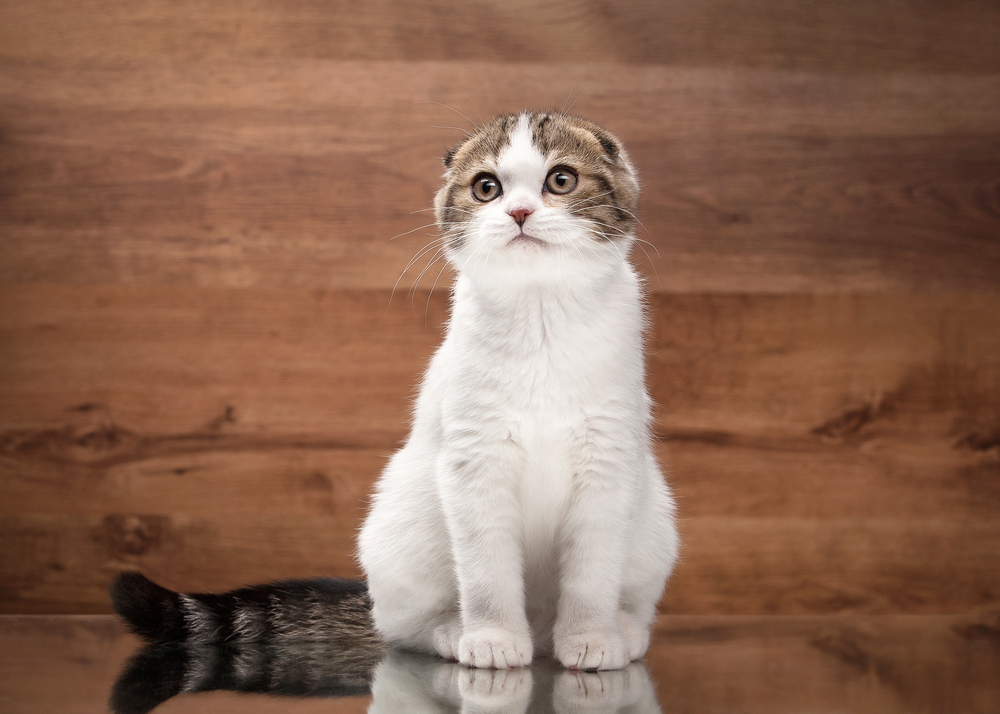
It’s caused by a dominant gene that affects the cartilage in the ears. Sadly, this mutation also comes with several health issues. Scottish Folds can also be identified by their large, broad head, triangle-shaped face, and squashed-in nose. In terms of their coat, Scottish Folds come in a variety of colors. These include brown, tortoiseshell, silver, and white.

Scottish Fold Behavior & Personality
Compared to other large/breed cat breeds, Scottish Folds tend to be pretty docile. They are often described as “low-key” and “easygoing.” This is likely due to their folded ears. The gene responsible for the folded ears also affects the cat’s central nervous system. This can result in a calmer cat that’s less likely to cause trouble.
Don’t let the Scottish Fold’s relaxed personality fool you, though; this is a very active cat. Scottish Folds thrive on attention and stimulation, and they also need a lot of space. So, even though these cats are relatively quiet, they need plenty of room to run around and play.
All in all, Scottish Folds are pretty good for families with kids who are old enough to respect a cat’s personal space.
Common Health Problems in Scottish Folds
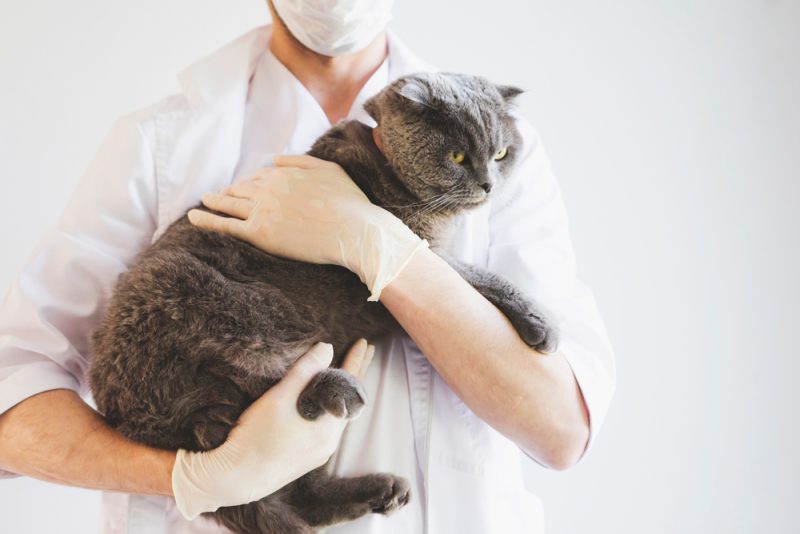
As mentioned above, Scottish Folds have several health issues due to the folded-ear mutation.
These issues include:
All of these conditions can be managed with medication and a good diet. However, the Scottish Fold’s health problems can be very serious if left untreated. So, it’s very important to buy a Scottish Fold from a reputable breeder. They should be able to provide a health guarantee that covers all of these issues.
If you are concerned about the health and well-being of your pet, seek veterinary advice for the best course of action.
Is the Scottish Fold the Right Cat for You?
Scottish Folds are good cats for families with children. That said, Scottish Folds also need plenty of attention and playtime. They're very active and intelligent cats. So, they won’t be happy living in a quiet home with no toys or space to explore. If you’re looking for a laid-back feline friend, the Scottish Fold might be a good fit.
However, you should be aware of the breed’s health issues and how they may impact your cat’s life. If you’re ready to welcome a Scottish Fold into your life, you’ll want to talk to breeders and start visiting shelters.
How to Find a Healthy Scottish Fold
Breeders are the best place to start if you’re looking to buy a Scottish Fold. You can find a list of breeders online and in publications like The International Cat Association’s magazine. It’s important to do your research before buying a cat. That includes visiting breeders and spending time with the cats themselves.
Make sure you are comfortable with the person/organization you’re buying from and that you have health records for the cat you’re getting. If you are buying from a shelter, you can find out more about your cat’s health by talking to the shelter workers. They can help you make a smart decision based on the cat’s age and current state of health.
Conclusion
The Scottish Fold is one of the most unusual cat breeds out there. In addition to their unique appearance, these cats shed a lot, especially during the spring and summer months. They are a good choice for families with kids.
However, you will have to brush them and clean surfaces in your home regularly to help reduce shedding.
Related Read: Do Persian Cats Shed? Vet-Verified Facts & Grooming Tips
Featured Image Credit: Sophkins, Pixabay

Expert cat care, straight to your inbox
Vet-reviewed advice, behavior tips, and the best of Catster. Free, and you can unsubscribe anytime.
By signing up, you agree to our Terms & Conditions and Privacy & Cookies Policy.
Christian started writing for a local newspaper as a teenager, and he's been involved in the publishing industry for most of his adult life. Combining his love of writing with a passion for animals, he is currently the Director of Editorial at Pangolia and the Editor-in-Chief at Catster.
Christian lives in the Philippines with his wife, son, and four rescue cats: Trixie, Chloe, Sparky, and Chopper.
Join the conversation
Ask a question, share your story, or send private feedback.