Do Munchkin Cats Shed a Lot? Vet-Reviewed Facts & Care Tips


In this article
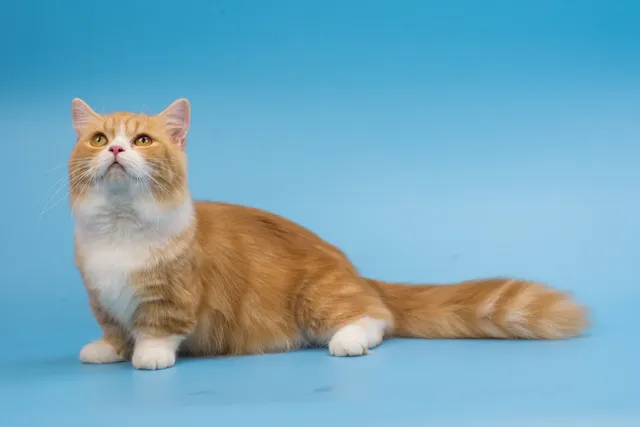
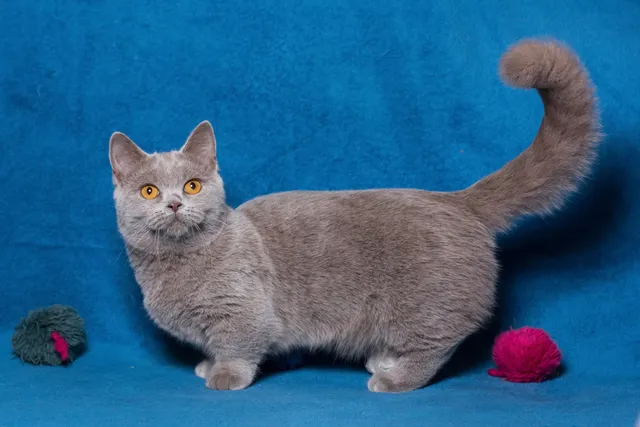
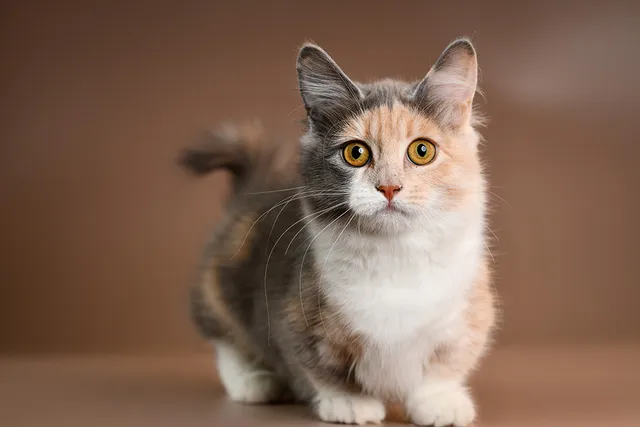
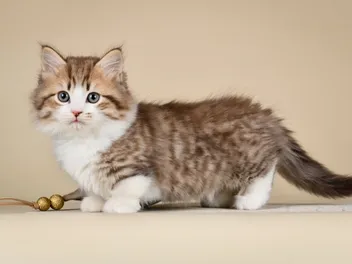
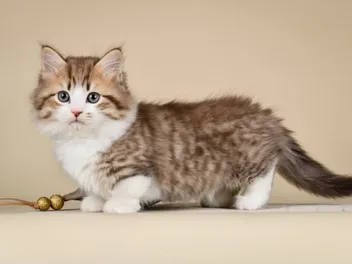
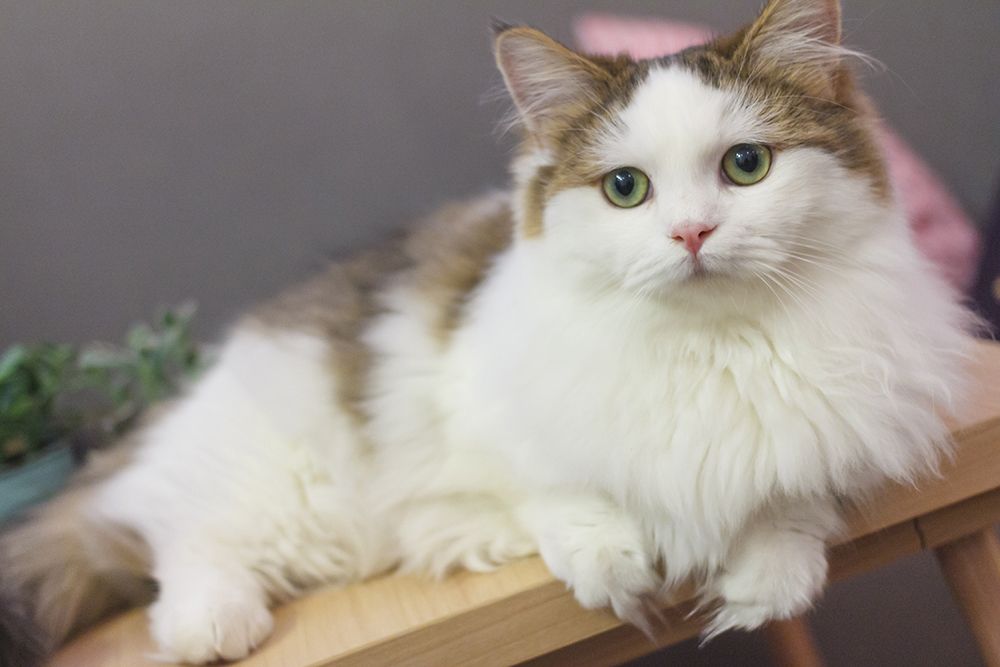
Munchkin cats are a relatively new breed, having only been around in America since the 1940s. They are known for their short legs, which is the result of a naturally occurring genetic mutation. Munchkins are friendly and affectionate cats and make great pets for families with children or other pets. But do they shed a lot? This is an important question to ask, especially if you just don't want to keep cleaning up cat hair off of your furniture and clothes. In general, Munchkin cats are considered moderate shedders. Let’s find out more about Munchkin cats and how much they shed.

Do Munchkins Shed a Lot?
Shedding can be a nuisance, and no one wants to deal with hair all over their furniture and clothes. Plus, for some allergy sufferers, more hair means more sniffles and sneezes. So, do Munchkin cats shed a lot?
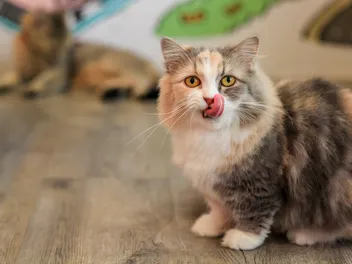
In general, Munchkins are considered moderate shedders. This means that a healthy Munchkin will shed just about the same as many other cat breeds. Their shedding increases in the fall (autumn) and spring.
Of course, there are always exceptions to the rule, and the amount of shedding depends on their coat type and health. Cats that are not in good health may shed more than healthy cats, especially if they have a condition that affects their coat. Likewise, poor nutrition may lead to an unkempt coat that sheds more than a healthy coat.
It is important to keep in mind that the length of your cat’s coat likely does not play a factor in how much they shed. A Munchkin with a short coat can shed just as much as a Munchkin with a long coat. This is because the length of their coat isn’t a factor in determining how much they shed.
If you are concerned about shedding, it’s best to talk to a veterinarian before or shortly after adopting a Munchkin. They will be able to give you more information that is specific to your cat.

How to Minimize Shedding
If you have a Munchkin cat that sheds a lot, there are some things you can do to minimize the shedding and keep your home hair-free.
The first step is having your cat looked over by a veterinarian. This is especially true if your cat seems to be shedding excessively all of a sudden and is very important if your cat is showing other signs that may hint at a problem.
Signs To Watch For
If a veterinarian determines that your cat has no health issues, there are proactive steps you can take at home to help manage your cat’s hair.
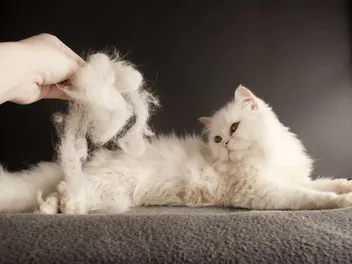
Routinely brushing your pet goes a long way in keeping hair shedding under control. This will help to remove loose hair before it has a chance to fall out on your furniture or clothing. There are a variety of brushes available, so talk to a vet or groomer to find one that’s best for your cat’s coat type.
In addition to regular brushing, you can also try giving your Munchkin a bath with a cat shampoo. This will help to remove any excess hair and keep the shedding to a minimum.
In addition, it might be beneficial to reassess your cat’s diet with a veterinarian’s input. Your cat’s fur coat will be healthier and less prone to excessive shedding if they are on an appropriate diet. There are some special foods available that can help to reduce shedding. These foods contain nutrients that promote healthy skin and coat, which can help to reduce the amount of hair that your cat sheds. Talk to a veterinarian about whether one of these foods might be a good option for your Munchkin.
Choosing the Right Brush for Your Cat
When it comes to brushing your cat, it’s important to choose the right brush for their coat type. If you have a Munchkin with short hair, a simple bristle brush will probably suffice. But, if your Munchkin has long hair, you may need a special comb de-shedding brush to help remove all of the loose hair.
Look for a brush that is comfortable for you to hold and that has soft bristles that won’t scratch or irritate your cat’s skin. It’s also a good idea to choose a brush that is specifically designed for cats, as human brushes and even some dog brushes can be too harsh and pull out more hair.
As always, if you are not sure which brush is best for your cat, talk to your veterinarian or groomer. They will be able to help you choose the right one for your cat’s individual needs.

Are Munchkins Hypoallergenic?
No, Munchkins are not hypoallergenic. It’s important to note that no cat breed is truly hypoallergenic. People with cat allergies react to one or more of several naturally occurring proteins that cats produce, with a protein known as Fel d1 being the most common allergen in humans with cat allergies. This protein is found in high quantities in a cat’s saliva and is also produced by their sebaceous glands (which are located all over their body). This protein is deposited by cats onto their fur when they lick themselves. It then dries and can become a microscopic airborne particle whenever the cat shakes or moves. In this form, it is known as dander.
The allergen may also attach to a cat’s fur and spread around your house as your cat sheds fur. However, this isn’t the only way allergies spread and therefore, no cat (even a hairless breed) is considered hypoallergenic.
Conclusion
Munchkins are a fascinating breed of cat. When it comes to shedding, they are considered to be moderate in terms of their shedding. Nonetheless, there are things you can do to keep shedding levels in control in your house. And, if you have allergies, talk to your doctor before you adopt any cat, including a Munchkin.
Related Read: Do Persian Cats Shed? Vet-Verified Facts & Grooming Tips
Featured Image Credit: This road is mine, Shutterstock
Expert cat care, straight to your inbox
News, insights, and useful advice, delivered to you.

No spam — unsubscribe anytime.
By signing up, you agree to our Terms & Conditions and Privacy & Cookies Policy.
How useful was this post?
Click a star to rate. You can leave written feedback afterwards. (We read all feedback.)
Christian started writing for a local newspaper as a teenager, and he's been involved in the publishing industry for most of his adult life. Combining his love of writing with a passion for animals, he is currently the Director of Editorial at Pangolia and the Editor-in-Chief at Catster.
Christian lives in the Philippines with his wife, son, and four rescue cats: Trixie, Chloe, Sparky, and Chopper.