Can Cats Eat Gum? Vet-Approved Facts & FAQ


In this article
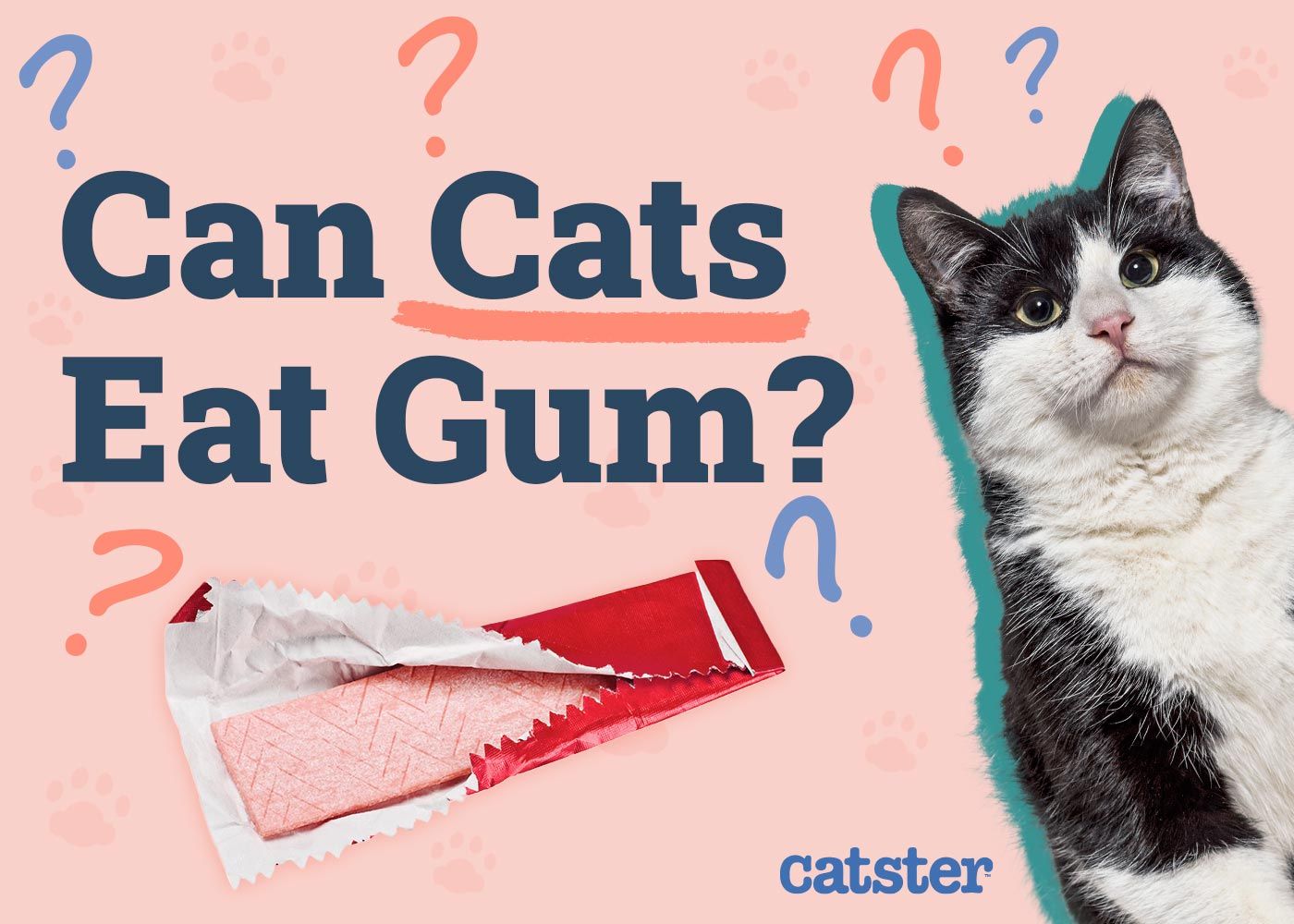
Chewing gum comes in several flavors, and the scent can pique a cat’s curiosity, especially if it’s wrapped in shiny foil. So, it’s pretty easy for cats to accidentally take a bite or get it stuck on their face and paws.
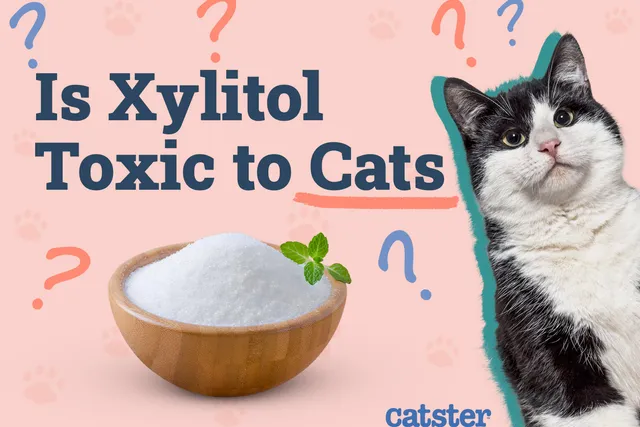
Many types of gum are sweetened with xylitol, which is toxic to cats, and even xylitol-free gums can still be a risk to your cat. Overall, cats should not eat gum as it can pose several health hazards.
However, accidents occur even to the most vigilant cat owners, so if your cat swallows gum, here’s what you can do to help them feel better.

Can Cats Eat Gum?
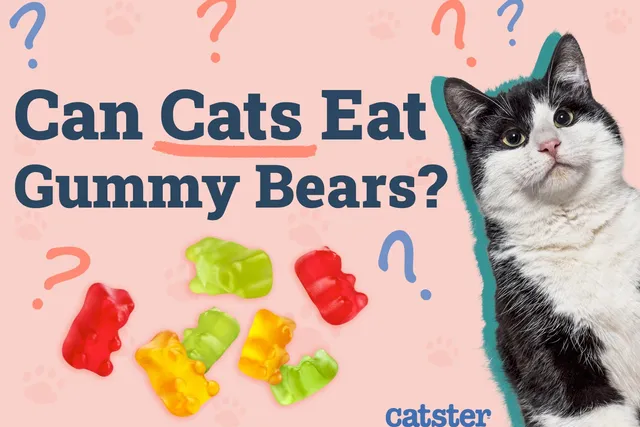
No, cats should not eat gum. While not all gum contains toxic ingredients, some varieties include xylitol, an artificial sweetener that can be dangerous for cats. Even xylitol-free gum can present risks, such as choking hazards or causing digestive blockages. It’s always best to keep gum and other human treats out of your cat’s reach.
Risks of Gum to Cats
Gum comes in many different varieties, and most commercial chewing gums contain artificial sweeteners and other ingredients that can be harmful to cats.
The biggest concern is xylitol, a sugar substitute found in many sugar-free gums. Even small amounts of xylitol can cause serious health issues in pets. However, some gums do not contain xylitol, and while they may not be immediately toxic, they can still cause stomach discomfort or pose a choking hazard.
If your cat eats gum, it’s crucial to determine whether xylitol is present and monitor for any signs of distress.

Signs of Xylitol Poisoning in Cats
As a general rule, just 0.1 grams of xylitol per kilogram of a cat’s body weight can cause hypoglycemia. Since most gum contains between 0.2 and 0.5 grams of xylitol per piece, even a small amount can be harmful.
Signs of xylitol poisoning in cats may appear within 30 minutes and include:
- Ataxia (loss of coordination)
- Collapse
- Lethargy
- Seizures
- Vomiting
- Weakness
My Cat Ate Gum – What to Do
If your cat has eaten gum, follow these steps immediately:
- Check the ingredients. Check if the gum contains xylitol, as your vet will most likely ask you this, and it will influence the course of treatment.
- Call a vet. Whether or not xylitol is present, consulting a vet is the safest course of action to assess any potential risks.
- Monitor for signs of distress. Even if xylitol isn’t present, watch for signs of choking or stomach discomfort.
- Do not induce vomiting. Cats don’t always respond predictably to induced vomiting, so always seek a vet’s guidance first.
- Give your cat fresh water. Giving your cat water will help with hydration and can support digestion.
- Keep the gum packaging. If you go to the vet, bring the gum package so they can look at the specific ingredients and assess the potential risks.
The sooner your cat gets treatment, the better the chances are of a full recovery.

How to Protect Your Cat from Gum
Preventing access to gum is the best way to keep your cat safe. Here are some tips:
- Buy xylitol-free gum. While still not ideal for cats, it’s safer in case of accidental ingestion.
- Store gum securely. Keep gum in a sealed container or a high, inaccessible location.
- Keep gum out of purses and pockets. Cats can be curious and may sniff out gum wrappers.
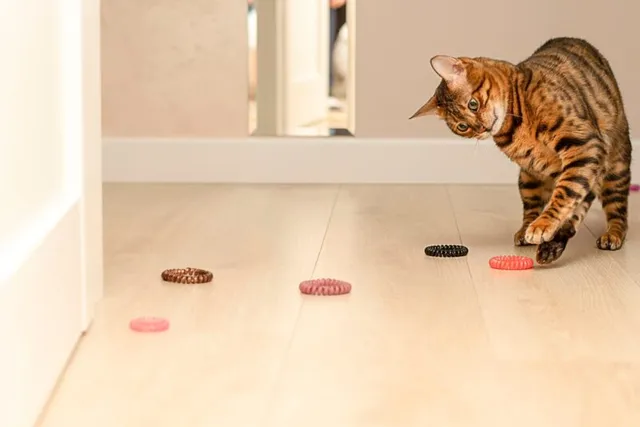
- Redirect curiosity with cat-friendly toys. If your cat is drawn to shiny wrappers, offer an engaging toy instead.
How to Clean Gum Out of Your Cat’s Fur
If gum gets stuck on your cat’s fur, it’s best to remove it immediately. Sometimes, you can salvage their fur before having to cut it off. First, try rubbing an ice cube on the gum. Frozen gum loses its stickiness and can come off the fur more easily. If the ice cube doesn’t work, try massaging oil that’s safe for cats into the gum. You can use mineral oil, olive oil, or vegetable oil.
The oil will break down the gum and cause it to dissolve. Remove the chunk of gum, lather pet shampoo on the oily area, and rinse with water. If oil doesn’t work, you’ll have to resort to trimming your cat’s fur. You can contact your local pet groomer to see if they can squeeze in a last-minute appointment for a quick trim.
Final Thoughts
Gum can be dangerous for cats if it contains xylitol, but in general, it’s best to keep your cat away from chewing gum. Even if it’s xylitol-free, your cat can quickly become a sticky mess if they play with gum. Gum can also be a choking hazard. Therefore, keep your gum in a secure and unreachable place to avoid unsafe and messy situations.
Expert cat care, straight to your inbox
News, insights, and useful advice, delivered to you.

No spam — unsubscribe anytime.
By signing up, you agree to our Terms & Conditions and Privacy & Cookies Policy.
How useful was this post?
Click a star to rate. You can leave written feedback afterwards. (We read all feedback.)
Nicole is a lover of all animals, especially of the feline variety. She's mom to four, three fur babies and a human baby. She and her husband, John, live on a large forest property down in New Zealand.
Their beautiful Burmese cat Baby (who is now 17 years old) was their first child, though he is now called Baby Cat since their human baby joined the party in 2022. The dogs Rosa and Mac also love cats, but the whole family agrees that King Baby Cat is enough cat for this household.
Nicole is the Director of Content Management at Catster and Pangolia. With a Bachelor's degree in Education and years of online experience, she shares her pet knowledge and the knowledge of other professionals with the world, aiming to improve pets and pet parents' lives.