How to Cat-Proof Wires: 9 Vet-Approved Solutions


Unfortunately, “curiosity killed the cat” can be an apt saying when it comes to electric wires and cats. They are known for their constant inquisitiveness and love for exploring every nook and cranny.
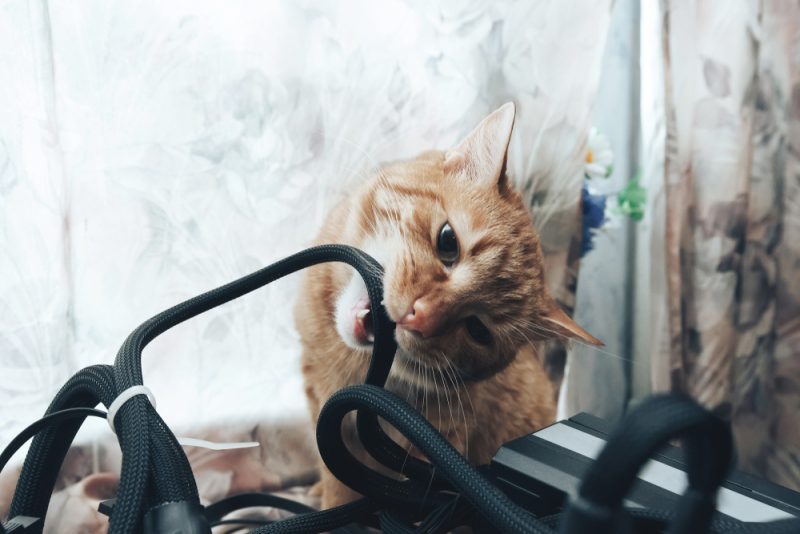
Some cats are also mouthy and tend to bite and chew on anything that looks interesting. But it can be quite serious if a cat chews on electric wires. There's the potential for choking, intestinal blockage, electric shocks and burns.
As a cat parent, you’ll need to find a way to prevent your cat from chewing on cords. Here are nine effective ways to cat-proof the wires around your house.

The 9 Ways to Cat-Proof Wires
1. Use Wire Wraps
Cord protectors can be used on one or a bundle of cords at once. It’s also a great way to hide a bunch of messy cords. You can also look for split wire looms, also known as convoluted tubing, in hardware or office supply stores.
Most of these protectors can be cut down to fit the length of your cords, so even if your cat still tries to bite them, they are covered in a layer of protection.
2. Use Double-Sided Tape
Double-sided tape is commonly used to protect furniture from cat scratching but can also be used on cords. Cats dislike anything sticky on their paws (and mouths), so putting double-sided tape on cords will definitely keep them away.
However, this means you’ll likely end up with a sticky residue on your cords. But if you notice your cat continuing to avoid the cords, try removing the tape, and hopefully, your cat will continue to stay away.

3. Put Down a Training Mat
A training mat can be placed next to your wires, which will prevent your cat from walking or sitting near them. This type of mat is harmless, but some can be uncomfortable for your cat’s paws because they can be covered in small nodules, so they won’t go near the cords.
You can also use the mat in any place that you want to keep your cat away from, such as tables or counters.
4. Hide & Cover the Wires
Ensure that all wires run under or behind large furniture, so your cat just doesn’t have access to them. Place items in areas that your cat might be able to squeeze into in order to block their path, like filling the space next to your fridge so they can’t chew on the fridge’s cord.
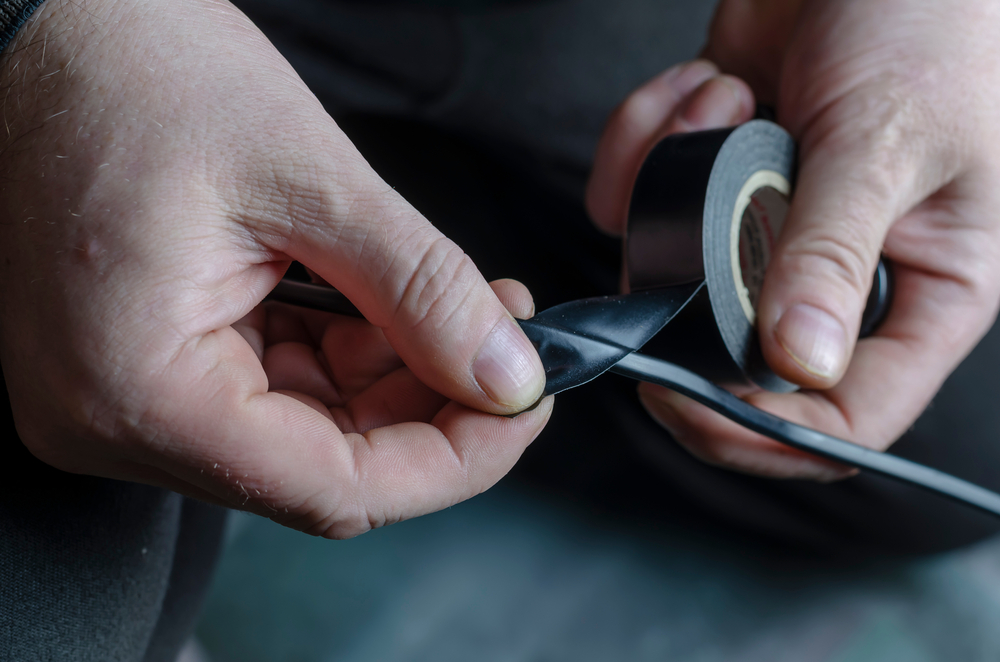
You might need to move furniture around and try tacking any loose cords along the baseboards. You can use duct tape or cord cover kits for this purpose. Commercially available cord cover kits are effective at covering wires while giving a clean look to your home. They are usually easy to install, come in different colors to accommodate the look and feel of your home, and cover wires and cords almost completely.
5. Use Bitter-Tasting Deterrents
Cats aren’t fans of bitter tastes, and there are some useful deterrents on the market that you can use to keep your cat away from dangerous objects such as wires. This is a safe option for your cat since cat deterrents are made specifically to keep them away due to the bitter smell and taste without endangering your cat. You can easily find commercial cat deterrents for your wires.
Another alternative is to use natural products you can find at home, but be very careful with the ingredients you use. Please avoid using substances like garlic, coffee, mustard, eucalyptus, or lemons as deterrents, as these are often recommended online but can be dangerous and potentially toxic to cats. A natural cat-safe ingredient you can use to deter your cat is white vinegar. Mix ⅓ cup of white vinegar with ⅔ cup of water to create a safe and effective solution that won’t put your cat at risk. Spray it over the wires you want to protect.
6. Go Wireless
In today’s society, it’s getting easier to go wireless. Maybe you don’t need that DVD player anymore because you can stream almost everything. Perhaps you have extra appliances sitting around collecting dust that it’s time to donate. The fewer wires that are around, the fewer wires your cat has access to.
7. Spend Time With Your Cat
Sometimes, cats chew on wires because they are bored. After all, if you react every time your cat starts chewing on a wire, they have your attention!
Spend time playing with your cat. Try to wear them out by making them chase an interactive toy for a while. A tired cat won’t be that interested in chewing cords.

8. Give Chew Toys to Your Cat
Invest in toys designed to be chewed by cats. There are also chew sticks made with catnip and silvervine. Giving your cat another outlet for chewing might make them less interested in your wires.
9. Reduce Your Cat’s Anxiety
Some cats might chew things because they are stressed and experiencing anxiety. Speak to your vet to understand your cat’s behavior and consider special products to reduce your cat’s anxiety, such as a Feliway diffuser. This plug in product diffuses calming pheromones that mimic those produced naturally by cats and are designed to keep cats more comfortable with an increased sense of security.
If your pet is showing signs of stress, we suggest you speak to a vet.
Why Do Cats Chew on Cords?
There are several reasons that cats might start chewing wires beyond curiosity and just because they're there.
- Dental issues: Some cats might have discomfort or pain in their mouth, and chewing helps relieve it. The chances of a cat experiencing dental problems increase as they age, so it’s vital that they have regular checkups with your veterinarian.
- Pica: A cat with pica will experience cravings to eat inedible material. This can include dirt, paper, or other materials commonly found in the home. Pica is sometimes attributed to boredom, lack of social contact, early weaning, genetic predisposition, or compulsive disorder, but the exact reasons remain unknown.
- Boredom: Cats that are bored or have gotten older and can’t be as physically active as they used to be are more prone to act out with destructive behaviors.
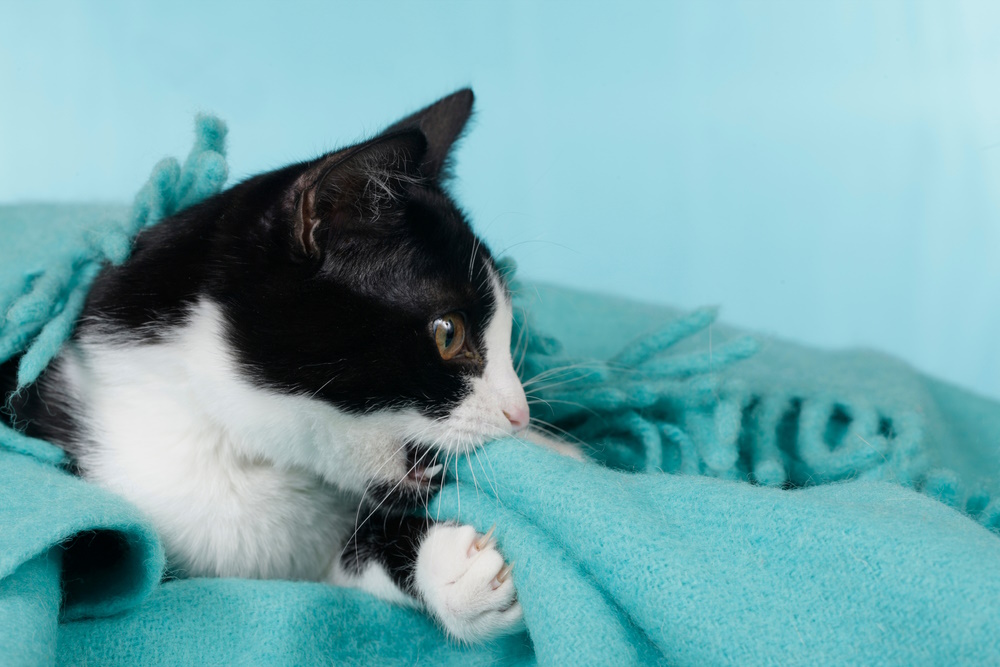
- Obsessive-compulsive disorder (OCD): This is relatively common in Burmese and Siamese cats, but all cats can potentially develop it. One sign of OCD is cats sucking and chewing on items. Other signs include overgrooming and self-mutilation, with a focus on the tail. Wool sucking is when cats suck and chew fabric.
- Medical condition: As cats age, they might experience a metabolic issue like hyperthyroidism. This can raise the cat’s activity level and appetite, which might increase the urge to chew.
Conclusion
As cat parents, we want to keep them safe from harm. Unfortunately, some cats tend to go after wires, which can prove dangerous.
Following any of these tips should you cat-proof the wires around your home, though you might need to try out more than one option to prevent problem behaviors like destructive chewing.
See your vet if you’re concerned about your cat’s chewing, particularly if they find something else to chew that’s inappropriate.
See also:
Featured Image Credit: Dmitriev Mikhail, Shutterstock

Expert cat care, straight to your inbox
Vet-reviewed advice, behavior tips, and the best of Catster. Free, and you can unsubscribe anytime.
By signing up, you agree to our Terms & Conditions and Privacy & Cookies Policy.
Kathryn was a librarian in a previous lifetime and is currently a pet writer. When she was a child, she hoped to work in ZOOs or with wildlife in some way, thanks to her all-consuming love for animals. Sadly, she's not strong in the sciences, so she fills her days with researching and writing about all kinds of animals and spends time playing with her adorable but very naughty tabby cat, Bella. Kathryn is hoping to add to her family in the near future – maybe another cat and a dog.
Join the conversation
Ask a question, share your story, or send private feedback.