Get

In Your Inbox

Catster is reader-supported. When you buy via links on our site, we may earn an affiliate commission at no cost to you. Learn more.

Are Cats Manipulative? Olga’s Manipulation Skills
Share

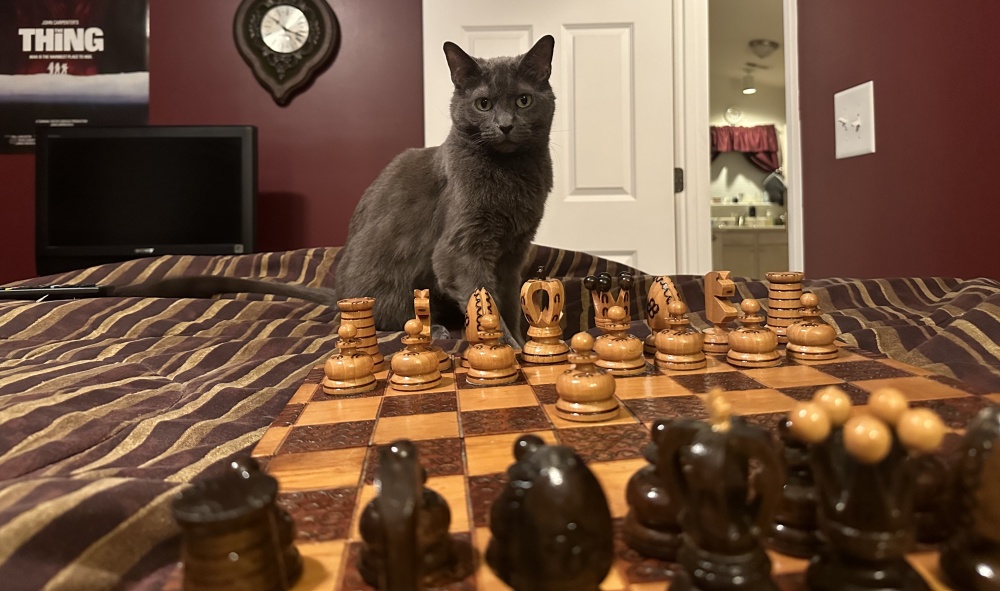
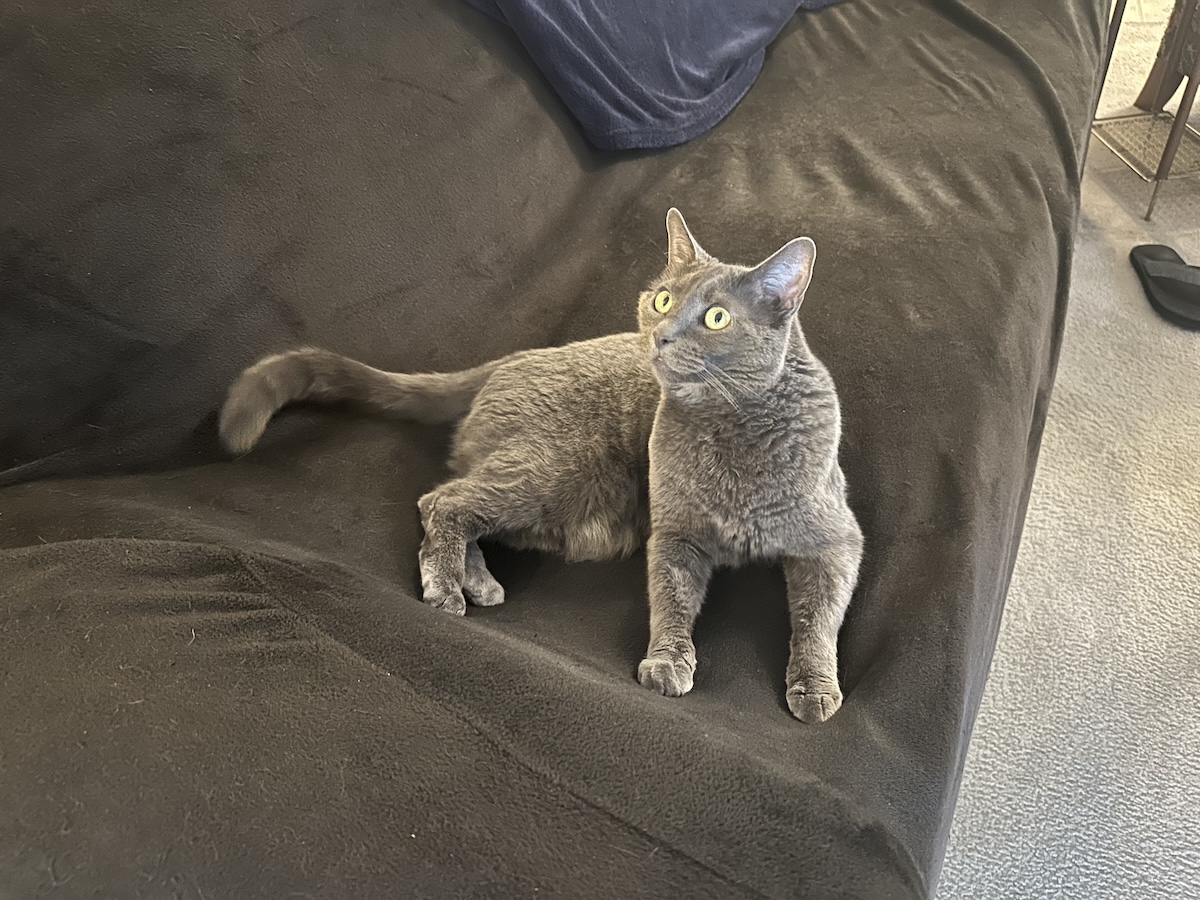
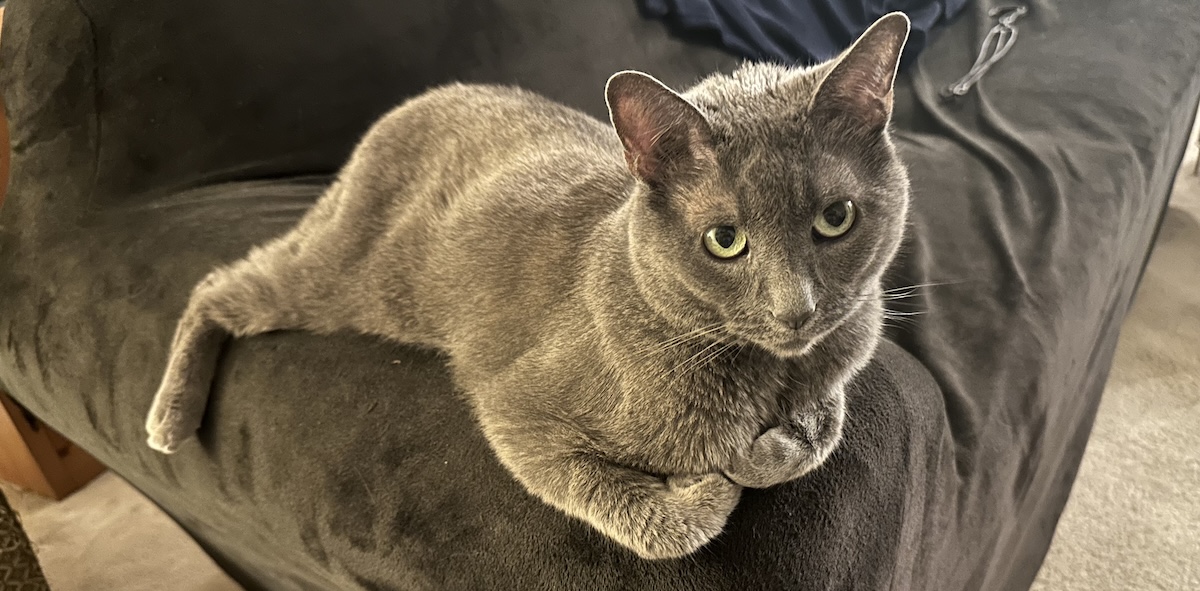
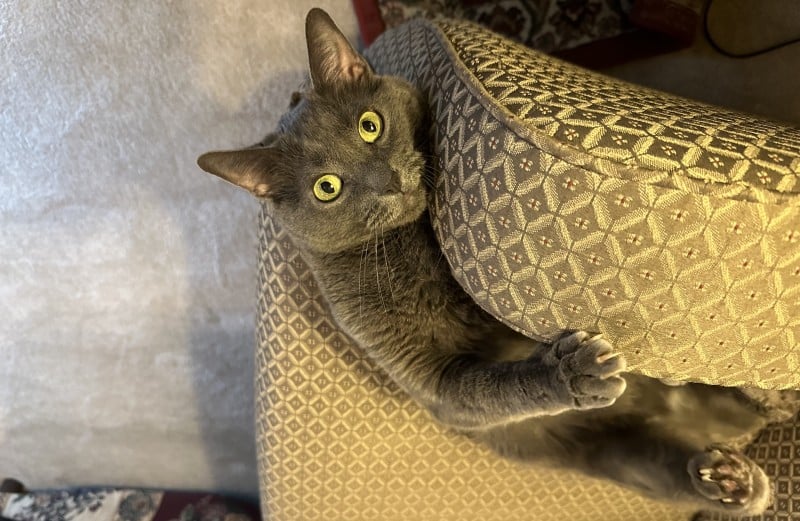
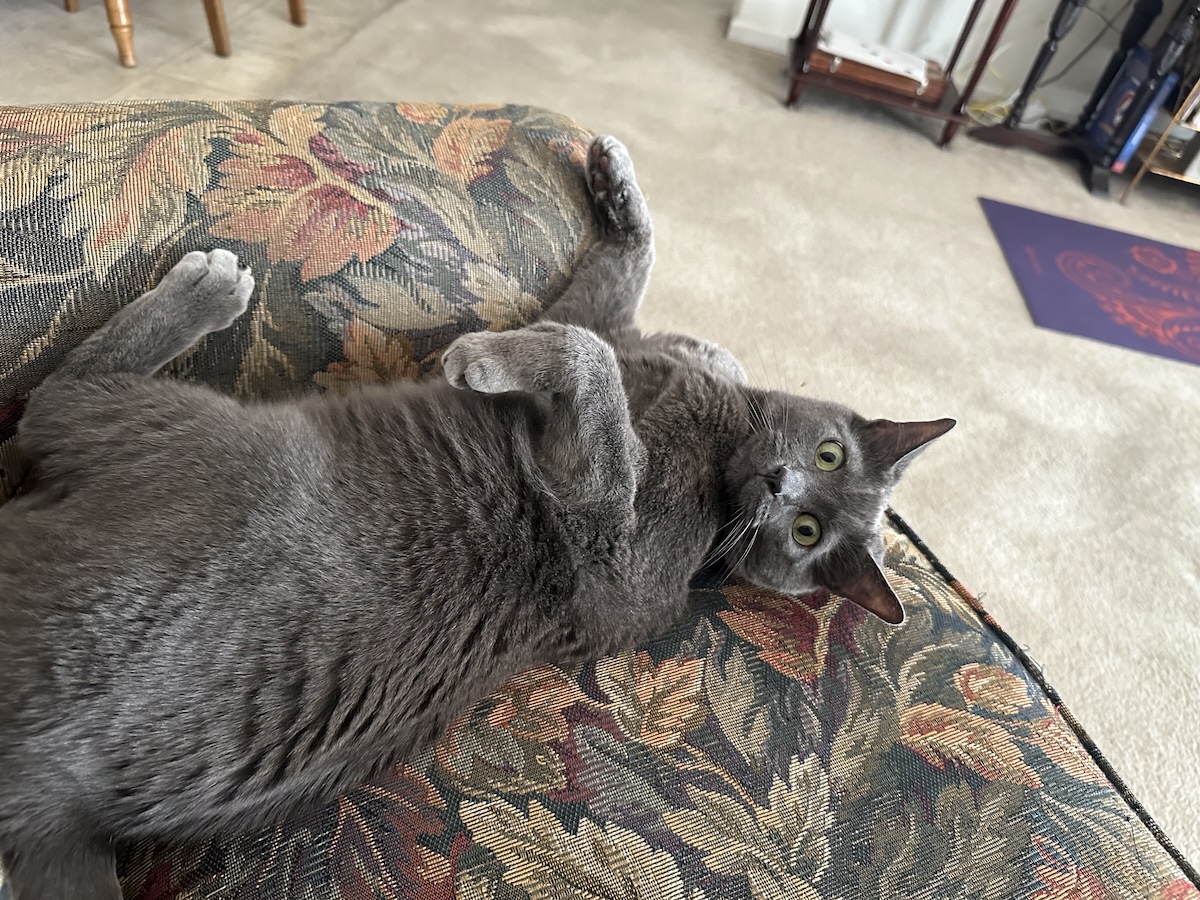
Sitting in this chair is not a good idea. It's mine.

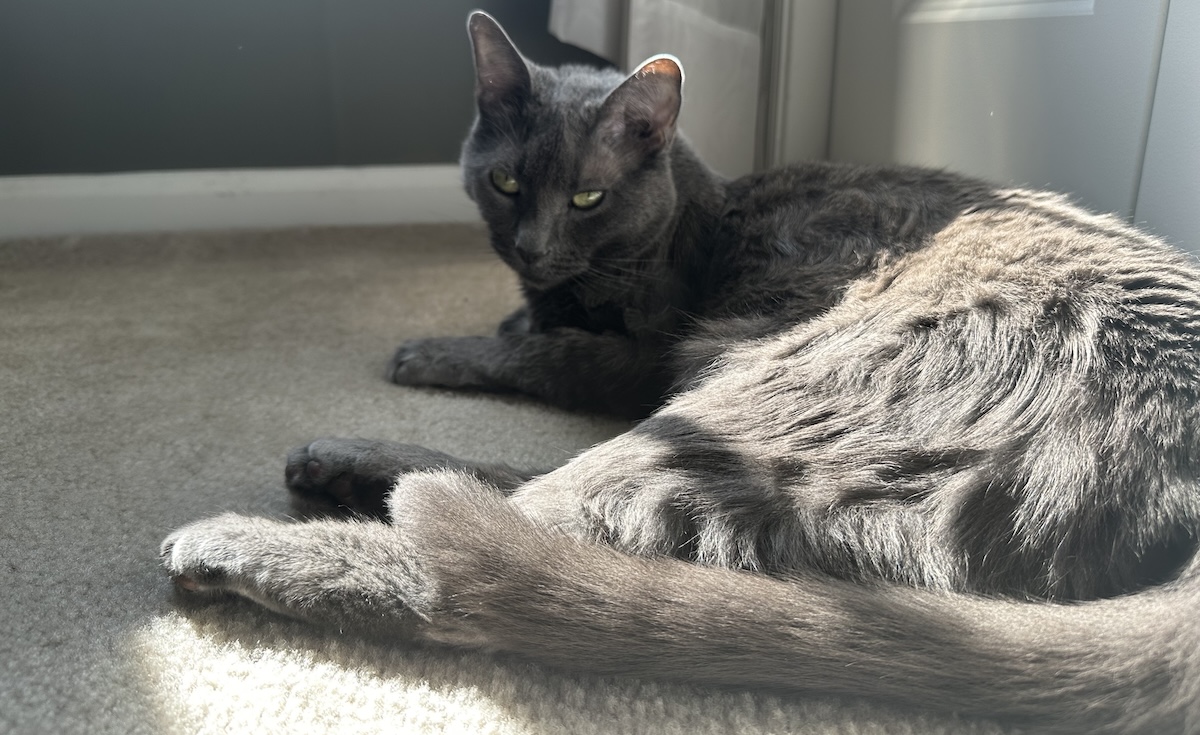
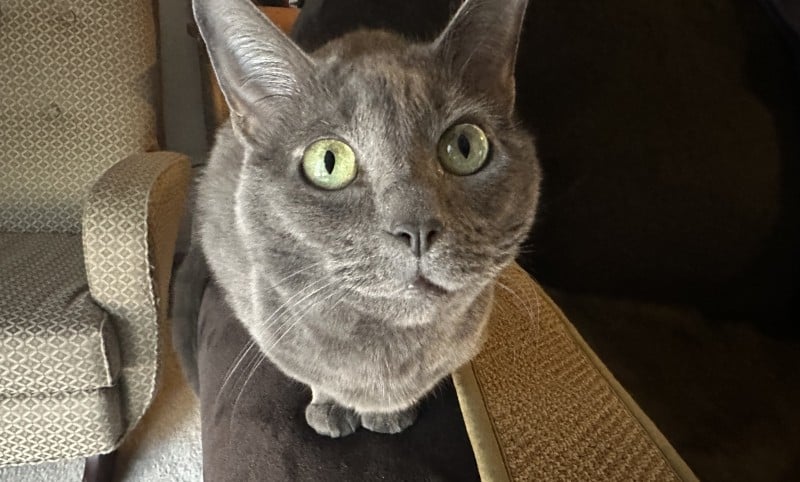
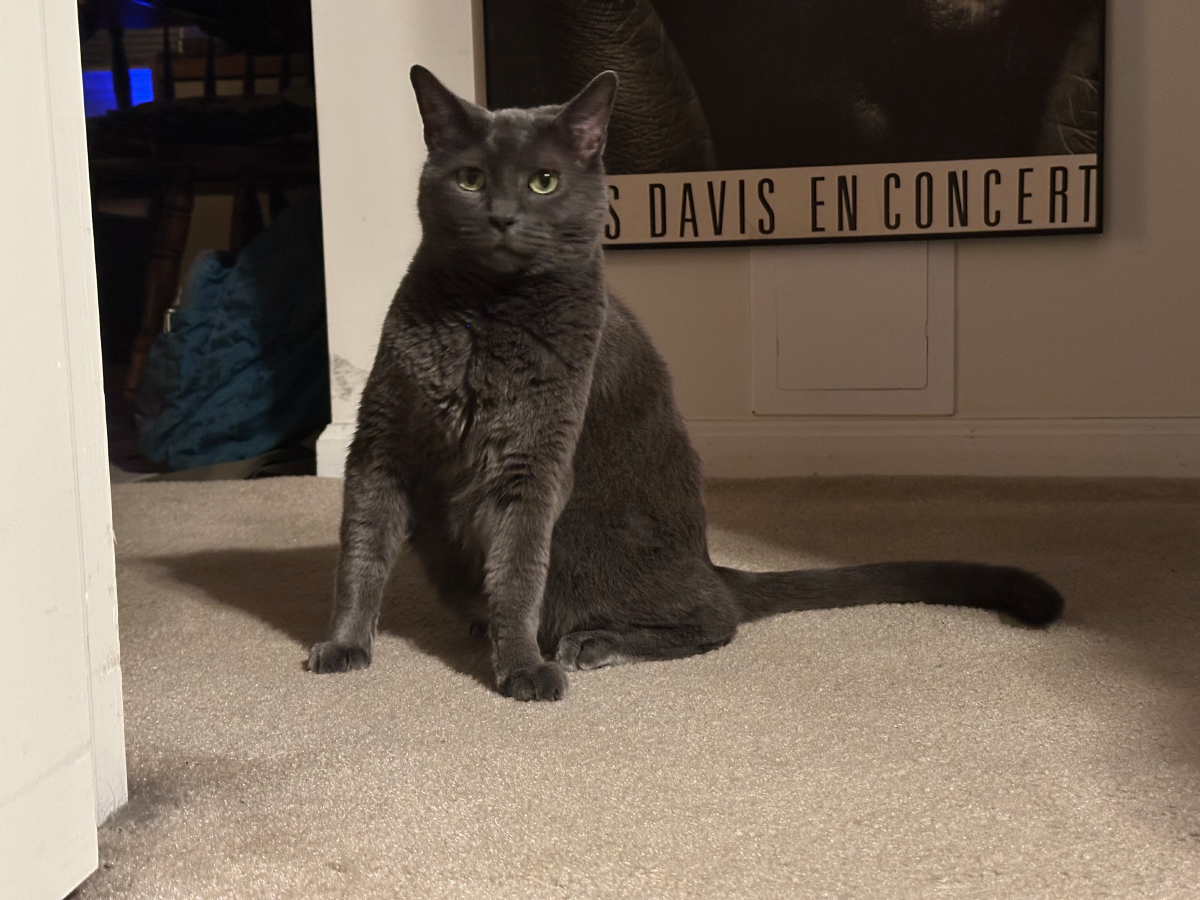
Hi, I’m Christopher! Read my introduction to learn more about me and my silly Russian Blue cat, Olga.

Cats find creative ways to get our attention, but some of their techniques are more cunning than others. Although dogs are more famous for their begging skills than cats, Olga has developed a system that encourages me to feed her earlier than her usual dinnertime. It was unnecessary before I worked at home, and over the years, she’s modified her methods.

Most pet cats, even the affectionate ones, are somewhat manipulative. Their instincts influence their behavior, but their intelligence helps them discover new ways to irritate their owners. In the wild, they don’t need to beg or depend on humans for food or entertainment.
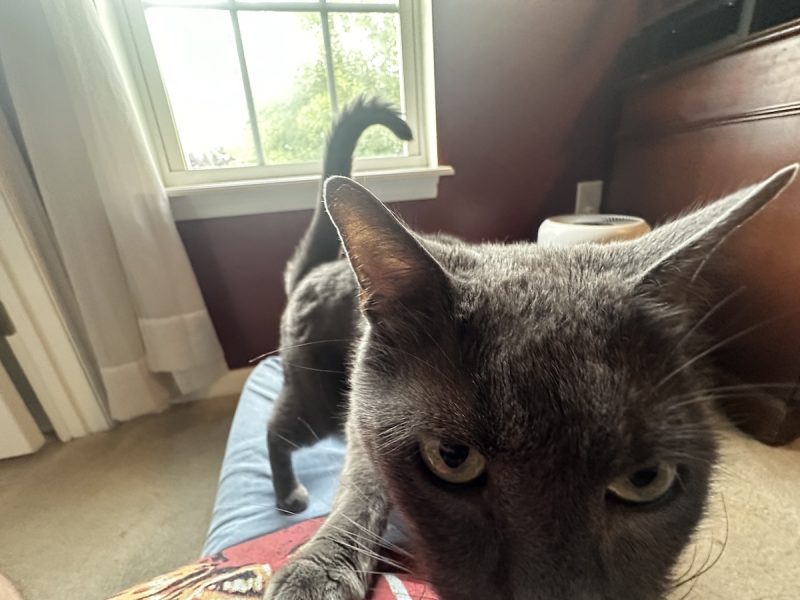
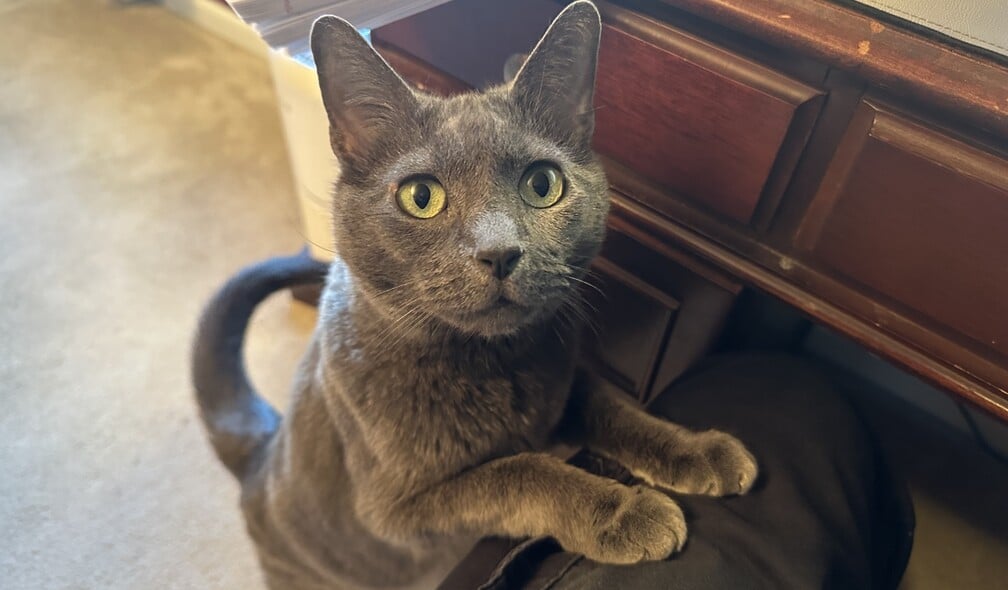
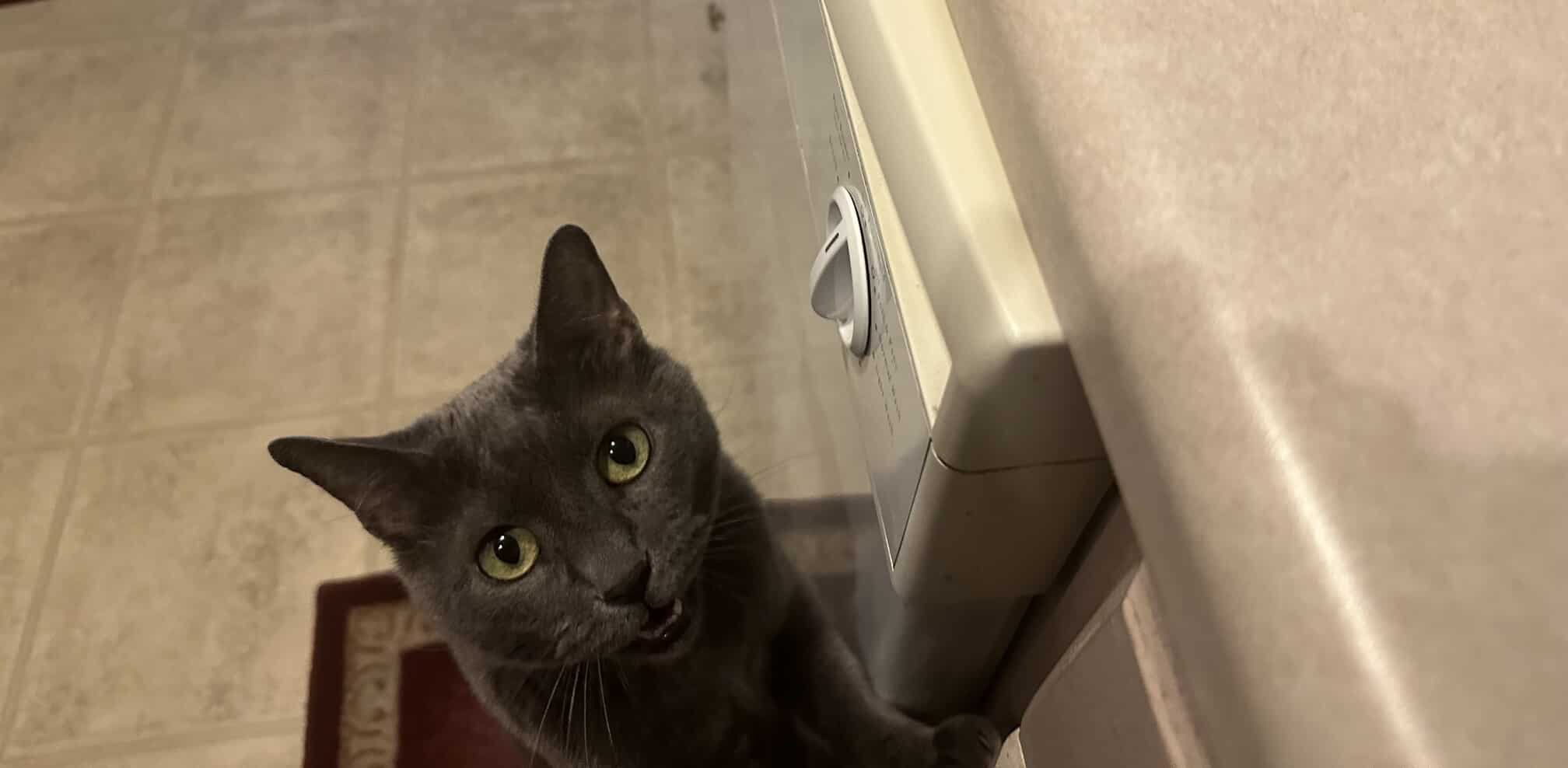
Please feed me. I'm famished.
Please feed me. I’m famished.

divider 2 cats

They may devise a plan to steal a rodent’s carcass from a littermate, but most felines, except those in feral colonies, are solitary hunters. Wild cats don’t need to be manipulative, but housecats have learned to prey on our emotions.

They haven’t been domesticated for as long as dogs, but the recently discovered grave of an 8-month-old cat buried next to their owner in Cyprus suggests cats have been annoying humans for nearly 10,000 years. Like her ancestors, Olga knows how to influence people and makes Dale Carnegie proud.

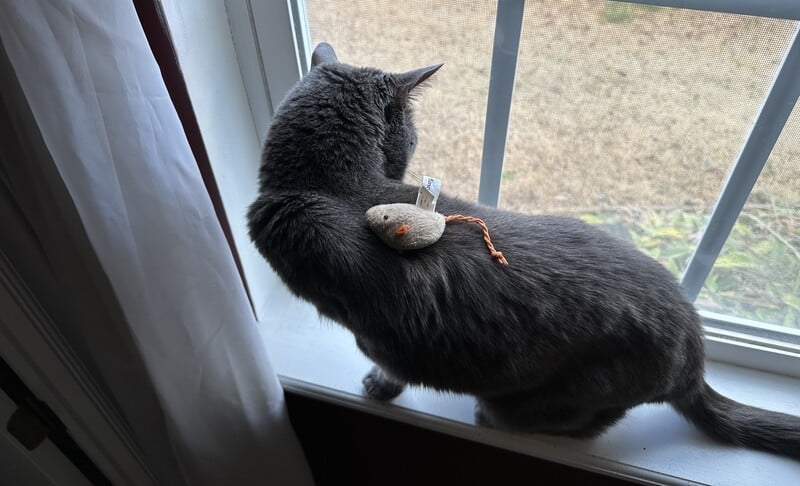
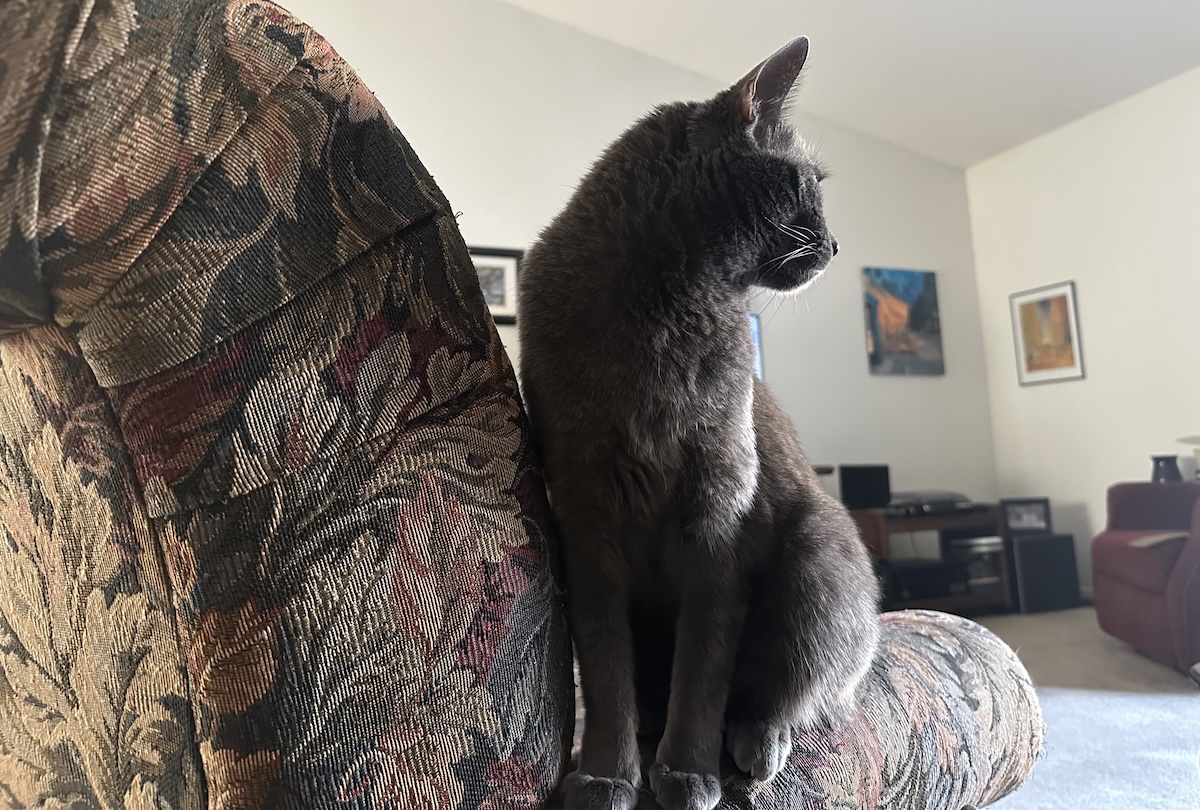
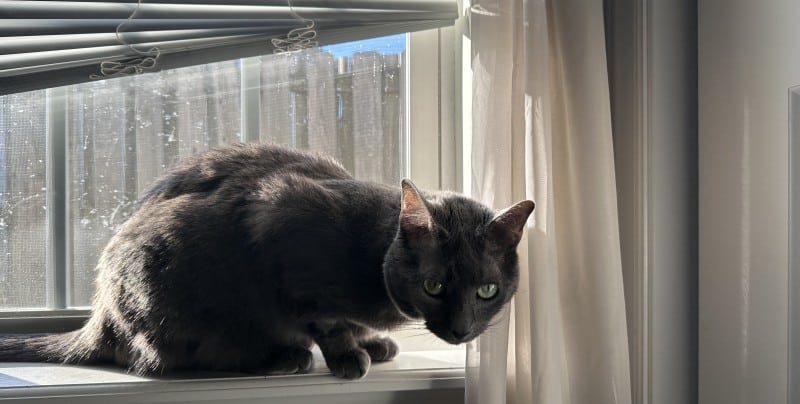
If she wants to sit on the windowsill, she starts by grinding her claws on the wood molding. Then, she stands on her hind legs and hits the blinds. If I don’t open the blinds and let her sit down, she escalates her attack by jamming a paw into the blind and slamming it back and forth into the wall. If I shout or tell her to stop, she backs off momentarily before resuming the mischief.
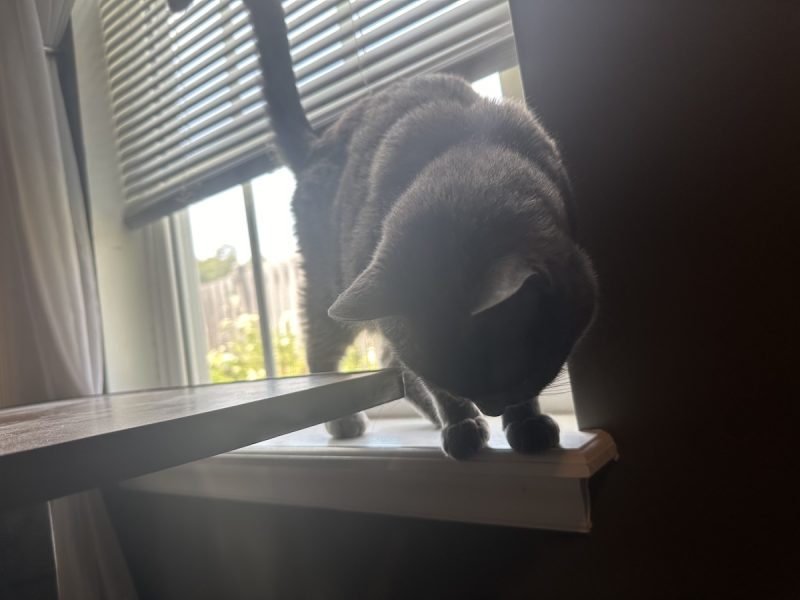
I attacked the blinds; my work here is complete.

She knows I have a breaking point, and even if I chase her away from the window, she won’t relent until I pull the blinds up. Her begging routine is subtle at first, but as her hunger grows, she becomes more impatient and bolder. Her normal dinnertime is around 5 PM, but the subtle begging begins around 2:30. She wakes up from her 10th nap of the day, sits near the entrance to my office, and stares at me.

After an hour of ignoring her, she’ll move closer and sit on the windowsill since it’s to the left of my computer screen. I can see her glare in my peripheral vision when I’m typing, but I’ve learned to ignore her and avoid eye contact. She’ll grunt and stand up if I return her stare, and eventually, she’ll get tired of waiting and find other ways to grab my attention. She’ll run into the bathroom, jump in the bathtub, and howl.

I didn’t think cats were intelligent enough to understand the principles of acoustics, but Olga knows that her voice is amplified when she screams in the tub. Next, she jumps on the sink and knocks my toothpaste or contact lens case on the floor. I respect her for trying the gentle approach before resorting to violence, and while I don’t like to be manipulated by humans, I don’t mind when Olga is devious.

This article is a part of Christopher and Olga's series.

Want content like this delivered to you?

Sign Up For Our Newsletter

News, insights, expert advice, and everything cat

* By submitting, you agree to our Terms & Conditions and Privacy & Cookies Policy.



How useful was this post?

Click on a star to rate (you can leave written feedback after clicking submit)

Help us improve Catster for pet parents!

Your feedback really matters.

What did you like about this post? Also how can we improve it?

Join the conversation

Leave a Reply

You’re very welcome to leave a comment or question. Please know that all comments must meet our community guidelines, and your email address will NOT be published. Let’s have a positive and constructive conversation.


Catster's Digital Magazine is Back!

Vet-approved health & behavior advice

Real cat stories & community features

When a Cat Becomes a Water Fountain – Why Cats Vomit After Drinking

Seeing a cat drink water and then promptly bring it back up can be confusing. Sometimes the explanation is fairly simple, particularly if...

Chatting About Sleeping Positions, Loafing & Cats in Tubes | Chatty Cattys, Episode 33

In this episode of Catster’s Chatty Cattys podcast, Dr. Karyn and Nicole dive deep into the fascinating world of feline sleep behaviors. From...

The Bite Stuff: The Truth Behind a Cat’s Sudden Nip

A cat bite that seems to come out of nowhere is one of the more confusing things a cat owner deals with. Everything...

Your Cat’s Purr Proves They’re One of a Kind

There are few sounds more comforting to a cat parent than the familiar rumble of a purring cat. You probably know your own...

More related

Is Neem Oil Poisonous to Cats? What You Need to Know! Vet-Verified Facts

Neem oil is the current trending natural remedy of the month, being touted for everything from insect repellent to treatment for ringworm. Anecdotes...

7 DIY Cork Cat Toys You Can Make Today: Great Vet-Approved Options

Cats love toys, so if you’re a cat parent, you’ll find yourself collecting a lot of them. The problem? Cat toys can be...

Constipation in Cats: Our Vet Explains the Signs, Causes & Treatment

Everyone poops. There is even a book about it. If you have cats and litter boxes, you’ll be very familiar with how much...

Can Cats Eat Biscuits? Nutritional Risks & Advice

There is no question that cats enjoy human food. In fact, many cats will beg for human food—even if it’s just a nibble....

Keep reading

Are Croton Plants Toxic to Cats? Our Vet-Approved Advice

The croton (Codiaeum variegatum) is a popular houseplant. This leafy, ornamental plant is native to tropical areas but adapts well indoors. But if you have a cat, this isn’t a plant you want in your home. All croton varieties—including evening...

Catster_Are Croton Plants Toxic to Cats

Petting Aggression: Why Cats Bite the Hand They Love & What to Do (Vet-Approved)

You’re sitting there ever-so-innocently petting your beloved feline, and—ouch! That really hurt! Your cat has turned to bite you. Some will flop on their bellies, grab your hand, and kick; others will sound disgruntled as if it were a warning...

aggressive cat biting human hand

How to Introduce a Cat to a Rabbit (5 Vet-Reviewed Tips)

Let’s cut to the bunny chase. Rabbits and cats can live in the same household if all the necessary precautions have been met, but these two species coexist in the wild as a complex predator-prey relationship. This means that it...

Cat and Rabbit

How to Trim the Nails of an Angry or Aggressive Cat (Vet-Approved Guide)

If you ask Mojo, the cat, about his favorite pastimes, nail trims would definitely NOT be on the list. Sleeping and eating are favorite pastimes, but nail trims are not. Mojo is a tough-looking former stray who now holds court...

How to Treat Ringworm in Cats (6 Vet-Approved Tips)

Ringworm is a common fungal disease in mammals that can cause discomfort and irritation in cats. You can determine if your cat has ringworm by going to a veterinarian and having them complete a physical exam and any testing needed....

scottish fold cat checked by vet

Can Cats Get Pink Eye? Vet Reviewed Facts & FAQ

A common eye condition cats can develop is conjunctivitis, more commonly known as pink eye. Every cat owner should know about the signs of pink eye and when to contact their vet. Although humans can contract conjunctivitis, they rarely catch...

Why Do Cats Fake Sleep? 7 Vet-Reviewed Possible Reasons

Cats sleep an average of 12 to 16 hours a day, which may seem like a lot of time compared to humans, but the busy little felines need a lot of rest. However, have you ever noticed your cat stretched...

cat-sleeping-with-their-face-down

10 Vet Reviewed Facts About Cat Anal Glands

If you’ve ever noticed a stinky, fishy smell coming from your cat or a swelling next to their anus, then you’ve likely noticed their anal glands. The anal glands contain chemicals that act as territory markers, although they do serve...

vet checking up a cat

Love Cats? So Do We! Join the Catster Community

Stay informed with expert pet care insights delivered straight to your inbox! Discover professional guidance on animal behavior, feeding tips, trusted product picks, and much more.


Sign up for the Catster Email Newsletter

Stay informed with expert pet care insights delivered straight to your inbox! Discover professional guidance on animal behavior, feeding tips, trusted product picks, and much more.