Get

In Your Inbox

Catster is reader-supported. When you buy via links on our site, we may earn an affiliate commission at no cost to you. Learn more.

How to Use Cat Litter Deodorizers: 5 Vet-Approved Tips & Guidelines

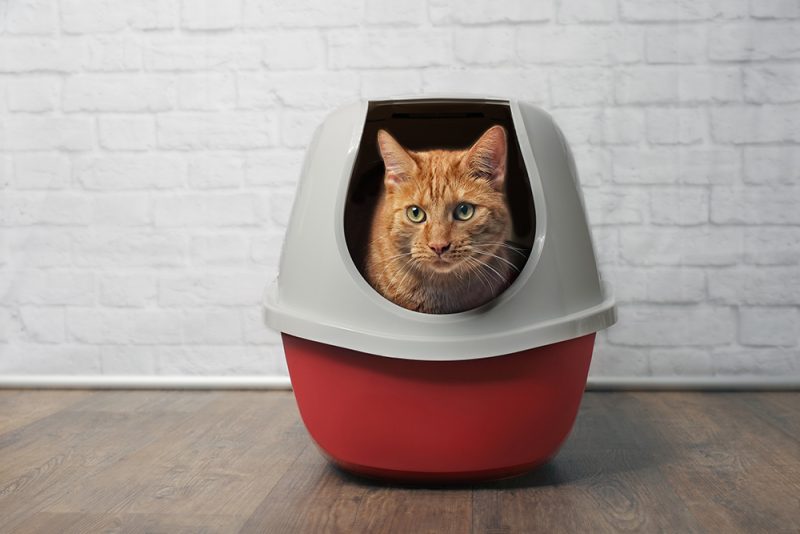
orange cat beside litter box

It can be hard to mask the smell of cat litter when you share your life with cats. The last thing you want to do is walk in the door and inhale that intense, distinct odor. Many people resort to scented litter or air fresheners to cover up the litter box odors.

Scented litter can sometimes be problematic since the fragrance can deter cats, and some brands aren’t very effective at removing odors. That’s where a litter deodorizer comes in. If you are ready to try this approach, keep reading for tips and tricks on using cat litter deodorizers.

divider 2 cats

The 5 Tips for Using Litter Deodorizer

1. Make Sure the Litter Box Is Empty

When you are ready to use a litter deodorizer to help you control odors, you will want to start with a clean slate. First, you should empty your litter box of all the contents and dispose of the old litter accordingly. Make sure to scrape off the sides and remove any leftover litter or waste.


2. Wash Your Litter Box Thoroughly

After you have everything cleaned out, it is time to thoroughly wash the box. Using hot water will work fine unless the box has a residual smell, but you can add dish soap to help you remove stubborn stains.

Scrub it as needed, and rinse it thoroughly. Once it has been rinsed, ensure the inside and outside are completely dry before you do anything else.

Our Favorite Enzyme Cleaner 

The Hepper Advanced Bio-Enzyme Pet Stain & Odor Eliminator Spray is our favorite enzyme cleaner out there. It permanently removes even the very worst kitty stains and smells, leaving your home fresh and clean! Click here to learn more about this amazing product and get yourself a bottle.

Hepper Advanced Bio-Enzyme Pet Stain & Odor Eliminator Spray
  • ADVANCED ENZYMATIC CLEANER - Penetrates the most stubborn smells and stains at the deepest molecular...
  • FOR ANY MESS, ON ANY SURFACE - This pet odor eliminator cleans your carpets, floors, furniture,...
  • FRESH, NATURAL ODOR - Our unique formulation doesn't rely on dangerous or unpleasant chemical...

At Catster, we’ve admired Hepper for many years, and decided to take a controlling ownership interest so that we could benefit from the outstanding products of this cool cat company!


3. Cover the Bottom of the Empty Litter Box With the Deodorizer

Once your litter box is clean, you can add the deodorizer to the bottom of the box. However, you need to read the instructions for the deodorizer you purchased to determine how much to add. Since several varieties are available, the instructions may not be the same for each one.

If you're dealing with stubborn smells in your litter box or elsewhere in your house, a good cat litter deodorizer can work wonders.

Hepper Advanced Bio-Enzyme Cat Litter Deodorizer Powder
  • Bio Enzymatic Cat Litter Freshener - Smart formulation uses natural ingredients eliminating cat...
  • Save Money - Stuff for cats isn’t the cheapest. With this litter box odor eliminator, you’ll...
  • Every Litter, Every Surface - Are you afraid this additive won’t work on your litter? Fear not!...

We recommend Hepper's Advanced Bio-Enzyme Cat Litter Deodorizer, an all-natural litter additive that fights odors using bio-enzymes. This effective deodorizer is fragrance-free and works on all types of cat litter. It's also effective anywhere you have lingering odors, including diaper pails, garbage cans, and kennels!

At Catster, we’ve admired Hepper for many years and decided to take a controlling ownership interest so that we could benefit from the outstanding designs of this cool cat company!


4. Add in Your Litter

After adding the deodorizer, fill the box with several inches of litter. It is a good idea to use a high-quality cat litter that does well at controlling odors. That isn’t always possible, but most cat litter deodorizers can be added to any type of litter.


5. Monitor Your Cat

Cats have sensitive noses and can easily pick up a different smell coming from their litter box. Though some cats don’t mind this, others may be opposed to it and refuse to use their litter box. It is important to keep an eye on your cat after adding a deodorizer to their litter box to ensure that your cat agrees with the change.

Domestic ginger cat looking at litter box
Image Credit: Duet PandG, Shutterstock

divider 2 cats

Types of Cat Litter Deodorizers

Powder

The most common form of litter deodorizer is powder. The powders are made primarily of baking soda since it has powerful odor-neutralizing effects. They also contain other ingredients, like fragrance.

Powdered deodorizers are poured directly into the litter box and mixed in with the litter. Most cat owners would agree that the powder is the most effective type, which is likely why it is so popular.

Granules

Some cat litter deodorizers come in granules, which are much larger particles than the powder. They are designed to draw the waste away from the litter. For the most part, granule-type litter box deodorizers are made from minerals and tend to be fragrance-free, though that’s not always the case.

Gel Beads

Gel beads are another form of litter deodorizer, and only a few large beads need to be dropped into the box at a time. They don’t create dust but are not as effective as the other varieties.

Spray

Spray deodorizers are much rarer and made with fragrances that can sometimes be overpowering. Most sprays are meant to be used all over the house to help mask odors. Be careful not to spray too much in the litter box because it will add more moisture.

divider single cat paw oct 2024

Conclusion

Knowing how to properly use cat litter deodorizers is important so that you can best control nasty litter smells. There are several types of litter deodorizers, but it’s wise to research the brands to determine which are very effective products and which ones you should avoid. If your cat dislikes deodorizers and scented litter, you can scoop out the waste more often to reduce odors.


Featured Image Credit: jamesjoong, Shutterstock

Want content like this delivered to you?

Sign Up For Our Newsletter

News, insights, expert advice, and everything cat

* By submitting, you agree to our Terms & Conditions and Privacy & Cookies Policy.


How useful was this post?

Click on a star to rate (you can leave written feedback after clicking submit)

Help us improve Catster for pet parents!

Your feedback really matters.

What did you like about this post? Also how can we improve it?

Join the conversation

Leave a Reply

You’re very welcome to leave a comment or question. Please know that all comments must meet our community guidelines, and your email address will NOT be published. Let’s have a positive and constructive conversation.


Talk With A Vet Online

Peace of mind,
anywhere, anytime

Affordable vet advice

How to Stop a Cat From Killing Birds: 9 Vet-Reviewed Methods

Your house cat might seem like a big pushover when they’re snuggling on your lap, but those hunting instincts are often just below...

How to Tell if Cat Mating Was Successful: 9 Signs to Look For

If you have an unspayed female cat, she can become pregnant very easily. Your cat’s estrus cycle shares some similarities to a human’s...

Calico Maine Coon Cat Breed: Info, Pictures, Temperament & More

Are you in the market for a colorful, sweet feline that is as soft and fluffy as your favorite blanket? The Calico Maine...

My Cat Ate Dog Dewormer! Here’s What to Do (Vet Answer)

Thankfully, dog dewormers are not inherently toxic to cats. However, the potential issue is whether a cat has eaten too much of the...

More related

Sable Burmese Cat: Info, Facts, Pictures & History

Whether you’re a cat person or not, it is hard to deny the appeal of a sable Burmese cat. The original color of...

Does Cold Weather Kill Fleas on Cats? Vet Approved Advice

Do fleas die in winter or cold weather? According to Athens Animal Wellness Center1, fleas can survive for up to 5 days in...

Words Your Cat Understands: Olga’s Language Skills

Hi, I’m Christopher! Read my introduction to learn more about me and my silly Russian Blue cat, Olga. Felines aren’t usually admired for...

My Cat Is Addicted to Treats, What Can I Do? (Vet Answer)

It is no secret that cats love treats. The pet treat industry is a big one, and the manufacturers sure know what they...

Keep reading

Can Cats Eat Cherries? Vet-Reviewed Risks & Precautions

Cherries are a perennial favorite for late summertime, and for good reason. They’re tasty and come in both tart and sweet varieties. They can be eaten alone or used as an ingredient to bring out flavors in sweet and savory...

Can Cats Eat Cherries

Can Cats Eat Pork? Vet-Verified Facts & FAQ

Cats are obligate carnivores and get all the nutrition they need from eating other animals. In the wild, you won’t find cats eating fruits or vegetables. This might leave you wondering why you don’t see many cat foods listing pork...

Can Cats Eat Pork

Can Cats Eat Bologna? Vet-Verified Nutrition Facts & Risks

You may not be able to make a bologna sandwich without your cat meowing at your feet, begging for some. Bologna has a strong scent that some cats find irresistible. Since bologna is made from meat, it might seem fine...

Can Cats Eat Bologna

Does My Cat Have Asthma Or a Hairball? Vet-Approved Main Differrences

If your cat has been coughing and gagging, you may wonder about the possible causes, including asthma and hairballs, and if there’s a way to figure out the difference. While asthma and hairballs can cause cats to cough, the two...

vet giving medicine to a cat

What Do Feral Cats Eat in The Wild? Vet Reviewed Facts & FAQ

Feral cats aren’t domesticated, prefer living outdoors, and often avoid human contact. They are normally considered mesopredators in their ecosystems and are most active after dusk. In addition, since they reproduce rapidly and are skilled hunters, conservationists find them devastating...

cat hunting a rat

Why Does My Cat Knock Over the Water Bowl? 5 Vet-Verified Reasons & What to Do

You’ve heard that cats don’t like water, so you might wonder why your cat likes to dip their paws in their water or dump water over their water bowl continually. Some cats are actually curious about the water, especially as...

bengal cat playing water in the bowl

Do Neutered Cats Spray? Vet-Reviewed Behavior

Cats are wonderful companions, but they do exhibit some quirks that must be dealt with accordingly. One common problem among cat-owning households is spraying, or urine marking. This can be frustrating, smelly, and a real hassle to clean up. While...

black male cat spraying at the garden

Why Do Cats Cover Their Face When They Sleep? 5 Likely Reasons (Vet-Verified)

Cats are adorable when they sleep, which is good because they spend so much time snoozing throughout the day and night. You have undoubtedly noticed cats cover their eyes when they sleep and might be wondering this is normal behavior...

cat covering face

Love Cats? So Do We! Join the Catster Community

Stay informed with expert pet care insights delivered straight to your inbox! Discover professional guidance on animal behavior, feeding tips, trusted product picks, and much more.


Sign up for the Catster Email Newsletter

Stay informed with expert pet care insights delivered straight to your inbox! Discover professional guidance on animal behavior, feeding tips, trusted product picks, and much more.