Get

In Your Inbox

Catster is reader-supported. When you buy via links on our site, we may earn an affiliate commission at no cost to you. Learn more.

My Cat Is Pressing Their Head Against Me, Should I Worry? Vet-Approved Facts, Causes & Care Tips

Girl butting heads with her ginger cat

Cats show their affection in funny ways, including rubbing or head-butting you or other pets. They like to rub or bump their head and faces against objects to mark their scent and show love.

If your cat is pressing their head against a wall or object, however, it can be a cause for concern. Learn the difference between affectionate head rubbing and head pressing and what you should do about it below.

divider 1 paws

Why Do Cats Rub Their Heads on Everything?

Cats have scent glands on their cheeks and heads, which they can deposit to provide other cats with information about them. They can leave their scent on you, the family dog, furniture, and more to establish their territory, create familiarity, and much more, which is one of the reasons your cat likes to rub their face and head on you.

Head rubbing or head butting—which is called “bunting”—is also a sign of bonding. In the process of transferring their scent, your cat is claiming you as a “safe zone” that they trust. Typically, this is a gentle head butt followed by a rub or simply a rub.

However, it’s important to differentiate between bunting and head pressing, which is a sign of an underlying disease.

If you’re concerned about your pet’s well-being, we recommend consulting a veterinarian.

If you need to speak with a vet but can't get to one, head over to PangoVet. It's an online service where you can talk to a vet online and get the advice you need for your pet — all at an affordable price!

PangoVet_Mention-in-Content for PangoVet2 save money

What Is Head Pressing?

cat ruubing head on his owner's leg
Image By: Gordana Sermek, Shutterstock

Head pressing is when a cat presses their head against a wall or another object without a clear reason. Unlike the headbutt or rub, they will press their head into the object compulsively and may seem confused or disoriented. This is a sign of an underlying disease.

Head pressing is not a disease in itself but an indication of one. You may notice other disturbing signs, including:

  • Abrupt behavioral changes
  • Vision changes
  • Compulsive meowing, often for no apparent reason
  • Pacing
  • Circling
  • Poor coordination
  • Poor reflexes
  • Disorientation
  • Seizures

Causes of Head Pressing

Head pressing is a sign of issues with the nervous system. This can be caused by:

  • Encephalitis: This is an inflammation of the active tissues of the brain.
  • Metabolic disorders: Metabolic disorders that cause too much or too little mineral concentration in the blood can cause neurological signs like head pressing.
  • Infection: Nervous system infections can cause head pressing.
  • Liver shunts: If the blood vessel leading to the liver goes to the heart instead, bypassing the liver, the body can’t filter out toxins effectively, which may lead to signs like head pressing.
  • Advanced Kidney Disease: advanced stages of kidney disease can affect the nervous system, leading to head pressing sometimes.
  • Toxicity: Cats can eat poisonous substances like certain plants, household cleaners, or medications, leading to toxicity and neurological signs.
  • Traumatic brain injury: Brain injuries in cats can be caused by seizures, heart disease, or accidents.
  • Tumors: Though somewhat rare, brain tumors can occur in cats and may cause neurological signs.
Image By: PRESSLAB, Shutterstock

Treatment of Head Pressing

If you notice head pressing, especially combined with other signs of underlying disease, it’s crucial to schedule an exam with a vet. Depending on the possible cause, a vet may check your cat’s vision, screen for infectious disease, check blood values, and test urine. More advanced testing, such as a CT or MRI, may be needed to check the brain.

Head pressing is not a disease in itself but a sign of one. Treating head pressing relies on treating the underlying cause, which can vary.

Unfortunately, most of the causes of head pressing can be very serious. A vet will be able to help you determine your best treatment options and prognosis.

divider 1 paws

Conclusion

Head butting or head rubbing is an odd and endearing behavior that many cats use to claim you as their own and show affection. However, head butting can be confused with head pressing, which is a concerning sign of possible underlying diseases. If you notice head pressing, it’s important to schedule an exam with a vet as soon as possible.


Featured Image Credit: Sari ONeal, Shutterstock

Want content like this delivered to you?

Sign Up For Our Newsletter

News, insights, expert advice, and everything cat

* By submitting, you agree to our Terms & Conditions and Privacy & Cookies Policy.


How useful was this post?

Click on a star to rate (you can leave written feedback after clicking submit)

Help us improve Catster for pet parents!

Your feedback really matters.

What did you like about this post? Also how can we improve it?

Join the conversation

Leave a Reply

You’re very welcome to leave a comment or question. Please know that all comments must meet our community guidelines, and your email address will NOT be published. Let’s have a positive and constructive conversation.


Talk With A Vet Online

Peace of mind,
anywhere, anytime

Affordable vet advice

My Cat Is Holding Their Paw Up When Sitting: Vet Reviewed Facts & FAQ

Our kitties are constantly warming our hearts with their hilarious antics. It seems they are always making a strange noise or learning new...

Why Do Cats Have a Henry’s Pocket? What Is It For? Vet-Verified Info

Henry’s Pocket is the little flap of flesh you see on the outer part of a cat’s ear. Cats’ outer ears resemble triangles...

What Is High-Rise Syndrome? Cat Balcony Safety Explained

Cats have a way of turning a clumsy fall into a graceful landing by hitting the ground on all fours with their dignity...

Cat Brain Development: From Kitten to Adult (An Overview)

When I put away groceries, my cat, Phillip, studies my activities carefully, following me from the pantry to the refrigerator and back again....

More related

6 Reasons Your Cat Kneads and Purrs: Vet-Approved Facts

Cats knead for various reasons, from showing affection to soothing themselves, and nothing beats being on the receiving end of sweet kitty affection!...

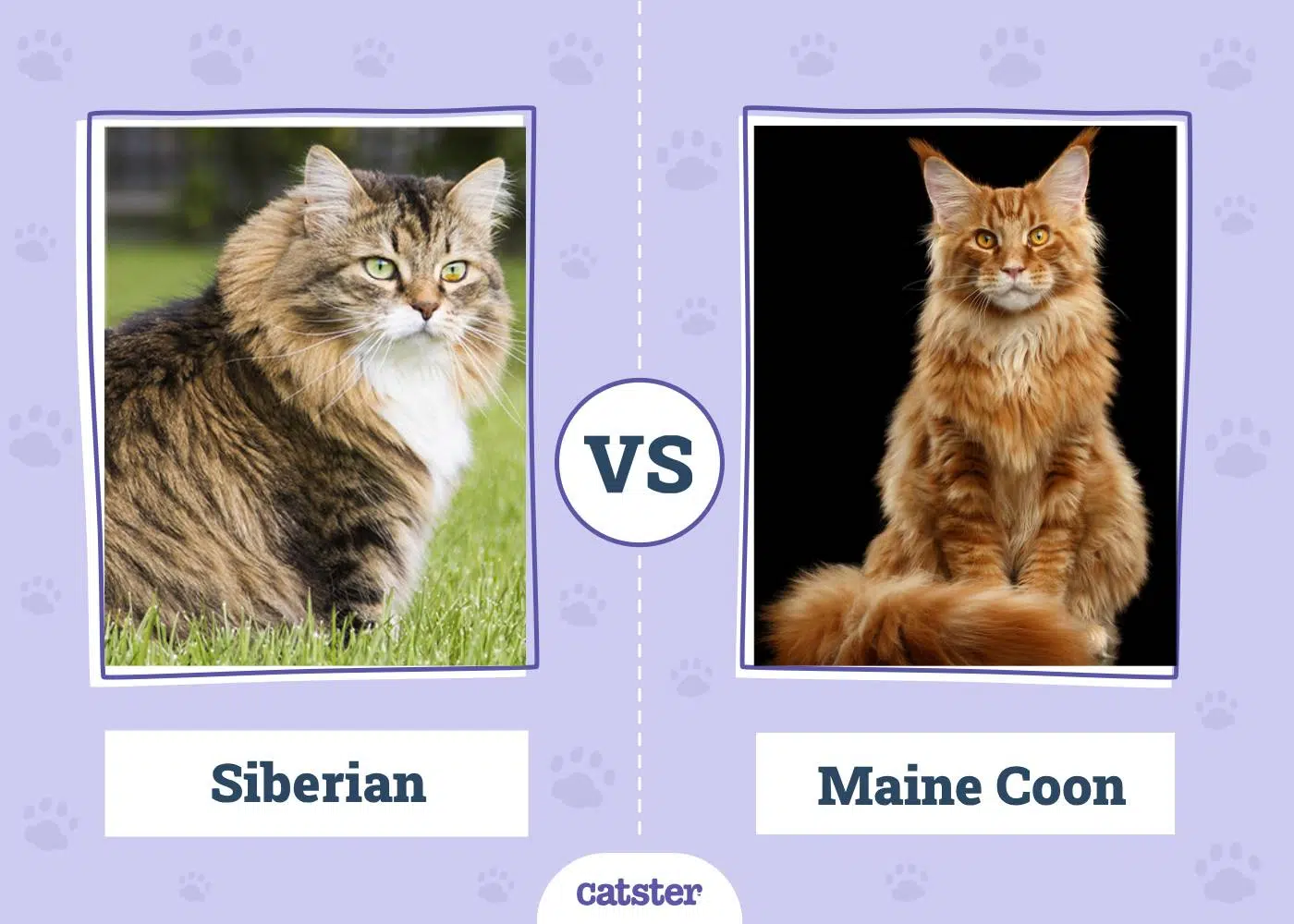
Siberian Cat vs. Maine Coon: What’s the Difference? (With Pictures)

If you’re planning on adding a new kitten to your family, you might be researching to see which breed will suit you best....

How Do I Give CPR to a Cat? Vet-Verified Step-by-Step Guide

Performing a feline cardiopulmonary resuscitation (CPR) is a procedure every veterinarian and technician master, but likely not every cat companion. CPR is used...

National Black Cat Appreciation Day: When Is It and How Is It Celebrated?

There’s no better time than National Black Cat Appreciation Day to do away with the old superstition that black cats bring bad luck....

Keep reading

Does Vacuuming Kill Fleas on Cats? Vet-Reviewed Facts & Advice

Cats are beautiful creatures, but the fact that they have bodies full of fur cannot be ignored. Some have short hair that rarely needs to be brushed, while others must be brushed daily. No matter the cat’s fur type, we...

cat near vacuum

Insect-Based Cat Food: Vet-Reviewed Pros, Cons & FAQs

You may have heard about the recent trend of pet food made with insects rather than more conventional animal protein. While this might sound gross to you, our pets won’t worry about eating this new kind of food. After all,...

cat sniffs the creeping May bug

How Tight Should a Cat Collar Be? Vet-Approved Sizing & Tips

Choosing the right collar for your cat is vital to keep them safe, but once you’ve got their shiny new collar, how tight should it be? This is a question that many cat owners ask. In brief, you should be...

cat collar

Do Cats Get Lonely When You Go on Vacation? Vet-Verified Facts & Info

It can be easy to buy into the idea that cats are antisocial, aloof creatures. After all, most cats spend a good part of their time alone, whether under your bed, in a closet, or in some other hiding spot....

Man checking flight details at the airport

Why Do Cats Eat Their Vomit? Cat Behavior Explained!

Cats can often display behavior that is utterly baffling to their human companions. A common cat behavior that people tend to find odd is eating vomit. Many people have seen their cats chowing down on a pile of food that...

Munchkin cat eating

9 Best Cat Toys for Exercising Your Cat (2026) – Reviews & Top Picks

We often think of dogs as needing a lot of exercise, but it is also true that cats need a workout just as much. Keeping your feline energized, stimulated, and at a healthy weight is important for their overall well-being....

Hepper Plush Mouse Kicker Toy

Do You Have an Aggressive Cat? Vet-Reviewed Triggers and Management

While cats are generally well-behaved, sometimes their conduct can cause you to think,” My cat is a brat,” especially when there’s aggressive behavior involved. Aggression is a normal survival behavior in cats. It allows them to defend themselves, establish boundaries,...

an aggressive tuxedo cat in white background

6 Vet-Approved Natural Home Remedies to Treat Scabs on Cats

Frequent and persistent scabbing on your cat’s body is not normal. Keep track of where the scabs appear on your cat’s body and schedule a visit to your veterinarian immediately once you notice them. Treatment of the cause varies widely...

Close up of a rash or Diagnosis of scabies or Dermatological diseases on the skin of the cat's ears

Love Cats? So Do We! Join the Catster Community

Stay informed with expert pet care insights delivered straight to your inbox! Discover professional guidance on animal behavior, feeding tips, trusted product picks, and much more.


Sign up for the Catster Email Newsletter

Stay informed with expert pet care insights delivered straight to your inbox! Discover professional guidance on animal behavior, feeding tips, trusted product picks, and much more.