Bengal Savannah Cat Mix: Info, Pictures, Temperament & Traits

Breed Overview
Height:
Weight:
Lifespan:
Colors:
Suitable for:
Temperament:
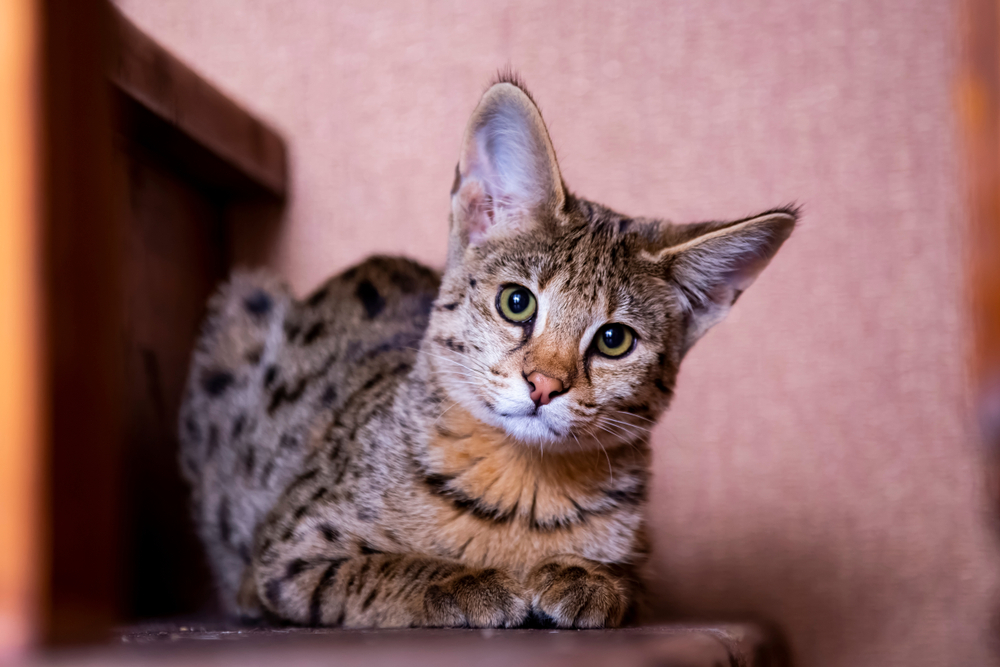
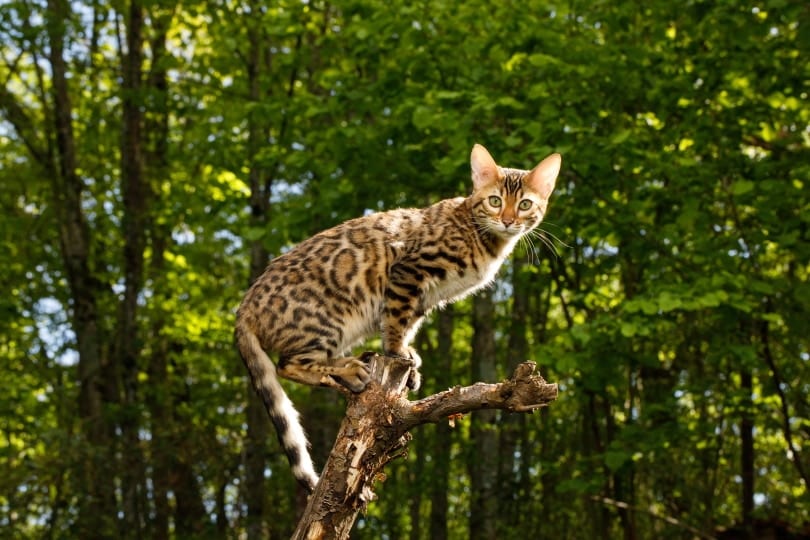
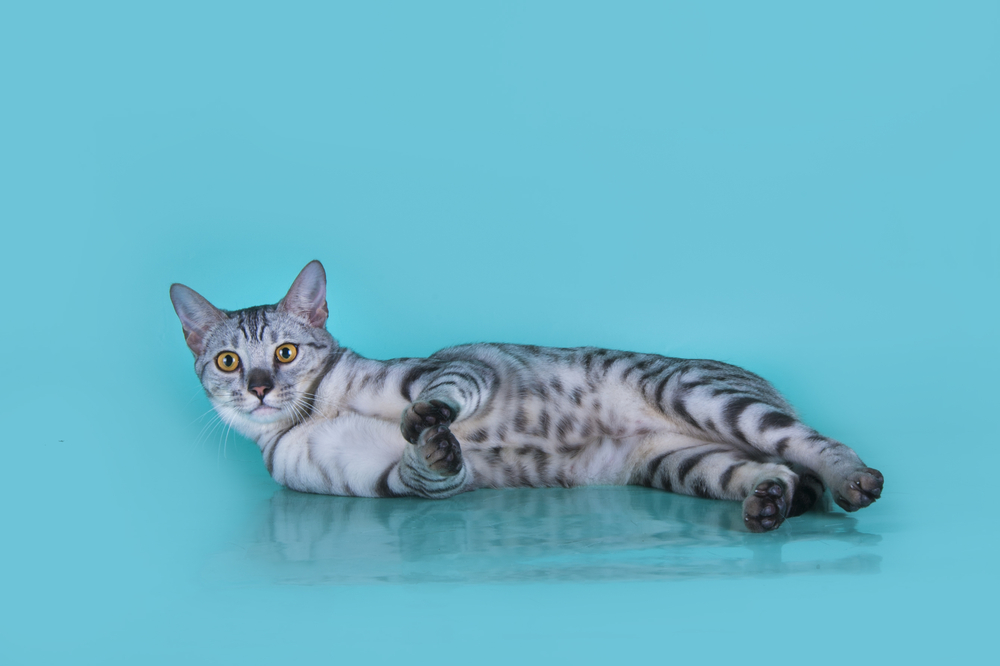
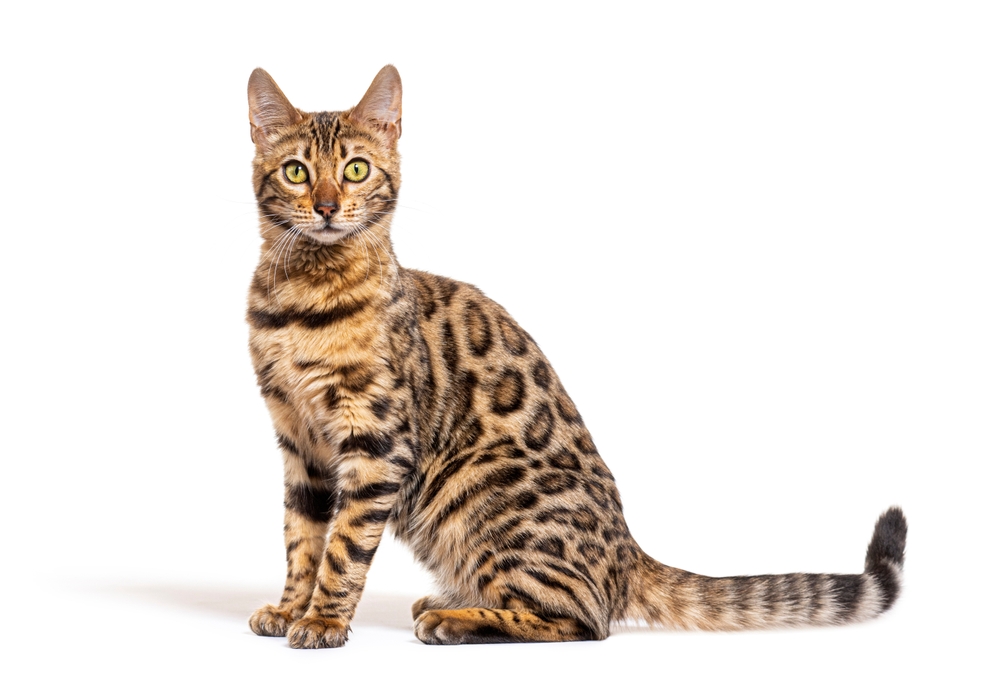
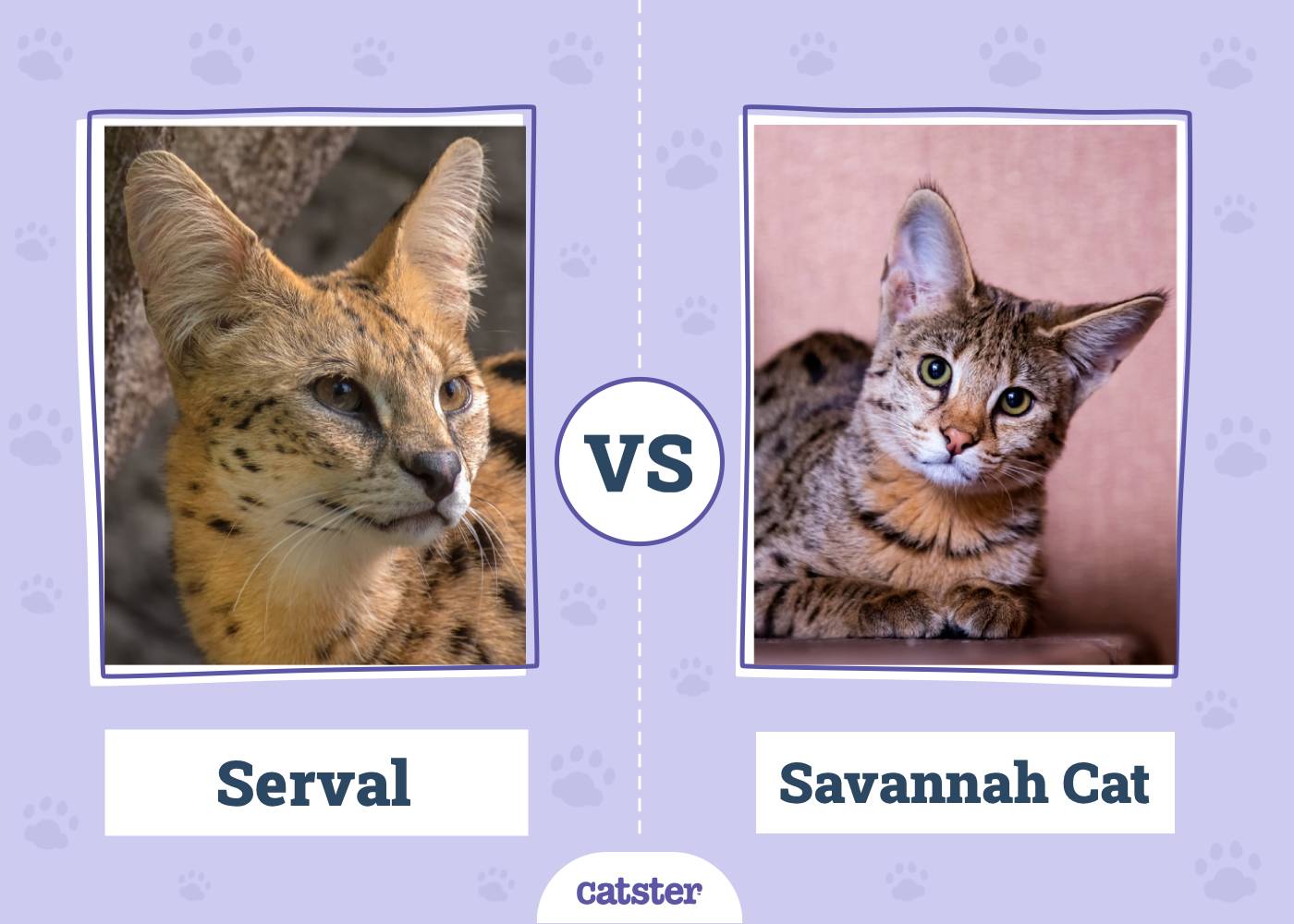
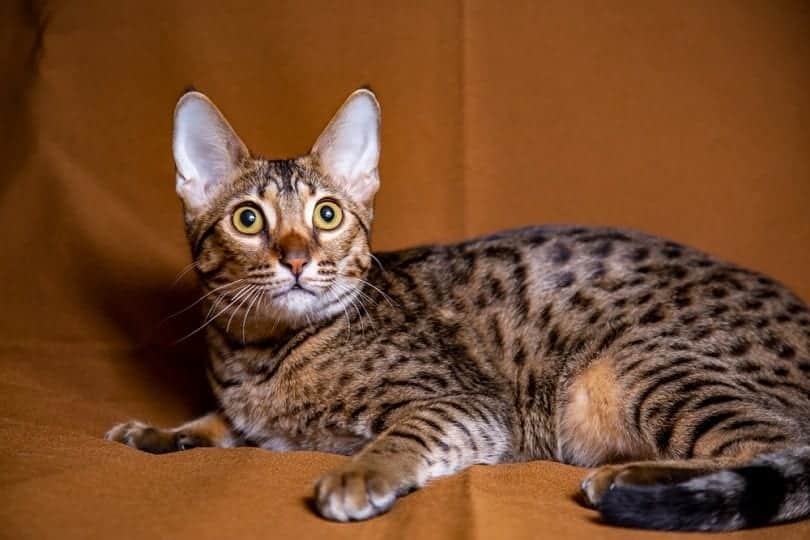
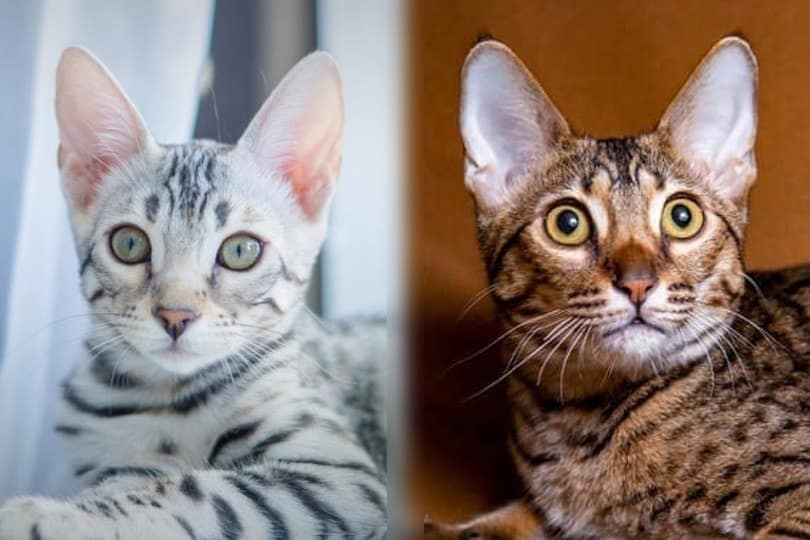
The Bengal Savannah mix is an especially unique cat. Bengal cats are descendants of wild Asian leopard cats, while Savannahs have wild Serval in their ancestry. This combination of two exotic cats creates an extraordinary mix beloved for their affectionate nature. The Bengal Savannah enjoys spending time with their pet parents and is energetic enough to wear out the entire family during playtime.
If bringing a Bengal Savannah cat home is on your mind, you will surely want to know more about the cost, the temperament, and the level of care associated with the breed. Read on to learn more about the remarkable feline.

Bengal Savannah Kittens – Before You Get One…
3 Little-Known Facts About Bengal Savannah Cats
1. Your Bengal Savannah May Be an Excellent Jumper
They may be an incredible jumper depending on how much the Bengal Savannah takes after the Savannah side. Savannah cats can jump to the incredible height of 8 feet! If you plan on using baby gates to keep your Bengal Savannah out of certain rooms, you may need to think again.
2. Bengal Savannah Cats Love Water
The stereotypical cat will avoid water at all costs, but both Bengal and Savannah cats love water. They love it so much that they might hop in the bath with you! Since both the Bengal and the Savannah love water, it makes sense that the Bengal Savannah would be just as eager to go for a swim. Unfortunately, this also means the cat is unafraid to dip their paw in your aquarium to terrorize the marine life.
3. Bengal Savannahs Can Have Extremely Long Tails
Some Bengal Savannahs are as long as 2 feet, with their tail making up a third of their length. That’s an incredibly long tail!

Temperament & Intelligence of the Bengal Savannah Cat 🧠
The temperament of a Bengal Savannah can be somewhat unpredictable since Bengal cats are known for being hyperactive, while Savannahs tend to be more relaxed. Depending on which side your Bengal Savannah mix takes after the most, it may influence how lively they are.
However, it is safe to expect that the cat will be energetic. If you buy interactive toys, you and your Bengal Savannah can play together and bond. The Bengal Savannah mix is also known for its intelligence, as both the Bengal and the Savannah are remarkably clever.
They are also curious cats that constantly search for adventure and entertainment, and they are very affectionate. Although they may be too energetic to sit and cuddle for a long time, there will be moments when your Bengal Savannah snuggles with you.
Are These Cats Good for Families? 👪
The Bengal Savannah mix is excellent for families. They may be shy at first, and proper socialization and training will be necessary to ensure they accept everyone in the household. But their affectionate nature will shine through once they grow accustomed to their new family.
If young kids are in the house, teaching them boundaries with the Bengal Savannah will be essential. They rarely enjoy being held against their will since their energy levels are so high. However, they can be taught to do fun tricks, which can be very entertaining for children.
Does This Breed Get Along with Other Pets? 🐶🐱
Bengal and Savannah cats are known to be welcoming to other pets, but that does not mean there are no challenges when introducing a new pet. A Bengal Savannah’s response to a new pet will vary depending on which traits they lean towards, but it is essential to be aware of the Bengal and Savannah influence over the mix.
Bengals have a high prey drive, and Savannahs can be territorial. Smaller animals, like gerbils and reptiles, are less compatible with a Bengal Savannah, and the Bengal’s prey drive may encourage them to try and make a meal out of their new roommate.
Proper socialization and introductions will be necessary between the new pet and the Bengal Savannah; the Savannah’s territorial nature may make them wary of newcomers. In the end, each situation will vary depending on your Bengal Savannah’s personality and the other pet you are introducing.
Things to Know When Owning a Bengal Savannah Mix:
Before bringing a Bengal Savannah into your home, you should know the breed’s dietary requirements, activity levels, training needs, grooming, and health conditions.
Food & Diet Requirements 🐡
Bengal Savannahs require plenty of calories and may need to be fed more than the average house cat. Since they are active cats, they need to maintain lean muscle and keep their energy levels high. The best food to feed your Bengal Savannah will be a high-quality kibble or wet food that is high in protein and low in carbs.
Some Bengal Savannah owners feed their cats a raw diet. Whether or not you want to provide your cat with a raw diet is up to you, but be aware of the benefits and risks of the raw diet.
Monitoring your Bengal Savannah’s diet is especially important since the cat is prone to obesity. If your cat starts to gain too much weight, limit the food you offer and add more exercise to their daily routine.
Exercise 🐈
There is a chance that your Bengal Savannah adopts the Savannah’s laid-back nature more than the Bengal’s high-energy needs, but your Bengal Savannah will still be very lively.
They require more exercise than the average cat. If they cannot burn off some energy, they will try to do it themselves, with potentially disastrous results.
Training 🧶
The Bengal Savannah is intelligent. This will make it much easier to train the cat, but it will also mean you must provide them with plenty of mental stimulation. If they grow bored, they may become destructive.
Bengal Savannahs can be trained to do fun tricks or walk outside with a leash. They are curious cats that enjoy learning new things, and training them can be a great way to keep them entertained.
Grooming ✂️
Typically, a Bengal Savannah should be brushed once per week and bathed occasionally. Depending on which ancestor they take after the most, you may need to groom them more often. The longer your Bengal Savannah’s fur, the more often they'll need to be brushed.
Health and Conditions 🏥
Bengal Savannahs are a healthy mixed breed. However, like any cat, they can be predisposed to certain conditions.
Serious Conditions:
Although they're generally healthy, the Bengal Savannah are susceptible to hip dysplasia, heart disease, and respiratory problems. Hip dysplasia is the irregular development of the joints in the hip. It can lead to unaligned hips and discomfort. If your cat is unwilling to jump to high surfaces, not using the litter box, or walking with an odd gait, hip dysplasia may be the cause.
Heart disease makes it difficult for your cat’s heart to pump blood to the rest of their body. It can be a condition your cat is born with, or it may be acquired over their lifetime.
There are several respiratory issues that a Bengal Savannahe can develop. When a health condition prevents the respiratory system from functioning properly, your cat can experience severe life-threatening consequences.
Minor Conditions:
Like any cat, your Bengal Savannah may be susceptible to the common ailments cats face. These include feline lower urinary tract diseases, tapeworms, conjunctivitis, and more.
Male vs Female
For the most part, there are few differences between the male and female Bengal Savannah. The male Bengal Savannah is typically larger than the female, but that isn't always the case.
Final Thoughts
The Bengal Savannah mix is an excellent breed for anyone who can keep up with the energetic and curious cat. Bengal Savannahs are affectionate, clever creatures with gorgeous coats and interesting quirks, making them stand out among other felines. If you are interested in a Bengal Savannah for your home, find a reputable breeder or search your local animal shelter to see if there is a Bengal Savannah to adopt.
Related Read: Safari Cat: Breed Info, Pictures, Traits & Care Guide
Sources
Featured Image Credit: Left - MaryBog, Shutterstock; Right - kuban_girl, Shutterstock

Expert cat care, straight to your inbox
Vet-reviewed advice, behavior tips, and the best of Catster. Free, and you can unsubscribe anytime.
By signing up, you agree to our Terms & Conditions and Privacy & Cookies Policy.
Cats are Jordyn’s passion. Whenever she has the opportunity she loves to learn about animals and share her knowledge with everyone. She is devoted to her sassy tabby cat named Jack and works hard to buy him his favorite treats and toys. Discovering new ways to better care for her cat is always on her to-do list, and she is eager to help pet parents everywhere. In Jordyn's spare time, she loves to write, read, and take long walks. She has a creative spirit, which often helps her to come up with funny cat names.
Join the conversation
Ask a question, share your story, or send private feedback.