Safari Cat Breed: Info, Pictures, Care Guide & More
In this article
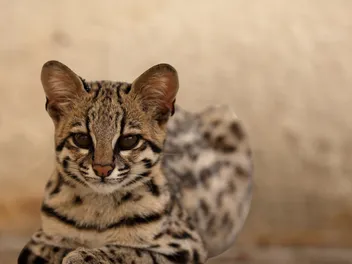
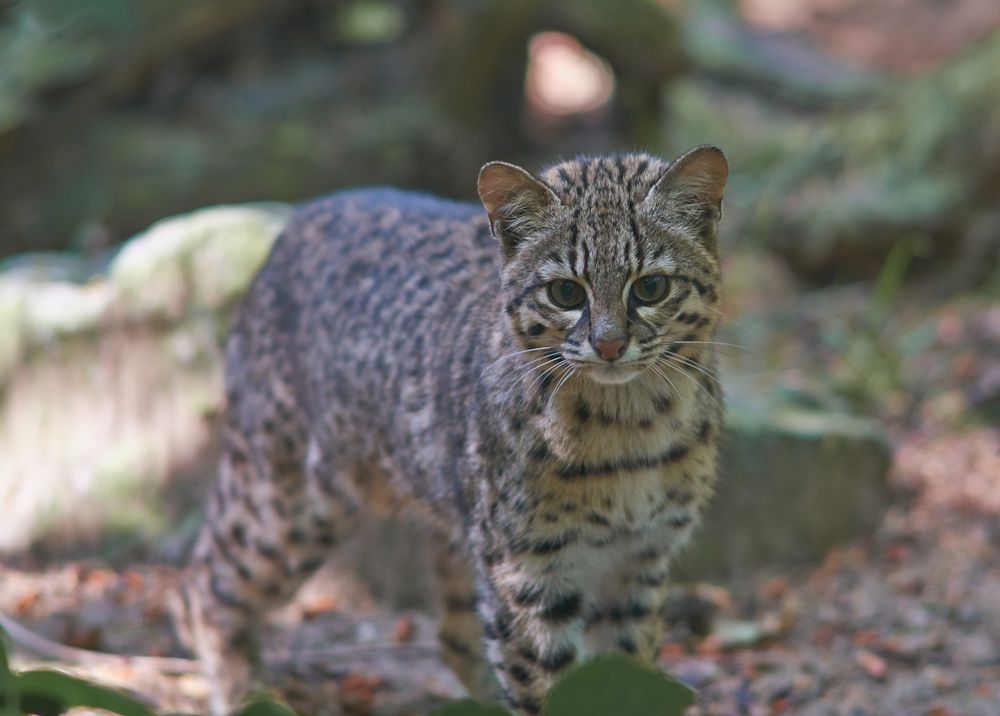
The Safari Cat isn’t your ordinary feline. These cats are hybrid animals that are a cross of the domestic cat with the South American Geoffroy's cat. Thus, this animal has characteristics of both species. However, traits vary with the generation of the cat. The first generation (F1) is very much in touch with its wild side, born with many of these traits. Subsequent generations are called F2, F3, and so forth.
The national cat registries do not recognize the Safari Cat. Some states, such as Idaho, Indiana, and Ohio, outright ban the Geoffroy's cat, making the hybrid an issue. The problem rests with the fact that they are wild cats. They are superior hunters versus domestic cats, making them an ecological threat to birds and other wildlife. However, there is still a lot to learn and love about this breed.
Breed Overview
Height:
Weight:
Lifespan:
Colors:
Suitable for:
Temperament:
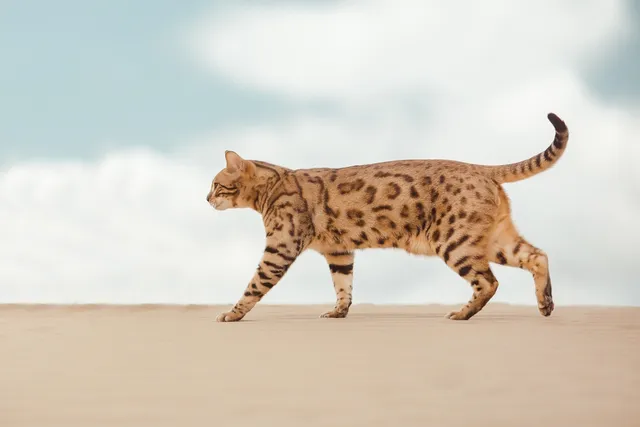
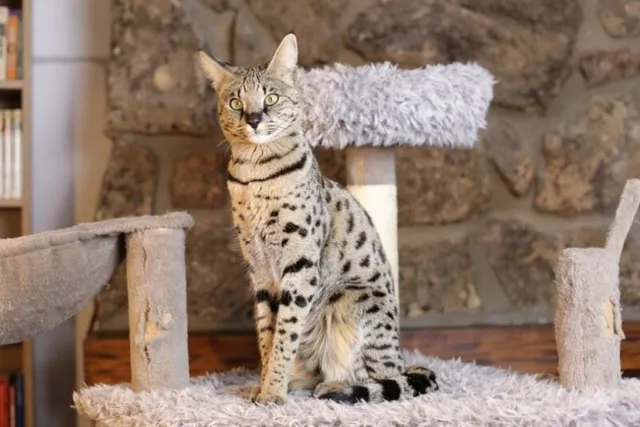
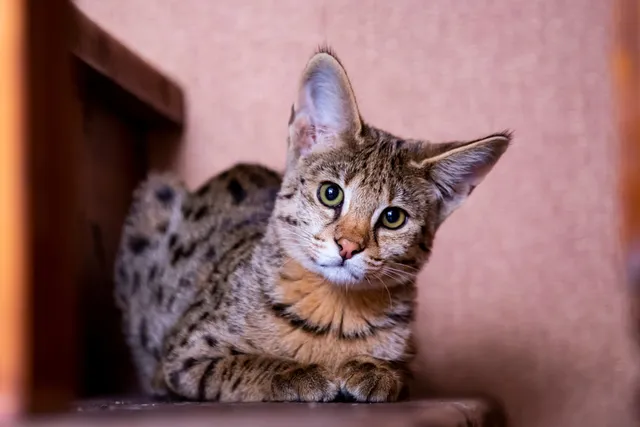
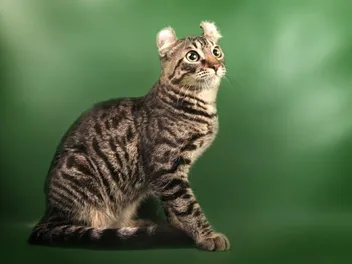
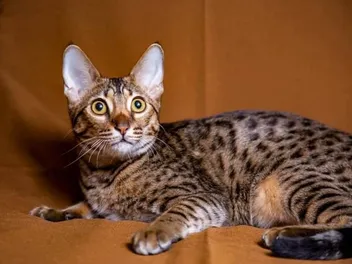
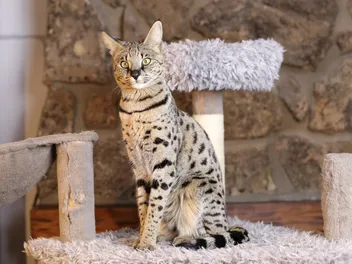
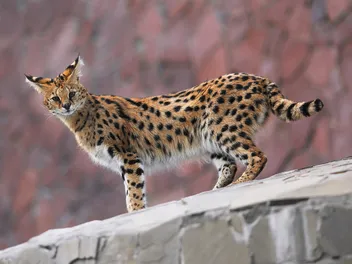
There’s no denying that the Safari Cat is a beautiful animal. That’s part of their allure because they resemble their wild counterparts. They are more athletic and stealthier than domestic cats, but that can make them challenging for pet owners, so keep reading to see if one could be a potentially good fit for your home and lifestyle.
Safari Cat Characteristics

Safari Cat Kittens

Getting a Safari Cat is difficult and risky on many fronts. First, there is the rarity of the animals. It’s a relatively new hybrid, which can make the cost of obtaining one exorbitant to get an exotic-looking pet. Second, genetics work against these felines because the domestic cat and Geoffroy's cat have a different number of chromosomes. Consequently, many F4 males are often sterile, adding to their scarcity.
The varying genetics may increase the offspring’s risk of hereditary and congenital conditions. Marechal Safari Cats reports a wide disparity in the sizes of the kittens depending on the generation. F1 males may get up to 20 pounds or more. The other concern is getting a true hybrid. Only DNA testing can confirm the pedigree of the animal; a visual exam isn’t sufficient to make this determination.
Unsurprisingly, many scams exist. Our research found anecdotal accounts of the prices of kittens in four figures. Suffice it to say that a pet costing less sound should raise red flags about the authenticity of the animal’s parentage.
Safari Cat Origin & History
Some people like the idea of owning an exotic pet. That’s part of the reason you may see unusual animal companions. Hence why there are laws and regulations governing their ownership. The Safari Cat’s story began differently. Some wild species are resistant to feline leukemia (FeLV), which led scientists to consider using them for cancer studies in the late 1960s and early 1970s.
Researchers have also investigated the disease’s prevalence in the animal’s native land of Brazil and the potential consequences of FeLV spreading in wild populations despite negative sampling in local populations.
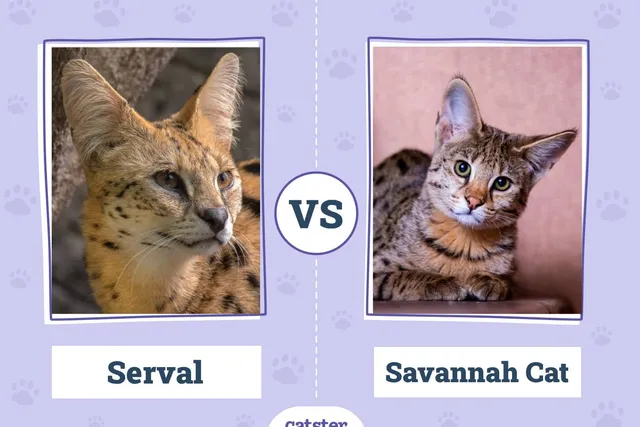
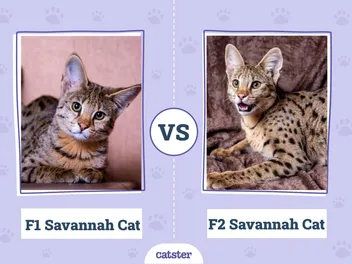
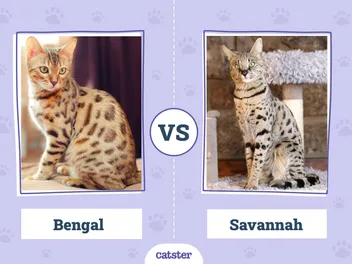
The Safari Cat isn’t the only example of wild-domestic hybrids. The Bengal is a cross between domestic animals and the Asian Leopard Cat. There’s also the Savannah Cat and the breed’s heritage with the African Serval. The International Cat Association (TICA) recognizes both breeds, with the animals’ DNA not an issue like it is with the Safari Cat.
Temperament & Intelligence of the Safari Cat 🧠
Felines are intelligent, especially as predators. They must be keenly aware of their surroundings to be successful hunters. Our domestic cats have retained these traits. After all, it was one factor that undoubtedly played a role in domestication, with cats proving themselves to be excellent mousers. The Safari Cat is no exception.
This kitty has the characteristics of their wild counterpart. That’s problematic, considering the impact feral cats have on wildlife populations. The difference in this case is bringing a novel wild feline someplace where it didn’t naturally exist. That puts potential prey at a disadvantage. It also raises concerns about public safety. With that said, the American Association of Feline Practitioners (AAFP) opposes breeding hybrids.
The AAFP cites a valid point about keeping non-domestic animals in captivity. The temperament and intelligence of the animal may make it a welfare issue with the Safari Cat, particularly in felines of the first few generations.
Are These Cats Good for Families? 👪
We don’t recommend the Safari Cat for families for the reasons we’ve discussed. The animal may be unpredictable, posing a serious risk for young children and the elderly. Remember that our feline companions are the product of roughly 12,000 years of domestication. Meanwhile, the Safari Cat has only been around for about 60 years.
Does This Breed Get Along With Other Pets? 🐶🐱
The Safari Cat has a strong prey drive. Keeping one in a home with small animals is a disaster waiting to happen. Again, these cats aren’t as domesticated as your average tabby cat, so predation is likely going to be a big part of this cat’s temperament, and that’s a big no-no if you’ve got other animals in the house.
Things to Know When Owning a Safari Cat:
As you’ve probably surmised, there’s a lot to know before getting a Safari Cat. We strongly urge you to contact your state about the legality of owning one. Some areas may prohibit ownership of exotic or hybrid animals, and others may require a permit or other restrictions. For example, Oregon doesn’t allow non-indigenous felines.
We also recommend verifying the pedigree of the cat before you commit to the purchase. Don’t get a pet from a seller who hasn’t done DNA testing on their animals. You should also refrain from bringing home a kitten under 8 weeks old. They need time with their littermates and mother. Wait until the kitty is closer to 12 weeks old.
Food & Diet Requirements 🐡
You should feed your kitten three to four times daily with a commercial diet suitable for their life stage to support their growth and development. Make sure fresh water is always available for your new pet. The food should contain a minimum of 30% protein and 9% fat based on dry matter weight. You can cut back to twice daily once your cat reaches adulthood.
You should slowly transition your kitty to an adult food to avoid digestive upset. A 10-pound cat should get about 180 to 200 calories daily. You can adjust the amount based on your pet’s weight and activity. If you have any concerns, please discuss your cat’s diet with your vet. We recommend limiting treats to training aids or for use in an interactive toy for mental stimulation and enrichment.
Exercise 🐈
We recommend keeping your Safari Cat indoors because of the animal’s prey drive and wanderlust potential. That means monitoring your pet’s weight to prevent obesity. You must also provide mental stimulation for your kitty. Remember that this breed is energetic and intelligent. That makes boredom and the risk of unwanted behavior a concern.
The Geoffroy’s Cat hunts mainly on the ground. The animal can climb, but it’s not typical. You’ll likely find that your Safari Cat will show similar behavior during play.
Training 🧶
Felines are food-motivated, but training must be on their terms. You can use treats as a potent motivator for positive reinforcement. You may find using rubber bands or other locking mechanisms helpful if your kitty gets into the cabinets. While you may find training challenging, you can at least redirect your pet’s behavior toward something you want them to do or avoid.
Grooming ✂️
We recommend getting your Safari Cat used to handling when young. Touch their paws and ears to make grooming less of an ordeal. You should also pick up your kitty to get them used to it.
Felines are self-sufficient for the most part. You can use pet wipes to keep your pet smelling clean. Note that we don’t ever recommend declawing your pet, although you should keep their nails trimmed to spare your furniture.
Health and Conditions 🏥
The Safari Cat is a wild card. One concern is finding a vet who will treat your pet. Some clinics may not accept hybrids. We mentioned the risk of hereditary and congenital conditions because of the mismatched DNA. It’s difficult to determine what that may mean for your pet because of the lack of information and scientific scrutiny.
However, some data suggest that the Geoffroy’s Cat, and consequently the Safari Cat, is susceptible to similar internal and external parasites. We strongly urge you to discuss prevention and vaccinations with your vet. A rabies vaccination may not be valid for a hybrid animal.
Male vs. Female
The size difference between males and females is dramatic, with the former sometimes twofold or more the bulk of the latter. Scent marking will likely be an issue in intact males. The wild instincts may also come to the surface in territoriality. It’s another reason we recommend keeping a Safari Cat indoors. They will probably defend their space wholeheartedly.
However, the question of neutering or spaying your cat has pros and cons. We suggest discussing the procedure with your vet to determine what’s best for your Safari Cat.
3 Little-Known Facts About the Safari Cat
1. While Legal in Colorado, the City of Denver Bans Hybrids
The difference in the state and city laws is a reminder to cover all your bases if you want to get a Safari Cat.
2. The Geoffroy’s Cat Avoids Habitat Where Ocelots Are Present
The Ocelot is the bully among many small cats in South America.
3. The Safari Cat Used to Be a Name for a Different Breed
The Bengal Cat had the moniker “Safari Cat” until the 1970s when that hybrid hit the scene. The former is a cross with the Asian Leopard Cat. The name change reflects this heritage by borrowing it from the feline’s scientific name Prionailurus bengalensis.
Final Thoughts
The Safari Cat is a striking animal that looks and acts like it just came from the Brazilian savanna. These hybrids highlight the risks and rewards of breeding domestic cats with wild species. In this case, the latter added the unintended consequence of mismatched DNA and the problems it can create, with male infertility being an outcome. It helps explain the rarity and high price for these pets. Enthusiasts praise Safari Cats for their unique appearance and their behavior. However, this kitty isn’t the best choice for everyone. Instincts can mean unwanted actions for someone not used to handling these animals. If you want to invite a cat into your life and have determined that this cat might be a bit too much to handle, your local shelter or rescue has plenty of pets looking for a forever home.
Sources
Featured Image Credit: tatianaput, Shutterstock
Expert cat care, straight to your inbox
News, insights, and useful advice, delivered to you.

No spam — unsubscribe anytime.
By signing up, you agree to our Terms & Conditions and Privacy & Cookies Policy.
How useful was this post?
Click a star to rate. You can leave written feedback afterwards. (We read all feedback.)

Chris has been a science-focused pet writer since 2009, specializing in health and the environment. She lives with her husband Norm and three amazing cats in the land of 10,000 lakes. When she's not writing about cats, Chris also enjoys boating and sampling wine. She has her WSET 1 and 2 certifications and is currently pursuing her Certified Wine Specialist Award (CSW).