Why Does My Cat Eat Tape? 6 Vet-Reviewed Reasons & What to Do


In this article
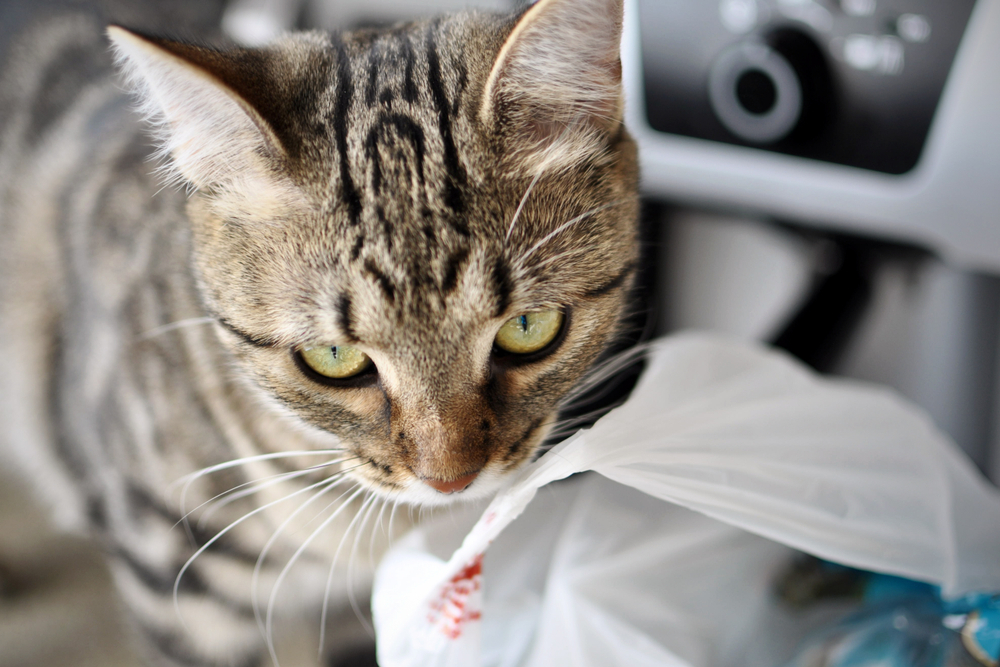
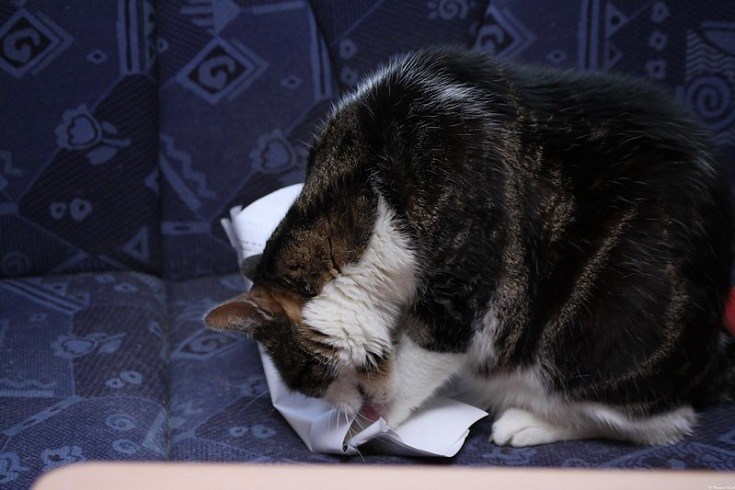
‘Tis the night before Christmas and all through the house—there's a disturbing crunching noise coming from underneath the tree, where you find your feline crunching on the tape from the wrapped presents! You're probably puzzled because you feed your cat high-quality food, buy them boutique treats, and give them clever catnip toys. So, why do they choose to eat tape?
There are many possible reasons that your cat can't get enough of tape, ranging from boredom to more serious concerns like underlying medical conditions. Here, we look at the most common causes of cats eating tape and give you a few tips on how to break their habit.

The 6 Possible Reasons Why Your Cat Is Stuck on Tape
1. Pica
When cats (or humans) routinely eat things that aren't food, this is a disorder called pica. Your cat may have pica if they also like to ingest other inedible objects besides tape. Other common objects include paper, plastic, string, and wool. It's important to note that pica implies that the material is being eaten, not just chewed on. It's fairly common for cats to chew on all of the objects we mentioned, but it's rare (and a problem) if it's being ingested. Most of the other reasons listed below why your cat might be eating tape are also possible underlying causes of pica. It’s important to discuss this issue with a vet, or get your cat checked out as soon as possible if they have ingested any tape, as this can lead to gastrointestinal blockage which may require surgery or endoscopy to resolve.

2. Boredom
If a vet gives your kitty a clean bill of health and there's nothing wrong with your cat—except you notice that they like to lounge around and occasionally try to eat tape—they might be bored. Try to interest them in a stimulating toy like something they can chase. Give yourself double points if it's filled with catnip. Increase their physical activity through active playtime and enrich their environment to keep them occupied, by placing extra perches, cat trees, scratch posts, putting some feline-friendly music on, or giving them access to windows overlooking the yard so they can watch birds.
3. Hunger or Nutritional Deficiencies
Have you noticed any changes in your cat's eating behaviors with their own food? If you've recently switched their diet, or they were rescued and malnourished before you adopted them, maybe they're lacking in a vitamin or mineral. Another more common reason may be an underlying gastrointestinal issue that is causing malabsorption, meaning your cat may be eating a high-quality diet, but their intestines are not making the most of it due to a health problem. Always talk to a veterinarian if you don't feel like your cat is thriving on their current food. They can give you some pointers on what to look for to meet your individual cat's needs. If your cat isn't eating their food, they might be sick, so it would be worth taking a trip to the vet to make sure they're okay.
4. Anxiety
If your household is undergoing a lot of change, such as a new baby or pet, your cat might seek out tape as a coping mechanism. If your cat is a rescue, do you know if they have a history of hunger? Your cat could be suffering from trauma and is worried about when their next meal is coming, especially if other changes are happening at the same time.
5. Weaned Too Early
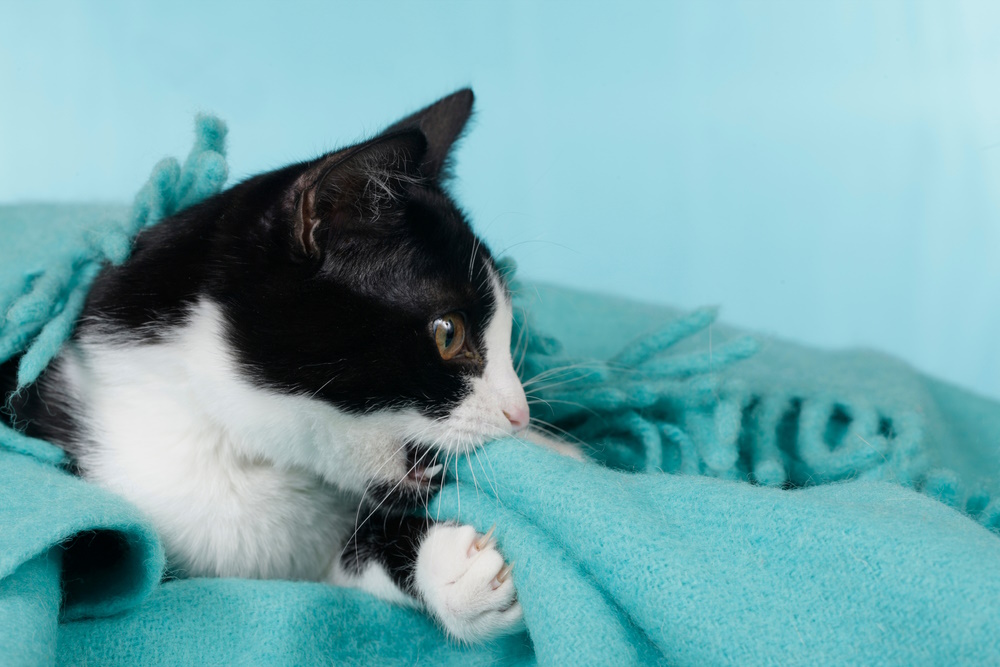
Cats that were weaned too early are sometimes also malnourished and may develop behavioral issues like sucking on blankets and wool. This is more commonly seen in specific breeds such as the Birman cat in which it may be associated with small litter size as well as early weaning, while in other breeds like the Siamese, it can also be linked to underlying medical conditions. These behaviors are sometimes outgrown by the time the cat is an adult, but they may also evolve into other odd behaviors, such as pica.

6. Underlying Illness
Eating strange objects like tape could be a sign of an underlying illness responsible for pica, such as diabetes and hyperthyroidism which cause an increase in appetite, pancreatic or gastrointestinal disease due to viral, bacterial, or parasitic cause, or inflammatory bowel disease leading to poor absorption of nutrients, or other metabolic, endocrine or neurological disease. If none of the other options make sense or if you notice any other unusual signs, such as changes in appetite or drinking, weight loss, poor coat, vomiting, or diarrhea, you should make an appointment with a vet to make sure everything is normal health-wise.
What Happens If My Cat Eats Tape?
It's important to note whether your kitty is merely chewing on tape or is ingesting it. While neither one is preferred, chomping on tape probably won't hurt them as long as the sticky part is non-toxic, but eating tape can lead to life-threatening health complications. Depending on the size of the cat and the amount of ingested tape, in some cases, a small piece of the ingested tape may pass with the feces or be vomited back up, but as with any foreign object, there's always the risk of it getting stuck inside the stomach or intestines, which leads to a blockage that can be fatal if not treated in time. If you believe your cat has ingested tape, you should call a veterinarian immediately.

How to Prevent Your Cat From Eating Tape
The best way to keep your kitty from eating tape is to restrict their access to packing materials. Store the tape somewhere they can't reach, such as in a closet or drawer with a child lock. Try to keep Amazon packages away from your cat, but if a box must linger within their grasp, remove the tape and throw it away. Don't underestimate your cat's abilities to retrieve something they want. If they want to play with tape badly enough, they'll climb any surface and knock over anything in their way.
Once you've removed the tape from their reach, you should try to get their mind on something else. A fun, interactive toy to engage their minds might be a good idea, especially if it's crinkly on the inside like tape. The solution, however, depends on the underlying cause. Your kitty might also need new food or a visit to the vet.
If anxiety is the underlying cause, try to find the root of it. Delivering meals consistently at the same time can help if they have anxiety about food. If they're anxious because of a household change, reassure them of your love by spending more time petting and playing with them, ensuring they have a quiet place to rest and withdraw to, not being disturbed by other pets, as well as using a pheromone diffuser that can soothe them. Avoid any major changes in their routine and environment, but if some are inevitable, make the changes slowly.
Conclusion
While eating tape isn't normal, some cats do try it. Munching on it without ingesting it probably is not a great idea, but it is not devastating as long as the glue is non-toxic. However, you should never let your cat ingest tape since it can block their intestines. Talk to a vet if you notice other unusual behaviors or if you suspect that they've ingested tape, to see what they suggest.
See also: Why Does My Cat Put His Paw on My Mouth?
Sources
Featured Image Credit: k-e-k-u-l-é, Pixabay

Expert cat care, straight to your inbox
Vet-reviewed advice, behavior tips, and the best of Catster. Free, and you can unsubscribe anytime.
By signing up, you agree to our Terms & Conditions and Privacy & Cookies Policy.
Brooke Norris is a freelance writer who lives with three cats and a dog. She has a B.S. in Media Studies from the University of North Georgia. Booke loves storytelling and spending time with her pets at their house in New Orleans, Louisiana. In her free time, she enjoys gardening, cooking, and brewing coffee.
Join the conversation
Ask a question, share your story, or send private feedback.