Why Do Cats Lick Themselves So Often? 11 Vet-Reviewed Reasons for This Behavior

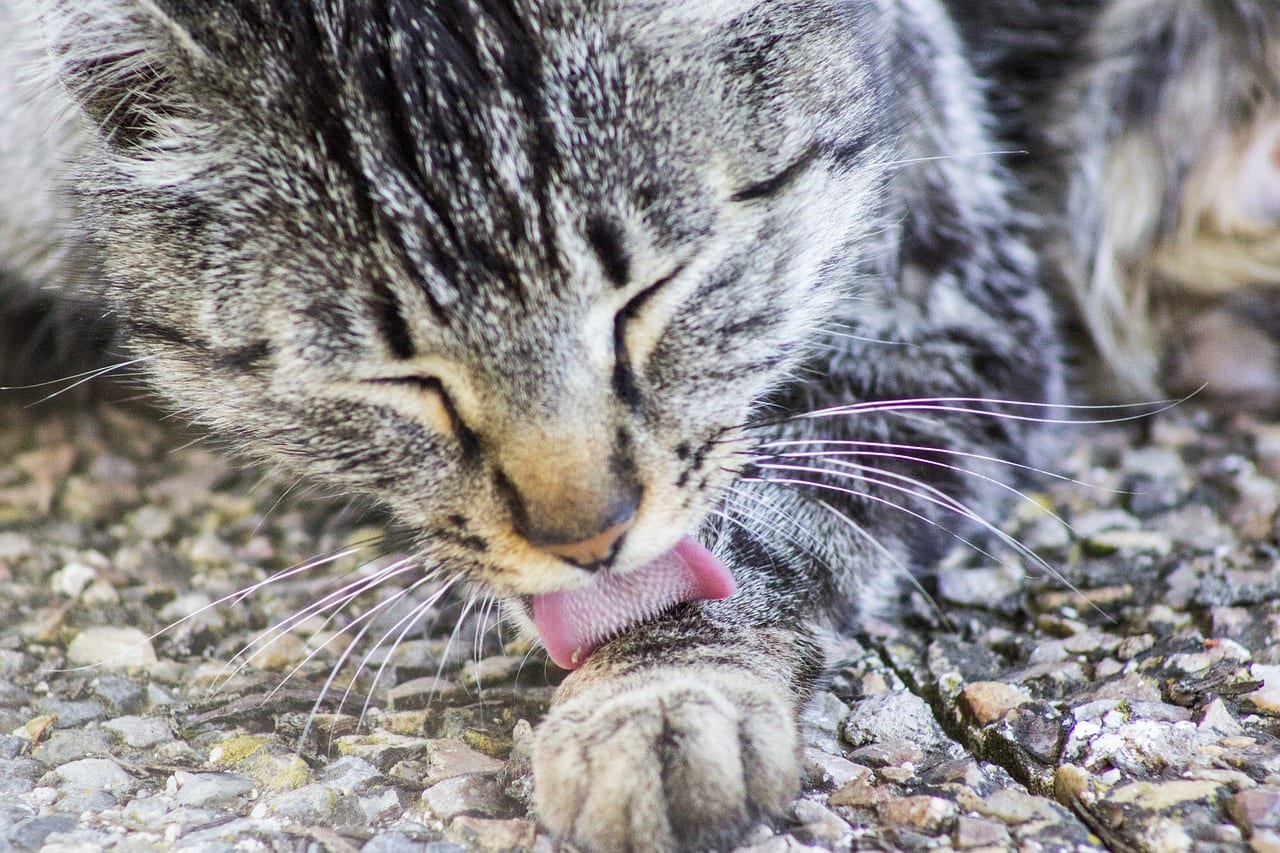
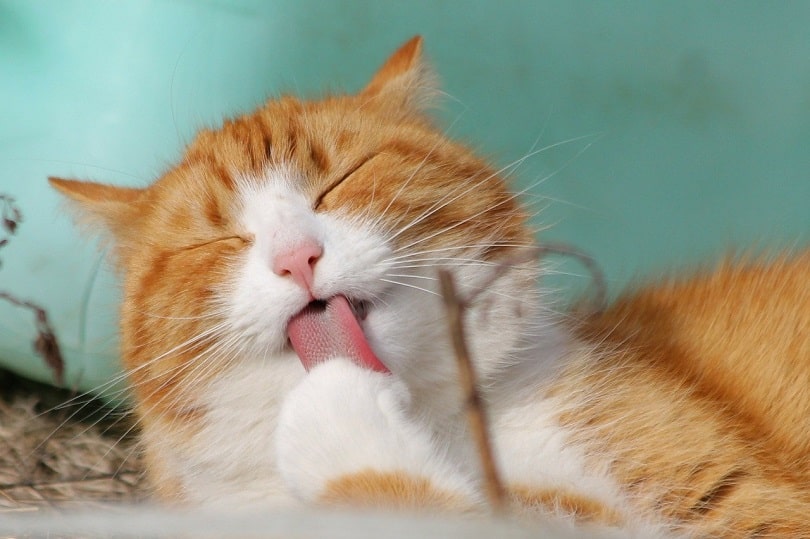
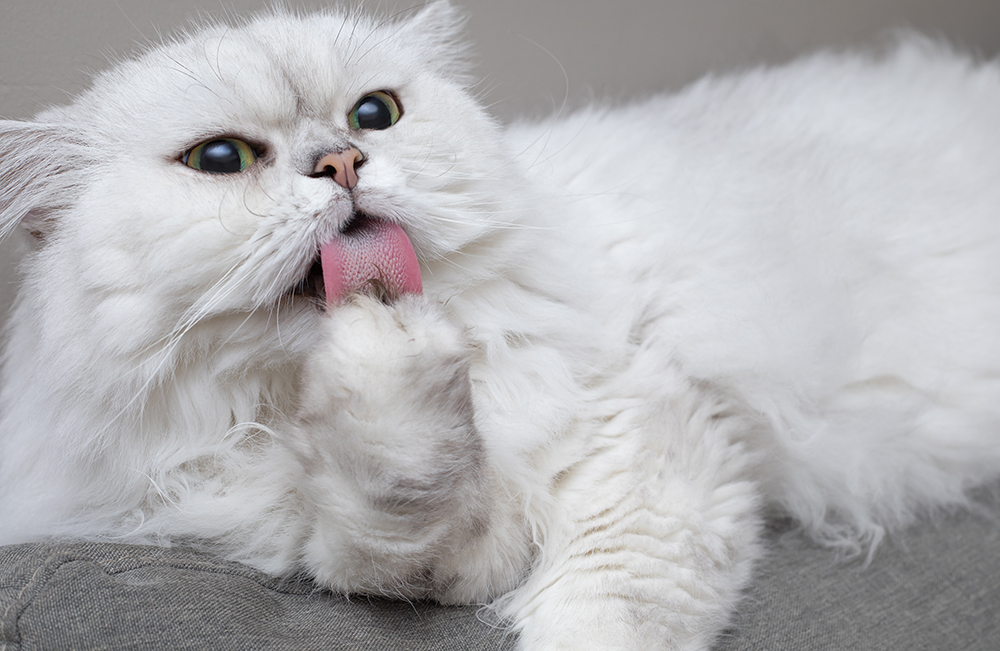
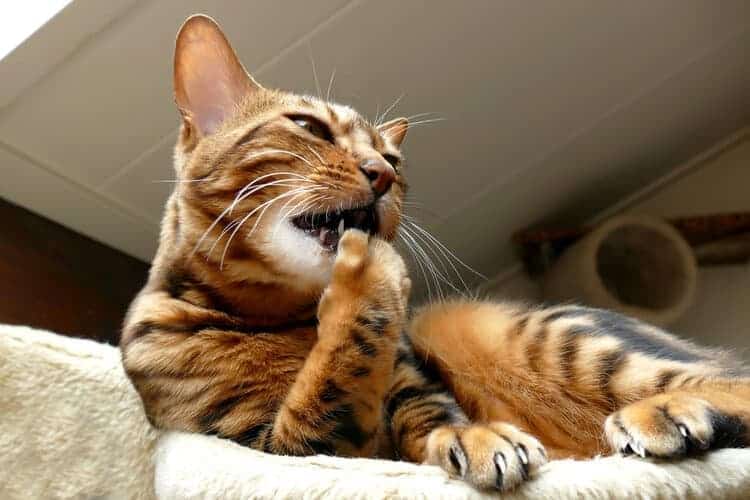
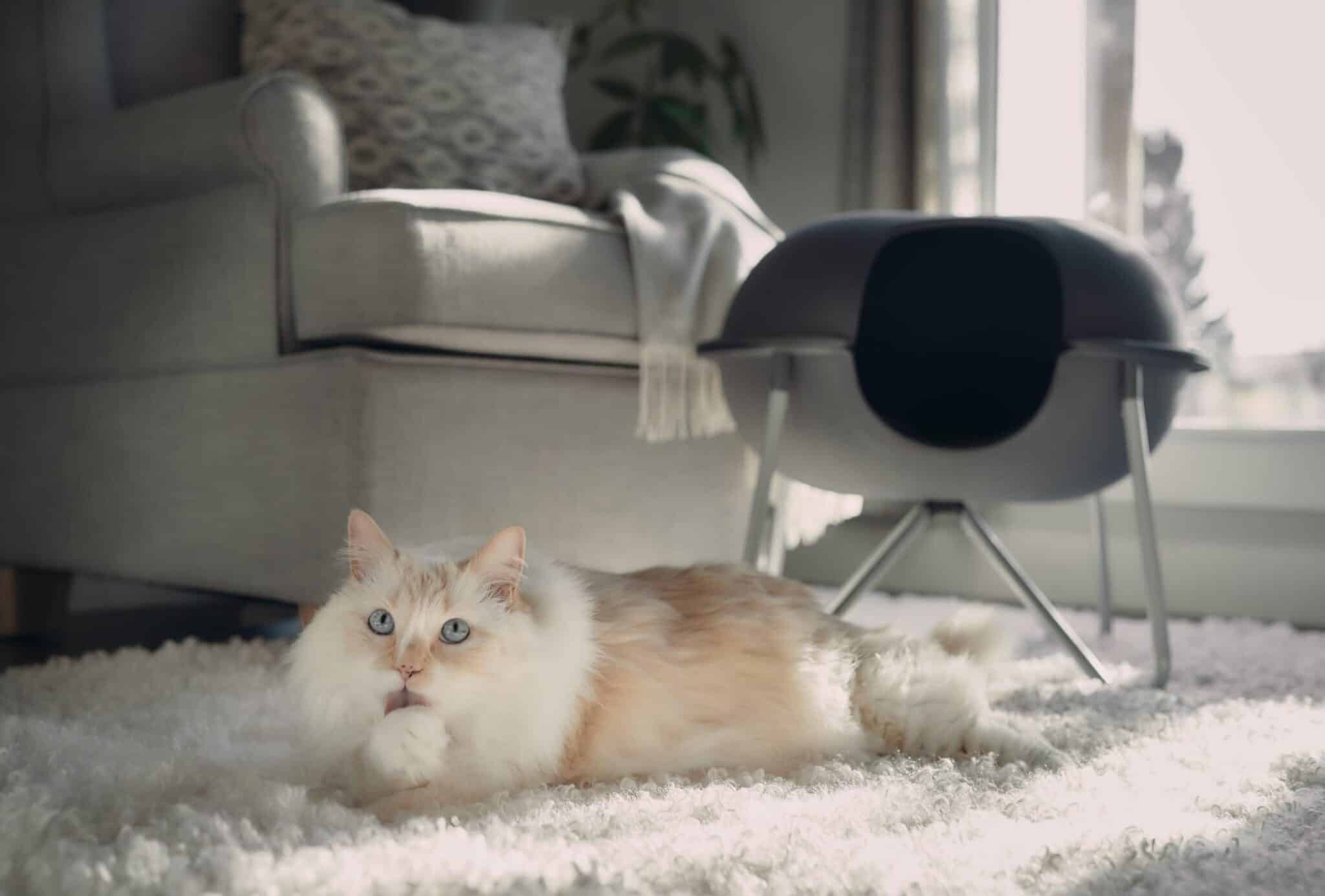
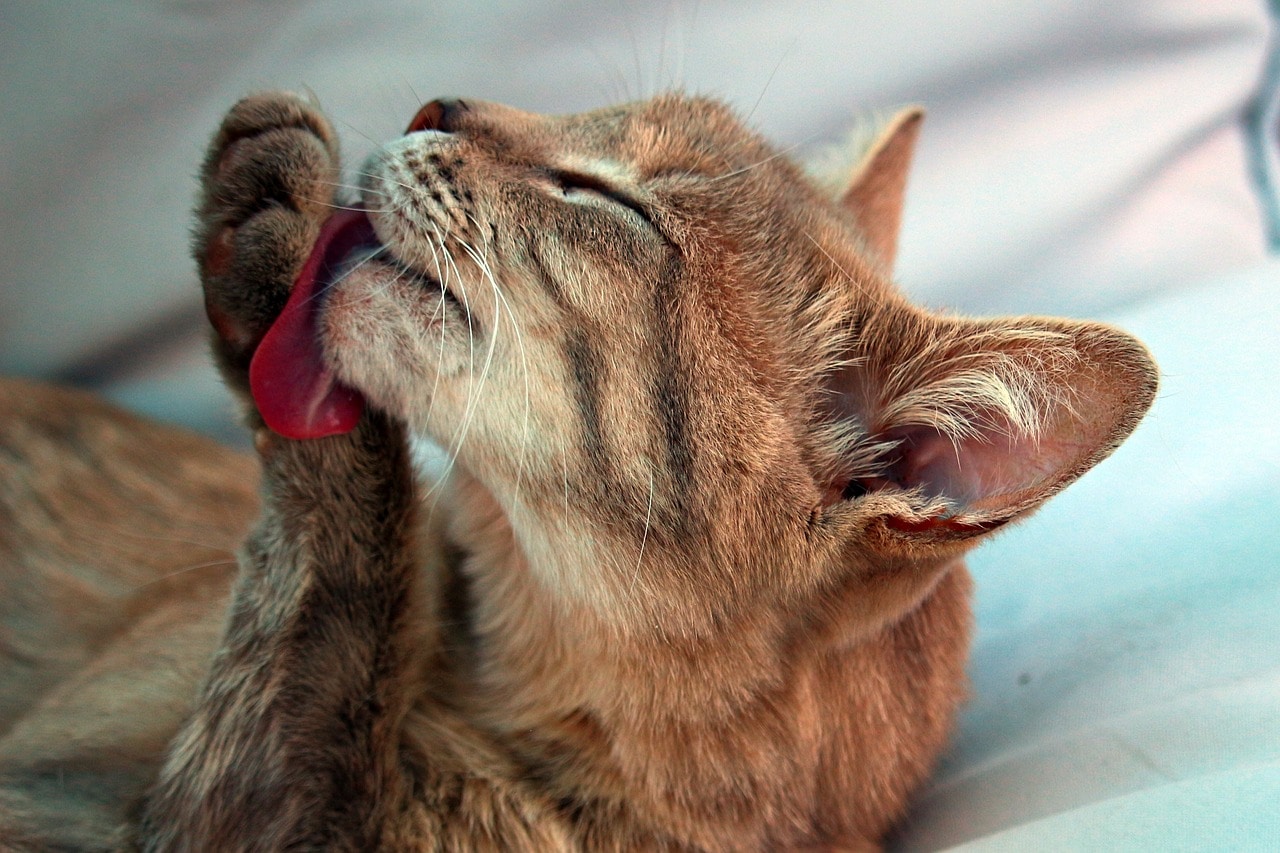
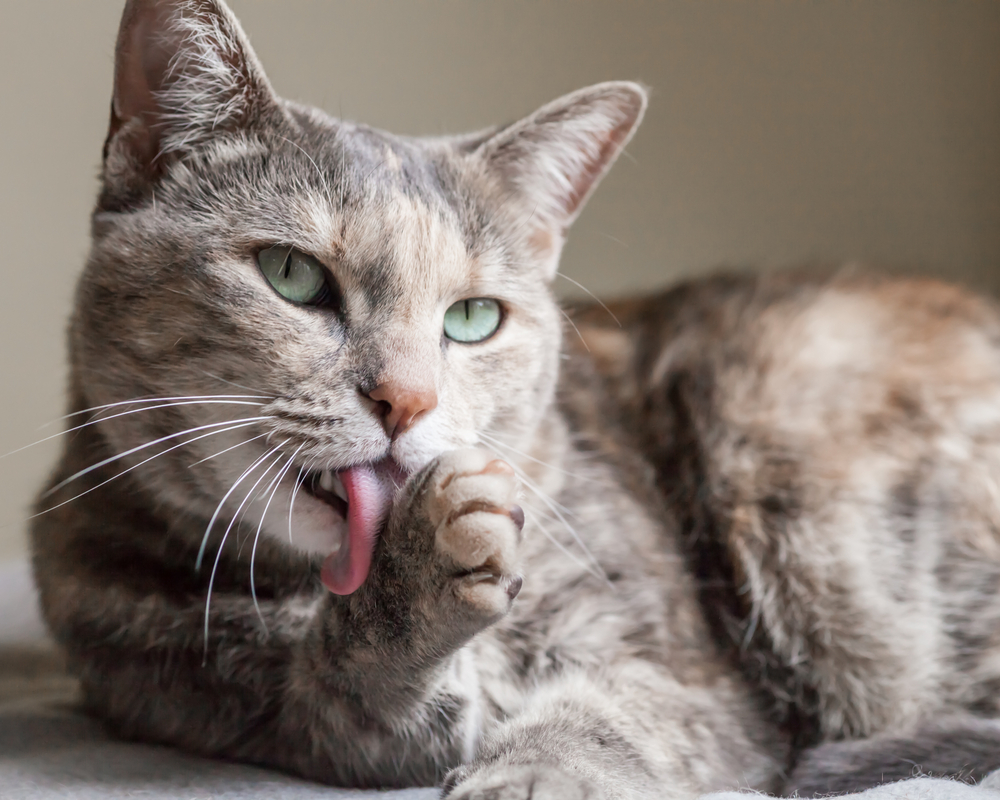
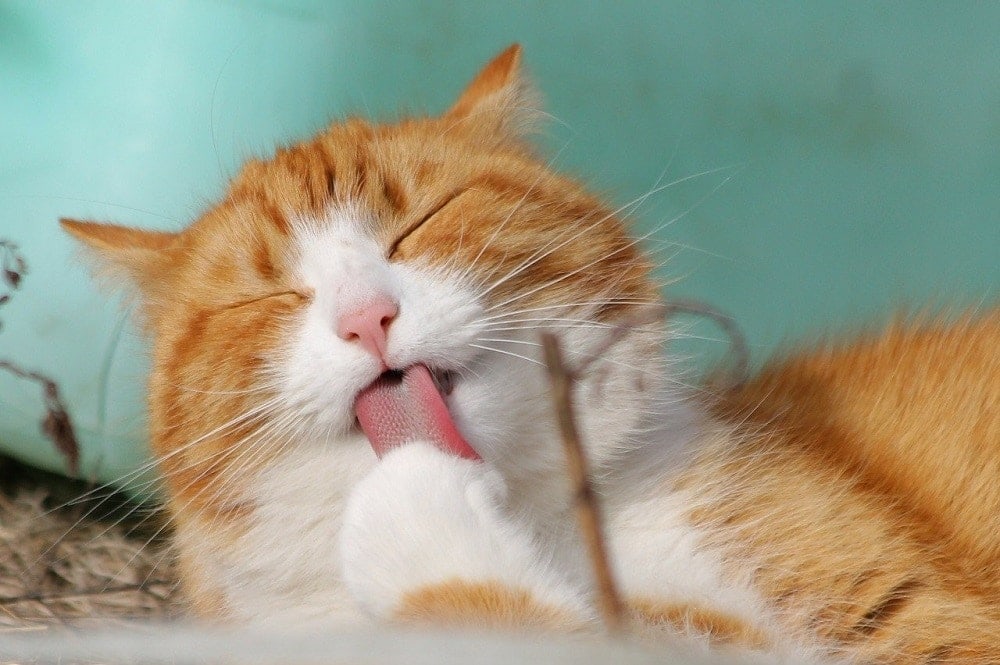
Grooming is an important part of any cat’s day. Indeed, cats may spend up to half their awake time grooming themselves. Mother cats also lick their kittens as part of their bonding process, and cats who enjoy each other’s company often groom each other, as well.
Most times, cats lick themselves for normal reasons: to groom. At other times, excessive grooming might indicate an underlying health issue. In this article, we’ll look at some reasons why your cat might be grooming often.

The 11 Reasons Why Cats Lick Themselves So Often
1. To keep themselves clean
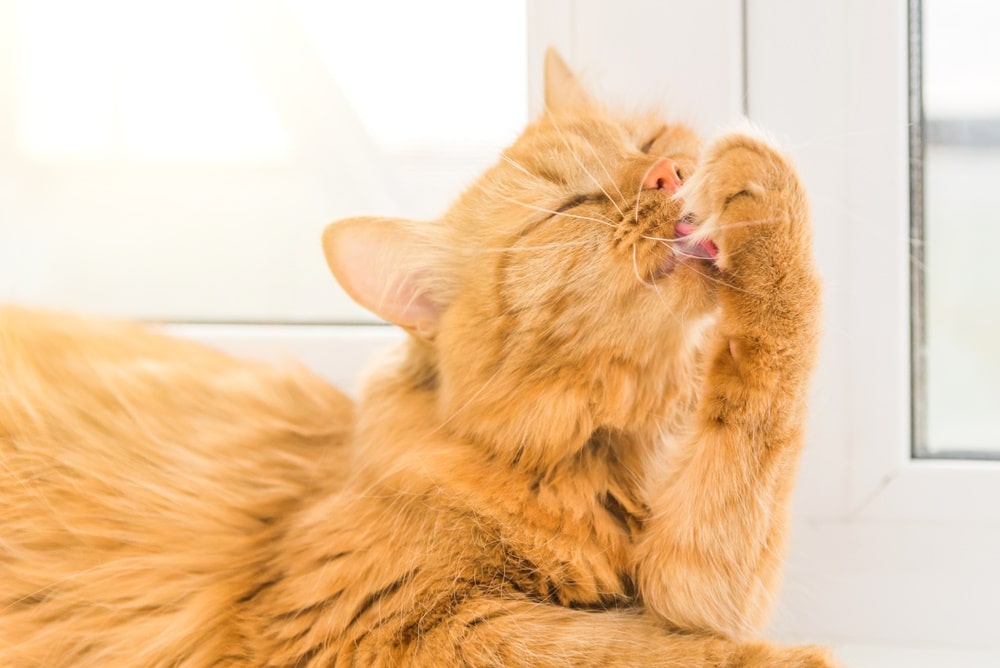
The most likely reason that you’ll see your cat licking themselves is simply to keep their fur nice and clean. Kittens start grooming themselves when they’re about 5-6 weeks old, though it takes them some time to become adept at self-grooming; they often rely on their mothers to keep clean until they are about 8 weeks old. It’s estimated that cats spend roughly 50% of their waking hours preening that fur until it’s as clean as possible!

2. To regulate their body temperature
Cats don’t sweat through their entire skin surface like we do. They can sweat through their paws in hot weather, but that might not be enough to maintain their normal body temperature. By grooming themselves, the saliva on their fur evaporates, which helps keep them cool.
3. As displacement behavior
Some cats will start to groom themselves to distract from a stressful or unpleasant situation. Compulsive grooming can be a sign of anxiety at a change within their routine or the addition of a new pet.

4. To distribute natural oils
The process of licking helps distribute the natural oils produced by your cat’s skin evenly across their fur. This helps keep their fur looking in great condition and their skin smooth. The oils also help keep your cat’s fur slightly water resistant.
5. To remove parasites
If a cat is bothered by fleas or other skin parasites, they may groom themselves in an attempt to remove these annoying parasites. If you see your cat biting their skin at the same time as licking themselves, they may be irritated by bites.

6. To relieve allergies or infections
If your cat has an allergy or infection affecting their skin, they may try to lick themselves in an attempt to remove the irritation. If the allergy or irritation is caused by something that your cat has walked through or rolled in, then giving your cat a bath to wash the irritant off can help. Seek veterinary advice to be on the safe side.
7. To stimulate circulation
Grooming helps increase blood flow, keeping your cat’s skin healthy. You can achieve the same thing by regularly brushing your cat.

8. As a compulsion
Cats do groom and lick themselves frequently, but if it seems like your cat is grooming themselves more obsessively than normal, it might be time for a check-up with the vet. Compulsive grooming can cause lesions and hair loss, so a vet should be able to help you figure out why your cat is over-grooming.
9. To clean injuries
Have you ever noticed that if your cat has a small cut, they’ll concentrate on licking that area? Licking open wounds is an instinctive reaction cats have to try to heal the site of injury. However, if your cat sustains an injury or cut, you should take them to your vet for a check-up instead of relying on them to self-heal.

10. To bond with another cat
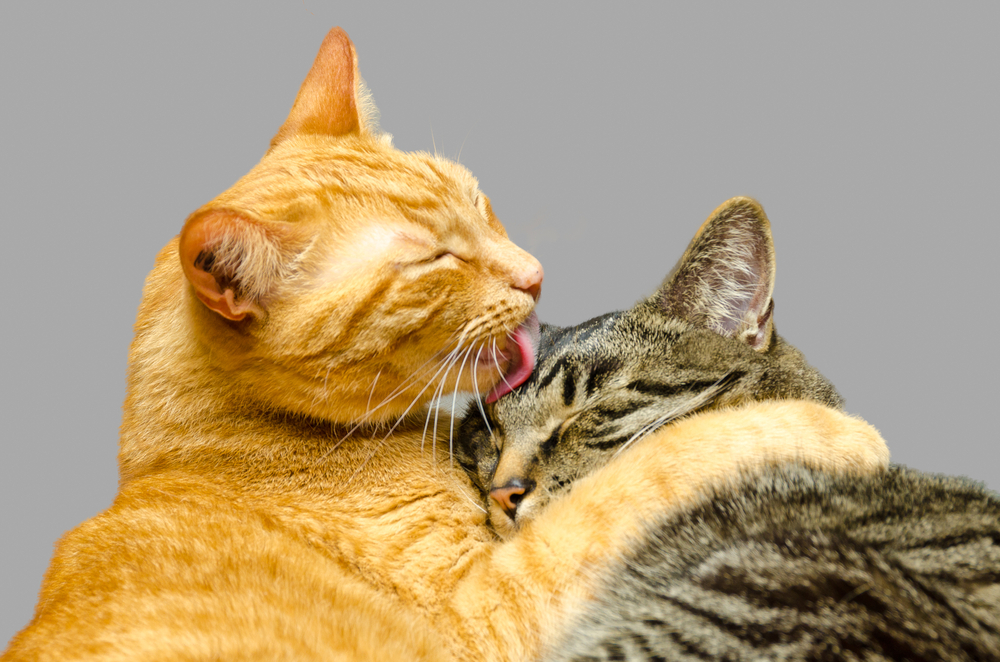
If you live with multiple cats, you might see them licking each other. This is a sign that they’re bonded, as they’re happy to swap scents and pheromones with each other. It also probably reminds cats of being groomed by their mother when they were kittens.

11. Because it feels good
Sometimes cats groom themselves because it just feels good! The routine of licking themselves can help cats feel relaxed and safe. Your cat might groom themselves to relax before starting the other activity that they do so well: sleeping!
Under-grooming
Now that we know some reasons that cats lick themselves so often, let’s look at the other end of the scale. What if your cat isn’t grooming themselves enough?
Undergrooming can be a sign that your cat is unwell. Cats that are unwell (for example, if they have a flu) may stop grooming simply because they don’t feel good while they’re unwell. Your cat may also struggle to groom themselves if they’re overweight, have injuries that limit their movement, have an ailment that makes grooming uncomfortable (for example: osteoarthritis), or have issues with their mouth that make grooming too uncomfortable. Signs of under-grooming include:
- Matted fur
- Greasy coat
- Dull coat
- Stains on paws
- Food left on the face
- Smelly fur
You can try to encourage your cat to start grooming themselves again by brushing them to assist with the process. However, they will need veterinary attention to fix or manage the underlying cause of their refusal to groom.
Conclusion
Grooming is a natural behavior for cats. In most cases, it is completely normal. However, certain ailments or stress can cause cats to groom more or less often. If your cat is over- or under-grooming, always seek advice from a vet so they can rule out any conditions causing pain or those that need medical treatment.
See Also:
Featured Image Credit: Pixabay

Expert cat care, straight to your inbox
Vet-reviewed advice, behavior tips, and the best of Catster. Free, and you can unsubscribe anytime.
By signing up, you agree to our Terms & Conditions and Privacy & Cookies Policy.
Emma is a freelance writer, specializing in writing about pets, outdoor pursuits, and the environment. Originally from the UK, she has lived in Costa Rica and New Zealand before moving to a smallholding in Spain with her husband, their 4-year-old daughter, and their dogs, cats, horses, and poultry. When she's not writing, Emma can be found taking her dogs for walks in the rolling fields around their home...and usually, at least some of the cats come along, too! Emma is passionate about rescuing animals and providing them with a new life after being abandoned or abused. As well as their own four rescue dogs, she also fosters dogs for re-homing, providing them with love and training while searching for their forever homes.
Join the conversation
Ask a question, share your story, or send private feedback.