Why Is My Cat Over-Grooming? 5 Vet-Reviewed Reasons


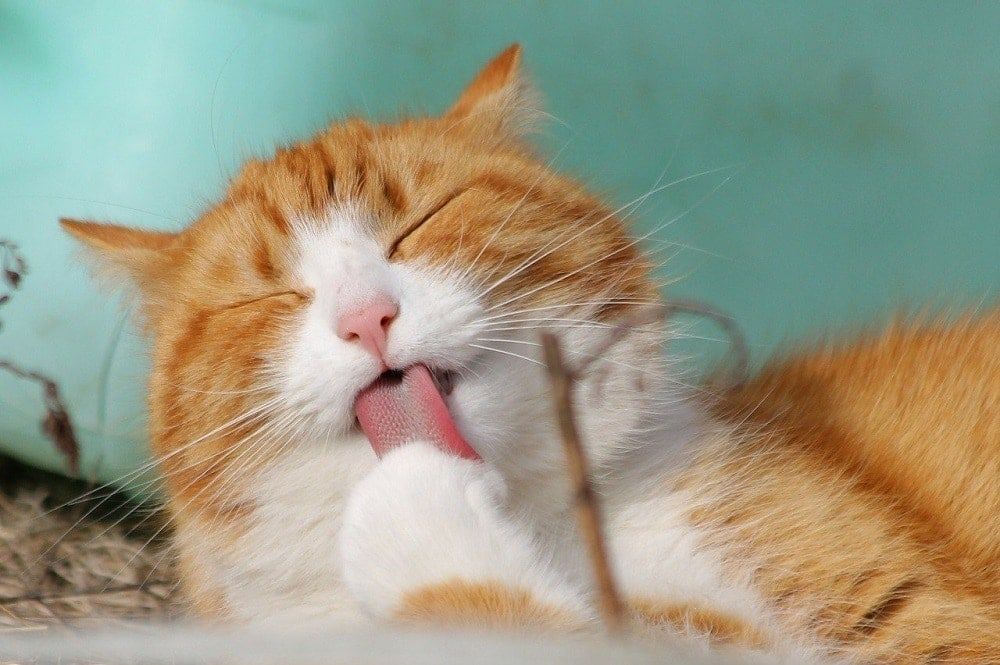
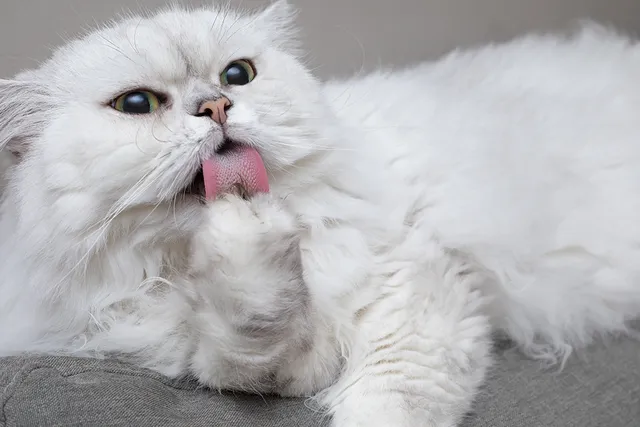
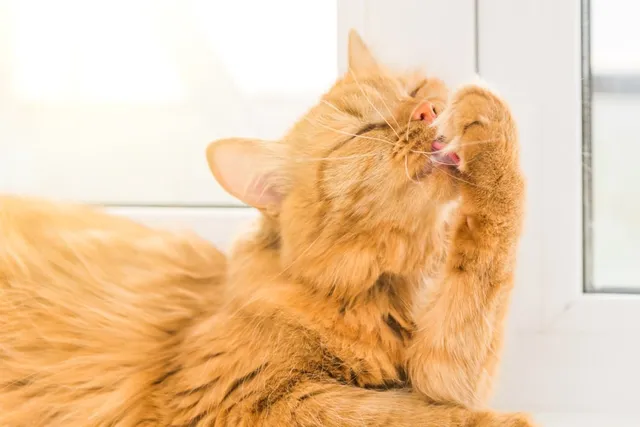
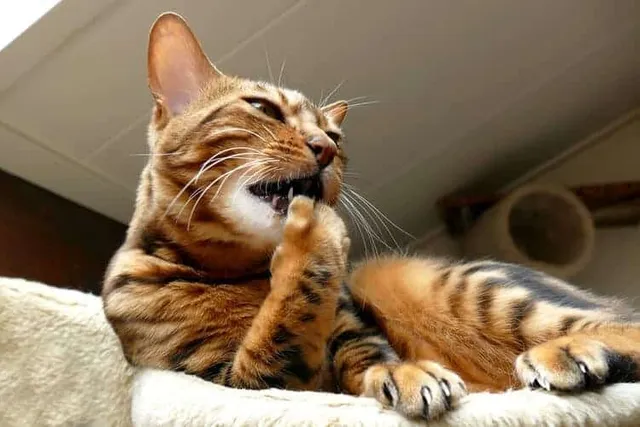
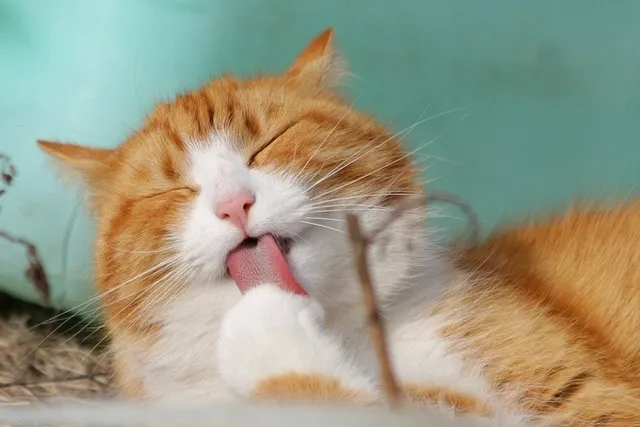
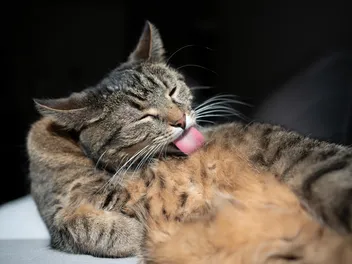
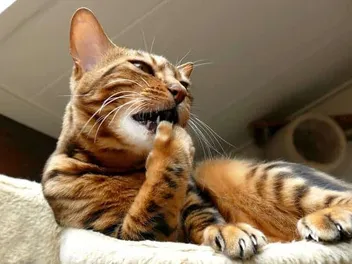
It's completely natural and healthy for cats to groom themselves and each other, but if your cat starts overgrooming, there may be a medical issue that needs addressing or environmental changes to consider.
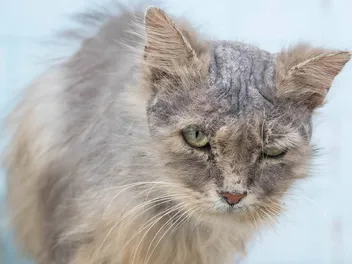
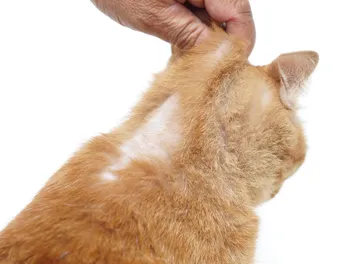
Signs of overgrooming include excessively licking the fur, hair loss, and sometimes rashes and sores. If you've spotted any of these signs, read on to learn what may be causing your cat to overgroom.

The 5 Reasons Why Cats Over-Groom
1. Allergies
Food allergies, contact dermatitis, flea allergy dermatitis, drug allergies, and atopic (environmental) allergies can all lead to itchy skin, which may cause your cat to overgroom.
Signs of allergies may vary depending on the cause, but in addition to itchy skin, they can also include inflammation, sores, and crustiness. Cats with food allergies can also experience gastrointestinal signs like diarrhea and vomiting.
2. Parasites and Skin Infections
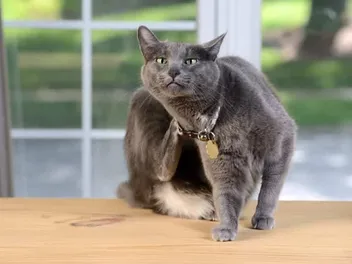
Fleas and ear mites are common parasites to affect a cat’s skin, causing irritation and overgrooming. Cats can also develop bacterial and fungal skin infections, including ringworm. One of the giveaway signs of these infections is overgrooming, whether that be in the form of scratching, chewing, or licking. Some infections can also cause the skin to have an unusual smell, and some cats develop flakiness, pustules, and bumps.
3. Underlying Medical Conditions
Sometimes, overgrooming can be caused by an underlying health condition. Potential conditions include hyperthyroidism, auto-immune disorders, certain cancers and urinary tract infections. This is why it's essential to get overgrooming cats checked by a vet, as they may be in need of a special form of treatment.

4. Pain
Since self-grooming is a soothing mechanism, pain as a result of injury or illness is a possible trigger for overgrooming. If the pain is in a specific area, your cat may target that area in an attempt to find relief. For example, a cat with a urinary tract infection may lick their belly or genital area a lot, whereas an arthritic cat may lick around the joints.
5. Stress
Most cases of overgrooming in cats are initially triggered by a skin problem or pain, but stress induced overgrooming—or, if we're getting technical, psychogenic alopecia—in cats does exist. It can be triggered by a variety of circumstances, including but not limited to illness, a change in routine, moving to a new home, a chaotic home environment, a new pet, a new child, and a lack of exercise and mental stimulation.
Grooming is a self-soothing mechanism for cats because it's thought that this action releases anxiety-relieving endorphins. So stress can also exacerbate overgrooming which was caused by other reasons, and may become a habit for some cats.

Signs of Overgrooming
The most obvious sign of overgrooming is witnessing your cat excessively licking at their fur, they may also scratch and chew at their fur and skin. Some cats are more secretive when they overgroom so it may not be obvious.
Other related signs to watch out for include:
How to Stop Cats Overgrooming
The first and most important thing to do is to take your cat for a vet checkup for proper diagnosis of the problem, even if you don't see anything else physically wrong with your cat. Whatever the cause, overgrooming presents with similar signs, so your vet will need to go through a thorough medical history, examine your cat and may need to run some tests to make a diagnosis. Once you and your vet have gotten to the bottom of things, only then can you truly address the problem.
Regular flea control will often be advised, and if allergies are at play then medication may be prescribed to tackle the itch. Allergic triggers should be avoided as much as possible.
If underlying health conditions are suspected, your vet may need to do some extra tests and prescribe a more specialist course of treatment.
If the overgrooming is due to stress, your vet may advise things like sticking to a routine and making sure your cat gets enough environmental enrichment (toys, climbing spots, etc.) and physical exercise. They could also potentially recommend some calming medications if chronic anxiety is determined to be the cause or refer your cat to a feline behaviorist.
Remember that your cat's overgrooming is not some kind of bad habit, it's a sign that something important needs to be addressed. Please avoid punishing your cat or jumping in to stop them if you spot them engaging in this behavior. This will make your cat even more stressed, and the problem will worsen. Consult with your vet and take it from there.
Conclusion
Having further explored overgrooming, one thing is very clear. While there's nothing strange about grooming, a cat doing it compulsively or more often than usual is a signal that something's going on. The sooner you get your cat checked out, the more likely you are to get the problem sorted, so please see your vet about your overgrooming cat ASAP.
Sources
https://www.petmd.com/cat/general-health/how-tell-if-your-cat-over-grooming
https://www.petmd.com/cat/conditions/systemic/allergies-cats
https://www.petmd.com/cat/conditions/skin/skin-infections-cats
https://www.perfect-fit.co.uk/cat-advice/health/stop-cat-overgrooming
https://www.vetwest.com.au/pet-library/overgrooming-how-to-know-when-your-cat-is-overgrooming/
https://todaysveterinarypractice.com/dermatology/alopecia-diagnosis-cats/
Featured Image Credit: TeamK, Pixabay
Expert cat care, straight to your inbox
News, insights, and useful advice, delivered to you.

No spam — unsubscribe anytime.
By signing up, you agree to our Terms & Conditions and Privacy & Cookies Policy.
How useful was this post?
Click a star to rate. You can leave written feedback afterwards. (We read all feedback.)
Kit Copson is a freelance writer and lifelong animal lover with a strong interest in animal welfare. She has parented various furry beings over the years and is currently a proud cat mom of two—one very chilled (unless hungry) Siamese and a skittish but adorable Domestic Shorthair—and dog mom of one—an adopted Bichon Poodle cross. When not writing about or spending time with animals, Kit can be found doodling in her sketchpad, reading, or more often than not, drinking tea.