Feline Weird? Decoding Strange Cat Behavior


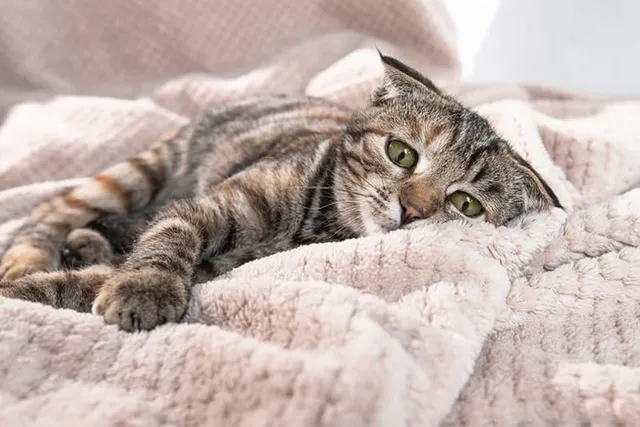
Cats can be calm and predictable until, suddenly, they are not. Hiding, acting clingy, making unusual noises, or behaving differently can leave a cat parent wondering what on earth is going on.
Sometimes strange behavior is actually completely normal. In other cases, it can be a sign of stress, discomfort, or illness – context is always important. Looking at what has changed and what else is happening at the same time can help make sense of the behavior.
Sometimes Weird Is Completely Normal
Not every unusual behavior means something is wrong. Cats can sometimes do things that look strange simply because they are just being cats. And cats can just be weird!
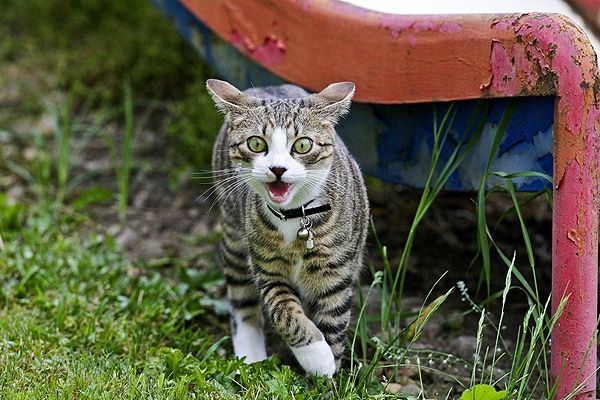
For example, contorting its face into an open-mouthed grimace after sniffing something can look pretty strange. Cats may do this while processing an interesting smell through a special scent-detecting organ in the roof of the mouth.
Other odd-looking behaviors can simply be part of a cat's normal personality or daily routine.
Catnip Can Make Cats Act Very Strange
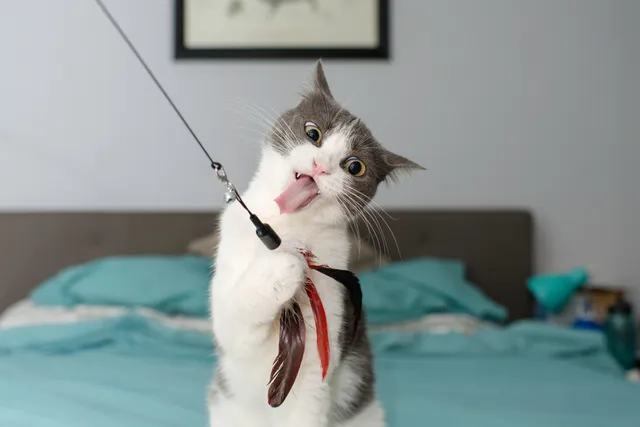
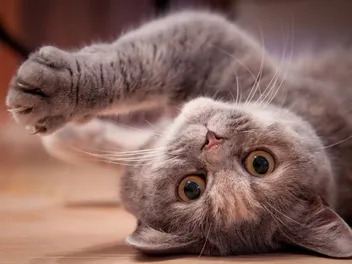
If a cat suddenly starts rolling, flipping, rubbing against things, running around, or behaving much more intensely than usual, catnip could be the reason.
Cats respond to catnip in different ways. Some become energetic and playful, others may become more affectionate or even aggressive, and around 40% of cats will have no reaction at all. The effects are temporary, and cats generally settle down after the initial burst of excitement.
If it is clear that a cat has been playing with or eating catnip, the unusual behavior will usually pass on its own. However, if the behavior continues for much longer than expected or there is a chance the cat got into another plant, it is worth contacting a veterinarian.

Changes At Home Can Trigger Unusual Reactions
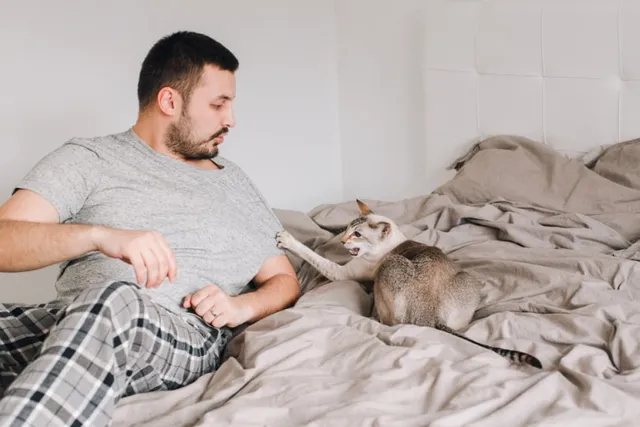
Cats can be sensitive to changes in their surroundings. Moving furniture, having visitors, introducing another pet, or changing the household routine can all affect behavior. Even changes happening outside the home, like construction work or animals in the yard, can have a significant effect on an indoor cat.
A cat that suddenly starts hiding, becoming more vocal, avoiding certain areas, or acting unusually clingy may be reacting to a change at home. But it’s important to interpret these behaviors in context. Are they eating, drinking, and going to the toilet normally? Are they avoiding jumping up or down? These clues help determine whether a cat’s altered behavior is a reflection of external influences or internal health problems.
Giving a cat time to adjust and keeping its surroundings as familiar as possible can help, but if in doubt, a check-up at the vet to rule out pain or illness is never a bad idea.
Cats Can React To Losing A Companion
Cats can also behave differently after losing another pet or a person they were closely attached to.
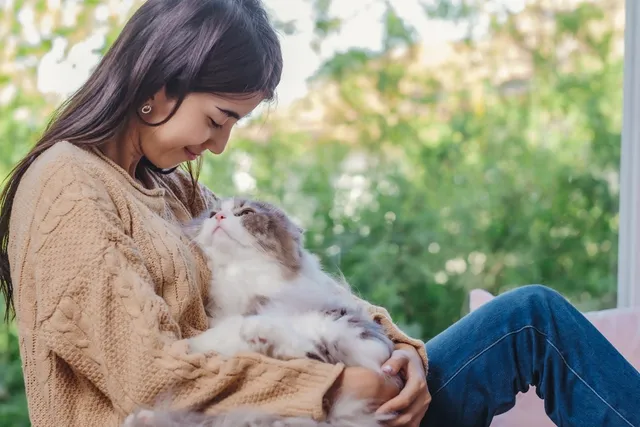
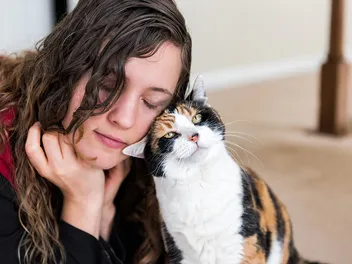
A grieving cat may become quieter, hide more, eat differently, or seek more attention. Other cats may seem restless or simply act unlike themselves for a while.
Behavior can vary considerably between cats, so there is no single way that a cat will respond to a loss.
Boredom Can Change Behavior Too
A cat that does not have enough stimulation can also start behaving strangely.
Cats need opportunities to play, explore, scratch, climb, and interact with their surroundings. When those opportunities are limited, boredom can sometimes show up as unusual behavior.
Changes such as increased attention-seeking, destructive behavior, or restlessness may be a sign that a cat needs more enrichment.

Hormones Can Cause Some VERY Strange Behaviors
Unspayed female cats can behave very strangely when they are in heat. They may become more vocal, affectionate, restless, or determined to get outside. An entire female cat that is acting like she’s possessed every month likely needs to be spayed.
Male cats can also show changes in behavior when responding to females in heat. This can include increased roaming, vocalizing, or marking behavior.
These changes are related to reproductive behavior and can seem very unusual if they are not expected.
Strange Behavior Can Sometimes Mean Something Is Wrong
A sudden behavior change can be a sign that a cat is uncomfortable or unwell.
Cats don’t always show signs of illness in ways we expect. Instead, they may hide more, become unusually quiet, stop interacting normally, or suddenly become irritable when something is wrong. Changes in eating, drinking, litter box habits, or grooming can also provide important clues.
Fleas and ear mites can make a cat suddenly scratch or shake its head more than usual. Dark material in the ears that resembles coffee grounds can also be a sign of a problem.
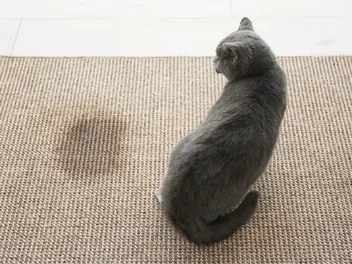
Urinary problems can cause changes in litter box behavior, including vocalization, while other health problems may lead to changes in appetite, movement, or energy levels.

Some Unusual Behaviors Need Urgent Attention
Some behaviors are more concerning than others.
Obsessive grooming, circling, head-pressing, bumping into things, or marked lethargy are things that should never be ignored or dismissed as ‘just another weird cat behavior’.
Seizures don’t always look like seizures. They may involve shaking, twitching, drooling, gazing into space, or loss of bladder or bowel control. A cat may also behave unusually around the episode.
A seizure warrants an urgent call to the veterinarian.
Likewise, a cat that suddenly seems very unwell, cannot urinate, has severe difficulty breathing, or shows another dramatic change should be assessed promptly.
Look At The Whole Picture
When a cat starts acting weird, the behavior itself is only part of the story.
Think about when the change started, whether anything has changed at home, and whether there are other signs such as changes in eating, drinking, grooming, litter box use, or energy.
A strange behavior that quickly disappears and has an obvious harmless explanation may not be cause for concern. But when unusual behavior persists, gets worse, or appears alongside other changes, it is worth speaking with a veterinarian.
Featured Image Credit: Thomas Oswald, Shutterstock
Did You Know?
- Our brand-new posts are rounded up and included in our weekly emails. Don't miss out on the latest - sign up for our newsletter below!
Expert cat care, straight to your inbox
News, insights, and useful advice, delivered to you.

No spam — unsubscribe anytime.
By signing up, you agree to our Terms & Conditions and Privacy & Cookies Policy.
How useful was this post?
Click a star to rate. You can leave written feedback afterwards. (We read all feedback.)
Dan has been working in the pet world for over 4 years covering cats, dogs, and all other pets in between. He loves helping pet parents keep their companions happy, healthy, and of course, totally spoiled! Originally from London, Dan now travels and works remotely, which unfortunately means no pets at home, but it gives him plenty of opportunities to fuss over other people's furry friends.