Do Cats Feel Remorse or Guilt the Same Way Humans Do? Dealing With Bad Behavior (Vet-Reviewed)


In this article
Please Note
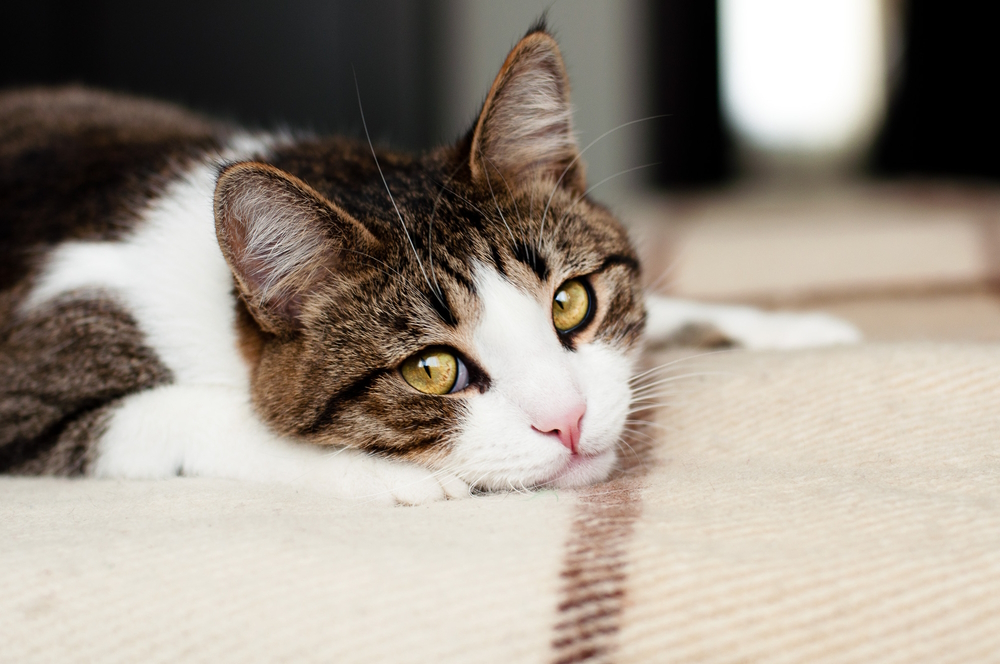
While your beloved cat feels connected to you, he won’t feel bad if he pees or poops outside the litter box, scratches up your furniture or does something outrageous in your home that creates chaos. Unlike us humans who feel guilt or remorse when we do something wrong, cats don’t feel remorse or guilt so don’t expect your feline to apologize for or feel bad about his bad behavior.
If you want to know more about why your cat does not feel guilty, keep reading!

Cats Are Wired Differently Than Dogs
If you have a dog and have scolded your canine for a naughty deed, he probably showed you that he was ashamed of what he did. Maybe he put his head down and slinked away or perhaps he came up to you with those big puppy dog eyes and asked for forgiveness. It’s easy to see guilt or remorse in a dog’s eyes or in their body language. However, whether or not a dog feels remorse (even with these antics) is still not something science completely agrees on – a theory postulates that they act as such to win you back without truly feeling the emotion.

It’s a Whole Other Story With Cats
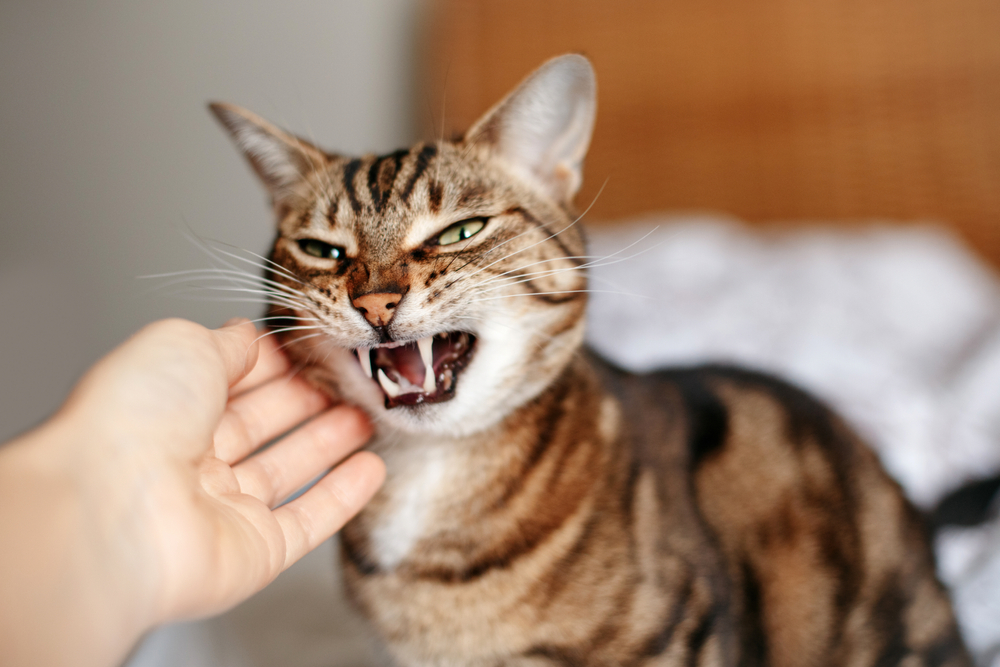
You may think that cats can feel guilt when he's done something wrong because you notice a physical change like flattened ears, a tucked tail, or a distracted look in his eyes. However, this feline body language is a sign that your cat is feeling fear, not a sense of guilt.
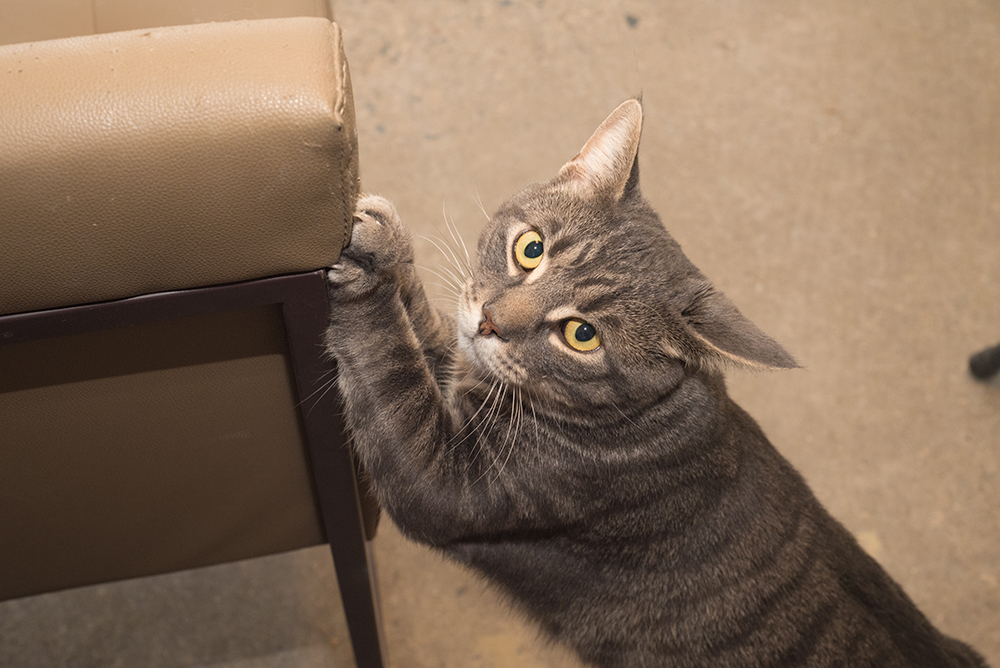
If your cat takes off with his tail down after you’ve scolded him for something he’s done, like scratching the couch, he’s not feeling guilty. Instead, he’s responding in fear of your verbal scolding and finding a quick place to hide. He probably doesn’t even remember scratching at your couch with his claws any more than he knows it was the wrong thing to do.
This is especially true if you don’t provide your cat with immediate correction when he does something you don’t want him to do. For instance, coming home to see a scratched couch and deciding to scold your cat won’t let your cat “connect the dots” as to why you’re behaving in what they would call a strange way.
Even if you catch your cat in the act of doing something you don’t approve of, scolding him would likely only startle him instead of teaching him that they should be remorseful for what he did. This makes even more sense when you consider that scratching himself is a very natural and completely normal activity for cats.
Your cat isn't scratching your couch to mess with your mind. He is doing that to sharpen his claws which is a natural, instinctual behavior. So how do you correct the bad behavior if your cat can’t feel guilt? You give him something better to sharpen his claws on, like his very own scratching post.
One of our preferred scratchers, the Hepper Hi-Lo Modern Cat Scratcher, is a surefire way to keep your kitty out of trouble (or at least away from scratching the things they should not!). It's not only stylish, but it's functional as well. It's made of sturdy cardboard with a durable plywood and metal frame and can be set up in three different ways – high, low, or lower. The different positions encourage maximum engagement, exercise and stretching, and of course, intense scratching (they can throw their whole body into it).

- Premium Materials - Hepper's cardboard scratcher is made with dense, B-flute cardboard, and a metal core. Encased in a 1/2" plywood frame with gloss coating. Stable and beautiful, use after use
- High, Low and Lower - A single cat scratch pad won't keep your cat engaged. 3 unique positions keeps them coming back, and back, and back again. Finally, something to get them away from the couch!
- Activates Muscles - The Hi Lo isn't just a cat nail file to stop the chief cat couch scratcher. The deep cat scratcher wave encourages maximum musculoskeletal activation for a healthier workout
With the Hepper Hi-Lo, your cat gets to have a blast scratching like a maniac, and you don't have to worry about them causing so much chaos or scratching your stuff. There are even replacement cardboard pieces available, so you really can let your cat go to town on this, and know that it will be long lasting. Click here to learn more about this awesome scratcher.
At Catster, we’ve admired Hepper for many years, and decided to take a controlling ownership interest, so that we could benefit from the outstanding designs of this cool cat company!
Is It Still Okay to Scold My Cat?
By now you’re probably wondering if it’s okay to scold your cat when you catch him doing something wrong like scratching the couch. It’s never okay to scold your cat when you catch him in the act of scratching your couch. It is, however, useful to quickly give your cat a firm (but not loud) “No!” and lead them to an appropriate scratching surface (such as their scratching post).
As mentioned earlier, if you come home from work and find cat scratches on your couch, it would be senseless to find that cat of yours and give him a chewing out. He won’t have any idea why you’re scolding him, and your behavior may irritate him to the point that he slinks away in sheer confusion.
It’s All About the Timing!
Unless you correct your cat at the exact time he’s doing something wrong, you’ll be wasting your time. Your cat won’t have a clue why you’re raising your voice at him even if you scold him 5 minutes after the deed was done.
Instead of feeling remorse or guilt, your cat may become confused and scared because of your yelling and may even think you’ve lost your mind! Training a cat is all about timing. The bottom line is this: If you don’t catch him red-handed, don’t scold him.

Better Ways to Deal With Bad Cat Behavior
Things like scratching furniture, jumping on counters, and attacking your feet when you walk by are all behaviors motivated by your cat’s natural instincts.
When your cat jumps up on a countertop, he’s doing what wild cats do when they’re hunting prey so they can see what they’re after. Batting at your feet when you walk by is also instinctual. Cats are naturally drawn to movement, and sometimes, your feet might just be too tempting.
The sensible way to handle these types of unwanted cat behaviors is to give your cat plenty of alternatives. In addition to a scratching post to replace your couch, interactive toys might help your cat entertain themselves in your absence.
It is always the best option to consult a vet when you are experiencing behavioral issues with your cat.
Conclusion
You’re never going to get a feline apology from your pet cat when he does something you don’t like, so don’t expect one! Cats don’t feel remorse or guilt like we do.
Unless you catch your cat in the act, there’s no sense in correcting him when he’s done something wrong. Give your feline companion plenty of love and attention and some items he’ll love using, like a scratching post and lots of fun cat toys to play with!
See Also:
Do Cats Feel Sad In The Same Way Humans Do? Feline Feelings Explained
How Do I Apologize to My Cat in A Way They Understand? Effective Ways
Featured Image Credit: Andriy Blokhin, Shutterstock
Expert cat care, straight to your inbox
Vet-reviewed advice, behavior tips, and the best of Catster. Free, and you can unsubscribe anytime.
By signing up, you agree to our Terms & Conditions and Privacy & Cookies Policy.
Rachel Giordano is a Pensacola, Florida-based musician and writer. She lives with her partner and their two dogs, Sophie, a Boston Terrier, and Aero, a Border Collie/Sheltie mix. Rachel holds a Bachelor of Arts degree in communication and loves writing about all types of cat breeds. When she’s not writing about cats, she loves to write suspense/thriller novels. A musician by night and writer by day, she enjoys sharing her knowledge of the needs and requirements of our furry friends.
Join the conversation
Ask a question, share your story, or send private feedback.