10 Weird Cat Litter Box Habits (Vet-Approved Explanation)


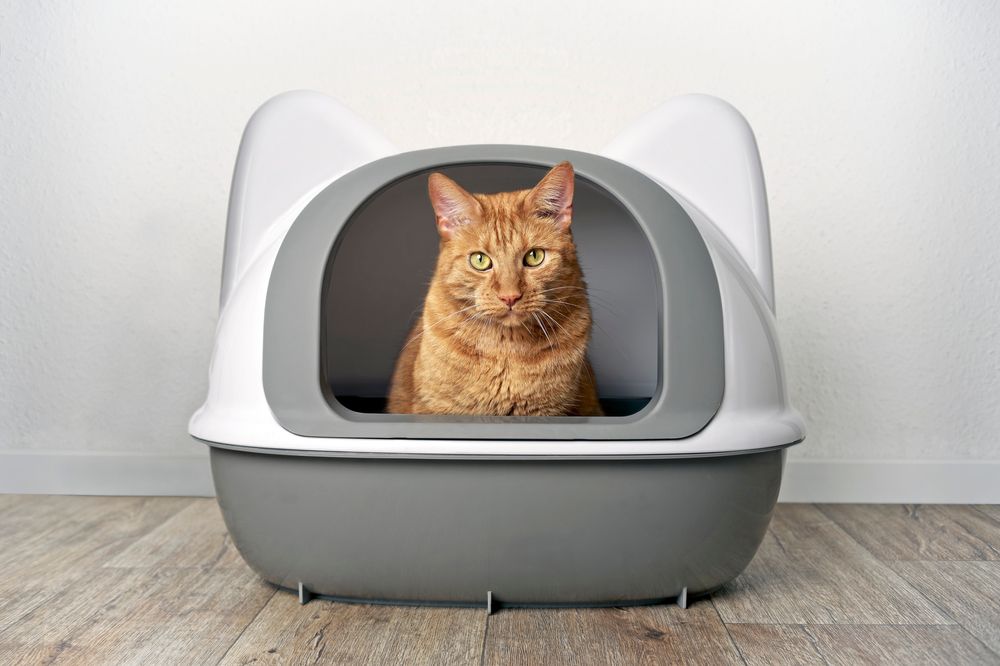
Cat litter isn’t everybody’s favorite topic, but it’s an important one, nonetheless. You’ve gotten used to your cat’s usual comings and goings and probably even noticed a few quirky behaviors related to your cat’s litter box(es). Every cat is unique, but some unique potty quirks are common enough to address.
Let’s dig into the weird stuff your cat does with their litter box, what it possibly means, and whether you should be concerned about it. Hopefully, with this information, you can better parse why your cat does the oddball things they do.

Top 10 Weird Cat Litter Box Habits
A Note From Our Veterinarian
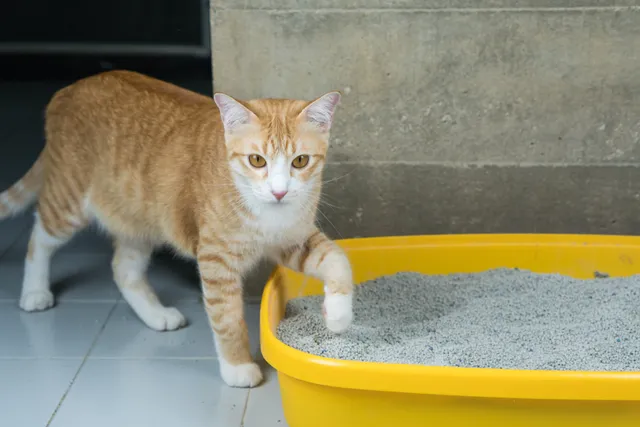
1. Going Outside the Litter Box
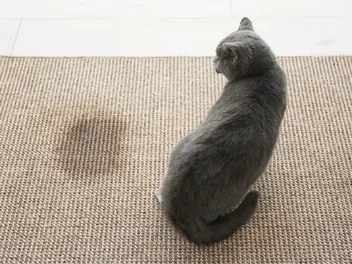
It’s one of the most exasperating litter box-related mishaps: your cat poops right outside the litter box. Your first reaction might be to assume they’re mad at you, but they’re not. When your cat is unsatisfied with the litter box’s position, cleanliness, or type of litter, they might straight up refuse to use it. You’ll have to play a guessing game on what your cat’s issue is to solve the problem.
Sometimes, this happens simply because your cat cannot access the litter box. If the door leading to the room with the litter box is accidentally closed shut, your cat simply wouldn’t have a chance to use their litter box and would go elsewhere. Fixing such scenarios is relatively easy.
Going outside the litter box can also be associated with other health issues. Examples of such issues include arthritis (going inside the litter box is just too painful), urinary tract ailments, or even feline dementia. It goes without saying that the first thing you should do in such a scenario is seek veterinary care to rule out underlying medical issues.
2. Not Covering Their Business
Cats are known for covering their waste with fresh litter, but sometimes they’ll leave it exposed for a host of different reasons. Dominant, highly territorial intact males may sometimes leave their waste uncovered after using the litter box because they don’t feel the urge to hide their waste from predators. Other times, it can be indicative of a medical condition that makes going to the litter box and covering their waste painful or flat-out impossible. This is especially true for cats that have been declawed or cats that have had their nails covered with nail caps.
Certain kinds of musculoskeletal conditions, urinary tract ailments, paw or nail injuries, and more can make covering waste too much of a hassle, so your cat might skip it. This is definitely something to bring up to your vet.
3. Cat Litter Kicking
Litter kicking may occur because the litter box is too small for them to complete their natural digging and covering ritual, or because there is not enough litter for them to feel they can adequately cover their waste, leading to frustration. In some cases, a cat may be intensely testing the litter texture and depth before eliminating, or they may be exhibiting marking behaviors (especially if they are kicking soiled litter backward) due to stress, territory disputes, or an underlying medical issue like a UTI. For kittens, the behavior often stems from simple play or a lack of learning proper litter box etiquette from their mother.
To help remedy this issue, several simple environmental adjustments can be made to better accommodate your cat's needs. The most effective solutions involve increasing the size or coverage of the box, such as getting a larger litter box so your cat can comfortably dig, using a box with higher sides, or switching to a covered litter box to physically prevent the litter from being kicked out. You should also ensure there is always enough litter in the box and that it is cleaned daily to satisfy picky "litter testers." If the kicking seems related to marking behavior, you may need to address underlying stress or territory issues. If these simple fixes don't work, it's highly recommended to consult a veterinarian to rule out any medical reasons, such as a Urinary Tract Infection (UTI).

4. Guarding the Litter Box
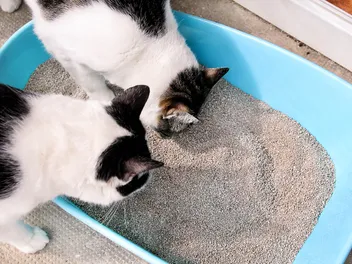
If you have more than one cat, chances are you’ve seen one of your cats being overly protective or defensive of their favorite litter box. This is a natural territorial instinct to guard the locations where they eliminate their waste. In the wild, predators could smell their waste and use it to track them, but obviously, this isn’t a valid concern in your safe, comfortable home. Still, even amicable feline housemates can get a little possessive and hiss at each other over the best litter spots.
This phenomenon is known as resource guarding, and can extend to beyond the litter box. Cats can even guard their favorite sleeping spots, toys, scratching posts, or bowls. At times, they may even attempt to guard you and fight with other cats that attempt to get your attention. Not all cats display signs of resource guarding. However, it is definitely a warranted concern in multiple-pet households.
To help alleviate cat spats over litter box access, it’s necessary to have more than one litter box. The generally accepted rule of thumb is one litter box per cat, plus one extra. For instance, if you have 2 cats, you would need 3 litter boxes. Likewise, if you have 5 cats, you would ideally need at least 6 litter boxes. Keep note that this guideline is a minimum; more litter boxes are perfectly acceptable. More litter boxes mean your cats don’t have to worry about competing over them, ultimately leading to a more peaceful home for everyone.
5. Lying in the Litter Box
Cats without suitable sleeping spaces of their own might resort to sleeping in soft, fresh new litter after you change the box, but that’s not the only reason they might nap there. A cat suffering from a urinary tract ailment might also lie inside or near the litter box because the infection makes them frequently urinate. If your cat seems unusually attached to being near their litter box, first think about whether your cat has a suitable sleeping space of their own—say, a pet bed. If they do and they use it, it might be time to visit the vet to get some answers on whether something medically wrong could be the cause.
6. Using the Box After You Clean It
You probably clean your cat’s litter box pretty regularly, which you’d think your cat would appreciate. They definitely do enjoy having a clean litter box, but some people believe that it’s a little deeper than that. An anecdotal theory suggests that washing the litter box removes the scent of your cat’s waste. Even if they don’t really have to go potty at that moment, they might come running after you clean the box just to get their scent back on the litter box and establish it as theirs for other animals to smell. However, the argument against this theory is that a cat’s sense of smell is much more acute than a human’s; an inconspicuously “clean” litter box might not necessarily be scent-free from a cat’s point of view.

7. Avoiding Their Litter Box
Also called litter aversion, your cat might actively avoid their litter box if you suddenly start using a new type of litter they don’t care for. The biggest reason for this is that they don’t like something about the litter. Fine, pokey clay particles might be hurting their tender little paws, or perhaps they dislike the litter’s smell. It might just be time to change up the type of litter you use. Some cats do have a preference for a specific litter, while others don’t seem to mind using any type of litter. Knowing what your cat prefers requires knowing their personality.
The litter box could also be dirty from your cat’s perspective. Yes, that’s right, your cat could be picky about how clean their litter box is. Try just cleaning the box more frequently and see if your cat starts using the box again. You can also try moving the litter box to a quieter spot to see if they just crave more privacy when they do their business.
8. Using the Side of the Box
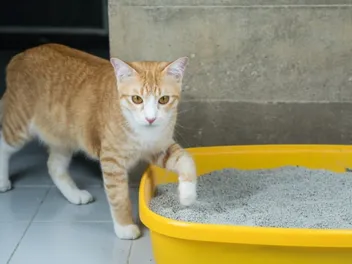
If your cat is eliminating on the sides of their litter box, the box is likely too small for them. At times, the litter box might be too small for your cat to get in position, eliminate their waste, and cover it up comfortably. Try investing in a bigger litter box that gives your cat more space to squat and do their thing without feeling cramped. A larger box with higher sides could be just what you need to make your cat happy with the litter box situation again.
9. Playing in the Litter
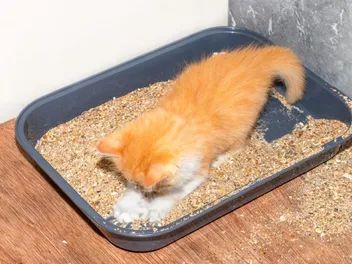
Kittens might find themselves playing in their litter, which is pretty weird and gross to us humans. They could also just be playful and simulate natural digging behaviors. For example, cats dig in the wild to pursue small prey like voles. Scratching in the litter may also satisfy their natural urge to scratch, helping to keep their claws dulled down. Sometimes a cat might hide in a covered litter box and lie in wait for unsuspecting passersby, feline, or human.

10. Running Away From the Litter Box
If you have a particularly skittish cat, they might find a loud litter box as an intimidating object. This is most commonly seen in cats who aren’t accustomed to a robotic litter box. The noises of the internal machinery cleaning up their business shortly after they finish can send them scurrying, and might make them more uncertain about using the litter box the next time they want to relieve themselves.
It’s also sometimes seen in cats that are spooked right after they use a litter box (either inadvertently or on purpose). They might associate the litter box with a negative experience and run away from it in the future.
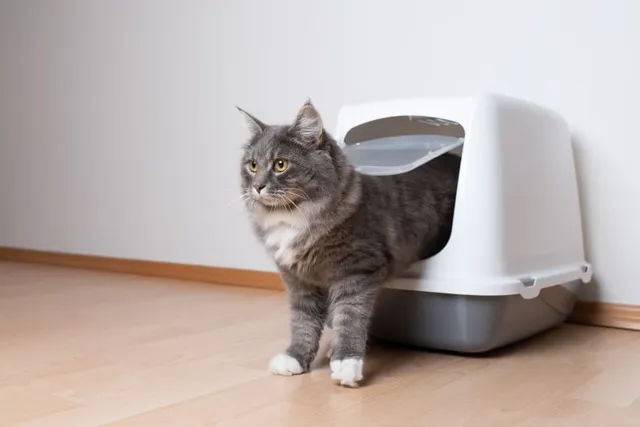
Some cats have a preference for hooded litter boxes over non-hooded ones (or vice versa), and may avoid the litter box they don’t have a liking for. It generally takes some experimentation before figuring out what your cat prefers.
This issue is most commonly reported by those who adopt adult cats. Kittens can often be acclimated to a litter box much more easily. If you adopt an adult cat, it sometimes helps to ask their former caretakers as to what type of litter and litter box they use. Though it might sound strange, many people advise adopting your cat’s litter box as well when you bring them home. Though it sounds like a smelly and weird prospect, it would definitely be appreciated by your new pet!
Conclusion
Cats naturally do some pretty crazy stuff with their litter box, from guarding it from other cats to lying in the box to refusing to cover their waste. In a lot of cases, it’s driven by natural instincts, like hiding from predators, but other times, it’s stress, simple feline curiosity, or perhaps a medical condition. It’s important to watch your cat for any sudden or concerning litter box habits to preclude certain medical problems and help them keep a healthy routine. As always, if you do suspect a medical issue, you shouldn’t hesitate to reach out to your vet for more information and clarity.
Sources
Featured Image Credit: Lightspruch, Shutterstock

Expert cat care, straight to your inbox
Vet-reviewed advice, behavior tips, and the best of Catster. Free, and you can unsubscribe anytime.
By signing up, you agree to our Terms & Conditions and Privacy & Cookies Policy.
Codee Chessher is a freelance writer with extensive knowledge on a variety of subjects that include travel, DIY, pets, and more. He has a colorful past but the written word was always his first love. He believes there's nothing a well-worded sentence can't accomplish!
When not writing, Codee enjoys reading fantasy novels, tackling DIY projects around the house, and memorizing useless pop culture trivia. He has lived in many places around the US, and most recently resides in northern Mexico.
Join the conversation
Ask a question, share your story, or send private feedback.