Get

In Your Inbox

Catster is reader-supported. When you buy via links on our site, we may earn an affiliate commission at no cost to you. Learn more.

Peterbald vs Sphynx: Key Differences (With Pictures)

Share

Peterbald VS Sphynx

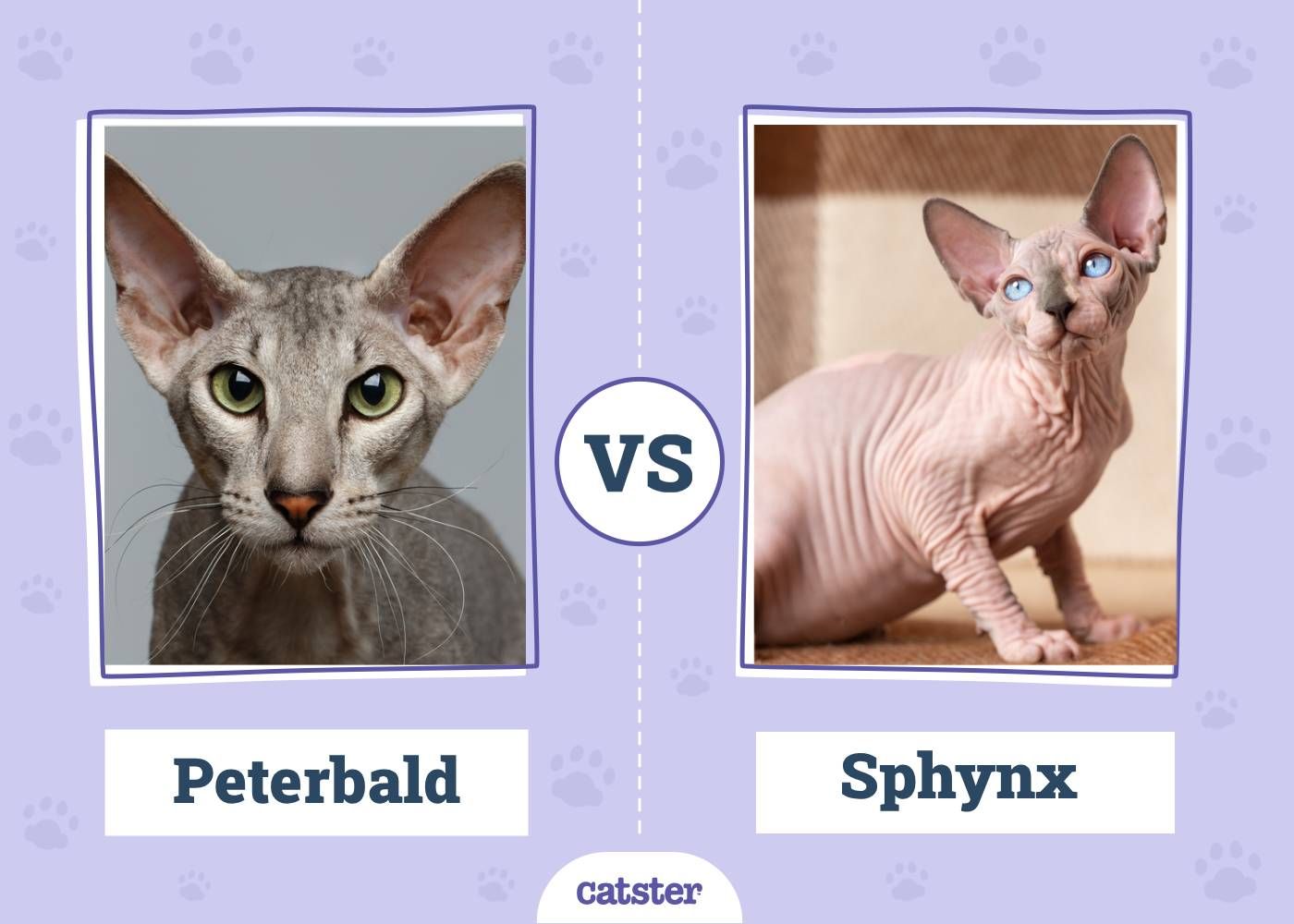
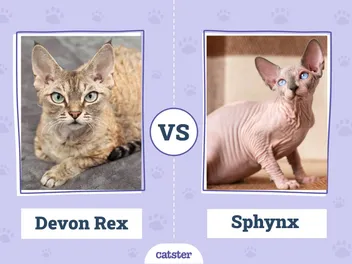
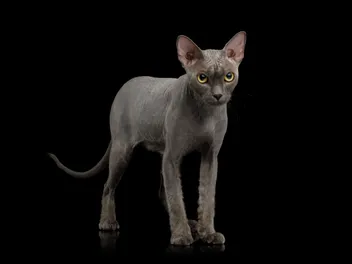
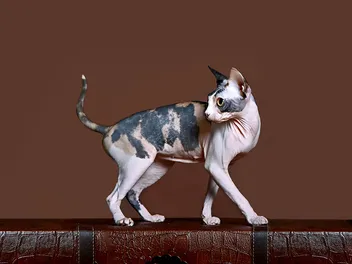
Peterbald and Sphynx cats look similar, but they are different breeds with unique origins. While they’re practically hairless, the Peterbald’s head is a little longer, and experts describe them as having a mustache because they typically retain whiskers, while the Sphynx will have shortened, broken, or completely absent whiskers.

While the Peterbald looks hairless, some individuals possess a variable coat type available in five variations caused by a dominant hair-loss gene, while the Sphynx has a genetically sparse coat resulting from a recessive mutation. Peterbald cats currently have fewer documented breed-specific inherited disorders than their Sphynx counterparts.

divider 3 paws

Visual Differences

Catster_Side by Side Comparison Peterbald vs Sphynx
You are free to use this image but we do require you to link back to Catster.com for credit

At a Glance

Peterbald
  • Average height (adult): 8 – 10 inches
  • Average weight (adult): 7 – 14 pounds
  • Lifespan: 12 – 15 years
  • Exercise: 30 minutes a day
  • Grooming needs:Moderate to high
  • Family-friendly: Yes
  • Other pet-friendly: Often
  • Trainability: Intelligent, but requires positive reinforcement
Sphynx
  • Average height (adult): 8 – 10 inches
  • Average weight (adult): 6 – 12 pounds
  • Lifespan: 8 – 14 years
  • Exercise: 30 – 45 minutes a day
  • Grooming needs: High
  • Family-friendly: Yes
  • Other pet-friendly: Often
  • Trainability: Intelligent and responds well to positive reinforcement

divider 3 paws

Peterbald Overview

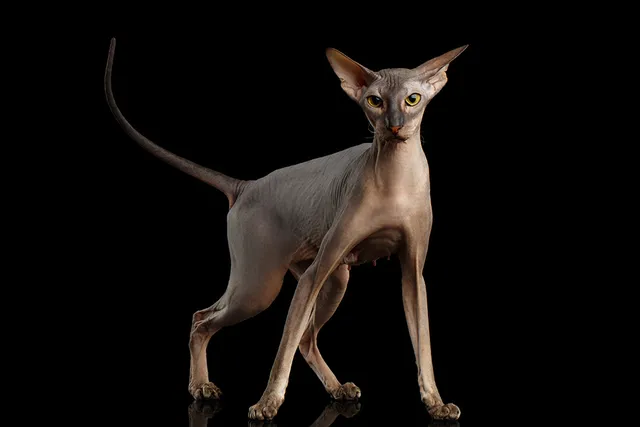
The Peterbald is a Russian breed named after St. Petersburg, where they originate. They were developed in the 1990s and are a mix of the Don Sphynx and the Oriental Shorthair. They have a thin but muscular build, almond eyes, a wedge-shaped muzzle, large ears, and a long, thin tail they will sometimes use to grab objects. The coat can change over the first few years, causing them to gain or lose hair depending on coat type and genetics. It was accepted in 2009 by the American Cat Fanciers Association for champion class competition.

Appearance

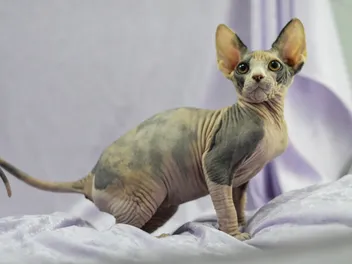
While considered hairless, it’s available in five coats.
  • Bald – Completely hairless with smooth, warm skin; whiskers and eyebrows may be absent or broken.
  • Flock – Very fine, suede-like covering with minimal hair, and typically present whiskers and eyebrows.
  • Velour – Soft, thin coat that can reach 1 mm in length and resembles peach fuzz; whiskers and eyebrows are usually present.
  • Brush – Brush is a unique, sparse, wiry, or patchy coat resembling felt that can be up to 5 mm long. The whiskers and eyebrows are also present.
  • Straight – This coat resembles a shorthair cat with no noticeable hair loss.

Grooming and Care

You will need to brush your cat’s teeth with cat-safe toothpaste, trim the nails regularly, and bathe them as needed, typically every week or two, to remove the oils that build up on the skin. These oils can cause an unpleasant odor, and they make the skin sticky, which will attract and hold dirt. You must also monitor the temperature since Peterbald cats get cold quickly.


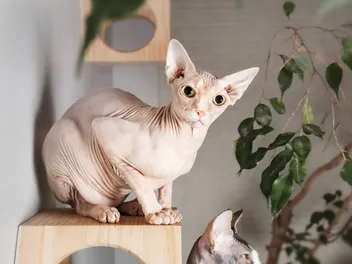
peterbald cat on the sofa
Image Credit: Natalia Belotelova, Shutterstock

Health and Care

Unlike many cat breeds, the Peterbald has no known predisposition to breed-specific hereditary diseases. As with any cat, periodontal disease and obesity are significant concerns, but there is no higher risk of inherited orthopedic or cardiac disease at this time.

Suitable for:

The Peterbald makes a great family pet or companion for a single owner. They are a vocal breed and like to follow family members around. If they get chilly, they will sit on your lap and try to snuggle up, and they enjoy the company of other cats and cat-friendly dogs and will snuggle up to them as well.

divider 3 paws

Sphynx Overview

don-sphynx-cat-sitting-outdoor
Image Credit: Best dog photo, Shutterstock

Despite their name, the Sphynx has nothing to do with Egypt and is a Canadian breed of cat originating from naturally occurring hairless mutations observed in the 1960s and 1970s. The current American and European Sphynx lines descend from cats found in Ontario, Canada, and Minnesota, USA.

The Sphynx is an extroverted breed that enjoys being around people. Many owners describe them as having doglike characteristics because they like to follow you around and run to the door when you get home.

Appearance

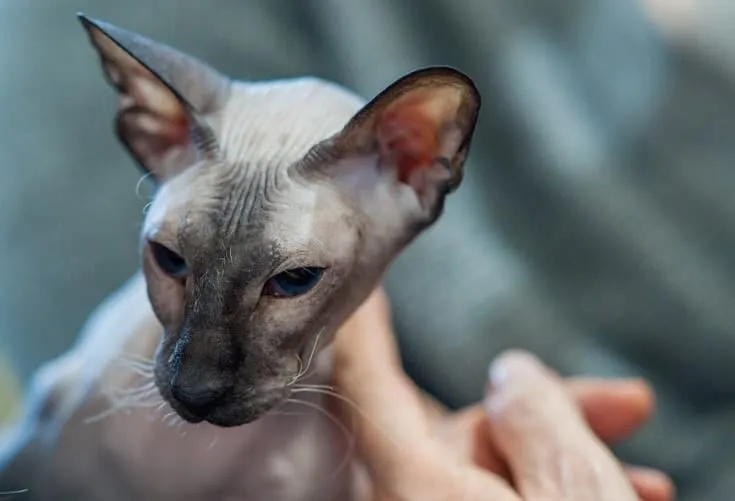
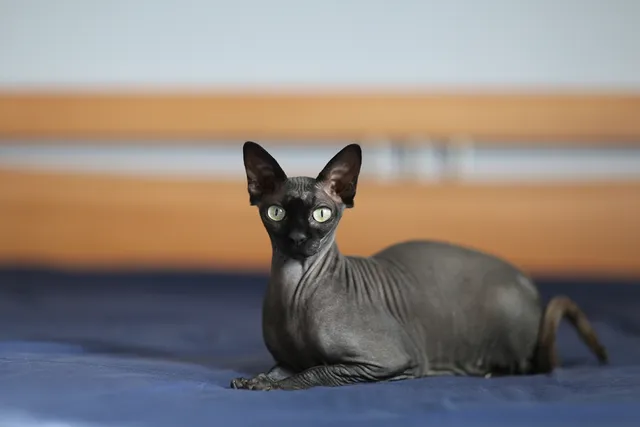
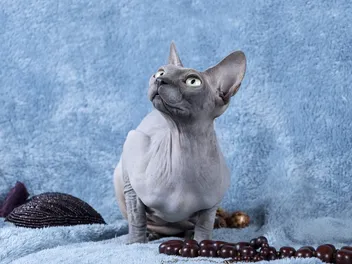
The Sphynx has a bald, wrinkled, barrel-chested body and a strong, muscular build. Most Sphynx cats aren’t completely hairless and usually have a very soft, fine fuzz on their skin.

They come in many colors and patterns, including black, red, white, chocolate, and lavender, as well as tabby, tortoiseshell, calico, and bicolor. Some Sphynx cats also show pointed or mink-like coloring. Because their color shows directly on the skin instead of fur, lighting can sometimes make it hard to tell their true color.

Grooming and Care

The Sphynx cat usually lacks normal fur and may have sparse or broken whiskers. Because there is no hair, the oils stay on the skin, making the cat sticky to the touch. These oils attract and hold dirt, which will rub off on your furniture and floors. If left on too long, the cat can begin to smell bad, and the oils can lead to skin infections or secondary yeast overgrowth.

Veterinarians recommend bathing your Sphynx every 1–2 weeks, depending on oil production. Hairless cats seem to enjoy the warm water much more than other cats, and they get used to it quickly if you are vigilant with weekly baths.

The Sphynx will get cold quickly, and many people put them in clothes to help keep them warm. They will often stay near a heater or furnace during the cold season. You must also trim the nails occasionally and brush their teeth with cat-safe toothpaste.

blue-sphynx-cat-resting
Image Credit: Tomas Salac, Shutterstock

Health Concerns

  • Skin Cancer

Unfortunately, the Sphynx may be at increased risk of sun-induced skin damage, including squamous cell carcinoma, due to their lack of fur. It’s essential to keep them out of direct sunlight, including windows your cat may enjoy sitting in. Clothing can help when sunlight is unavoidable.

  • Hypertrophic Cardiomyopathy

Hypertrophic Cardiomyopathy is a type of heart disease that affects cats. It causes the heart’s muscular walls to thicken, decreasing efficiency. It could lead to congestive heart failure and is prevalent in many breeds, including the Sphynx and the Maine Coon. Routine cardiac screening by a veterinarian is strongly recommended.

  • Congenital Myasthenic Syndrome

Congenital Myasthenic Syndrome is a rare inherited neuromuscular disorder documented in Sphynx cats. It causes the muscles to weaken, and it usually starts early in life. One of the first signs is head-bobbing because the disease makes the muscles too weak to hold the head steady. Your cat may also become tired easily and have a high-stepping gate.

Suitable for:

The Sphynx cat is suitable for families living in a warm climate who have a lot of attention to give. Their search for warmth will cause them to spend a lot of time on your lap or burrowed under the blankets in your bed.

It can also put them in situations where they get burned if they get too close to a heater, so it’s important never to leave them unsupervised when heaters are running.  However, they’re an energetic breed that loves to play games and is very affectionate.

divider 3 paws

Which Breed is Right for You?

side by side Peterbald VS Sphynx
Image Credit: Left – Seregraff, Shutterstock | Right – Igor Lukin, Pixabay

Which breed is right for you will depend somewhat on your commitment to supervising your pet. The Sphynx will need near-constant supervision and attention. It’s better suited to large families where someone is always home. You must also prevent sunlight from burning their skin.

The Peterbald is generally a much healthier cat, and if you get any coat besides the bald, you can allow minimal amounts of sunlight into your home. They are more independent and less likely to injure themselves. Peterbalds will still come to you for warmth and will spend a significant amount of time on your lap.

They’re a vocal breed that will call you from another room. If you are a first-time cat owner, we recommend the Peterbald over the  Sphynx. We hope you have enjoyed comparing these two strange and unique breeds and have found the answers you were looking for.


Featured Image Credit: Left – Seregraff, Shutterstock | Right – Alexander Piragis, Shutterstock

Want content like this delivered to you?

Sign Up For Our Newsletter

News, insights, expert advice, and everything cat

* By submitting, you agree to our Terms & Conditions and Privacy & Cookies Policy.


How useful was this post?

Click on a star to rate (you can leave written feedback after clicking submit)

Help us improve Catster for pet parents!

Your feedback really matters.

What did you like about this post? Also how can we improve it?

Join the conversation

Leave a Reply

You’re very welcome to leave a comment or question. Please know that all comments must meet our community guidelines, and your email address will NOT be published. Let’s have a positive and constructive conversation.


Talk With A Vet Online

Peace of mind,
anywhere, anytime

Affordable vet advice

Do Cats Cause Schizophrenia? Scientists Find a Link – Here’s What It Means

Being a fierce advocate (and occasional recipient of) mental health support and awareness, the term ‘crazy’ is not one I like to fling...

One in 100 Cats Gets Diabetes – Here’s How to Catch It Early

One in every 100 cats develops diabetes.1 That’s not a rare, unlucky condition reserved for cats with obvious health problems. It’s common enough...

Dramatic Rescue Turns Into Dramatic Reunion

What started as a routine call for the RSPCA became a heroic, five-hour rescue featuring one trapped and traumatized cat, an emotional family...

Ask Dr. Paola – Help! How Do I Know if it’s Ear Mites! (May 4, 2026)

Welcome to our “Ask Dr. Paola” series, where every Monday we bring expert advice straight from Dr. Paola Cuevas (MVZ) to help our...

More related

How Long After Flea Treatment Can I Pet My Cat? Vet-Approved Facts & FAQ

Fleas are a pain for many pet owners. Though fleas can strike all year round, you are most likely to see them during...

Why Is My Cat Licking the Floor? 6 Vet-Verified Reasons

Cats sometimes do the weirdest things, and licking the floor is just one way that cats confound their human servants. The good news...

How to Get Cats to Leave the Christmas Tree Alone: 12 Vet Reviewed Tips

December is a glorious time of year, often punctuated by putting up a Christmas tree in your home and decorating the house with...

Cat Urinary System: Vet-Verified Health Guide (With Diagram)

Cats’ urinary systems remove waste products, ensure proper electrolyte balance, and help with vitamin D processing. The urinary system has several organs, including...

Keep reading

Is Neem Oil Poisonous to Cats? What You Need to Know! Vet-Verified Facts

Neem oil is the current trending natural remedy of the month, being touted for everything from insect repellent to treatment for ringworm. Anecdotes of its use on pets have been reported, but vets are not so quick to jump on...

neem oil with mortar and pestle

Do Antibiotics Make Cats Sleepy? Vet-Reviewed Side Effects of Antibiotics

Antibiotics are one of the most effective ways to fight infections and have been used for more than 50 years by veterinarians. While they can help your cat recover from many different ailments, they’re not without their downsides including potential...

Veterinarian giving injection to cat

Why Is My Cat Always Hungry? 10 Vet-Verified Reasons for Excessive Eating

There are many different reasons why a cat may seem excessively hungry. At times, the reasons might be normal—an overly active cat that receives plenty of exercise will probably be hungrier than a cat that is sedentary. At other times,...

tabby cat eating from metal bowl

Why is My Cat Throwing Up Clear Liquid? 10 Vet-Reviewed Reasons

Although cats descended from wild felines that survived by consuming small mammals, fish, and reptiles, they have sensitive stomachs that do not always agree with them. Occasional vomiting is not a cause for concern, but excessive vomiting requires veterinary attention....

tabby white british shorthair cat vomit outdoors

Can a Flea Collar Make a Cat Sick? Vet-Reviewed Risks & Considerations

Flea collars can seem quite convenient, but many of them do not work well. For one thing, some do not have proven ingredients that will keep fleas away, so the results may vary. There are also safety concerns. Flea collars...

kitten wearing green flea collar

Messy Mutts Messy Cats Interactive Slow Feeder Review 2026: A Detailed Look

If you have a tubby tabby or a food-obsessed Felix, you’ve probably considered using a slow feeder. But finding an effective, quality slow feeder that works for cats can be tricky. I know, I’ve been searching for one for my...

Messy Mutts Messy Cats Interactive Slow Feeder

Can Cats Eat Passion Fruit? Vet Approved Feline Nutrition Advice

Our feline friends love treats, and we love giving treats to them! Most of the time, we stick with cat-specific treats, but sometimes, it’s tempting to let our kitties have a bite of whatever we’re eating (especially when they have...

Can Cats Eat Passion Fruit

7 Natural Sources of Taurine for Your Cat: Vet-Reviewed List

When it comes to feline diets, the importance of taurine cannot be overstated. An essential amino acid for cats, this nutrient is found almost exclusively in animal meats. Prolonged deficiency of this key ingredient can lead to a plethora of...

Taurine - powder and capsule

Love Cats? So Do We! Join the Catster Community

Stay informed with expert pet care insights delivered straight to your inbox! Discover professional guidance on animal behavior, feeding tips, trusted product picks, and much more.


Sign up for the Catster Email Newsletter

Stay informed with expert pet care insights delivered straight to your inbox! Discover professional guidance on animal behavior, feeding tips, trusted product picks, and much more.