Will a Cat Eye Infection Heal On its Own? Our Vet Explains

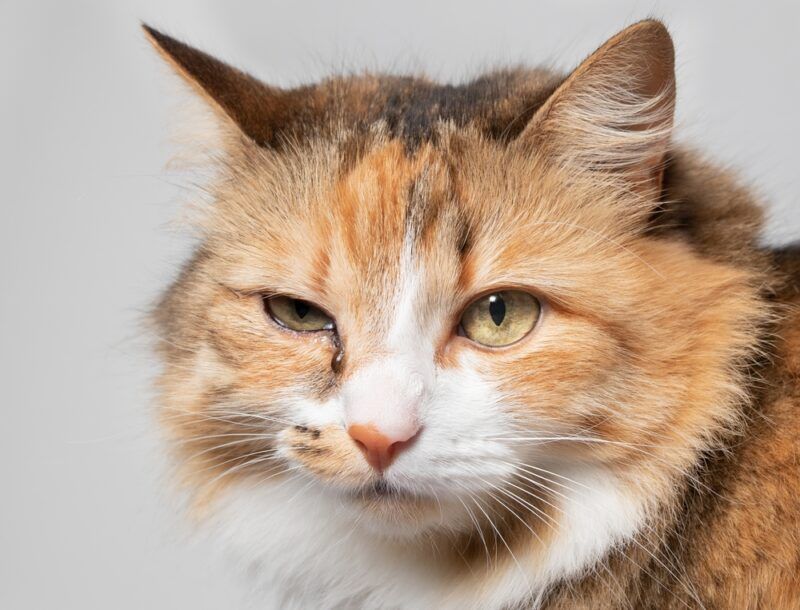
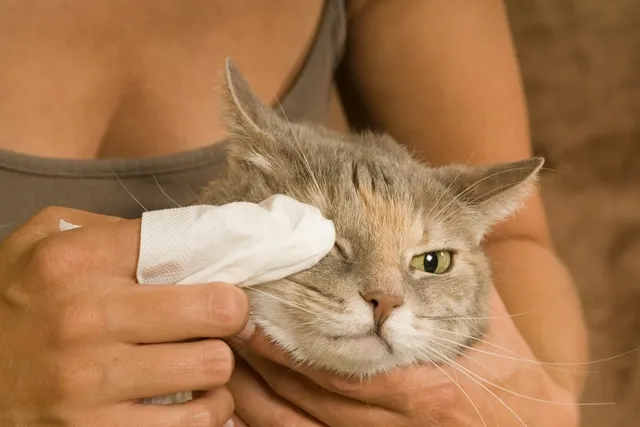
Cats get eye infections for several reasons, with viruses, injuries, and allergies being the most common causes. It goes without saying that the eyes are crucial to a cat’s overall health—they use them constantly to jump, hide, and navigate their environment. However, eyes are also extremely delicate structures, so any abnormality in your cat’s eyes should be promptly investigated.
If your cat has an eye infection or seems to be prone to getting them, you may be wondering if the infection will ever heal on its own. While this depends on the cause, the vast majority of eye infections require some form of treatment. Watching and waiting can be too risky. Read on to learn more about cat eye infections and how to manage them.

What is an Eye Infection?
Eye infection is a general term used when one of the structures of the eye has been “invaded” by germs such as bacteria or viruses. The specific part of the eye that has been infected is important.
Commonly infected parts of the eye include:
What Are the Signs of Eye Infection in Cats?

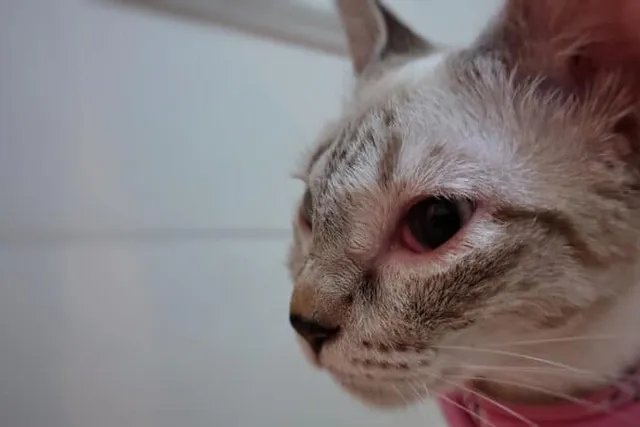
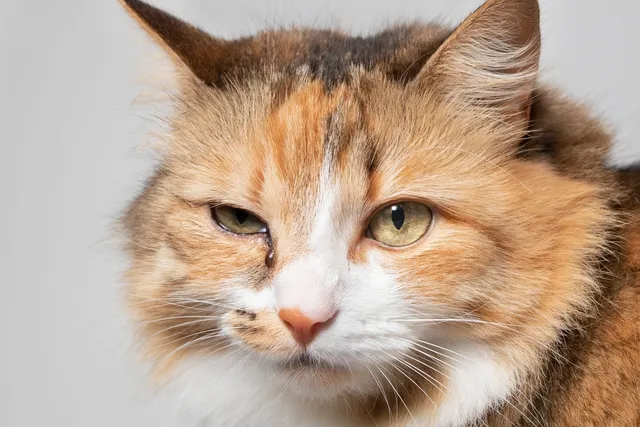
Most eye infections, irrespective of the infected structure, result in similar signs:
- Redness
- Swelling of the eyelids
- Squinting the eye closed
- Discharge or pus from the eyes
- Cloudiness
In some cats, since viral infections can also result in consequences to the eyes, you might also notice:
- Sneezing
- Nasal discharge
- Changes to breathing
What Are the Causes of Eye Infections in Cats?
Below are the four most common causes of eye infections in cats, though many others are possible.
1. Infection (Viral, Bacterial)
This might sound like an obvious one since we are talking about eye infections. However, cats can be infected with feline herpesvirus or calicivirus, which results in changes to the eye. Often, after the viral infection, opportunistic bacteria capitalize on the cat’s weakened immune system and infect the eye. Unfortunately, these infections persist for life. Many cats become “carriers” for the virus, showing no signs of ill health the majority of the time, and occasionally, stress or other problems can cause the viral infection to flare up, resulting in eye infections.
2. Trauma
Trauma is a word vets use to describe an injury. This could be anything from a stick injury, running into a wall, or a scratch from another cat. This can result in infections of the cornea, the conjunctiva, or the eyelids.

3. Foreign Body
A foreign body refers to an object in the eye that shouldn’t be there. These often get stuck in the conjunctiva, or behind the third eyelid (a special eyelid that cats have, but humans don’t). Foreign bodies can be a blade of grass, a grass seed, a piece of stick, a clump of dirt—the list goes on. These generally cause a severe inflammatory reaction that won’t settle until the object is physically removed.
4. Allergy
Allergies are a fairly common cause of conjunctivitis in cats, dogs, and people! Allergic cats are often reacting to something in the environment—grasses, pollens, and dust. However, food can also cause allergies in cats. These allergies tend to be seasonal. They often come and go throughout a cat’s life, as there is no specific cure, though managing your cat’s environment can make a big difference.

Will Cat Eye Infections Heal on Their Own?
Generally, no—cat eye infections require medications to heal. However, this depends a lot on the underlying cause. Occasionally, a mild eye infection caused by a “flare up” of herpesvirus will resolve by itself.
Having said this, it can be hard to know if the eye infection is caused by a viral disease without the aid of a veterinarian. Additionally, eye infections caused by feline viruses are sore and uncomfortable, so consulting your veterinarian to discuss medication may help speed up your cat’s recovery. Eye infections caused by trauma, foreign bodies, or allergies will usually not heal by themselves.
What Can I Do to Prevent Eye Infections from Occurring?
For each of the common causes of cat eye infections, we’ve listed some things you can do to minimize the chance of them occurring:
1. Viral disease
- Avoid interaction with infected or unvaccinated cats
- Minimize stress at home
- Regular vet visits to stay on top of other health issues
- Supplements such as L-lysine and fish oil—these should be discussed with your vet
- Balanced diet—never raw food
2. Foreign bodies
- Keep your cat indoors as much as possible

3. Trauma
- Prevent fighting among cats
- Keep your cat away from stray/feral cats
- Avoid toys or objects with sharp edges
4. Allergies
- Keep your cat indoors as much as possible
- Clean dust and mold regularly
- Try special diets—these should be discussed with your vet
It’s worth mentioning that even the above list cannot eliminate the risk of eye infections. Sometimes, despite your best efforts, eye problems will still arise!
Conclusion
Cat eyes are very important, and also very delicate. Any eye issue should be taken seriously, as cat eye infections can have drastic consequences on vision. Most cat eye infections, with the exception of very mild viral-induced infections, will not heal by themselves. Don’t hesitate to contact your veterinarian if you have any concerns.
See also:
Sources
Featured Image Credit: sophiecat, Shutterstock
Expert cat care, straight to your inbox
News, insights, and useful advice, delivered to you.

No spam — unsubscribe anytime.
By signing up, you agree to our Terms & Conditions and Privacy & Cookies Policy.
How useful was this post?
Click a star to rate. You can leave written feedback afterwards. (We read all feedback.)
Dr. Joe Mallat DVM (Veterinarian)
Joe is a veterinarian from Sydney, Australia. When he's not at his office, he enjoys cooking, exercising, and exploring the wilderness in Australia. He has worked for 2 years at a mixed-species practice on the mid-north coast of New South Wales, treating animals of all sizes. His areas of particular interest include internal medicine, wound management and oncology. Joe's love for the profession comes not only from helping cats, but also from helping their parents and working with wonderful teams of people.
Joe completed his Bachelor of Veterinary Biology and Doctor of Veterinary Medicine at the University of Sydney in 2020.