My Cat Is Scratching Their Ears Raw, What's Wrong? Our Vet Answers


In this article
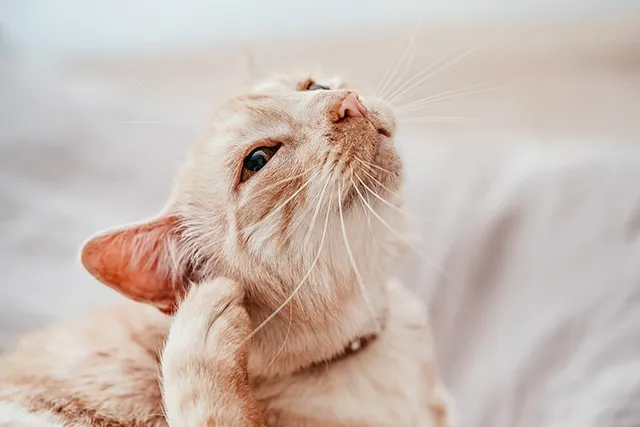
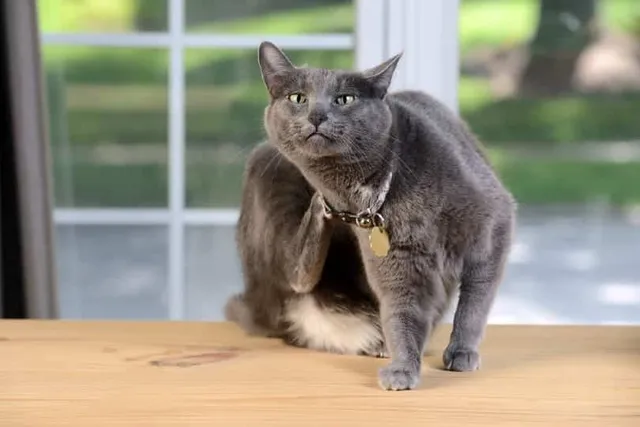
Have you noticed your cat scratching their ears incessantly? Cats are frequently seen itching their ears, shaking their head, or rubbing themselves on things. This is often a sign of a serious problem.
Cats have extremely sensitive ears. There are many things that can cause your cat to start scratching their ears, some are more serious than others. It is important for owners to be able to recognize signs of illness so that they can arrange for their cat to visit the vet. Read this vet-written guide to get the low down on cats and itchy ears.

Is Ear Scratching Normal?
A little bit of scratching in cats is completely normal. Cats scratch their ears to relieve an itch, or sometimes out of boredom. It's when the itching becomes incessant and is causing your cat pain or discomfort, or it is accompanied by other symptoms, that the scratching needs investigation.
There are various reasons cats will start to scratch more than usual. Causes can include allergies, parasites, trauma, skin infections, cysts, or tumors. It is important to take your cat to the vet if you see any signs of ear problems. The most common sign seen is, of course, scratching. Other signs can become apparent, but this is usually the first thing owners will notice at home.

The 7 Common Causes of Ear Scratching in Cats
There are a few common causes of scratching that are seen in cats.
1. Infection
Ear infections are relatively common in cats. Infections of the external ear are called Otitis External and infections of the middle ear are called Otitis Media. Ear infections can be multifactorial and often are complex and challenging to treat. They are usually caused by bacteria, fungi, or yeast.
It is so important to get ear infections treated. If they are left without veterinary intervention, they can become a chronic issue that can end in facial paralysis and deafness. The anatomy of some cats' ears makes them more prone to infections too, such as cats with small ears or more hairy ears. If your cat is suffering from diabetes, this can make them more susceptible to infections as well. Ear infections can spread from the outer ear into the middle ear and even the inner ear.
If the inner ear is affected this can alter the cat's ability to hear and also can affect their balance. Antibiotics, antifungals, and corticosteroids are often used to treat infections.
2. Waxy Build-Up in the Ear Canal
Wax buildup in the ear canal can cause excessive scratching by your cat. If the wax is blocking the canal, it can cause irritation and inflammation of the immediate area. This in turn can lead to infections as the environment in the ear canal is altered which facilitates the overgrowth of unwanted bacteria.
3. Thick Hair in the Ear Canal
If your cat has more hair than usual present in the canal or if they have thicker hair this may cause irritation as the hair may occlude the canal and allow for wax to build up and not be removed effectively.
4. Ear Mites
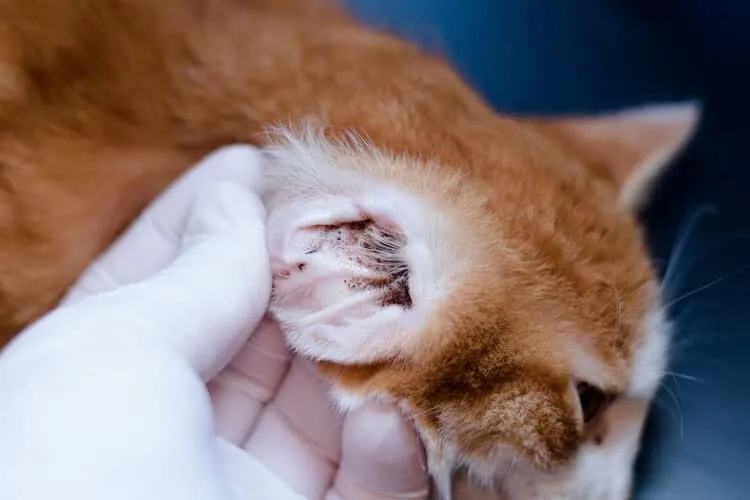
If your cat has ear mites, they will be scratching relentlessly. They will often sit with their ears folded backward or shake their head. They may also have red and inflamed ear canals and ear mites are very contagious and can be easily spread from cat to cat. They are tiny white parasites that live on the skin in the ear canal. They feed off your cat's ear wax and the oils released from the skin. If you look carefully, you can see them with the naked eye. They are easily treated with anti-parasite medications.
5. Allergies
Some cats are allergic to things they are exposed to in their environment.
Common allergens include:
The inside of the ear canal becomes red and inflamed when your cat has an allergic reaction. This causes an increase in the temperature of the ear canal and also an increase in the amount of moisture present. This allows for bacteria and yeast to thrive causing even more problems for your cat.
It can be very difficult to prevent your cat from being exposed to some of these things so allergies in cats are often hard to manage. An allergic reaction in the ear will appear as red, inflamed ear canals that are irritated and sore. Often with an allergic reaction, other parts of the skin are affected as well. Treatment depends on the underlying cause. There is also the option of management of the clinical signs as they present.
6. Ear Cysts
Eat cysts can develop through a condition unique to cats called feline ceruminous cystomatosis. In this condition, tiny dark cysts develop on the skin in the ear canal which causes a very dark sticky wax to be produced. The waxy buildup blocks the ear canal and causes itching due to the irritation. This condition can be managed, but ultimately it will require surgery to remove the cysts. Even with surgical removal, recurrence rates are high.
7. Tumors
Cats can get tumors in their ear canals and on the surface of their ears. Squamous cell carcinomas can develop on the pinna of a cat's ears, often they are caused by excessive sun exposure. Ceruminous gland adenocarcinomas can be found in the external auditory canal. Tumors can take up a lot of space and cause inflammation, swelling, and discomfort. This can cause your cat to scratch the area more than usual.


Signs There Is a Problem with Your Cat's Ears
Other than scratching, you may see some other clinical signs that will indicate a problem with your cat's ears.
Here are some things to look out for:
If you do notice any of these signs displayed by your cat, it is important to get them seen by a vet as soon as possible.
How to Diagnose the Cause of the Itching
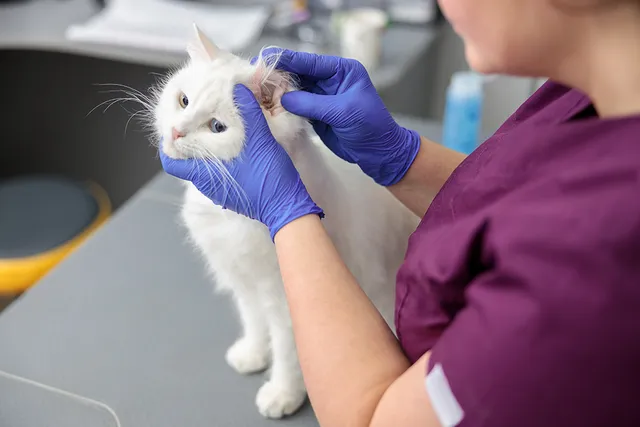
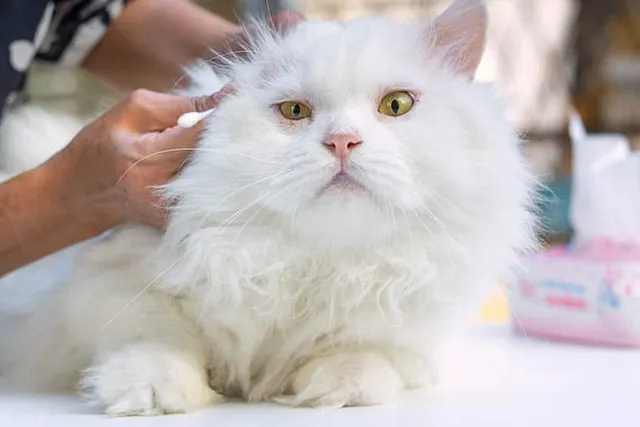
If you notice your cat scratching their ears more than is considered normal, you should take them to your vet. Your vet will give them a thorough physical exam, including looking down both ears with an instrument called an otoscope. This allows them to see down each ear canal and assess the eardrum to see if it is intact. It also allows for visualization of any possible foreign bodies, tumors, cysts, or other things that shouldn't be in the canal. Your vet will also ask you a few questions to get a good idea of the clinical history. Once they have done this, they will decide what further diagnostic tests they may need to do.
Your vet is likely to take a small sample of the debris found in the ear and examine it under a microscope. This allows for the detection of possible ear mites, yeast, or bacteria. A swab can be taken of the ear to be sent off to an external lab for culture and sensitivity testing. In some cases, biopsies can be taken if there is a mass to sample. Some cases require imaging such as X-ray, CT, or MRI to assess the internal structures of the ear.
Treatment for Itching Ears in Cats
Treatment options depend on the underlying cause of the itching. Once your vet has diagnosed this, they will decide on an appointment treatment plan. Bacterial infections require antibiotics.
Parasite infestations require anti-parasite medication. Antifungals are used if there are fungi detected. Often corticosteroids are used to reduce swelling and inflammation. If there is a cyst or a tumor present, surgical removal is normally required. Ear cleaners can be used to reduce the amount of wax present and hair can be plucked away if there is an overgrowth in the canal. Allergies can be treated with medication that reduces the clinical signs or with medication that down-regulates the body's reaction to the allergen.

Conclusion
Cats scratch their ears every so often as part of their normal behavior. If they start scratching their ears more frequently, it is advised to book an appointment with your vet to have them checked out. There are various reasons why your cat might be scratching, some can be easily treated while others are more serious, and more complicated treatment plans are required.
Sources
Featured Image Credit: Uschi Dugulin, Pixabay
Expert cat care, straight to your inbox
News, insights, and useful advice, delivered to you.

No spam — unsubscribe anytime.
By signing up, you agree to our Terms & Conditions and Privacy & Cookies Policy.
How useful was this post?
Click a star to rate. You can leave written feedback afterwards. (We read all feedback.)
Dr. Emma Chandley, BVM MRCVS (Veterinarian)
Dr. Emma is an experienced vet who is happy to share her expertise and knowledge about cats with readers. Her passion is surgery but she will happily talk about anything animal-related. Dr. Chandley graduated from The Royal Vet College and since then she has worked in general practice in Great Britain. Dr Chandley has completed a postgraduate certificate in Small Animal Surgery and has also gained Advanced Practitioner status in the same discipline. She enjoys developing her skills in animal behavior, nutrition, and clinical pathology as well.