Ask Dr. Paola – Incontinence, Hiding & Plant Safety (September 8, 2025)
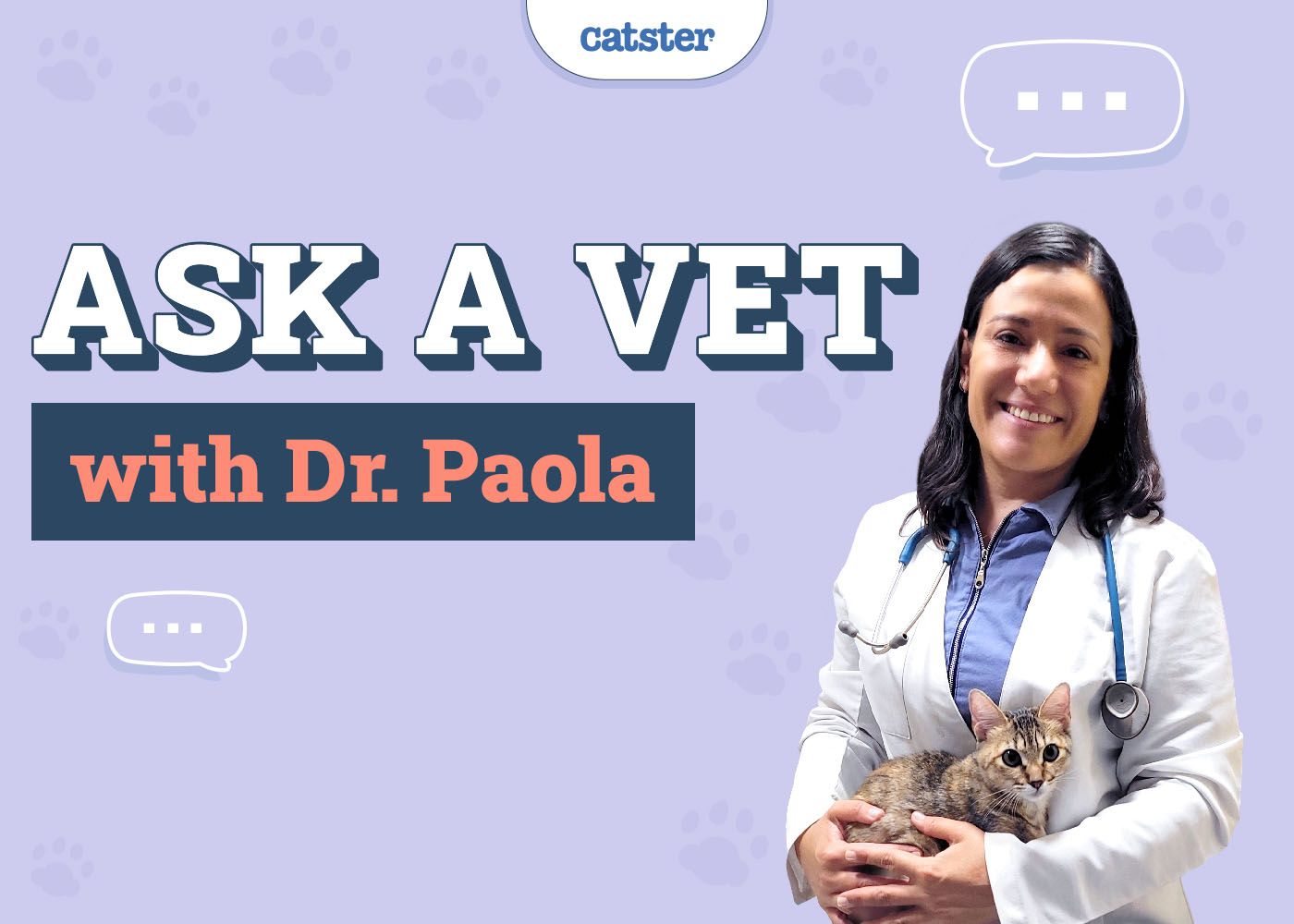
Welcome to our "Ask Dr. Paola" series, where every Monday we bring expert advice straight from Dr. Paola Cuevas (MVZ) to help our readers better understand their cat's health and well-being.
Whether you're a new pet parent or a seasoned cat lover, Dr. Paola is here to provide answers to your most pressing questions. From nutrition tips and preventive care to troubleshooting common behavioral issues, Dr. Paola is ready to offer insights that will keep your kitty happy, healthy, and feline fine. Stay tuned for expert guidance on a range of topics that matter most to you and your cat, so you can make informed decisions and provide the best possible care for your furry companion.
Have a question? Send it in here!

Help! My Cat is Incontinent!
"My cat Christie is incontinent. She is 18 and otherwise normal. Is there any medication I can give her? " - Kate
Hi Kate,
I can imagine how concerning it must be to see Christie struggle with incontinence, especially after so many years of good health. At 18, her body is going through natural changes associated with aging, and urinary incontinence can be related to several underlying causes, such as kidney or bladder disease, hormonal changes, neurological issues, or even arthritis, which makes it harder to posture normally. It is important to remember that incontinence is not a condition in itself but rather a sign pointing to an underlying issue that needs to be identified.
There are medications that can help some cats depending on the cause, but prescribing them first requires determining what is going on through a veterinary examination, urinalysis, and possibly imaging such as X-rays or an ultrasound. Giving medication without identifying the underlying cause could mask the problem or even make it worse. In the meantime, you can support Christie’s comfort with easily accessible litter boxes, absorbent bedding, or pet-safe diapers until she can be examined. Because Christie is a senior cat, I strongly recommend scheduling a veterinary visit as soon as possible to ensure she receives the most appropriate care before her case becomes more complicated.
Wishing you and Christie the very best,
Dr. Paola

Help! Our Cat Hides Under Our Bed?
"Our Cat Gracie has been hiding under our bed. We live in Florida, the Lighting capital of the world. We have recently had some really strong storms at night. The storms during the day do not seem to affect her as much as the ones at night. Is this normal? What can we do to help her?" - Carol
Hi Carol,
What you describe with Gracie is actually quite common. Many cats feel more vulnerable at night when their environment is darker and quieter, so the sudden crashes of thunder and flashes of lightning can feel much more startling than during the day when there is more background noise and activity. Hiding is a normal feline coping strategy; it helps them feel safer when they perceive a threat.
You can support Gracie by making her hiding spot more comfortable and secure. Offering a cozy covered bed or a safe space with familiar blankets can help reduce her stress. Playing calming music or white noise during storms may also soften the intensity of thunder. Some cats benefit from synthetic pheromone diffusers, which create a sense of security. If her fear ever escalates to the point where she stops eating, grooming, or interacting after storms, then it would be wise to discuss this with your veterinarian, as there are additional management strategies available. In the meantime, you are already doing the most important thing by respecting her need to retreat and making sure she feels safe.
Sincerely,
- Dr. Paola

I Need Help With Plant Safety!
“Dear Dr. Paola,
I have some questions about product/plant safety for our cat Karlsson.
First, is it safe to handle vitamins and then pet him after or later, even if there could be some stuck on our hands from moisture?
We also have a Schefflera arboricola that had some ‘dried juice’ on its leaves after it. I think, because I didn't water them for a while, but I am worried it could harm our furry family member.
There's also deodorant I might want, but not sure if it's safe in a house with cats. It contains cetearyl alcohol and small amounts of Rosmarinus officinalis leaf oil" – Daniel
Hi Daniel,
When it comes to vitamins, the safest habit is to wash your hands before petting your cat. While most vitamins handled briefly are unlikely to pose a risk, some contain ingredients like iron or vitamin D that could be harmful if residue were transferred to your cat’s coat and later ingested during grooming. A quick hand wash removes that concern, much like after preparing food in the kitchen.
Regarding your Schefflera arboricola, often called the dwarf umbrella tree, this plant contains insoluble calcium oxalates. If a cat chews on fresh leaves or stems, these sharp crystals can cause mouth irritation, drooling, pawing at the face, and sometimes vomiting. The good news is that once sap has dried, the risk of transfer from simply touching the plant or being near it is extremely low, especially if it has not been watered recently and no fresh sap is exposed.
For peace of mind, I would recommend keeping Karlsson from chewing on the plant and washing your hands after handling it, particularly if a leaf is broken. It’s similar to handling chili peppers in the kitchen: as long as you avoid transferring residue to sensitive areas and wash up, there is no harm. The dried juice on intact leaves is very unlikely to pose a risk simply by being in the environment.
Regards,
Dr. Paola
This article is a part of our weekly Ask Dr. Paola series
Expert cat care, straight to your inbox
News, insights, and useful advice, delivered to you.

No spam — unsubscribe anytime.
By signing up, you agree to our Terms & Conditions and Privacy & Cookies Policy.
How useful was this post?
Click a star to rate. You can leave written feedback afterwards. (We read all feedback.)

Dr. Paola Cuevas MVZ (Veterinarian)
Dr. Paola Cuevas is the Senior In-House Veterinarian at Pangolia, the parent company of Catster. She has over 18 years of experience as a veterinarian and animal behaviorist. Paola's focus is on preventive medicine and animal welfare. Paola has a large range of skills in from diagnostic imaging to nutrition and clinical pathology. Paola enjoys sharing her extensive knowledge of animal training with our Catster readers and is always happy to answer reader questions as our in-house veterinarian.