Ask Dr. Paola – Behavior Changes, Volunteering & Hair Chewing (November 3, 2025)

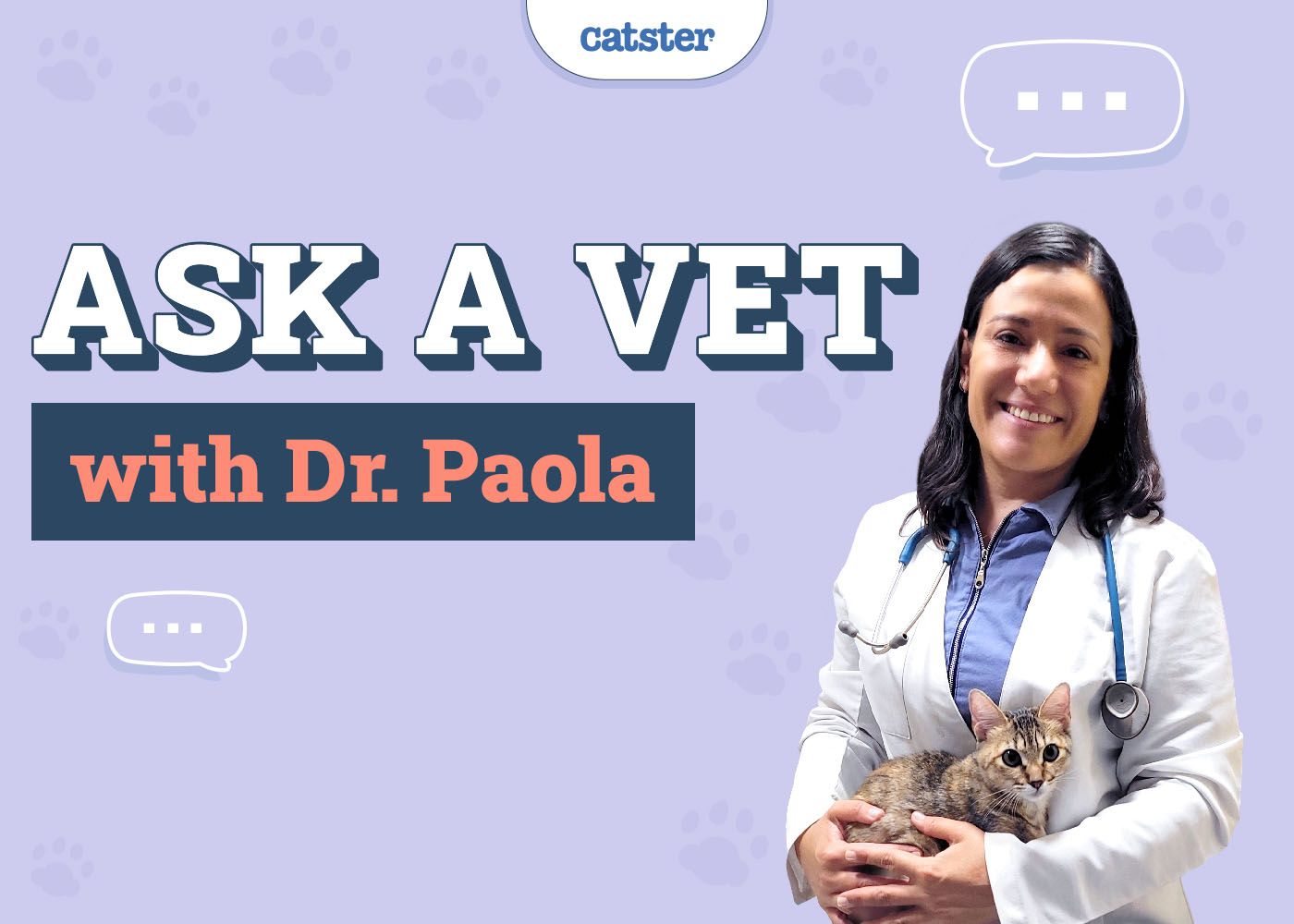
Welcome to our "Ask Dr. Paola" series, where every Monday we bring expert advice straight from Dr. Paola Cuevas (MVZ) to help our readers better understand their cat's health and well-being.
Whether you're a new pet parent or a seasoned cat lover, Dr. Paola is here to provide answers to your most pressing questions. From nutrition tips and preventive care to troubleshooting common behavioral issues, Dr. Paola is ready to offer insights that will keep your kitty happy, healthy, and feline fine. Stay tuned for expert guidance on a range of topics that matter most to you and your cat, so you can make informed decisions and provide the best possible care for your furry companion.
Have a question? Send it in here!

Help! My Cat Has Been Acting Strange!
"Forest is a 3-year-old neutered male rescue. We’ve had him for over a year. Recently, he’s been meowing more than he used to and bumping into us more, and has started biting. I try to play with him a few times a day; usually, he seems interested for a few minutes and then walks away. He has new toys. He’s asking for more food, also, which we don’t want to give in to too much! He eats any plastic he can get (we’re careful), licks book covers and tape, and generally seems different and out of sorts. His physical exams have been fine. Do you have any suggestions?" - Polly
Hi Polly,
When a cat who’s been settled for a while begins to show behavioral shifts like increased vocalization, changes in appetite, and new oral fixations such as chewing plastic or licking unusual textures, it’s often a clue that something in his internal or external environment has changed. Even though his physical exams have been normal, it may be worth discussing with your veterinarian the possibility of running a few additional tests, such as thyroid hormone levels or a full blood chemistry panel. Subtle metabolic changes, dental discomfort, or even mild gastrointestinal issues can sometimes manifest as behavioral changes before other clinical signs appear.
Behaviorally, cats can also express frustration, boredom, or anxiety through attention-seeking and biting. Forest’s short play interest might suggest that his play style or energy needs aren’t being fully met. Try shorter, more frequent play sessions using prey-like toys that move unpredictably, mimicking hunting behavior. Rotate toys to keep them novel, and consider adding enrichment such as puzzle feeders or vertical climbing spaces to help channel his instincts. His interest in non-food objects might also hint at a form of pica, which sometimes has nutritional or stress-related origins.
Since you’ve already been attentive and careful, I suggest connecting with your primary veterinarian to review his recent behavioral and dietary changes. In the meantime, if you ever need guidance on adjusting play or enrichment strategies while waiting for an appointment, at Pangovet, we can help you create a plan for Forest. Best,
Dr. Paola

I Want to Work with Animals!
"I love animals and would love to be able to volunteer for animals and be able to pet sit. Any ideas?" - Alyssia
That’s such a lovely intention, Alyssia. Your kindness and enthusiasm for helping animals can make a real difference, whether through volunteering or pet sitting. Shelters and rescues always need compassionate hands to help with feeding, cleaning, socializing, and simply giving comfort to animals who may be frightened or recovering. Volunteering is a wonderful way to learn more about animal behavior and care while offering much-needed support to organizations that often work with limited resources.
If you’d like to start pet sitting, it helps to gain some hands-on experience first, either through volunteering or helping friends and neighbors with their pets. Understanding each animal’s body language, routines, and stress triggers is key to keeping them happy and safe. Free online resources such as Catster, and our sister sites Pangovet, Dogster, and Hepper are great ways to learn golden nuggets of animal care and welfare. Many communities also offer workshops or online courses on pet first aid and animal handling, which can help you feel confident and prepared. Your empathy is already the perfect foundation, and everything else can be learned with time and gentle experience. Follow your dreams, we need more animal lovers on this planet!
Sincerely,
- Dr. Paola

How Do I Get My Cat to Stop Chewing on My Hair?
"Hi Dr. Paola,
My little princess Tiana loves to chew on my hair. While it's cute she wants to be near me, the sound is awful and I hate it, but I feel bad reprimanding her. How can I get her to stop? " - Evelyn
Hi Evelyn,
That’s such a relatable situation. Cats often chew hair as a form of affection or comfort, especially when they’re closely bonded to their person. It can also be a grooming behavior, something she’d normally do with another cat to strengthen social bonds. However, when the behavior becomes bothersome or repetitive, it’s important to gently redirect it rather than reprimand her, since negative responses can confuse or stress cats whose intentions are affectionate.
Try calmly moving your hair out of reach and redirecting her attention to something more appropriate, like a soft toy or a lick mat with a bit of her favorite paste treat. Do this before she licks your hair, not as a consequence, so you’ll need to learn her subtle cues. You might notice she does it during quiet bonding moments or when seeking comfort. Offering her a toy, a grooming brush, or affection through petting or slow blinking reinforces connection while teaching her that closeness doesn’t have to involve hair chewing.
Some cats also chew hair when they’re seeking sensory stimulation or feeling a bit anxious, so enriching their environment with short play sessions and puzzle feeders can help. With consistency and gentle redirection, Tiana will feel secure and loved while learning healthier ways to express her affection.
You got this!
- Dr. Paola
This article is a part of our weekly Ask Dr. Paola series
Expert cat care, straight to your inbox
News, insights, and useful advice, delivered to you.

No spam — unsubscribe anytime.
By signing up, you agree to our Terms & Conditions and Privacy & Cookies Policy.
How useful was this post?
Click a star to rate. You can leave written feedback afterwards. (We read all feedback.)
Dr. Paola Cuevas MVZ (Veterinarian)
Dr. Paola Cuevas is the Senior In-House Veterinarian at Pangolia, the parent company of Catster. She has over 18 years of experience as a veterinarian and animal behaviorist. Paola's focus is on preventive medicine and animal welfare. Paola has a large range of skills in from diagnostic imaging to nutrition and clinical pathology. Paola enjoys sharing her extensive knowledge of animal training with our Catster readers and is always happy to answer reader questions as our in-house veterinarian.