In this article
View 3 More +At 4 months old, your feline has likely gotten used to being at your home and away from their mother and siblings. You’ve also probably gotten used to having a cat in the house. However, your 4-month-old kitten still changes all the time. You can expect them to be learning constantly, and their development is still moving at top speed.
This month holds a lot of changes for your kitten, even if they’re only 120 days old. We review all of these changes here.
The 5 Developmental Changes to Expect in a 4-Month-Old Kitten
Your kitten will be going through many developmental changes, both physical and mental.
1. Weight Gain
Around this age, most kittens are still gaining a lot of weight each week. You can expect your kitten to continue gaining length and weight, though they may be losing some of the kitten-lankiness you’ve grown used to. Many cats begin looking more like adult cats at this age, even if they still have some growing up to do.
2. Teething
Your kitten will also begin teething. Their baby teeth will fall out, and you’ll begin to see adult teeth peeking through. Often, this process takes place over a couple of months, though some kittens may move much faster than that.
Luckily, a teething kitten usually isn’t as much of a handful as a teething puppy. They don’t chew on as many things, for instance. However, some kittens still chew on chair legs and other improper items. You may need to invest in some chew toys during this time.

3. Coordination
You’ll also notice an improvement in coordination during this time. Your cat will be able to jump higher and may get stuck in some strange situations. If you haven’t kitten-proofed your house, do so now. Your kitten will probably get into more things than they did in the past.
4. Mental Development
Mental development is also going much faster at this time. You’ll notice more confidence and curiosity, likely thanks to their newfound coordination. They’ll probably get into more mischief, but many owners also find their kittens coming into their personalities. Your 4-month-old cat will likely show very obvious preferences for toys, food, and attention at this stage.

5. Play and Independence
Independence tends to strengthen at this age, too. If your kitten previously had separation anxiety, that issue may disappear overnight. Of course, attention is still important, but most cats are much more comfortable being alone at this age.
Play may also become more complex. You may notice that your cat has mastered the basics of swatting and pouncing. Therefore, they may start incorporating more advanced moves and trying new combinations. They’ll likely remain just as playful as before. It isn’t until closer to adulthood that kittens begin calming down.

Behavioral Changes in 4-Month-Old Kittens
All of these development stages also lead to changes in behavior. Some cats may seem much more energetic at this stage, but it’s more likely that they’re just more capable of using their energy. Before, it took a lot of effort to run and pounce. Now that cats can do that just fine; they may take to climbing your curtains!
Expect much more activity at this stage, which may not lessen until your cat becomes much older.
Your cat’s personality will start blooming, which may bring all sorts of new behaviors to the forefront. Behaviors that develop now will likely continue into adulthood. So, if your 4-month-old cat starts developing poor behaviors, it’s important to put a stop to them quickly. Training is vital at this stage.
Socialization is also essential. If your kitten isn’t brought around new people and other pets, they may become fearful. This is a very short window to socialize your cat, so it’s important to really take advantage of it. Build confidence by providing plenty of positive reinforcement and allowing your cat to explore, which is exactly what they’re made to do at this age.
Another thing to be aware of is that some female kittens can get their first heat as young as 4 months old. Please do not let your female kitten around any tomcats to prevent unplanned and premature pregnancies.

Planning Ahead
There are several things you’ll need to do this month to keep your 4-month-old cat healthy.
First, plan a vet visit to check on your kitten’s growth and provide vaccinations. While not all cats will need a checkup this month, the vast majority will. You can check with your vet for a specific schedule that your kitten should follow. If your cat hasn’t been to the vet at all, you really need to make an appointment with enough lead time.
Second, deworming and microchipping should be discussed. Many kittens have worms, so it’s vital that your kitten is dewormed at regular intervals.
You may also want to consider spaying or neutering your kitten. This is often done by 6 months of age, so if your kitten isn’t scheduled, now is the time to do so. Most vets are at least a month or two booked, so you’ll have to make the appointment far before your kitten needs it. If you have any questions, you can chat with a vet online for advice on the best course of action.
If you need to speak with a vet but can't get to one, head over to PangoVet. It's an online service where you can talk to a vet online and get the advice you need for your pet — all at an affordable price!

Most kittens should be litter box trained by now. However, if your kitten isn’t, you may need to start paying extra attention to training. Accidents are still expected, but they should be few and far between. A kitten that suddenly has lots of accidents may need to see a vet, as urinating outside of the litter box might be due to health issues.
Invest in a quality scratching post this month if you haven’t already. Small kittens don’t tend to scratch too much, but your kitten is now reaching an age where they absolutely will! You don’t want your sofa to be an option, so you should start training your 4-month-old cat to use the scratching post now.
Interactive toys are often a must at this stage, as kittens tend to be very active. Unless you have hours to play with your cat each day, getting their exercise needs met will be a challenge! Therefore, we highly recommend purchasing some battery-powered cat wands or similar toys. These will keep your kitty busy when you can’t!

Nutrition for 4-Month-Old Kittens
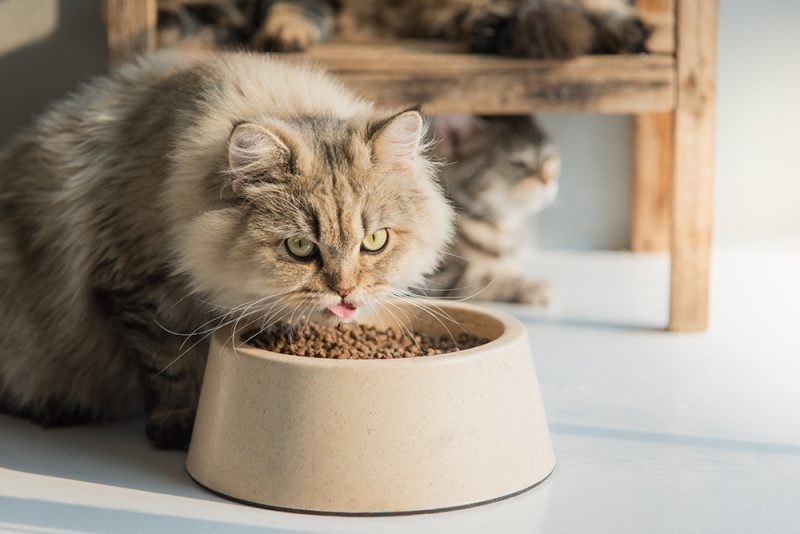
Keeping your 4-month-old kitten properly growing is important. This is done partially by ensuring they eat the proper food. A high-quality kitten formula should be continued through this month. If your vet finds that your kitten isn’t growing properly, they may need to switch to a different kitten food.
Four-month-old kittens still have a great deal of energy and do best with small, frequent feedings, so you will need to divide their daily food allowance into three meals a day.
Portion control matters, even at this young age—don’t feed your kitten excessive amounts. Also, avoid getting your kitten used to overeating by freely offering dry food. Being overweight can have a negative impact on your kitten’s joints, causing early mobility issues.
Final Thoughts
Remember, every kitten is different, so some may hit these milestones earlier or later. As long as your cat isn’t displaying any strange behaviors or obviously struggling to do normal kitten things, there usually isn’t anything to worry about. Of course, you should absolutely talk to your vet about any concerns. Excessive biting, meowing, or changes in litter box habits are all signs that something else may be going on.
Socialization and desensitization are the most important things to consider at this stage. However, some kittens can have their first heat as young as 4 months of age, so take the necessary steps to prevent any contact with tomcats.
Proper desensitization and socialization are vital because they help your kitten grow into a fine adult that is well-behaved and not scared of everything. Plus, socialization becomes much harder later, so we highly recommend starting now, while it is still easy.
See Also:
- 2-Month-Old Kitten: What to Expect & How to Care For Them
- Caring For a 1-Year-Old Cat: Health & Wellness Tips
Featured Image Credit: Ian McGlasham, Shutterstock