Burmese cats are incredibly popular companion animals, and for good reason! They’re sweet, smart, active, loving, and enjoy hanging out with their favorite people. These fantastic cats are hard to miss, thanks to their stunning muscles and gorgeous round heads.
If you’ve been considering adopting a Burmese cat and are looking for information about the breed, you’ve come to the right place. Keep reading to learn more about these fantastic cats.
Breed Overview
Height:
10–12 inches
Weight:
8–12 pounds
Lifespan:
15–20 years
Colors:
Champagne, platinum, fawn, cream, cinnamon, sable, blue, chocolate, and various patterns
Suitable for:
Families and individuals interested in a loving, attentive, fun-loving companion
Temperament:
Energetic, super smart, and playful
There’s a good chance Burmese cats have been around for a long time. They may be related to cats that are naturally found in parts of Southeast Asia in the area once referred to as Burma. The breed officially started when a brown cat from the area was brought to the United States and bred with Siamese cats during the first part of the 20th century.
Burmese Cat Characteristics

Burmese Kittens

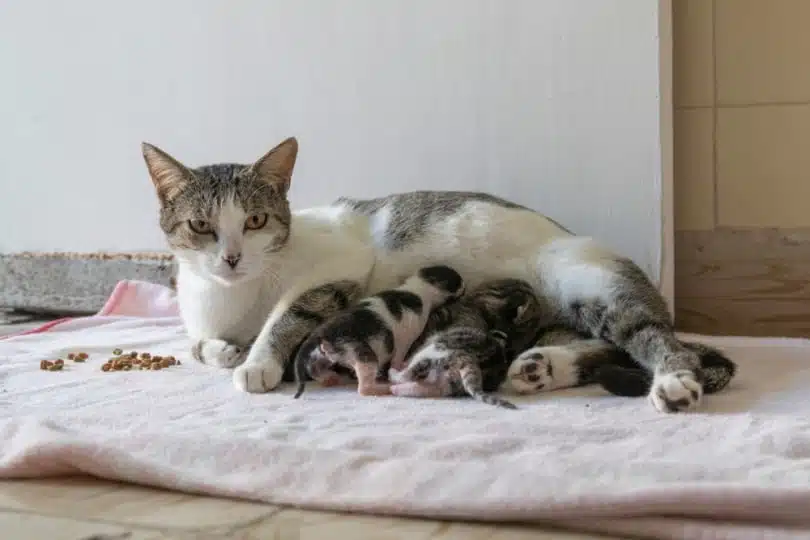
Because these cats make excellent companions, finding adoptable kittens in shelters may be difficult, so you’ll likely need to purchase one from a breeder. However, Burmese kittens raised by breeders are usually relatively easy to find since they have been around for quite some time, and there are plenty of catteries working with the cats. Breeders often prefer to keep kittens until they’re at least 12 weeks old before sending them to their forever homes.
Burmese kittens are known for being curious, playful, and active, and Burmese cats are not much different. These adorable kittens often grow into cats who remain quite kitten-like well into adulthood. Kittens become adults when they’re about 1 year old, but most continue to fill out a bit here and there for a while longer.
Cats usually settle into their adult personalities when they reach about 2 years old. Exposing cats to tasks like clipping their nails and brushing their teeth while they’re still young can make a huge difference in their overall comfort.

Temperament & Intelligence of the Burmese Cat

Burmese cats have a wonderful combination of traits that makes them amazing companions! They’re active, friendly, and interested in having fun with people; they’re incredibly social and thrive in environments where they get lots of attention and can participate in household activities.
Many Burmese happily engage in conversations with their favorite people to ensure their opinions and wishes are known to all, and some follow their favorites around the house. Because they love interacting with new people and animals, they’re best kept indoors for their safety. They’re often described as having dog-like personalities.
Are These Cats Good for Families? 👪
Burmese cats make fantastic family companions! They’re active, alert, playful, and love being involved in whatever is happening at home. They have lots of energy and are fun to play with, but they’re also champion snugglers who are happy to mellow out with their favorite people.
Does This Breed Get Along with Other Pets?
Burmese cats generally get along with other cats and dogs quite well. Because they are so social and prefer having company, they do best in homes where someone is always home.

Things to Know When Owning a Burmese Cat
Here are a few aspects of Burmese care you should know before giving one a forever home.
Food & Diet Requirements 🐡
Burmese cats don’t need to eat special food to stay healthy; high-quality brands that provide all the nutrients felines require are generally acceptable. Products with an Association of American Feed Control Officials (AAFCO) statement of nutritional adequacy contain everything cats need to do well.
Kittens and lactating queens require special food that’s higher in protein and calories than what’s included in normal adult cat food, so they should eat formulations specifically designed to support their needs. Staying on top of how much they eat is critical, as Burmese cats are prone to gaining weight.

Exercise 🐈
Cats require regular physical activity to stay in top shape, and playtime is a fun way for them to get exercise that also engages their natural hunting instincts. Not only does exercise provide entertainment, but it’s also critical for cats’ overall well-being. It helps relieve stress and get rid of pent-up energy, which can often lead to less-than-ideal behavior if not properly channeled.
Getting daily exercise can help cats stay relaxed, happy, and centered. Exercise is also vital to ensure they maintain a healthy weight. Overweight pets are at increased risk for developing several severe health conditions, such as heart disease and arthritis. About two to three short daily play sessions are ideal.
Training 🧶
Burmese cats are clever and interested in interacting with people, so they’re often relatively easy to train. They can learn to sit, respond to their name, and speak on command. Many can also be trained to play fetch and say hi when asked to.
Burmese cats often respond well to clicker training since it makes it easy for them to determine which action you’re looking for. Positive reinforcement is ideal for motivating cats to participate; treats and snuggles are generally welcome. Short sessions keep things interesting for Burmese cats; 15-minute sessions are the longest most cats can tolerate.

Grooming ✂️
Burmese cats don’t require much attention in the grooming department; their silky short coats generally only require weekly brushing. Regular brushing is not only a great bonding activity that many cats enjoy, but it’s also a great way to help support their coat health since it stimulates the skin and distributes cats’ natural oils, which can help keep their fur nice and shiny.
They must also have their nails trimmed about every 2 to 4 weeks or so. Brushing their teeth at least a few times a week can help limit the accumulation of tartar, which can help keep gingivitis and periodontal disease at bay. Toothpaste made specifically for cats should always be used, as human toothpaste contains fluoride, which is a feline no-no.
Health and Conditions 🏥
Burmese cats generally are a pretty healthy bunch; most live anywhere from 15 to 20 years, which is on the high end of average for cats; the average feline lifespan is about 13 to 17 years.
Burmese cats have a few health conditions that can present challenges, such as diabetes and feline orofacial pain syndrome (FOPS), which results in cats having severe pain around the mouth and nose. Other conditions Burmese cats are prone to developing include hypokalemic polymyopathy, which causes their muscles to weaken and causes problems with activities such as walking.
- Diabetes
- Feline orofacial pain syndrome (FOPS)
- Hypokalemic polymyopathy
Male vs Female
Male and female Burmese cats are generally about the same size, but males can be a bit bigger. Males are more muscular and are often considered a bit mellower than female Burmese cats, and females are more inclined to be active and involved in household activities.
Unspayed pets can be more vocal and likelier to escape their homes. Unneutered male cats often spray and get into fights. Spaying and neutering pets reduces these behaviors and has health benefits as well.
Spayed cats have far lower chances of developing certain types of cancer and uterine infections. Neutering drastically lowers the chances of cats getting into fights and becoming injured.
3 Little-Known Facts About the Burmese Cat
1. Burmese Cats Are All Descended From Wong Mau.
Wong Mau, a short-haired brown cat brought from Burma to San Fransico in 1930, is considered the “Mother of the Breed”. Her dark brown color was passed on through many of her descendants, causing an increase in the Burmese cat’s popularity.
2. Many Burmese Cats Are Back Sleepers.
Yes, this is definitely an unusual sleeping position for cats, but this is semi-common for Burmese cats. No need to get worried if you find your Burmese cat napping on their back!
3. The Cat Fanciers’ Association Withdrew Its Recognition of the Burmese in 1947.
During the late 1930s and early 1940s, breeding Burmese cats became so popular that it was more common to see hybrids instead of pure Burmese. Due to the fact that hybrids were trying to be registered, the CFA withdrew its recognition of this breed. However, once strict breeding regulations regarding the Burmese cat were in place, the CFA admitted the breed to championship status in 1957.

Final Thoughts
Burmese cats make amazing companions that bring love, laughter, and devoted companionship to the families they become part of. They’re athletic, active, and sweet cats that love spending time with people, cuddling, playing, supervising, and just hanging out. Burmese cats typically live long lives but are at increased risk for developing diseases such as diabetes and hypokalemic polymyopathy.
Burmese cats generally get along well with children and other pets, and they thrive in households where they have lots of companionship because of their social natures.
Featured Image Credit: Oleksandr Volchanskyi, Shutterstock