Play Aggression in Cats: Vet-Approved Signs, Causes & Solution


In this article
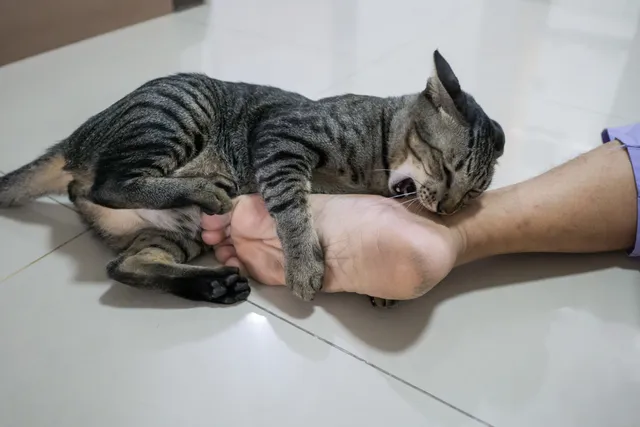
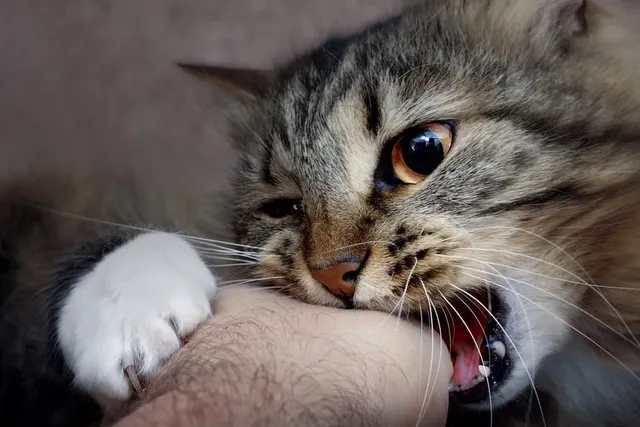
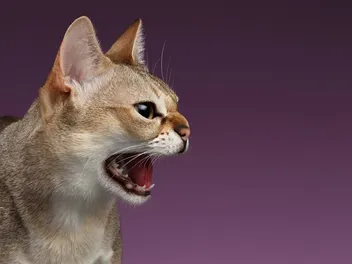
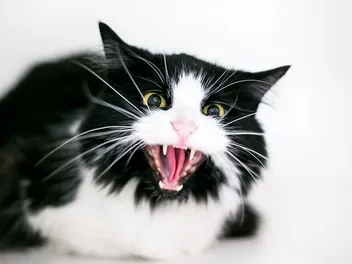
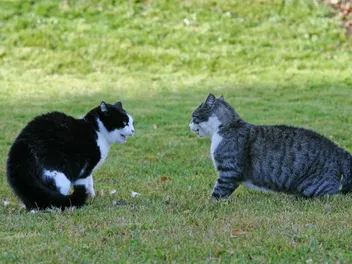
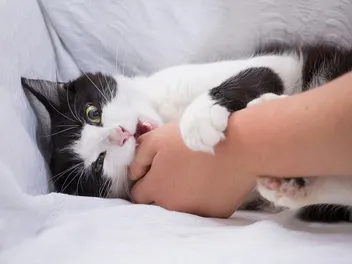
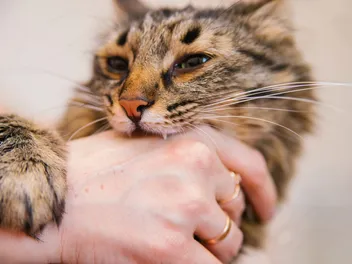
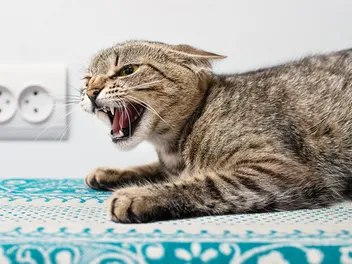
It’s all fun and games with your kitty until the claws are out or they are causing mischief! All too often, we can be having a cuddle or fun time with our cat when our forearm is suddenly gripped by the paws and nails, which can hurt! Their cute antics can take on a more aggressive nature, or you may notice them suddenly transform into an active and playful mode, whereby they undertake more rough play and behaviors. All of these and the variants in between fall under a term called play aggression, and it can become a problem as it is a form of aggression.
Cats are hunters and predatory creatures; however, there can be a time when play aggression will require your attention to manage it correctly. Luckily, we have more answers for you and advice.

What Is Play Aggression?
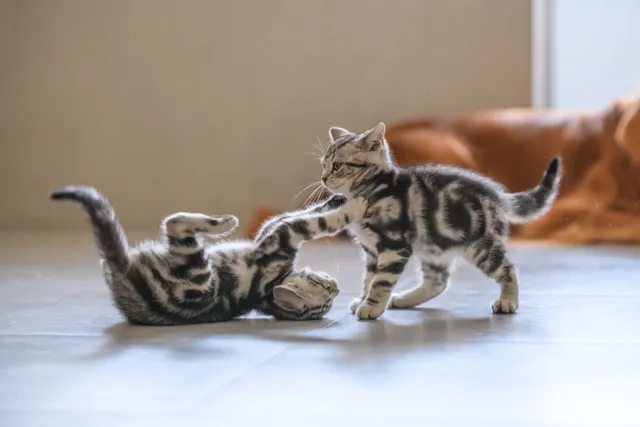
Play aggression is a type of aggressive behavior displayed by cats and is the most common form of aggression seen, rather than it being a sweet and fun acceptable trait, some owners may think.1 It takes on the form of rough play and activity mimicking predatory behavior from their wilder days, such as hunting or fighting, and is very common in kittens and cats under 2 years old.2
As they enter adulthood, technically, your cat should learn not to use these tactics, and the rough play ceases. However, this sometimes doesn’t happen for numerous reasons, and therefore, play aggression is also seen in many adult cats. Play is a natural and normal part of a cat’s life and nature. Cats need to play to help develop and maintain their well-being, mental health, and physical health, but while these actions are needed, playful and cute play aggression can escalate and, if not managed properly, may lead to unintentional scratches or bites directed at the owner.

What Are the Signs of Play Aggression in Cats?
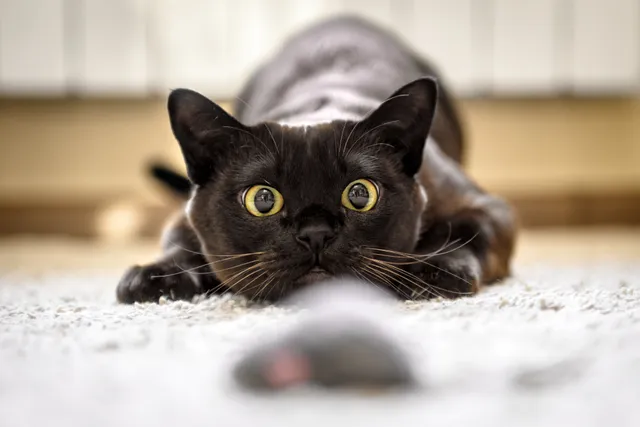
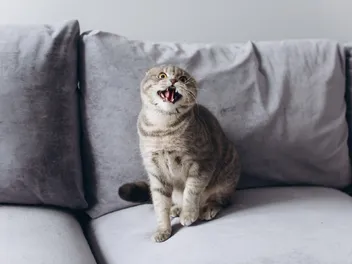
Play aggression, although it tends to be associated more with the younger sector of felines, cats of all ages partake in this activity. Your kitten or adult cat will become very playful and active, and it can happen at any point during the night, though some have suggested it occurs more frequently in the mornings and evenings, as it would do in the real natural hunting world. They may pounce, stalk, chase, bat their paws, or thrash their tails. Their posture may take a stance like they are watching potential prey, for example, crouching and wiggling hind quarters or intense staring.
Gentle mouthing, clawing, and biting are also common, but none of these tactics and antics are intended to cause harm, and they do not exhibit these behaviors and actions in a vicious or threatening manner. However, it is important to note that if not handled correctly, it can become more problematic when owners in the household are targeted.
What Are the Causes of Play Aggression?
Many scenarios and situations can create this behavior, and while the following list is not exhaustive, it hopefully gives you insight, and you may be able to connect with the one matching your kitty and circumstances.
- Hunting Instincts: Cats are natural hunters, and play aggression is a way to practice hunting skills. This includes behaviors such as pouncing, stalking, and batting at objects.
- Energy Release: Cats, especially young ones, have a lot of energy that needs an outlet. Play aggression is a way for them to release excess energy and stay physically active.
- Socialization: Play aggression is also a form of socialization among littermates. Kittens engage in rough play to establish social bonds, learn boundaries, and develop their physical coordination.
- Boredom: Cats may exhibit play aggression if they are bored or lack mental stimulation. Providing a variety of toys and engaging activities can help alleviate boredom-related aggression.
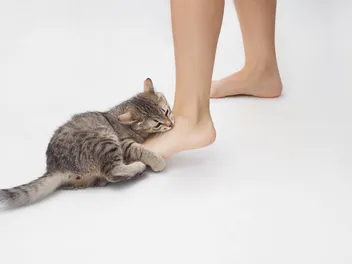
- Lack of Play or Interesting Opportunities: If a cat does not have enough play opportunities or lacks stimulating toys, they may redirect their playful energy towards inappropriate targets, such as your hands or feet!
- Stress or Anxiety: Cats may exhibit play aggression as a response to stress or anxiety. Changes in the environment, new additions to the household, or other stressors can contribute to this behavior.

How Do I Correct Play Aggression in Cats?
Correcting play aggression in cats involves redirecting their behavior towards more appropriate outlets and setting boundaries to ensure safe and enjoyable interaction. Here are some strategies to help correct play aggression in cats.
Provide Interactive Toys
Offer a variety of interactive toys that mimic prey, such as feather wands, laser pointers, or puzzle feeders. Drinking fountains may also be a helpful tool. These toys allow your cat to engage in natural hunting behaviors.
Looking for toys that will cater to the many needs of your cat? The Hepper Hi-lo Cat Scratcher is one of our favorite cat products, and it will encourage your cat to get active. Its clever three-angle design offers multiple ways for your cat to climb, stretch, and exercise. Made of a sturdy plywood base and a replacement cardboard insert, this scratcher is an option that cats can enjoy for years to come. If your cat requires a little encouragement for self-play, the Hepper Catnip Mice Toy Set is a fantastic choice for their instinctual needs. Made with natural, bite-resistant hessian fabric and filled with organic catnip. Cats can satisfy their natural prey instincts while getting the physical activity they need to thrive.
| Image | Product | Details | |
|---|---|---|---|

|
Hepper Hi-Lo Cat Scratcher |
|
Check Price |

|
Hepper Catnip Mice Toy Set |
|
Check Price |
At Catster, we've admired Hepper for many years, and decided to take a controlling ownership interest so that we could benefit from the outstanding designs of this cool cat company!
Play Sessions
Engage in regular play sessions with your cat to burn off excess energy. Spend time playing with toys that allow your cat to stalk, pounce, and bat.

Avoid Using Hands or Feet as Toys
Refrain from using your hands or feet as playthings. If your cat starts to play aggressively with your hands, immediately stop the interaction and redirect them to an appropriate toy.
Positive Reinforcement
Reward gentle play with treats or praise. Positive reinforcement helps reinforce good behavior and encourages your cat to play in a non-aggressive manner.
Implement Timeouts
If play becomes too rough, stop the interaction, effectively giving your cat a short timeout. This helps convey the message that aggressive play is not acceptable.

Provide Environmental Enrichment
Create an enriching environment with scratching posts, climbing structures, and hiding spots. This helps address boredom and provides mental stimulation.
Use Deterrents
Consider using deterrents, such as bitter sprays, on objects your cat tends to bite or scratch. This can discourage unwanted behavior.
Socialization
If your cat is young, ensure they have opportunities for positive socialization with other cats. Well-socialized cats often exhibit less aggressive play behavior.
Consult With a Professional
If the play aggression persists or escalates into more serious aggression or is taking a darker route, seek advice from a veterinarian or a professional animal behaviorist, the sooner the better. They can provide personalized guidance and behavior modification techniques.
Consistency is key when correcting play aggression. By providing appropriate outlets for play, setting clear boundaries, and reinforcing positive behavior, you can help your cat learn to play in a non-aggressive manner. Always remember to approach behavior correction with patience and positive reinforcement, not punishment or negative reinforcement.

Conclusion
Play aggression can be a dangerous and problematic problem, so it is worth taking the time to learn about this form of behavior further and taking the necessary actions as soon as possible to correct it. Cats can quickly cause a lot of damage and injury, so it isn’t something to disregard. While it can be complex, there is also lots of help for you to seek, simplifying the process for you and giving you and your cat the support you need. Good luck!
See also:
My Cat Is Aggressive Toward Guests: 5 Reasons Why and How to Stop It (Vet-Reviewed)
Signs of Aggression in Cats: Vet-Reviewed Behavior Problems to Watch For
Featured Image Credit: pixbull, Shutterstock
Expert cat care, straight to your inbox
News, insights, and useful advice, delivered to you.

No spam — unsubscribe anytime.
By signing up, you agree to our Terms & Conditions and Privacy & Cookies Policy.
How useful was this post?
Click a star to rate. You can leave written feedback afterwards. (We read all feedback.)
Annaliese qualified as a veterinary nurse from Edinburgh and went on to attain a diploma in advanced veterinary nursing in surgery from London. Throughout this time, she worked in both small and mixed veterinary practices and gained head nurse status.
Having cared for thousands of patients and owners, and after more than two decades in the veterinary and pet care industries, both as a vet and a writer, she has now officially retired her scrub suit and now works as a full-time writer.