8 Vet-Verified Seal Point Cat Facts: Info, Pictures & Breeds


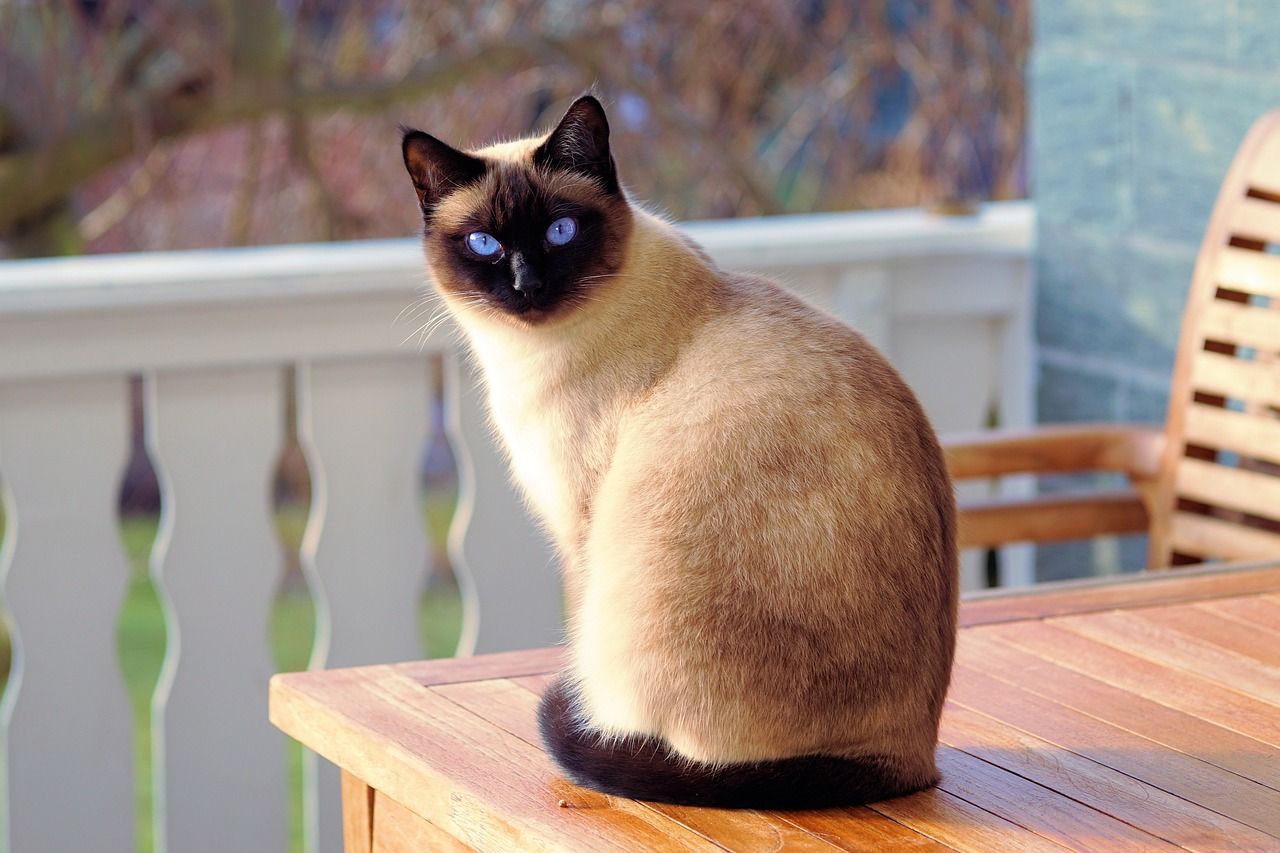
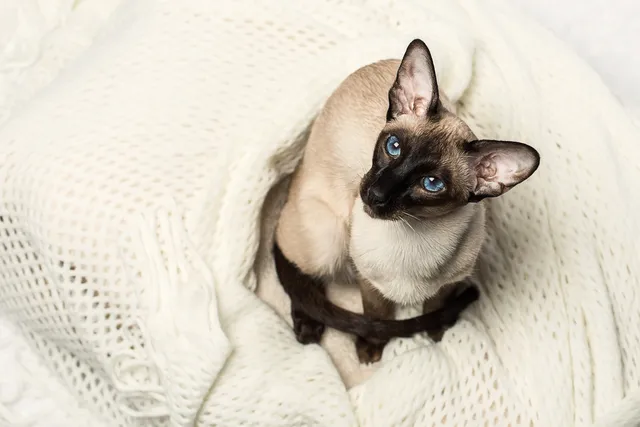
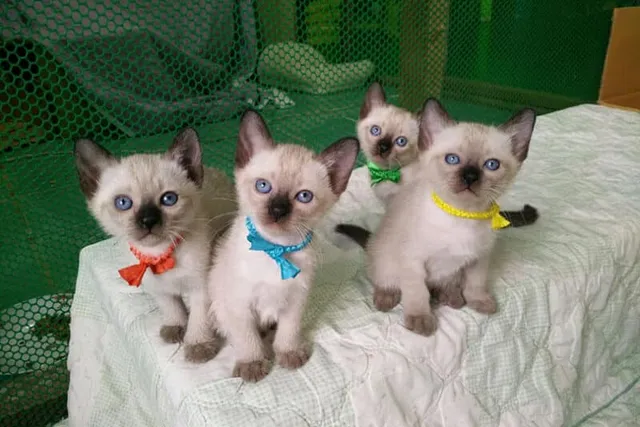
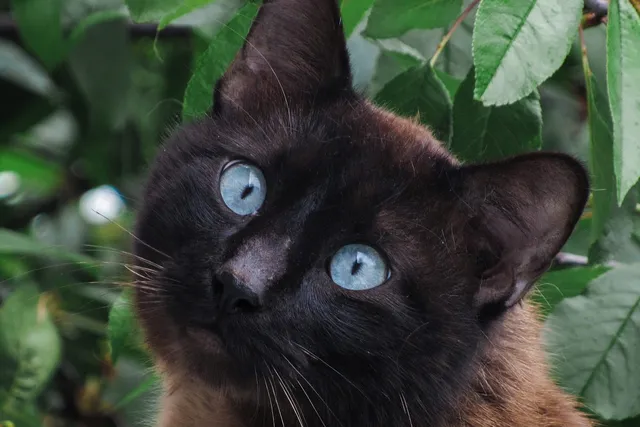
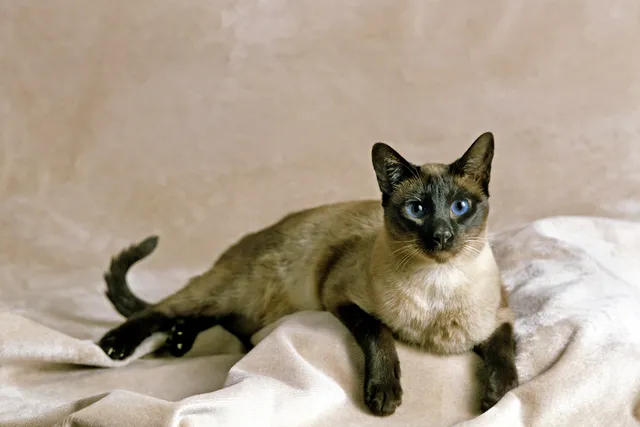
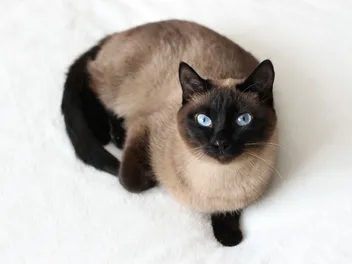
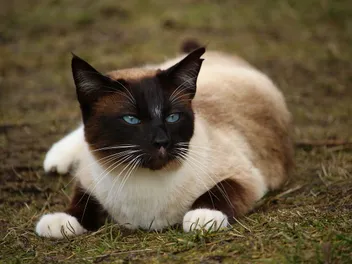
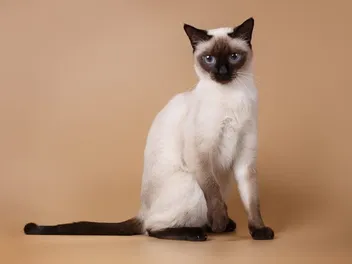
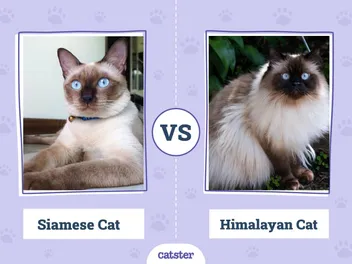
Seal point cats have an ivory, cream, or light fawn coat with dark brown/brownish black (seal) points on the face, ears, paws, and tail. They're easily mistaken for chocolate points, but chocolate point cats have a lighter, milkier brown shade on their extremities.
Seal point cats are not only gorgeous, but there's much to know about these cats' genetics, history, and cultural importance, so we'll share eight intriguing facts about seal point cats in this post.

The 8 Facts About Seal Point Cats
1. There Are Several Cat Breeds With Seal Point Coloration
"Seal point" describes a type of coat rather than a specific breed. There are several cat breeds that can develop this kind of coloration. Though the seal point Siamese is one of the most well-known, other cat breeds with points include the Himalayan, Tonkinese, Burmese, Colorpoint Shorthair, Thai, Javanese, Ragdoll, and Balinese.

2. Pointed Cats Are Temperature-Sensitive
Point coloration in Siamese cats is the result of the recessive Himalayan gene, a genetic mutation inherited from both parents. This gene is also responsible for the blue eyes and the coat's temperature sensitivity. A Siamese kitten is born white or creamy white after developing in the womb at around 101 degrees Fahrenheit, but this soon changes.
After birth, the mutated enzyme tyrosinase encoded by the Himalayan gene is triggered to activate melanin—a dark brown to black pigment—on the cooler extremities where the body temperature is lower than in the core. If you've got a seal point kitten, you'll notice their points gradually getting darker as they age.

3. Pointed Cats Have a Kind of Albinism
The gene responsible for a pointed cat's temperature sensitivity and color changes is a temperature-sensitive form of albinism. "Temperature-sensitive albinos" is a term sometimes used to describe cats with this coloration.

4. Weather Can Affect Coat Color
Since pointed cats' coats are temperature-sensitive, you may notice changes in your cat's coat color in hot and cold temperatures. In a hotter climate, your cat may get lighter, whereas in colder climates, the color tends to darken. It all depends on how the weather affects your kitty's body temperature.

5. The Siamese's Ancestors Were Revered
Siamese cats originated in Thailand (once called Siam), and their likeness is seen in the Tamra Maew (Cat-Book Poems), a Thai manuscript that may date back to the 14th century. There, these cats were revered because it was believed that when a royal died, their soul would inhabit a Siamese cat. Only royalty could keep Siamese cats, and they were kept as spiritual guardians in temples.

6. The Thai Cat Came First
The wedge-headed, slim-faced, large-eared Siamese most people instantly recognize today is related to (but distinct from) the Thai cat, which is also referred to as the "Old-Style Siamese,” “Applehead Siamese," or "Traditional Siamese."
The Thai cat has an overall rounder appearance in both face and body, whereas the modern Siamese has been bred to have a triangular-shaped head, slimmer physical features, and a lithe but muscular and athletic build.

7. Points Come in a Variety of Colors
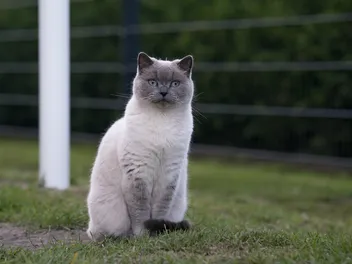
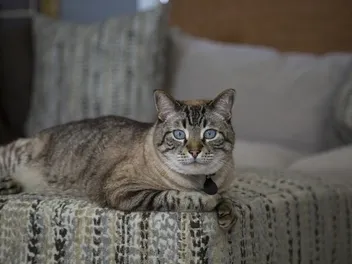
CFA-standard colors for Siamese cats—in addition to seal—are lilac, blue, and chocolate-point, but many more are possible. Other possible point colors for Siamese cats and other pointed breeds include red, cream, cinnamon, apricot, caramel, tortie, and lynx or tabby.

8. Pointed Breeds Are Famously Affectionate
There are never any guarantees when it comes to a cat's personality because each one is different, but several pointed breeds, including the Siamese, Ragdoll, Burmese, and Burman, are renowned for their people-oriented and affectionate natures.
Some, like the Siamese, are generally vocal and outgoing, and love following their humans around, while others, like the Ragdoll, are known for being very docile (hence the name), relaxed, and sweet-natured.

Conclusion
Seal point cats are some of the most striking and recognizable in the world, but their beauty isn't only skin deep. If you are considering welcoming one of these loving cats into your home, why not check out local rescue organizations? Cats of all shapes, sizes, and colors await a new home, and one of them could be the perfect snugglebug for you. Related Reads:
Sources
https://www.nationalgeographic.com/animals/article/siamese-cats-genetic-mutation-colors
https://www.pdinsurance.co.nz/blogs/why-do-siamese-kittens-change-colour/
https://www.eliteveterinarycare.com/blog/15-fun-facts-about-siamese-cats
https://www.aspcapetinsurance.com/resources/himalayan-cat-facts/
https://www.gi.alaska.edu/alaska-science-forum/we-are-siamese-if-you-please
https://www.aspcapetinsurance.com/resources/siamese-cat-facts/
https://www.webmd.com/pets/cats/what-to-know-about-a-siamese-cat
https://www.montego.co.za/2018/11/14/history-of-pets-siamese-cat/
Featured Image Credit: Andreas Lischka, Pixabay
Expert cat care, straight to your inbox
News, insights, and useful advice, delivered to you.

No spam — unsubscribe anytime.
By signing up, you agree to our Terms & Conditions and Privacy & Cookies Policy.
How useful was this post?
Click a star to rate. You can leave written feedback afterwards. (We read all feedback.)
Kit Copson is a freelance writer and lifelong animal lover with a strong interest in animal welfare. She has parented various furry beings over the years and is currently a proud cat mom of two—one very chilled (unless hungry) Siamese and a skittish but adorable Domestic Shorthair—and dog mom of one—an adopted Bichon Poodle cross. When not writing about or spending time with animals, Kit can be found doodling in her sketchpad, reading, or more often than not, drinking tea.