Thai Cat Breed: Info, Pictures, Temperament & More
In this article
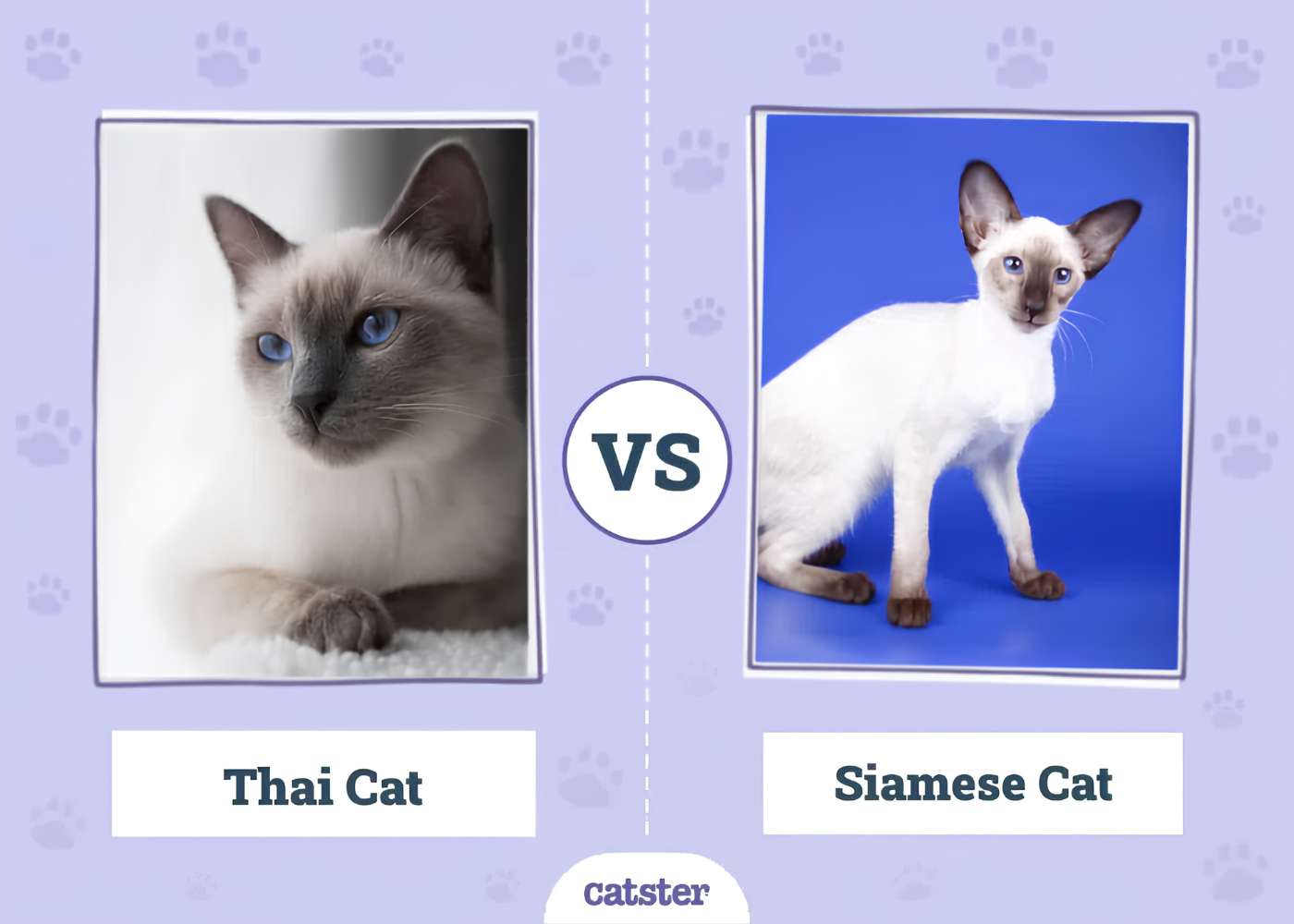
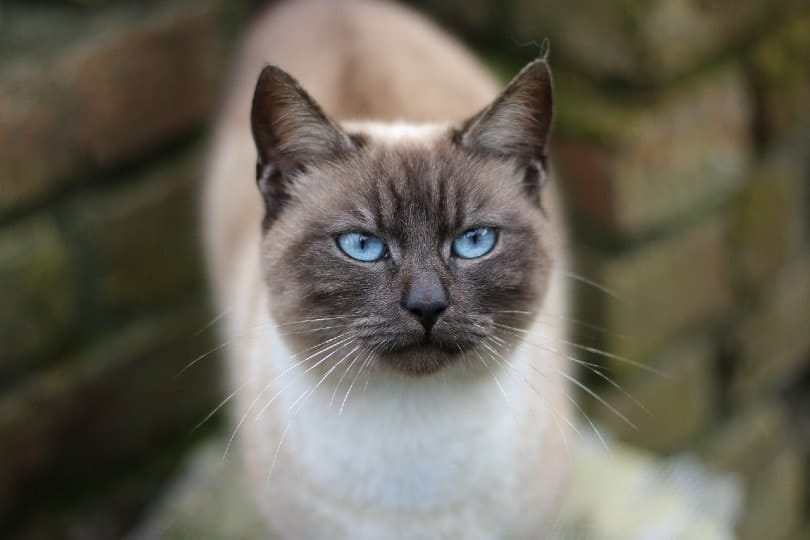
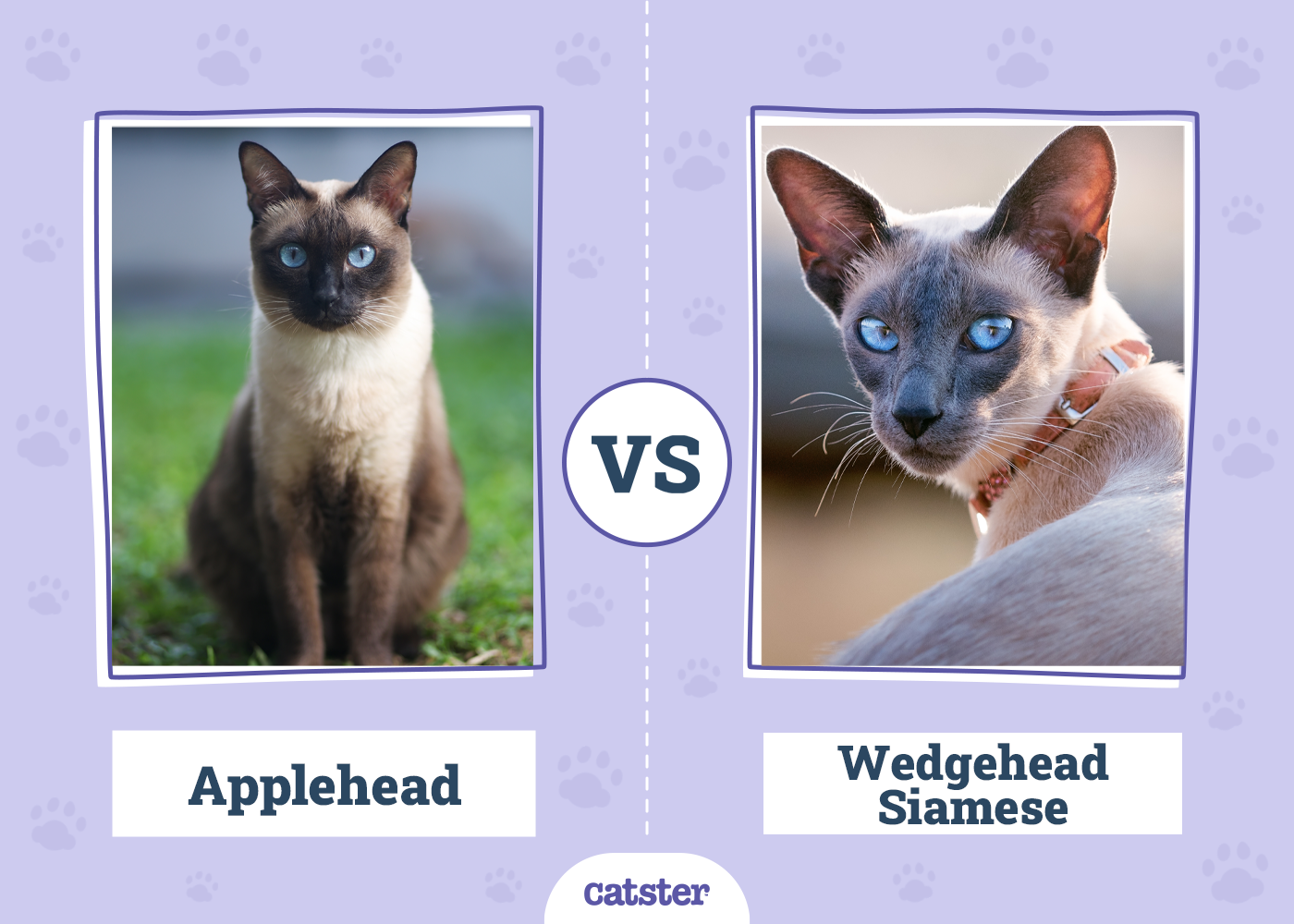
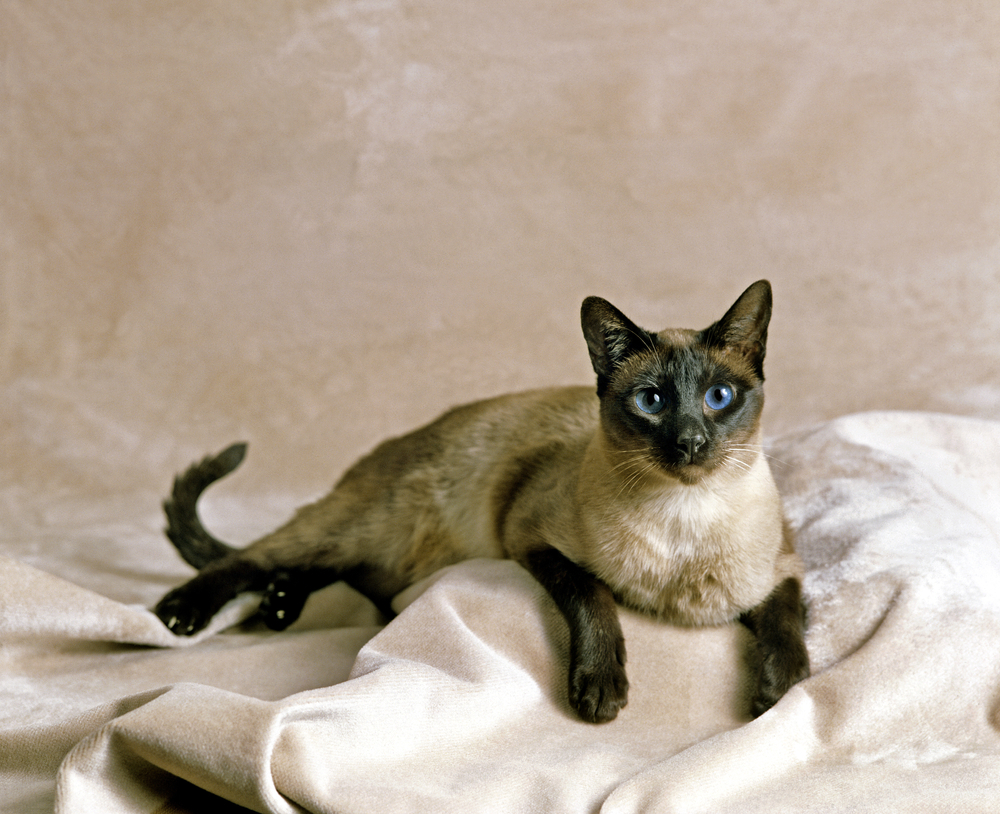
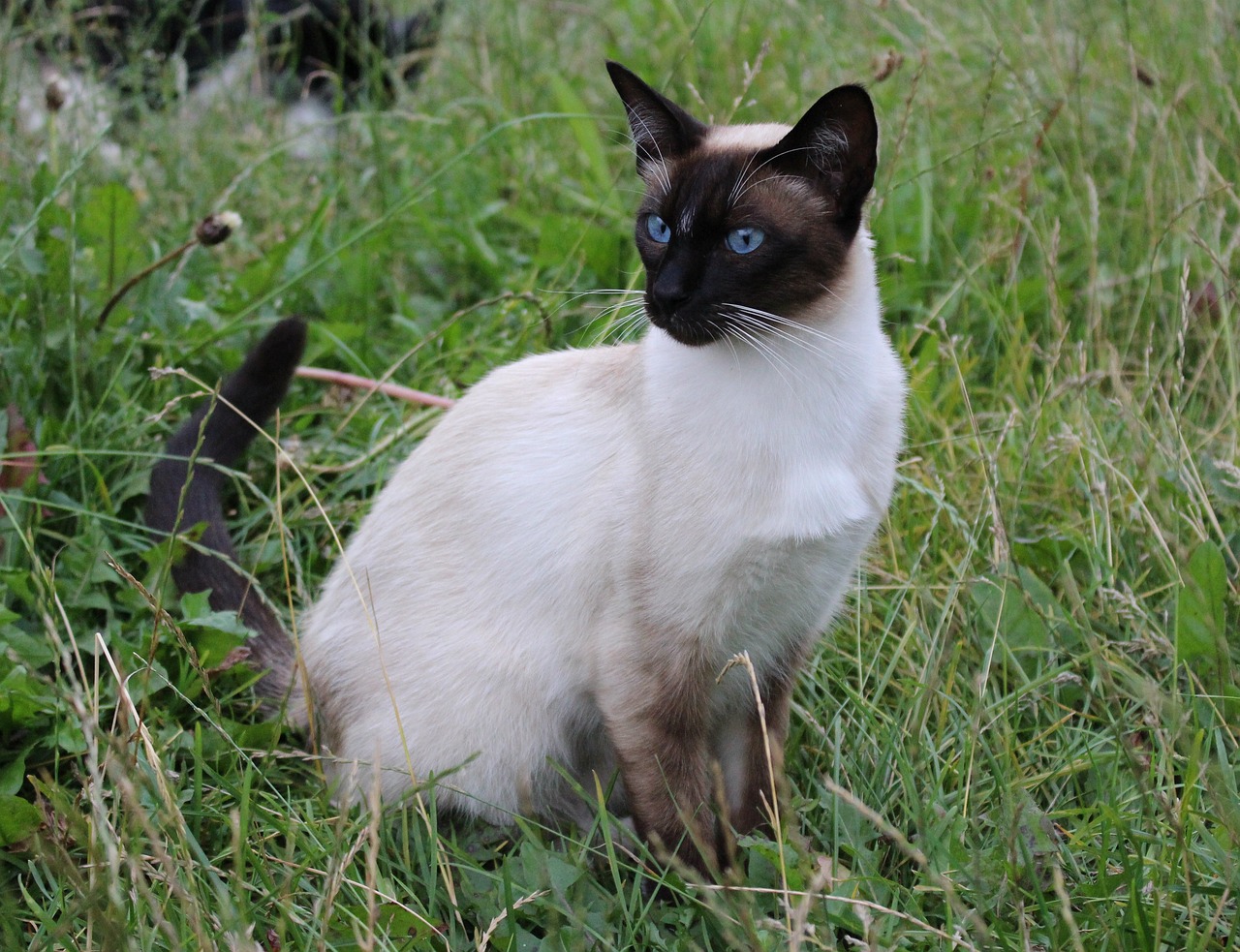
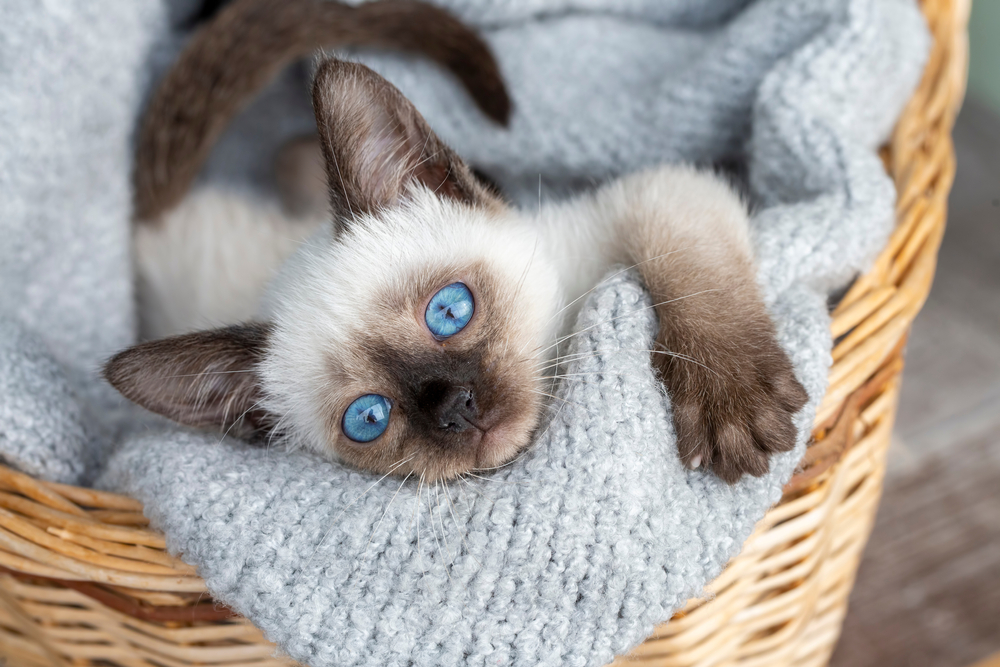
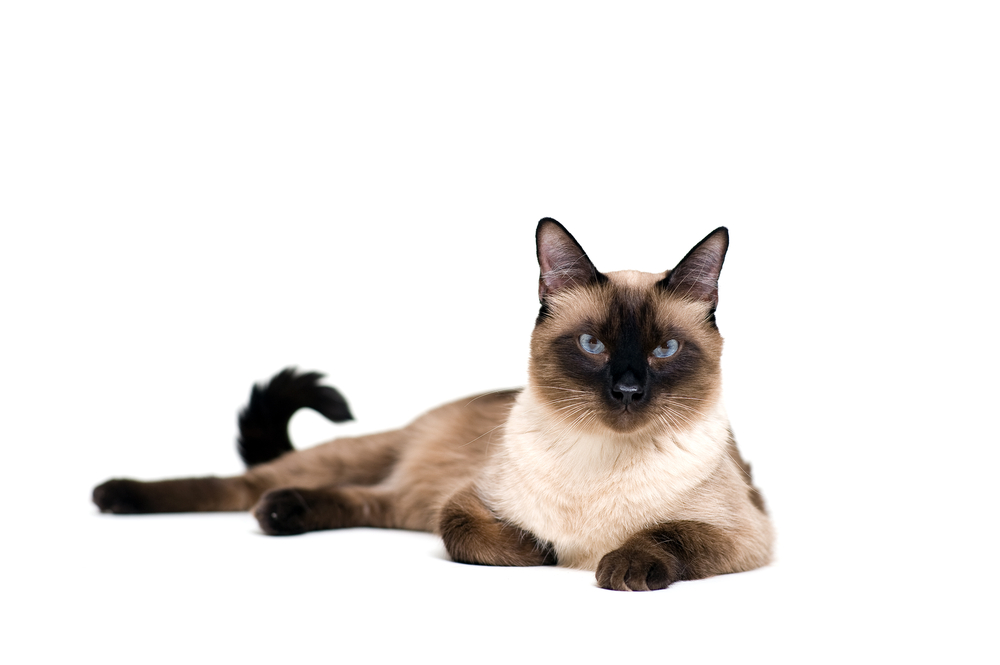
Perhaps you love the colorpoint pattern of the Siamese but would prefer a cat with more rounded edges. You need to meet the Thai cat! This breed is the forefather of the modern Siamese and comes with a colorpointed coat, striking blue eyes, and a vocal nature. But instead of the svelte and angular body shape associated with modern Siamese cats, the Thai cat has a rounded body and distinctive apple-shaped head that gives them the nickname "Applehead."
Many cat breeders now focus on the Thai cat as a popular alternative to the modern Siamese, and if you genuinely have a desire for a traditional Thai cat that is still bred and loved in Thailand, the Thai cat is the breed for you.
Breed Overview
Height:
Weight:
Lifespan:
Colors:
Suitable for:
Temperament:
In terms of character, they’re incredibly intelligent and vocal and love to spend time hanging out with their families. They might tap you with their paw to get your attention or wait by the door to give you an affectionate greeting when you come home from work after a long day.
We'll discuss everything you need to know about the graceful and ancient cat.
Thai Cat Characteristics

Thai Cat Kittens

Thai cat kittens are born snowy white, and you may be charmed by them before you’ve even decided whether you should bring one home! Adopting a new kitten is a substantial commitment. Besides the initial cost of your new kitten, you’ll have to factor in daily expenses for food, litter, toys, and occasional vet trips.
Thai cats are demanding of your time. If they want something, they will find you and not give up until you give them whatever they’re after. So, if you’re looking for a calm and easy-to-care-for cat breed, they may not be the right choice.
On the flip side, if you’d love a cat that actively seeks out your company, chats to you, and generally monitors all the details about your daily activity, a Thai cat might be the perfect companion.
The Thai cat is incredibly loving and loyal. They adore their entire families but sometimes form stronger bonds with one person. However, some Thai cats do not enjoy sharing their home with another cat.
Temperament & Intelligence of the Thai Cat 🧠
Thai cats are intelligent, affectionate, playful, and vocal. If you’re familiar with the personality of the Siamese breed, you'll see that Thai cats have a similar character. They’re affectionate and loyal, and they enjoy living in a home where they’ll have company for most of the day. Leaving a Thai cat home alone all day can make them stressed and anxious.
Thai cats need a great deal of love and interaction from their owners, more so than the average cat. So, if you’re looking for a low-maintenance breed, you may find them demanding. They love to be close to their owners and will talk to you throughout the day. They’re not overly loud, but they will let you know if they need something.
Are These Cats Good for Families? 👪
Thai cats can make a great addition to your family. They love attention, and it's best to have a few people around to keep them entertained! Thai cats enjoy the company of everyone, but they bond particularly strongly with one family member. They won’t have any problems letting everyone know that their food bowl is empty or that they need someone to play with them, however.
Their curious and playful nature makes them suitable for children to play and interact with, as long as the kids have been taught how to interact with cats appropriately. Whether your kids want to play games with your cat or teach them basic tricks, a Thai cat will be up for the challenge!

Does This Breed Get Along With Other Pets? 🐶🐱
These playful cats love companionship, but they can be territorial. You may have problems introducing a new cat into a household with an existing Thai cat. Bringing a Thai kitten into a house with another cat is usually a little easier. However, it will depend on the personality, sex, and age of each cat.
When adding a new cat to your family, always take time to introduce them slowly to other pets, and make sure each cat has their own area of the house that they can retreat to and that they don’t have to compete with each other for resources like food and the litter box.
Thai cats can adapt well to living with a dog, especially since they’ll always have company! Again, introduce them slowly, keep initial meetings short, and ensure both animals have areas of the house where they can relax on their own if they want to. Thai cats love climbing, and they may decide to hang out on bookshelves or their cat condo when they need a break.
Things to Know When Owning a Thai Cat
Bringing any new pet into your household is a decision that shouldn’t be rushed, and perhaps that is even truer with a Thai cat. In terms of the attention they need, they’re definitely above average compared to other breeds.
Besides ensuring that you can afford their food and medical bills, be sure that you can dedicate enough time to these sociable cats. Before you decide on anything, here’s more information to help you.

Food & Diet Requirements 🐡
Thai cats are active and energetic, and selecting a good-quality cat food with a high percentage of protein will help your cat build lean and healthy muscle while retaining the athletic body the breed is known for. Choosing between wet food, kibble, or raw food can be determined by your cat’s preferences and your budget.
Always choose a food formulated for your cat’s age and activity levels. An active kitten will require a different blend of calories and nutrients than an older indoor cat. If you’re unsure, you can ask a veterinarian for advice.
Exercise 🐈
Thai cats are energetic and love to play. Whether your cat lives indoors or is allowed outside, you’ll want to ensure you provide plenty of opportunities for them to play and exercise. Thai cats love climbing, and if you don’t provide items for them to climb on, you may find them exploring your shelves, wardrobes, and the top of the refrigerator!
Keeping various toys on rotation keeps your Thai cat engaged and interested. Kicker toys, remote-controlled toys, and catnip-filled toys all go over well with a Thai cat!
Training 🧶
As an intelligent breed, Thai cats need to feel mentally challenged. Positive reinforcement is a great way to teach your cat new tricks, and your children can get involved. You can train your cat to walk on a leash and harness, come when called, high-five, roll over, and more.

Grooming ✂️
Thanks to their heritage, the Thai cat has a soft and short coat designed for living in a tropical climate. Their undercoats are thin, and you’ll only need to give them a quick weekly brush to keep them in top condition.
Health and Conditions 🏥
The Thai cat can suffer from a few health conditions, which we’ve summarized below. Any reputable breeder should provide information about the health tests that they carry out on their cats.
Male vs. Female
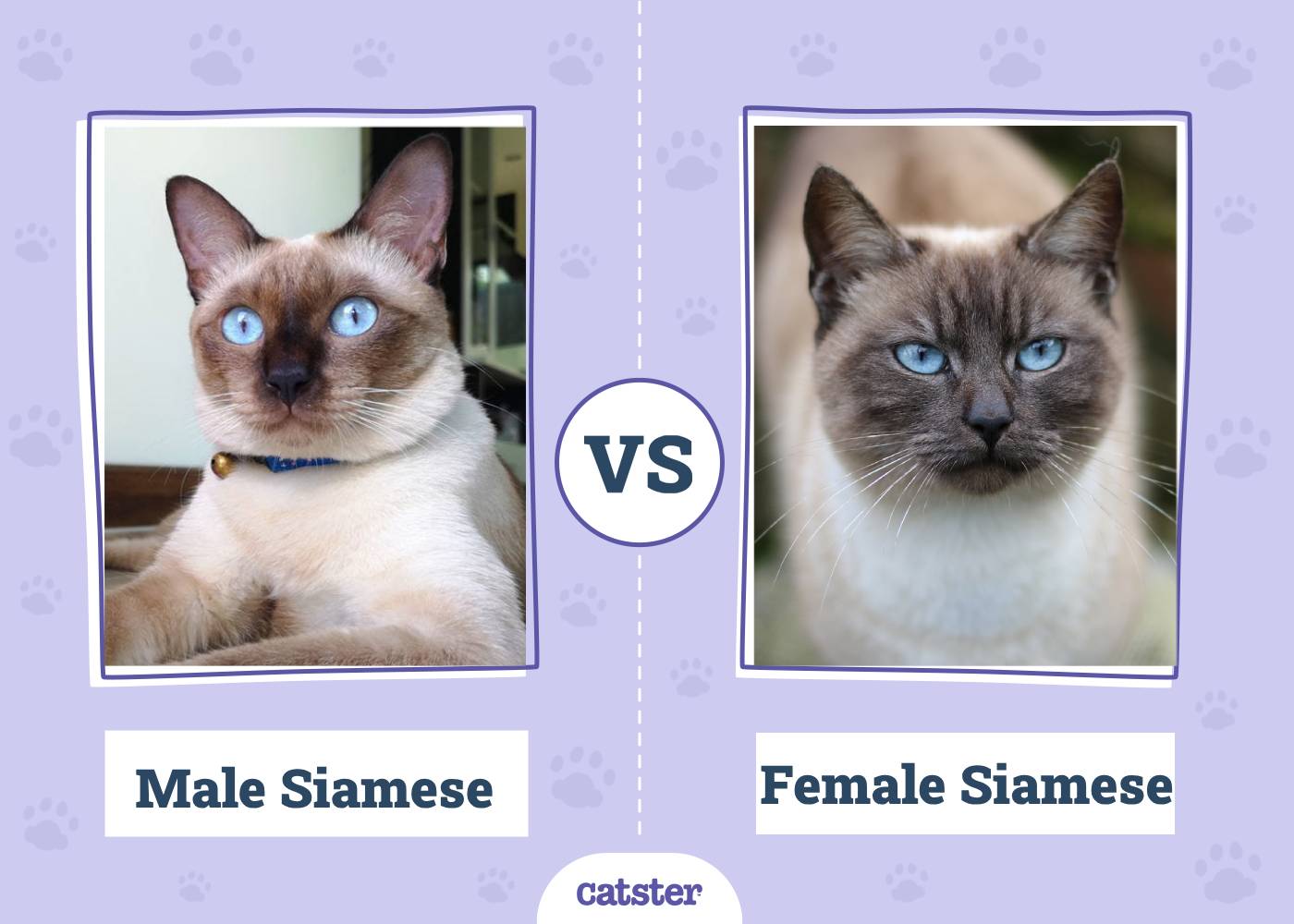
If you’re convinced that the Thai cat is the perfect breed for you, perhaps you’re already researching breeders. You might have a preference for a male or female kitten, but it’s always best to choose your cat based on their personality. Except for a slight difference in size, males and females have similar temperaments.
Another factor to consider is that there aren’t many breeders specializing in Thai cats. So, you may need to wait for a litter of kittens to become available and place your name on a waiting list before they’re even born. You may not get a choice of which sex your kitten will be.
3 Little-Known Facts About the Thai Cat
1. The Thai breed Is the Original Siamese Cat
While most of us are familiar with the appearance of the Siamese, the Thai cat was developed from generations of selective breeding carried out since the 1950s. Breeding to focus on exaggerating the angular features of the more modern Siamese cat also led to them developing health issues, including kidney problems, cardiovascular issues, and facial defects.
Sometimes, the Thai breed is called the Applehead, originally a derogatory term referencing their round heads. It is now used as a general, inoffensive description of this important branch of Siamese heritage. Sometimes, you may also see the Thai being called an Old-Style Siamese.
2. In Thailand, They’re Known as the Wichienmaat
In their native Thailand, the Thai cat is called the Wichienmaat. In Thai, this means “moon diamond.” They’ve been adored by humans there for at least 700 years. Poems from around that time reference people breeding Thai cats in the Kingdom of Ayodhya. In the 19th century, the breed was discovered by the British, who were captivated by the cat’s stunning blue eyes and colorpointed coat.
Thai cats come from a population with a unique genetic makeup. In 1990, the World Cat Federation recognized the Thai breed as separate from the“show-style” Siamese cats that were increasingly popular but visually different from their ancestors.
By 2001, breeders in the U.S.A. had started to import Thai cats from Thailand to preserve the unique genetic makeup of the breed. By 2007, the International Cat Association (TICA) granted preliminary new breed status to the Thai. In 2009, they were accepted as an advanced new breed, and breeders in Europe and the U.S.A. can work together to show their cats under one overarching breed standard.
3. All Thai cats are color pointed
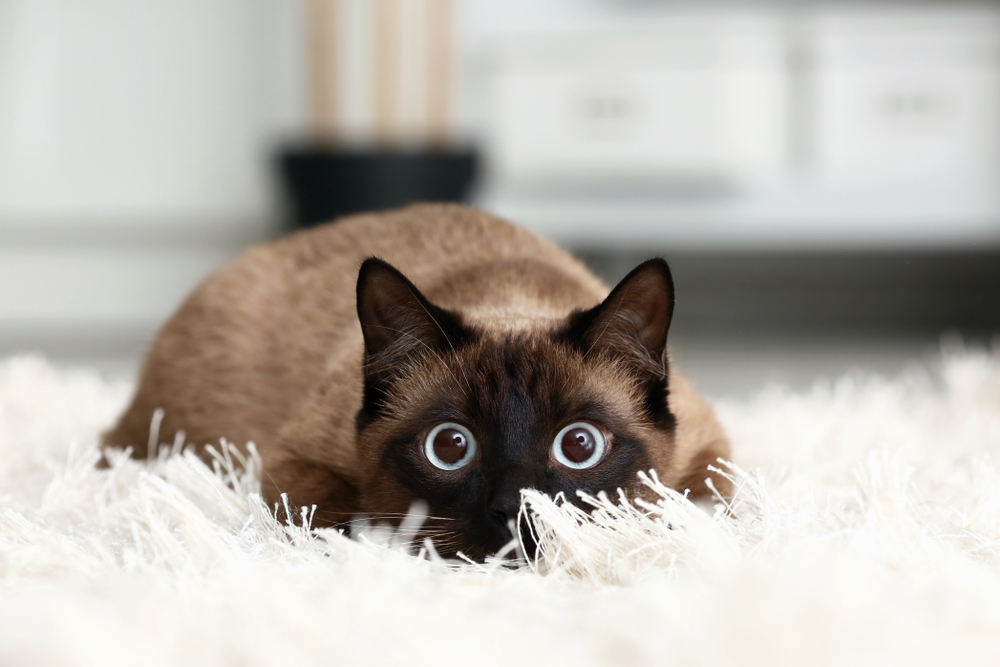
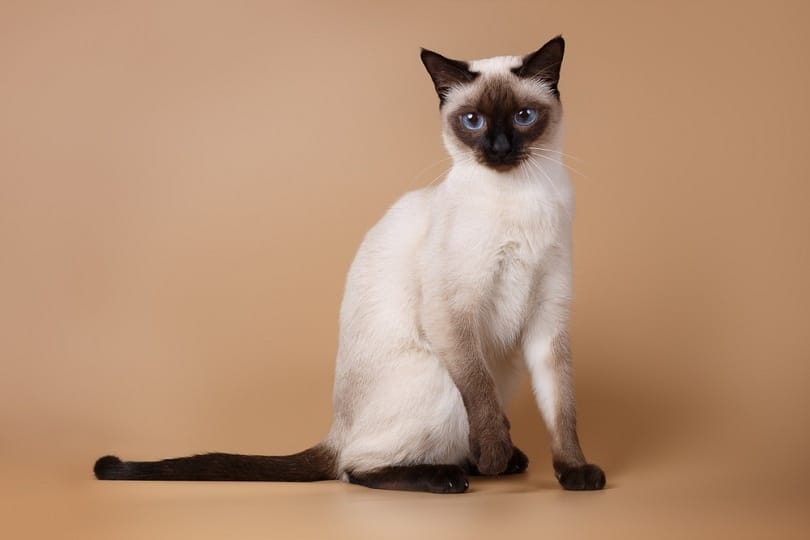
A distinct characteristic of the Thai breed is that all cats have a colorpointed coat. Their base color is a pale off-white, and their points can be almost any color in the solid, tabby, or tortie categories. The colorpointed pattern is due to the Himalayan gene, which causes temperature-sensitive albinism.
On areas of the cat’s coat with a higher body temperature, their coat will be pale since the pigments don’t develop. On cooler areas or points like the head, ears, tail, and legs, the true color of the cat’s coat will be visible. All Thai kittens are born white, and their coat color will become visible as they adjust to the temperature while they grow.

Final Thoughts
The Thai cat is an ancient breed that has long been revered in their native Thailand. While they may be the forefathers of the more modern Siamese breed, in appearance, they look quite different. They are also known as the Applehead or Old-Style Siamese.
Thai cats are intelligent, friendly, vocal, and playful. There will never be a dull moment in the home of a Thai cat. Whether they are reminding you that they would like food (right now) or seeing if they can reach the top of your highest bookcase, they will make you laugh.
They’re also incredibly affectionate and loyal. They crave the attention of their human family, so they don’t cope well in a house where they’re left to their own devices for much of the day. If you think you have the time and energy to devote to a Thai cat, they will pay you back one hundredfold. If you’re the owner of a Thai cat, we’d love to hear more about them, so get in touch using our comments section!
Featured Image Credit: Serge75, Shutterstock

Expert cat care, straight to your inbox
Vet-reviewed advice, behavior tips, and the best of Catster. Free, and you can unsubscribe anytime.
By signing up, you agree to our Terms & Conditions and Privacy & Cookies Policy.

Christian started writing for a local newspaper as a teenager, and he's been involved in the publishing industry for most of his adult life. Combining his love of writing with a passion for animals, he is currently the Director of Editorial at Pangolia and the Editor-in-Chief at Catster.
Christian lives in the Philippines with his wife, son, and four rescue cats: Trixie, Chloe, Sparky, and Chopper.
Join the conversation
Ask a question, share your story, or send private feedback.