Get

In Your Inbox

Catster is reader-supported. When you buy via links on our site, we may earn an affiliate commission at no cost to you. Learn more.

Why Does My Cat Snore? Our Vet Explains Reasons & What to Do

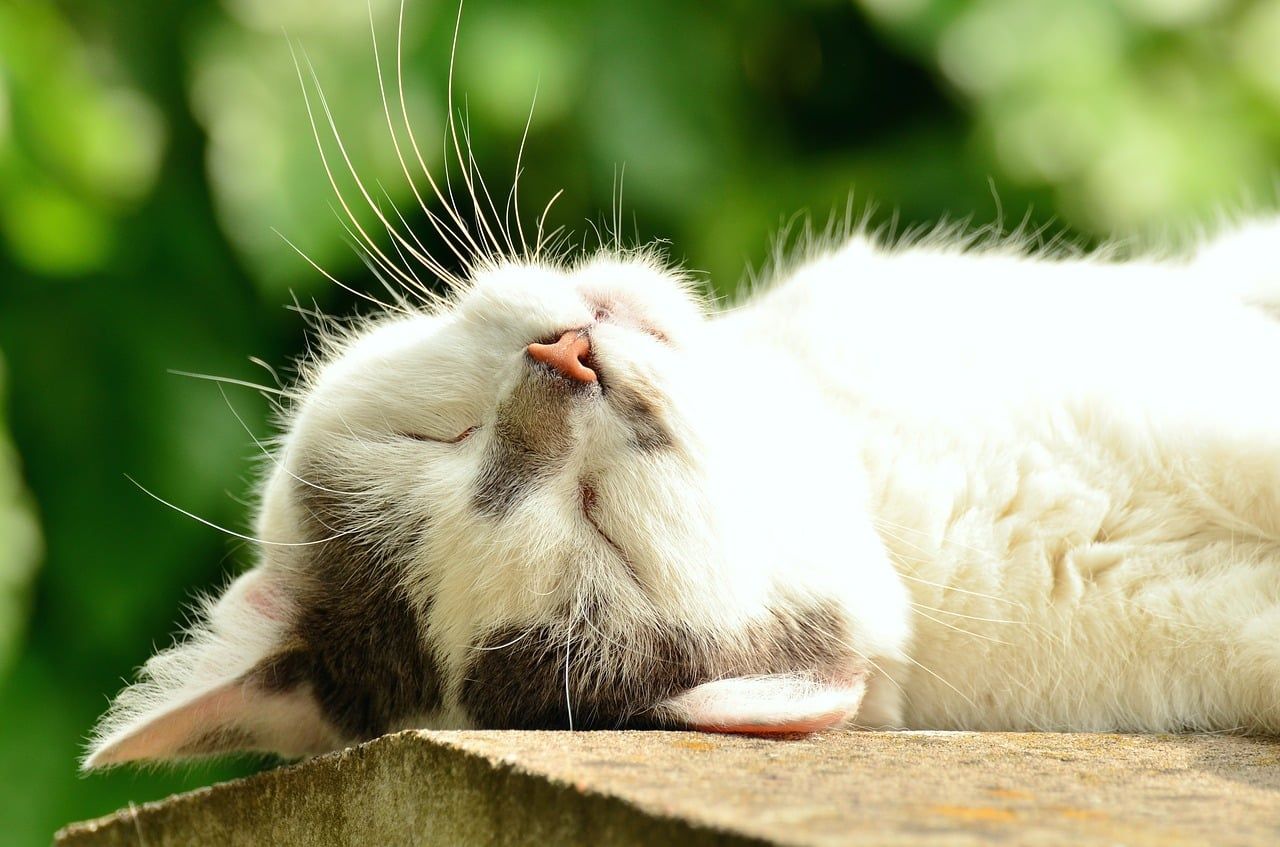
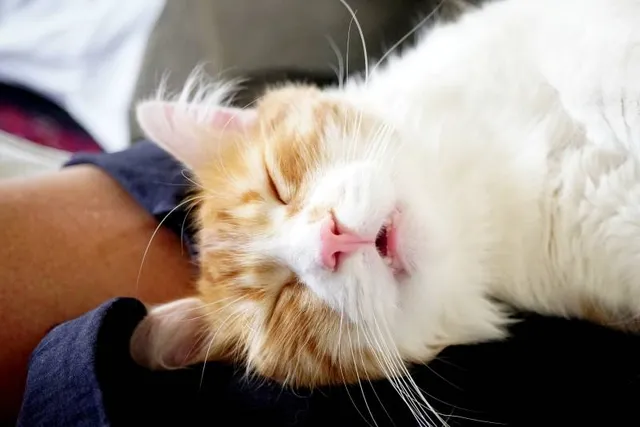
white cat sleeping

Anyone with a feline friend knows that cats love to sleep! The proverb ‘cat nap’ says it all. As cute as it is when they choose your lap or bed to curl up on, it can be a little unsettling if your cat starts snoring, but there is nothing to be concerned about. However, you wonder what it means when a cat snores. When should I be worried if my cat snores? Read on to find out all you need to know about snoring in cats!

divider cats oct 2024

Do Cats Snore?

Just like us, cats have two stages of sleep. REM (Rapid Eye Movement) sleep is when you or your furry friend will dream. Non-REM sleep has three stages, one of which is deep sleep. This is when snoring tends to occur, as the soft tissues around the airways relax. To put it simply, snoring is the noise made by air moving past these relaxed tissues, causing them to vibrate.

Why Does My Cat Snore?

There are many reasons that your cat might snore. Some of them are harmless, whilst others require veterinary attention. So, what can cause a cat to snore?

Reasons For Cat Snoring
  • Brachycephalic (flat-faced) cats have a tendency to snore. This is because they have shortened and narrow passages in their nose and a long soft palate (the roof of their mouth goes too far back). This means there is less space for the air to move through when your cat breathes, especially when they are asleep and everything relaxes. The air vibrates as it moves through these narrower passages.
  • Being overweight can increase the chances of your cat snoring. This is because there may be fat deposits around the airways, putting pressure on them.
  • Sleeping position can cause snoring. If your cat only snores very occasionally, the cause may be as simple as they’ve gone to sleep in a funny position.
  • Illnesses affecting the upper airways (the airways in the nose, mouth, and throat- not the lungs) can cause snoring. Viral infections such as cat flu can predispose to snoring, especially in cats that are affected long-term. Any infection of the upper airways can cause inflammation (swelling) of the passages of the nose and cause mucus (snot). Both of these can lead to snoring.
  • Asthma. Yes, cats can be asthmatic, too! Feline asthma can cause the narrowing of the passages of the airways, so asthmatic cats can have a tendency to snore.
  • Obstruction of the upper airways. Air pushing past an obstruction in the airways can cause a snoring noise, sometimes when a cat is awake, too. The blockage could be a foreign body, such as a blade of grass, or a mass, such as a polyp or a tumor.
  • Allergies can cause inflammation of the airways, too.

Should I Be Worried if My Cat Snores?

exhausted cat sleeping
Image By: Pixabay

This will depend on the cause. Some causes of snoring in cats are harmless. If your cat only snores once in a while and is showing no other symptoms, then this may be just ‘positional’ snoring.

If your cat is overweight but otherwise healthy, the extra fat may be the culprit. Of course, this doesn’t mean you should ignore it. If your cat is snoring because they are overweight, then it’s likely that excess fat will be causing problems in other parts of the body too. Time for a diet!

If your kitty has always snored and is a brachycephalic breed (such as Persian, Himalayan, or Burmese, for example), then the shape of their face may be the cause. If your kitty also makes funny noises whilst breathing when they are awake, then you ought to seek veterinary advice. Some brachycephalic cats need medicine or surgery to help keep their passageways wide enough that they can breathe easily.

If your cat suddenly starts snoring, then you need to take them to your veterinarian to have it checked out. Some causes of snoring need veterinary treatment. Similarly, if you notice any of the following symptoms alongside snoring, then your cat needs veterinary attention:

Signs That Require Vet Attention
  • Sneezing may indicate an infection or an allergy
  • Discharge from the eyes may indicate an infection
  • Wheezing could be due to asthma or a blockage
  • Coughing could be caused by asthma
  • Drooling may indicate a blockage or an infection
  • Pawing at their face or mouth, which could be due to a blockage or discomfort
  • Lethargy (sleepiness) or change in appetite could be due to any illness or discomfort
  • Open mouth breathing (panting), extended neck, or fast breathing should be treated as an emergency. Take your cat to your nearest veterinary clinic straight away.

What Can I Do About My Cat Snoring?

Again, this will depend on the cause. If your cat has always snored and is otherwise well or only snores occasionally, then often, you don’t need to do anything. However, a veterinary check-up is advisable so that you can be sure that nothing is amiss.

If your cat is overweight, putting them on a diet should help. If your cat is brachycephalic, they may need treatment to address the shape of their nose and/or soft palate.

If your cat has an infection, your veterinarian may prescribe antibiotics, medicine to clear mucus, or medicine to help open the airways. Treatment will depend on whether the infection is caused by bacteria or a virus.

If your cat is diagnosed as asthmatic, they may need medicine through a device, much like a human inhaler, or medicine by mouth. Allergies should be investigated by your veterinarian. If your cat is found to have an obstruction, foreign bodies can be removed. Any masses would need to be investigated.

You can also consult a vet online if you need quick and easy access to an expert’s opinion.

If you need to speak with a vet but can't get to one, head over to PangoVet. It's an online service where you can talk to a vet online and get the advice you need for your pet — all at an affordable price!

PangoVet_Mention-in-Content for PangoVet2 save money

divider 2 cats

Summing up

Often, snoring in cats is nothing to be concerned about, especially if your cat has always snored and is otherwise healthy with no other signs. Or if your cat snores every now and then but is otherwise fine.

However, there are some causes of snoring in cats that are more serious. If your feline friend starts snoring suddenly and has other symptoms, you should schedule an appointment with your veterinarian. Hopefully, it is nothing to worry about, but better to be safe than sorry! Even if your cat has always snored, it’s worth letting your veterinarian know at your next appointment, then they can decide whether or not they need to investigate.


Featured Image Credit: Pixabay

Want content like this delivered to you?

Sign Up For Our Newsletter

News, insights, expert advice, and everything cat

* By submitting, you agree to our Terms & Conditions and Privacy & Cookies Policy.


How useful was this post?

Click on a star to rate (you can leave written feedback after clicking submit)

Help us improve Catster for pet parents!

Your feedback really matters.

What did you like about this post? Also how can we improve it?

Join the conversation

Leave a Reply

You’re very welcome to leave a comment or question. Please know that all comments must meet our community guidelines, and your email address will NOT be published. Let’s have a positive and constructive conversation.


Talk With A Vet Online

Peace of mind,
anywhere, anytime

Affordable vet advice

What Can Cats Drink Besides Water? 3 Vet-Approved Options

Did you know your cat probably doesn’t drink enough water? Urinary problems are the reason behind many vet visits, whether it’s treatment for...

What Does Pet Insurance Cover for a Cat? Plans, Exclusions, Deductibles & More

If you’ve decided to get some pet insurance for your cat, good for you! Your beloved feline companion deserves to have his healthcare...

12 Best Cat Carriers for Car Travel In 2026 – Reviews & Top Picks

Every cat owner knows the struggles of traveling with their pet and how difficult it can be for both parties. While you’re looking...

Cat-in-the-Bag Cat Carrier Review of 2026: Pros & Cons

Review Summary Cat-in-the-Bag is the creator of a one-of-a-kind cat carrier bag. It makes traveling much easier, as well as nail-trimming, medicating, or...

More related

Is Kibble Bad for My Cat? Vet Reviewed Facts & FAQ

Cats are family members, and they deserve the best possible care, including the most nutritious diet possible. But there’s tons of information online...

Can Cats Take Ozempic? Our Vet Explains

Medications like Ozempic are making quite a statement in the human medicine world, offering a new management strategy for people struggling with type...

How to Get a UK Pet Passport in 2026: An Expert Guide

A pet passport was used in the United Kingdom to easily travel with your pets through Europe. However, since 2021, when the UK...

What Is The Cat House on the Kings Feline Rescue? Location, Mission & Facilities

The Cat House on the Kings is a feline rescue, sanctuary, and adoption center. The organization prioritizes the safety and well-being of all...

Keep reading

Do Cats Like It When You Boop Them? Understanding Your Furry Friend

Booping a cat is the ultimate way to ask a cat’s permission to give them some love. It generally involves taking one finger, touching your cat’s nose, and then holding it out for a cat to investigate. Some, but not...

Turkish Angora Cat Grooming – 8 Vet Approved Tips and Tricks

The Turkish Angora is an intelligent cat that also happens to be gorgeous. They originally came from the Ankara region of Turkey centuries ago. In fact, they almost went extinct at one point but made a comeback thanks to the...

turkish-angora-cat-in-the-garden

Sphynx Cat Health Problems: 6 Vet-Reviewed Issues

Sphynx cats first came about in the 1960s as a result of a genetic mutation. Ever since cat owners have been in love with the unique look and personable nature of the hairless breed. Like other purebred cats, Sphynx cats...

Catster_Health Problems of Sphynx

Why Is My Cat Clingy When I’m On My Period? Vet-Verified Facts & Info

Stomach cramps, bloating, and feelings of nausea and irritability. These are all common symptoms associated with being on your period. But, one sign that some owners are all too acutely aware of, but other women may not recognize, is having...

woman-and-her-cat-resting-in-sofa

How to Help Control Fleas in Feral Cats: 5 Vet-Approved Tips & Tricks

Most feral cats have difficult lives; one common problem they face is being infested with fleas. The parasites can be quite dangerous and lead to other diseases, which is why feral cats with fleas need our help. This article includes...

Beige or cream coloured cat scratching its ear

Can Cats Eat Hummus? Vet-Reviewed Nutrition and Safety Facts

Hummus is a popular Middle Eastern food enjoyed by many Americans. You can enjoy hummus as a dip, dish, or spread, and if you enjoy eating it in your home, you probably wonder if your cat would like it as...

Can Cats Eat Hummus

8 Best Shampoos for Maine Coon Cats in 2026 – Reviews & Top Picks

It is no wonder the Maine Coon is among the most popular cat breeds in the world. They are known for their sociability and are revered as the gentle giants of the cat world. They come with an uneven, two-layered...

red maine coon in the bathtub shampoo

9 Foods With Potassium for Cats: Vet-Reviewed Advice

Potassium is an essential mineral that helps maintain a healthy heart, muscles, and neurological function. Without potassium, a cat’s body would be completely out of whack. Thankfully, potassium is abundant in several food sources, even for an obligate carnivore. In...

cat eating canned tuna