Pet Poison Prevention Week: When It Is & Vet Approved Safety Tips

In this article
National Animal Poison Prevention Week (NAPPW) is an annual event that occurs during the third full week in March, and in 2024, it runs from March 17 to 23. The event is designed to educate pet owners on the substances they can find in their homes that are toxic to their cats and dogs. It also teaches pet owners to spot the signs that their pet has ingested something toxic and how to help the pet if they spot those signs. It is a great opportunity for pet owners to ensure that their furry friends remain safe and healthy.
Continue reading to learn more about pet poison prevention week!

What Is National Animal Poison Prevention Week?
NAPPW highlights the risks of accidental poisoning for pets. It educates pet owners about common household items, such as chocolate, cleaning products, antifreeze, and human medications which can be poisonous to their pets. Pet owners are also educated on the signs of poisoning and what to do in an emergency.

What Is the History of National Animal Poison Prevention Week?
National Animal Poison Prevention Week was first established in 1972 by The Humane Society of the United States. It has been an annual event since then, and awareness of pet poisoning is raised every year with activities such as public service announcements, radio and television shows, community events, webinars, and school programs.
How Is National Animal Poison Prevention Week Celebrated?
NAPPW is celebrated by veterinarians, pet owners, and animal welfare organizations around the world. Oftentimes, these groups will host events during the week to spread awareness about pet poisoning, such as educational seminars, pet safety fairs, and more. Some organizations also send out mailers or host online campaigns to remind pet owners of the importance of being aware of potential toxins in their home.
This week is used to bring pet owners' attention to the possibility of their cats and dogs being poisoned by things in the home and the yard, especially with spring right around the corner.

How Can Pet Owners Protect Their Pets?
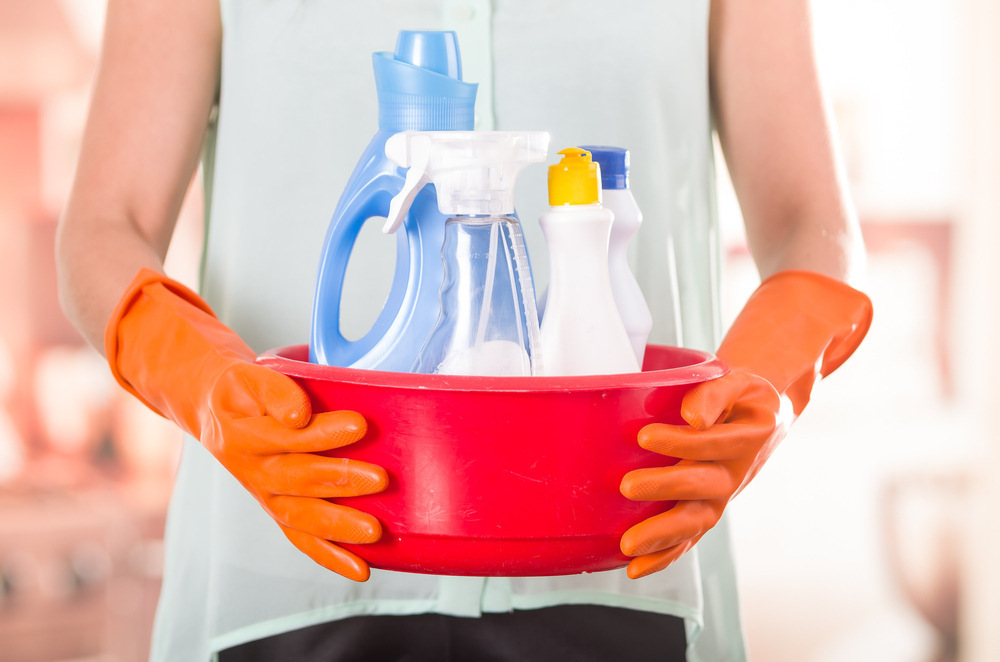
The best way to prevent your pet from being poisoned is to be aware of what items can be toxic and to properly store them out of reach of your pet. Pet owners should also always check labels, including those on human medications, before giving them to their pets. If you suspect that your pet has ingested something poisonous or is exhibiting signs of poisoning, contact a veterinarian immediately for advice and possible treatment.
Some Items in Your Home That Could Be Toxic to Cats
While there are a lot of items that can make your dog and cat sick, such as household cleaners and antifreeze/coolants, there are a few that are more toxic to your felines.
- Lead poisoning from drapery weights, rug padding, linoleum, and foil from the tops of wine bottles
- Automotive parts such as batteries, wheel weights, discarded oil, leaded gasoline, and transmission fluid
- Solder, putty, and caulking from construction jobs
- Roofing and plumbing materials
- Plants such as Easter lilies, tulips, daylilies, daffodils, hyacinths, and Sago palms
These are a few of, but not all, of the items that might be lying around your home and yard as the spring season ramps up that your cat might be poisoned by.

Some Items in Your Home That Could Be Toxic to Your Dogs
A few items in your home could be toxic to your canine pal if ingested.
- Insecticides
- Antifreeze
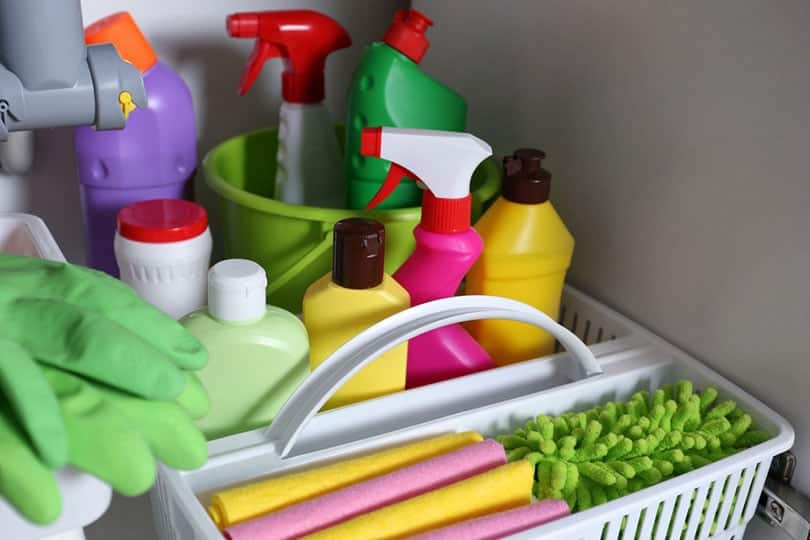
- Household cleaning solutions
- Chocolate
- Poisonous plants
- Prescription drugs
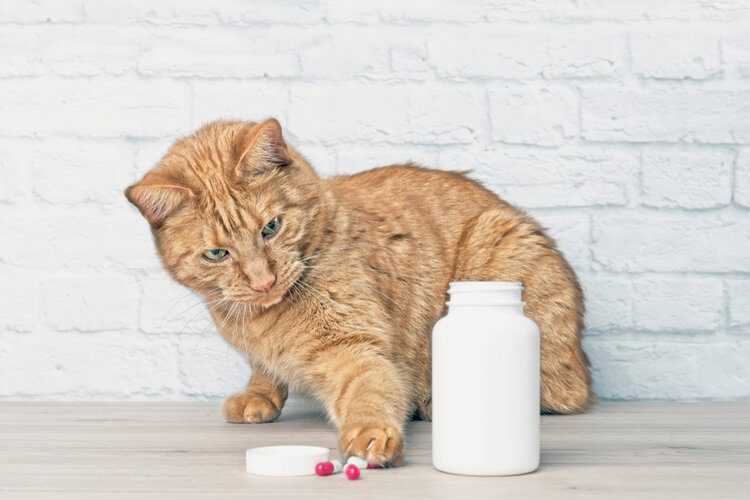
- Over-the-counter medications
While these items can also be toxic to your feline, dogs tend to eat and destroy things that cats don’t, so it’s more likely for your dog to get into prescription or over-the-counter medications than your cat.
Signs of Poisoning in Dogs and Cats
You should watch out for a few signs in your pets if you feel that the dog or cat has gotten into something toxic.
- Decreased or absence of urine
- Excessive urination
- Excessive thirst
- Loss of appetite
- Racing heart rate
- Nausea
- Vomiting
- Bad breath
- Diarrhea
- Jaundice
- Pale gums
- Collapses or is very weak
- Coughing up blood
- Excessive drooling
If you suspect your pet has been poisoned, it’s best to get it to a vet immediately for diagnosis and treatment. You can also call the Pet Poison Hotline for help.
What You’ll Need
When you call your vet or the poison helpline, you’ll need to give them the following so that they can help your pet.
- Name of the poison your pet ingested
- How long ago the poisoning happened
- How much the pet ingested, inhaled, or absorbed
- Your pet's weight
- Which signs of poisoning you’re seeing in your pet
Pet Poisoning FAQ
What are the common signs of poisoning in pets?
Common signs of pet poisoning include vomiting, diarrhea, lethargy, difficulty breathing, seizures, and changes in behavior. If you notice any of these symptoms in your pet, take them to a veterinarian immediately for assessment.
What should I do if I think my pet has been poisoned?
If you think that your pet has been poisoned, contact your veterinarian or the ASPCA Animal Poison Control Center immediately for assistance. Do not try to treat your pet at home as this can be dangerous and ineffective.

What are the most common poisonous household items?
The most common poisonous household items are chocolate, cleaning products, antifreeze, and human medications. Pet owners should be aware of these potential toxins and keep them out of reach of their pets at all times.
Are dogs or cats more likely to ingest household pet poisons?
Dogs are more likely than cats to ingest household pet poisons. This is because they are natural scavengers and often have a habit of going through the garbage looking for food or items to play with. That doesn't mean your cat, or any pet, for that matter, can be trusted around toxic materials. You never know what could happen!

Can I treat dog poisoning at home?
No, you should never attempt to treat pet poisoning at home. Instead, contact your veterinarian or the ASPCA Animal Poison Control Center for advice and possible treatment. You must seek professional help as soon as possible when you suspect pet poisoning. This can be a life-saving measure.
What are the risks of pet poisoning?
Pet poisoning can cause serious and long-term health complications, such as liver and kidney failure. In some cases, it can even be fatal if not treated promptly.

Are over-the-counter medications safe for pets?
No, over-the-counter medications are generally not safe for pets unless they have been specifically formulated for animals. Always check with your veterinarian before administering any medication to your pet.
How do I safely dispose of household items that may be hazardous to my pet?
Before disposing of any potentially dangerous materials in the trash, make sure they are properly sealed or contained so that curious pets cannot access them. If you’re unsure how best to discard certain items, contact your local waste management service for more information on proper disposal methods.

Are there certain plants that are toxic to pets?
Yes, there are certain plants that can be toxic when ingested by cats and dogs. Common poisonous plants include lilies, daffodils, tulips, and sago palms. To avoid any potential problems, it is best to not have these types of plants in your home if you have pets living with you. You can check out the ASPCA Toxic and Non-Toxic Plants List for an extensive list of what plants to avoid having near pets.
Is it safe for my dog or cat to eat human food?
While some human foods such as plain cooked chicken breast can be okay for cats and dogs in moderation, not all human foods are safe for consumption by animals. Foods such as chocolate, onions, or garlic can be dangerous when consumed by pets, so it is important that they do not get access to these items. The ASPCA also has an extensive list of human foods that are toxic to pets.

Where can I learn more about National Animal Poison Prevention Week?
You can find out more about NAPPW by visiting the website. You can also check your local pet stores and veterinarians for information or educational events taking place during the week.
How can I encourage my vet to participate?
If you would like your veterinarian to participate in National Animal Poison Prevention Week, start by visiting their website or calling the office and asking about any events they may be hosting. You can also contact them directly and offer to help with planning an event.
What are some ways to spread the word about National Animal Poison Prevention Week?
You can spread the word about NAPPW by visiting your local pet stores and veterinarians for information or educational events. Additionally, you can post online in groups where pet owners congregate and share your knowledge. Finally, consider volunteering with a welfare organization or charity to help spread the word.
Conclusion
National Animal Poison Prevention Week takes place during the third full week in March each year. This year it will be held from March 17th - 23rd. NAPPW is an important event to help raise awareness about pet poisoning and educate pet owners on how to keep their furry friends safe. By learning what items can be toxic and knowing the signs of poisoning, we can all work together to ensure our pets’ safety.
See Also:
Sources
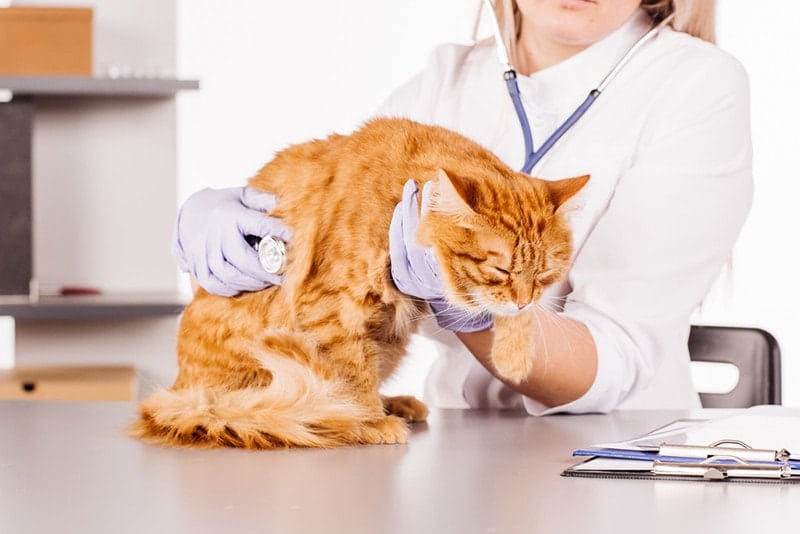
Featured Image Credit: Lightspruch, Shutterstock

Expert cat care, straight to your inbox
Vet-reviewed advice, behavior tips, and the best of Catster. Free, and you can unsubscribe anytime.
By signing up, you agree to our Terms & Conditions and Privacy & Cookies Policy.
Christian started writing for a local newspaper as a teenager, and he's been involved in the publishing industry for most of his adult life. Combining his love of writing with a passion for animals, he is currently the Director of Editorial at Pangolia and the Editor-in-Chief at Catster.
Christian lives in the Philippines with his wife, son, and four rescue cats: Trixie, Chloe, Sparky, and Chopper.
Join the conversation
Ask a question, share your story, or send private feedback.