Veterinary Technician Week — How and When Is It Celebrated?
In this article
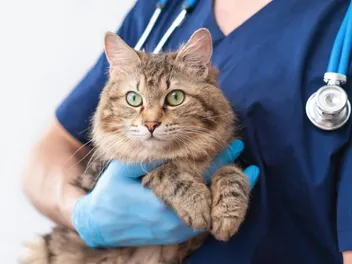
Anyone who has ever had a pet knows how essential veterinarians are, as they help our pets feel better and even save their lives. But what about those unsung heroes who toil away in the background? Without vet techs, things wouldn’t run quite as smoothly at veterinary clinics.
So, in celebration of vet techs, the National Veterinary Technician Week is held every third week of October.
Here, we fill you in on this celebration of vet techs and give you more of an idea of what they do every day.

National Veterinary Technician Week
National Veterinary Technician Week (NVTW) was started in June 1993 by the National Association of Veterinary Technicians (NAVTA), which declared that it was time to recognize the efforts of vet techs. NAVTA sends out media kits, which include posters, press releases, event ideas, and raffles and prizes through its social media.
Vet Tech Week is part celebration and part information. First, this week is designed to celebrate the work and accomplishments of veterinary technicians and their colleagues, like assistants and nurses.
Second, it’s meant to teach the public what veterinary techs do and stress the credentials and professionalism of vet technicians in the United States.
This week gives veterinary techs the opportunity to network with other technicians and veterinary colleagues. It also enables them to investigate future ideas for self-development. This way, they keep their credentials up to date with the support of their peers and other veterinary professionals. Each year has a theme as well!
What Do Veterinary Technicians Do?
Veterinary technicians assist veterinarians with a wide variety of tasks. Vet techs help with the treatment and diagnostics of healthy and sick animals.
While most veterinary practices might utilize their vet techs in different ways, typical responsibilities for veterinary technicians include:
- Providing emergency first aid and nursing care
- Examining the pets
- Observing and reporting on the status of animals
- Taking vital signs
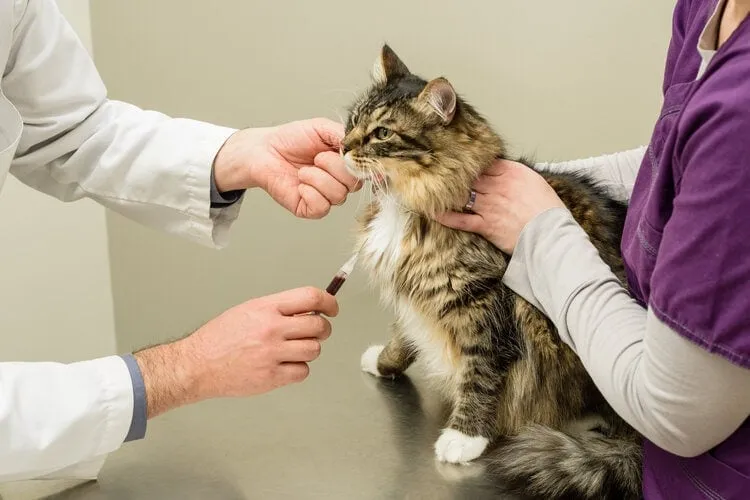
- Drawing blood
- Recording medical histories
- Collecting specimens
- Performing laboratory procedures
- Assisting in research
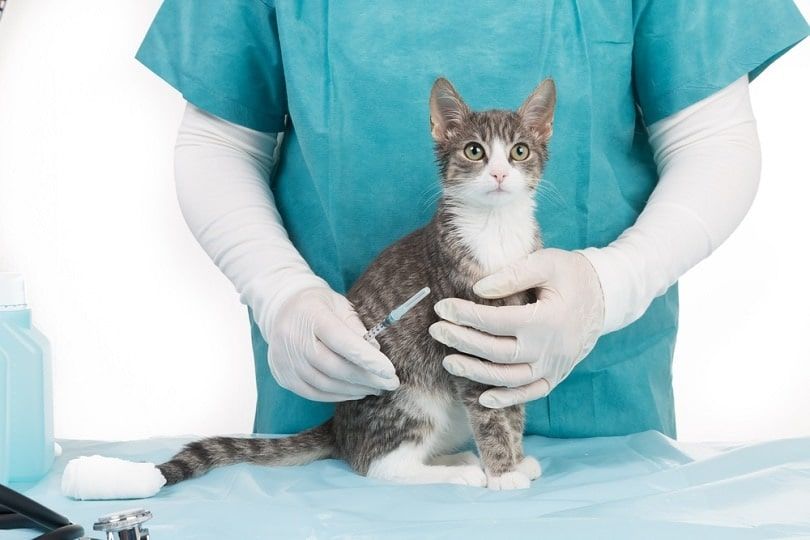
- Administering medications and vaccinations prescribed by a vet
- Preparing equipment and animals for surgery
- Administering anesthesia and assisting in medical procedures
- Restraining animals during treatments and examinations
- Taking and processing X-rays
- Speaking to and educating pet owners
Vet techs are not allowed to prescribe medications, diagnose, or perform surgery without the veterinarian's approval or consent.
What Requirements Are Necessary to Become a Veterinarian Technician?

This usually depends on what country you live in, but in the U.S., you'll need either a 2-year associate's degree or a 4-year bachelor’s degree. The one that you select depends on where you want to work.
Most go for the 2-year associate’s degree, but if you hope to have a government job, you might want to opt for the 4-year bachelor's.
You’ll want to make sure the school that you choose is accredited by the AVMA Committee on Veterinary Technician Education and Activities.
Once completed, you’ll likely take the Veterinary Technician National Exam for certification. This exam is prepared by the American Association of Veterinary State Boards (AAVSB) and is a 3-hour multiple-choice exam done by computer. The AAVSB also hosts practice tests that are available for a fee.
Where Can Veterinary Technicians Work?
According to the U.S. Bureau of Labor Statistics, the most common jobs that vet techs work are in private veterinary clinics and animal hospitals.
Some vet techs will find work in zoos, labs, universities, and animal shelters, as well as government jobs, like in the United States Department of Agriculture.
The job outlook from 2021 to 2031 expects 20% more openings, which is faster than the overall average of all other occupations. This works out to about 15,500 openings each year over the decade.
The hours also depend on the job, but many vet techs work evenings, weekends, and certain holidays. This is especially true if you are working in a vet clinic, and set working hours aren’t always an option when dealing with emergencies.
Physically, it can be a demanding job that involves standing and dealing with fractious animals, so there’s always the chance of getting bitten and scratched.
One of the most difficult parts of the job is dealing with euthanasia and challenging cases involving abuse, for example.
That said, it is an absolutely rewarding job, and the main reason for most people becoming a vet tech is for the love of animals. Helping animals feel better and treating pets, from young babies to healthy adults, can make you feel tremendously fulfilled!
Note: In the UK, veterinary technicians are called vet nurses.
Can Veterinary Technicians Specialize in a Field?
Absolutely! You’ll still need a veterinary technician certification and be well-versed in animal nursing. But there are several areas of specialty that you can consider:
- Emergency and critical care
- Dental
- Clinical practice
- Clinical pathology
- Animal behavior
- Anesthesia and analgesia
- Dermatology
- Internal medicine
- Nutrition
- Laboratory medicine
- Ophthalmology
- Equine care
- Physical rehabilitation
- Surgery
- Diagnostic imaging
- Zoology
Are There Vet Tech Weeks in Other Parts of the World?
In Canada, the Registered Veterinary Technologists and Technicians of Canada, which is based out of Saskatchewan, has an RVT Month for the entire month of October. It’s held in conjunction with each province’s associations, making it Canada-wide.
There doesn’t seem to be a week or month-long celebration in the U.K., but the British and Irish Veterinary Technicians Association has pertinent information for its vet techs and was formed at the request of the Royal College of Veterinary Surgeons.
There are all kinds of opportunities around the world for vet techs. You can try out wildlife rehabilitation in Australia, sea turtle nesting conservation in Costa Rica, or even horse rescue in Spain!
Conclusion
The next time that you see the vet tech at your clinic, thank them, even if it’s not October. They work so hard and are such an essential part of their place of work! There’s always the chance that they helped your pet the last time that you were at the clinic.
They do not always get the same accolades as vets do, but they deserve a shout-out!
See Also:
Sources
Featured Image Credit By: bmf-foto.de, Shutterstock
Expert cat care, straight to your inbox
News, insights, and useful advice, delivered to you.

No spam — unsubscribe anytime.
By signing up, you agree to our Terms & Conditions and Privacy & Cookies Policy.
How useful was this post?
Click a star to rate. You can leave written feedback afterwards. (We read all feedback.)

Kathryn was a librarian in a previous lifetime and is currently a pet writer. When she was a child, she hoped to work in ZOOs or with wildlife in some way, thanks to her all-consuming love for animals. Sadly, she's not strong in the sciences, so she fills her days with researching and writing about all kinds of animals and spends time playing with her adorable but very naughty tabby cat, Bella. Kathryn is hoping to add to her family in the near future – maybe another cat and a dog.