When Will My Current Cat Stop Hissing at My New Kitten? Vet-Verified Tips and FAQs


In this article
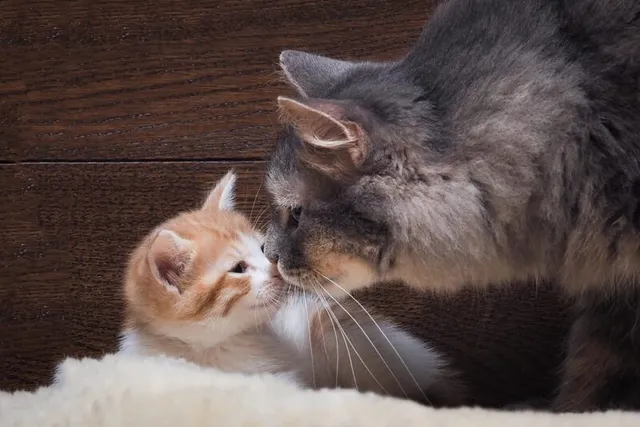
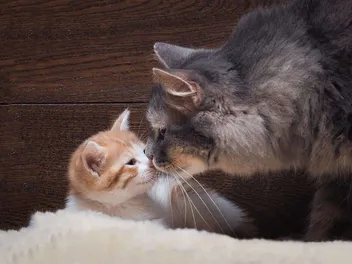
Bringing a new pet home, especially a kitten, is exciting. The new addition to your family almost always brings joy to their new family members, but if you already own an older cat, it can be tricky to get them settled with the new kitten. Although it’s normal for a cat to dislike a kitten immediately after meeting it, it’s also normal for them to show aggression and hiss.
Breaking routine is never fun for cats. They enjoy their home and spending time with their people, and new people and animals can cause stress. Luckily, this does not tend to last long. After the cat gets used to the new kitten in their space, it’ll be much calmer around your house. Tensions tend only to last a few days up to a few weeks. Cats can adapt quickly, but it doesn’t mean they like it.

Why Do Cats Hiss at New Kittens in the First Place?
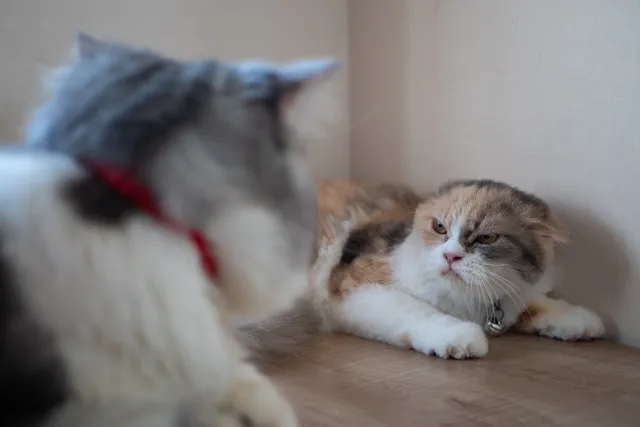
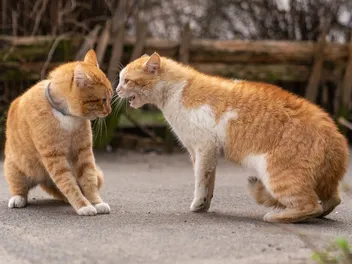
Cats tend to hiss as a warning signal, to create distance and avoid the person or animal approaching them. They also hiss when they are annoyed or in pain. A cat’s hiss is a warning sign for whatever is invading its space to get out. A new kitten is no exception, no matter how small they are!
Cats also love their routine, and if that routine is broken, it may cause stress that may be expressed as hissing. This would happen in any situation. New baby, new kitten, new place, anything can cause hissing when the cat gets stressed and feels it needs to be defensive. Give the cat a few days to settle down, make sure you respect their space, and create positive associations to help them understand that the kitten is part of the family now. With patience and gradual introductions, your cat should warm up to the kitten soon.

Some cats are aggressive towards other cats due to poor socialization, trauma or another reason. Getting to know your cat before getting a new kitten is essential. With cats, there is always the risk that they may be incompatible. If your cat is aggressive towards other cats, that can put the kitten in danger.
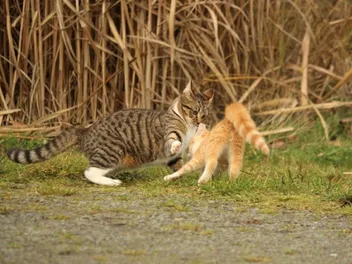
Cats can also feel invaded or even trapped in their space, especially if the kitten is cornering them. Whether or not the kitten notices or means it doesn’t matter. If your cat feels threatened, they will try to create some distance between themselves and the kitten, resulting in hissing. This can be dangerous for both cats, as they can get hurt. Remember that kittens from a large breed can be the same size or even bigger than small-breed adults. Be sure to give your cat space and monitor their interactions to ensure both are safe.

How Do I Introduce a New Kitten?
The best way to begin is to keep them separate and only allow controlled interactions while you observe. Perhaps bring them both into a neutral room with a divider, like a baby gate, and allow them to watch each other from a distance. Allow them to get used to each other’s smell by interchanging blankets or toys and pairing them with some of their favorite treats; never try to force an interaction.
If both the cat and kitten remain calm and look for contact through the gate, make sure you reinforce any positive associations with each other by giving both the cats treats and perhaps a toy they enjoy. Be sure to do this with each cat simultaneously to ensure no one gets jealous. At some point you can even switch their bedding to help them get used to each other’s scent.
Always allowing the cats to leave the situation is very important. If a cat feels cornered or simply overwhelmed, it can trigger aggression. If they begin hissing at each other or show other signs that they’re about to attack, it is best to separate them and put them in separate rooms for the time being until they have calmed down enough.

If your cat and kitten can freely be near each other without hissing or being aggressive, you can begin to lengthen the amount of time they spend together. Carefully watch them to ensure there is no hissing or any other signs of displacement, precursor, or aggressive behavior.
Once you reach about a week of peaceful interactions with no signs of aggressive behavior, you can relax a bit and allow them to live together peacefully. However, it is always important to keep an eye on them to ensure they do not get on each other’s nerves. Providing a safe space for each is a must. A hiding spot with an entrance small enough for the smallest cat and a resting spot that is tall enough to allow the largest one to be out of reach is always a good idea.
If you notice them not socializing with each other for multiple weeks, they may be incompatible. If they constantly show aggressive tendencies or precursors towards each other, you may have to figure something else out.
How Do I Know It’s Working?
There are a couple of things you can look out for to ensure your cats are getting along well together. First, it is a great sign if they tend to share space, like a room. Space is a resource for cats, and allowing others in their space is one of the best signs. If neither cat is hiding from the other, then it’s a good sign, also.
Eating from the same bowl is also a good sign. You can notice this when you set up multiple bowls for your cat, and they still choose the same one. This is a good sign because it shows that your cats have formed a bond with each other. However, the recommendation is always that each cat should have their own bowl, bed, and litter box to avoid resource competition aggression.

Grooming and playing together are two excellent signs to show that your cats are getting along. Cats that are friendly with each other will groom each other. This is a bonding experience for each cat that will strengthen their relationship. If you see them doing this, it’s best to leave them alone for the time being to allow them to have some alone time together and bond.
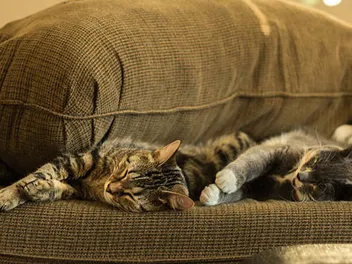
Sleeping together is the last great sign that your cats are getting along. Sleeping together shows that they trust each other completely. This is the best sign you can hope for. Cats can be generally territorial, and sharing sleeping space can show that they have bonded deeply.

FAQ
How long does it take for a cat to get used to a new kitten?
It can take multiple weeks for the cat to get used to your new kitten, even with a lot of time spent together. Generally, it’s essential to keep track of your cat’s time with the new kitten to ensure they are compatible. Sometimes, cats don’t get along, and it becomes unsafe for both. In those situations it is better to reach out to a veterinarian and find out what you can do about this.
Should I let my cat hiss at the new kitten?
Some hissing is usual. Please do not punish the cat for hissing, as it can bring more stress and aggressive behavior. It can cause a negative association with the kitten, making your cat more likely to dislike them and feel threatened around them.
Furthermore, if cats are taught not to hiss, they will escalate to violence. You want your cat to hiss, as it can prevent the situation from escalating.
However, if your cat does seem to be hissing a lot, it’s probably time to separate the two cats. Constant hissing signifies that one cat is uncomfortable or the other cat isn’t listening to the warning.

What happens if you introduce cats too quickly?
Introducing cats too quickly can cause excess aggression and stress, increasing the chance of either of the cats getting hurt. If you don’t prepare and don’t give them enough space, it can cause both cats to dislike the other forever. If their first impression is negative, it can be hard to change it, so be sure you are prepared for the first few meetings with the cats.

Conclusion
Bringing a new kitten home can be exciting, but you need to be careful when introducing your new kitten to your pre-existing cat. You must ensure that the first few meetings are positive events in your cat’s mind to keep both of them safe. If you fail to do so, they could become aggressive and could get injured.
It’s best to give the cats space when first meeting each other to allow them to get used to the new addition to their life. If they are pushed and feel invaded or cornered, they will be stressed or anxious. This can cause hissing and even possibly escalate to aggression.
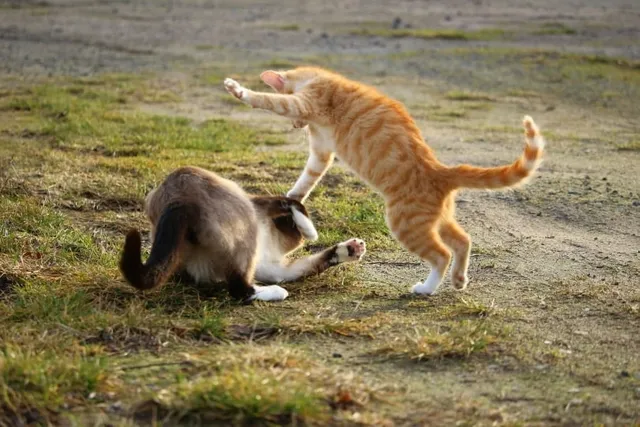
If your cats are getting along, there are signs to look for, such as sharing space, sharing a food bowl, allogrooming, and sleeping together. These signs can show that your cats are bonded entirely and safely. Once you notice these signs, you can be sure your cats won’t attack each other. Sure, there may be some playful scuffles here and there, but overall, neither of them will get injured.
Featured Image Credit: Irina Kozorog, Shutterstock
Expert cat care, straight to your inbox
News, insights, and useful advice, delivered to you.

No spam — unsubscribe anytime.
By signing up, you agree to our Terms & Conditions and Privacy & Cookies Policy.
How useful was this post?
Click a star to rate. You can leave written feedback afterwards. (We read all feedback.)
Kristin is passionate about helping pet parents create a fulfilling life with their pets by informing them on the latest scientific research and helping them choose the best products for their pets. She currently resides in Tennessee with four dogs, three cats, two fish, and a lizard, though she has dreams of owning chickens one-day!