Where to Put Your Cat's Litter Box: 12 Vet-Reviewed Tips for Choosing the Perfect Location


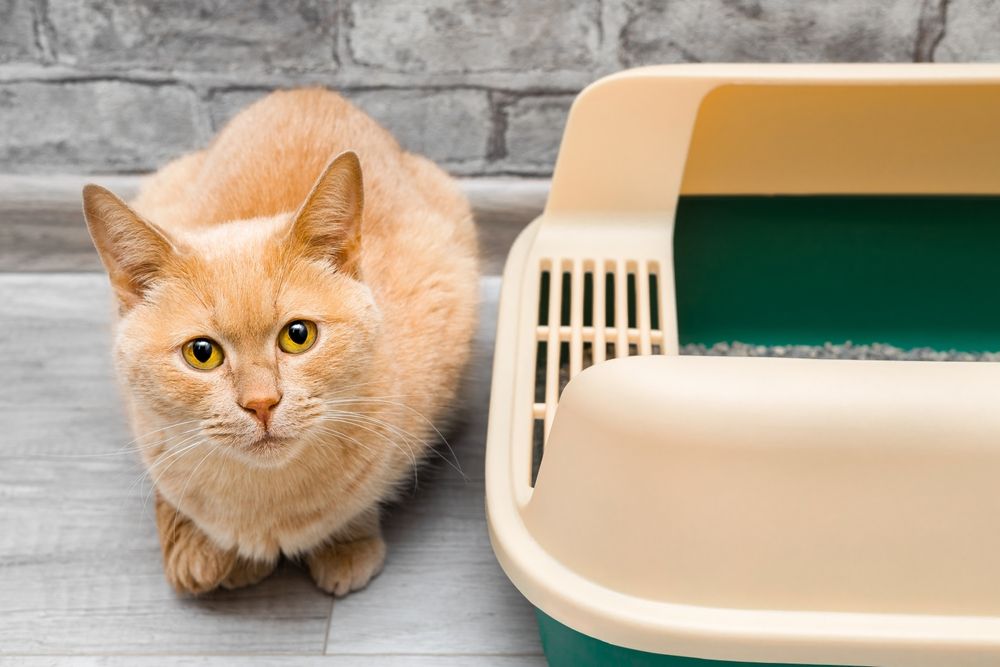
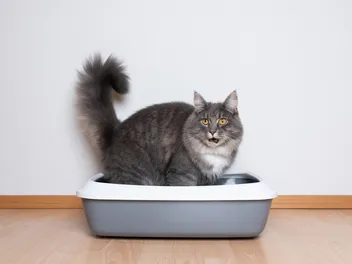
A necessary part of bringing a new cat into your home is buying them a litter box. But just like how getting the right type of litter box is very important for your cat, finding the right location for them is a big deal too. We highlighted 12 tips for finding the ideal litter box location in your home just below.

The 12 Vet-Reviewed Tips for Choosing the Perfect Location for Your Cat's Litter Box
1. Find Somewhere Quiet
Do you want a ton of hustle and bustle around you when trying to use the bathroom? Neither does your cat. They want somewhere quiet to get away when they need to relieve themselves, so try to avoid placing their litter box somewhere with loud noises, especially if they come unexpectedly. Avoid things like loud appliances and entryways or else your cat might avoid it altogether.

2. Ensure They Have Easy Access
Your cat needs to be able to get into the litter box easily to use it. If you have an older cat, ensure that the walls or opening are low enough to the ground that they can easily step into it, and be careful about putting it in a room where you typically keep the door shut.
3. Keep It Away From Your Sleeping Areas
You spend a lot of time sleeping, and the last thing you want is to breathe in the fumes of cat urine from the litter box or them scratching at the walls while you’re sleeping. On the same note, don’t place it near where your cat sleeps, either. Cats prefer to keep this area separate from where they eat, drink, sleep, etc.

4. Ensure It’s Safe
This might seem obvious to you, but it’s worth mentioning that the last thing you want is to put the litter box in an unsafe location. This includes things like laundry baskets that can topple over and create a safety hazard for your cat or anything that’s not secured that could fall on them or trap them in their litter box. You also don’t want to put the litter box on top of something too high. While it might seem safe at first, if your cat shifts the box while they’re climbing into it, it could put your cat in a dangerous position.
5. Pick an Area Your Cat Likes
Do you want to go all the way to the other side of the house every time you need to use the bathroom? Neither does your kitty. Pick an area that isn’t always full of traffic but remember that you don't want it to be so far away that your cat has to travel across the entire house to get there. It’s all about finding the balance between those two things.

6. Keep It Away From Food
Your cat’s safety should be your number one priority, which means keeping it away from their food and water bowls. Not only do you want to keep the litter and waste away from their food and water, but you also don’t want the litter dust settling in it. This is a big deal, so find a space that isn’t close to where they eat and drink.
7. Get Enough Litter Boxes
This isn’t exactly a tip on where to put each litter box, but it’s important enough to mention. The rule for litter boxes is to have one on each floor and to have one for each cat, plus one. That means for one cat you should have at least two litter boxes, for two cats you should have three, and so on. If you only have one cat but have two floors, you need one on each floor.

8. Keep the Area Private
Nobody wants an audience when they’re going to the bathroom, and for your cat to feel safe enough to use the litter box, they need to feel like no one is watching them. Try to find a quiet location for the litter box that also gives your cat enough privacy to readily use it at any hour of the day.
9. Ensure There’s Ventilation
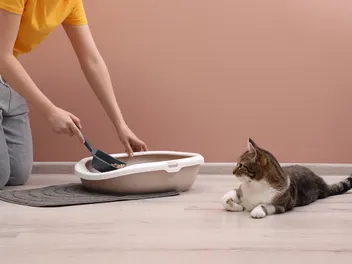
Litter boxes smell, and just like how you don’t like the smell of urine or feces, neither does your cat. Find a space that allows for adequate ventilation so the smell doesn’t build up too much inside the litter box for your cat. You can also help with this by frequently cleaning out the litter box, preferably once per day.
Combating tough cat litter smells is an ongoing battle for pet parents but luckily, there are products out there designed to help! Two products that significantly reduce odors are the Hepper Litter Additive and the Hepper Enzyme Spray.
| Image | Product | Details | |
|---|---|---|---|

|
Hepper Advanced Bio-Enzyme Pet Stain & Odor Eliminator Spray |
|
Check Price |

|
Advanced Bio-Enzyme Cat Litter Deodorizer |
|
Check Price |
At Catster, we’ve admired Hepper for many years and decided to take a controlling ownership interest so that we could benefit from the outstanding designs of this cool cat company!
10. Give Your Cat a View
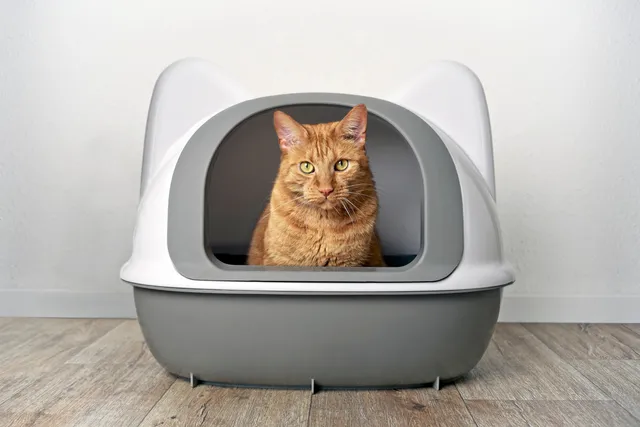
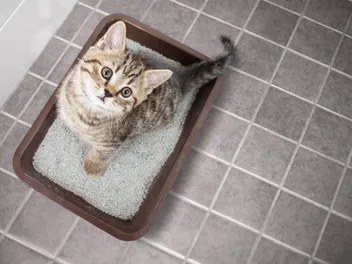
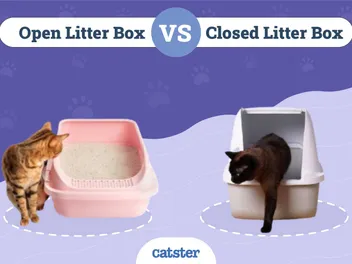
While your cat wants to feel private and secure when they’re using the litter box, they don’t want to feel trapped. Giving your cat a view out of the litter box goes a long way in making them feel safe. So, putting their litter box in an area where they are almost boxed in probably isn’t a good idea. Also, keep in mind that while some cats don’t mind a covered litter box, others prefer the area to be completely open so they can be aware of their surroundings while they’re at their most vulnerable.
11. Stay Away From Drafts and Vents
Drafts and vents are great for ventilation, but they also spread the smell of the litter box throughout your home. Because of this, you really want to do your best to keep litter boxes far enough away from vents so your entire home doesn’t end up smelling like kitty litter.

12. Ensure There’s Enough Light
Your cat has quite good night and low light vision, but they will still appreciate sufficient light when they’re using the litter box. Being in complete darkness on the other hand can make it less enjoyable for them, and it can make them feel less secure. Finding a space in your home that has enough light for them to see while they’re in the box will completely alleviate this concern.
Conclusion
Now that you know a bit more about what you should and shouldn’t look for when finding a litter box location, all that’s left is for you to apply these tips and start looking around your home! Sometimes the perfect location is right in front of your face, and other times you need to get a bit more creative.
Either way, if you find the right spot for the litter box, it’s one less thing you and your feline friend need to worry about.
See also:
Do Cats Like Enclosed Litter Boxes? Pros, Cons & Useful Tips
How to Move a Cat Litter Box: 5 Vet Approved Tips to Prevent Accidents
Featured Image Credit: Oleg Opryshko, Shutterstock
Expert cat care, straight to your inbox
News, insights, and useful advice, delivered to you.

No spam — unsubscribe anytime.
By signing up, you agree to our Terms & Conditions and Privacy & Cookies Policy.
How useful was this post?
Click a star to rate. You can leave written feedback afterwards. (We read all feedback.)
Adam is a seasoned freelance writer and passionate animal lover who has dedicated years to rescuing countless animals. With a decade of experience as a freelance writer and an even longer history of animal rescue, he has honed his skills in both fields. Adam is also a proud father of three and thrives on challenges and new adventures.