Kittens First Vet Visit: What to Expect & How to Prepare (Vet-Approved)


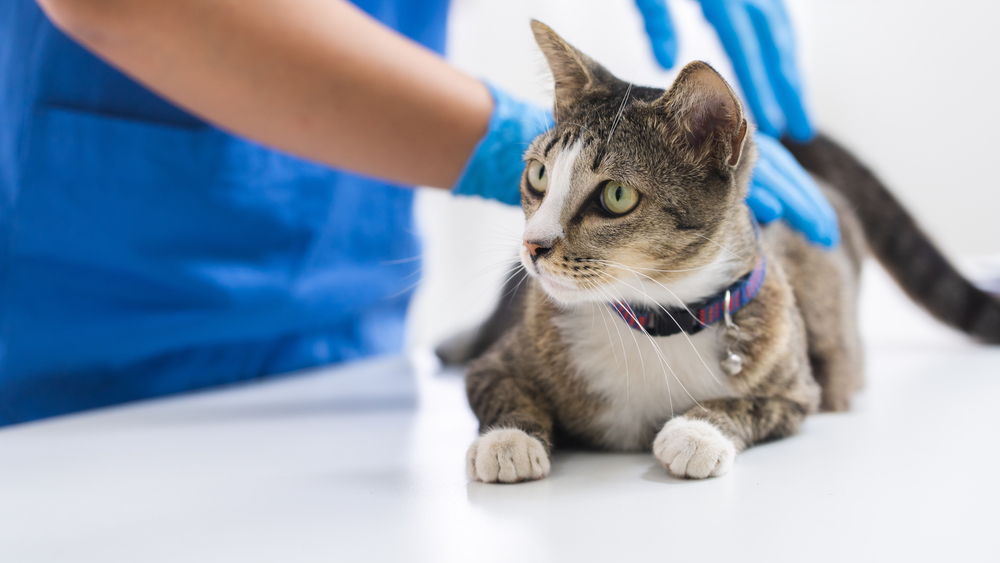
The first days and weeks after welcoming a new kitten into your home are usually full of excitement as you become acquainted with your new companion. Getting to know your pet’s quirks and personality traits and bonding with them is essential for laying a solid foundation for your lives together. However, it’s also vital to maintain regular veterinary appointments to keep your cat healthy. Keep reading for a step-by-step guide to preparing your kitten for their first vet visit.

What to Expect
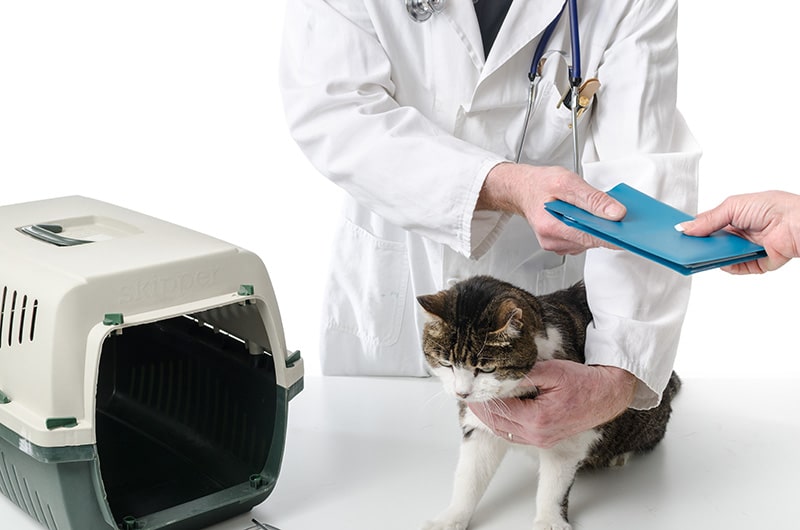
Your first vet visit will begin with a quick check-in, and you’ll fill out basic information about yourself and your kitten. Keep your kitten in their carrier to help them stay calm in the new surroundings and to make sure they are safe.
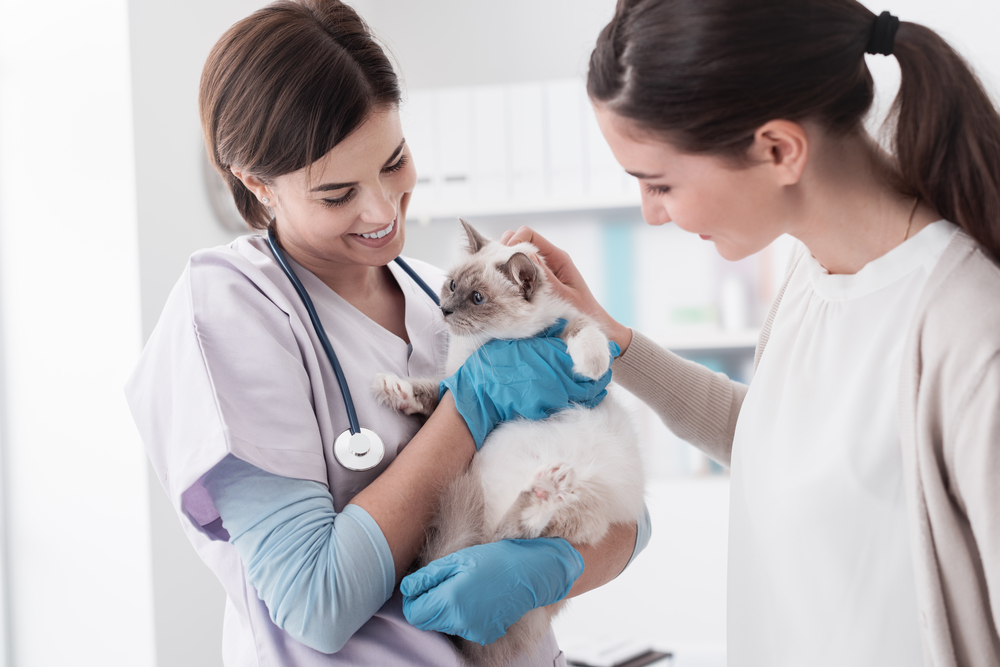
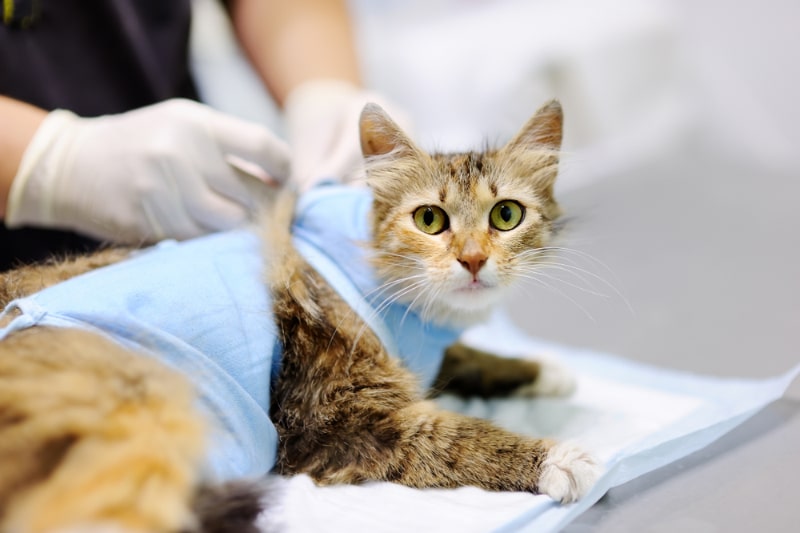
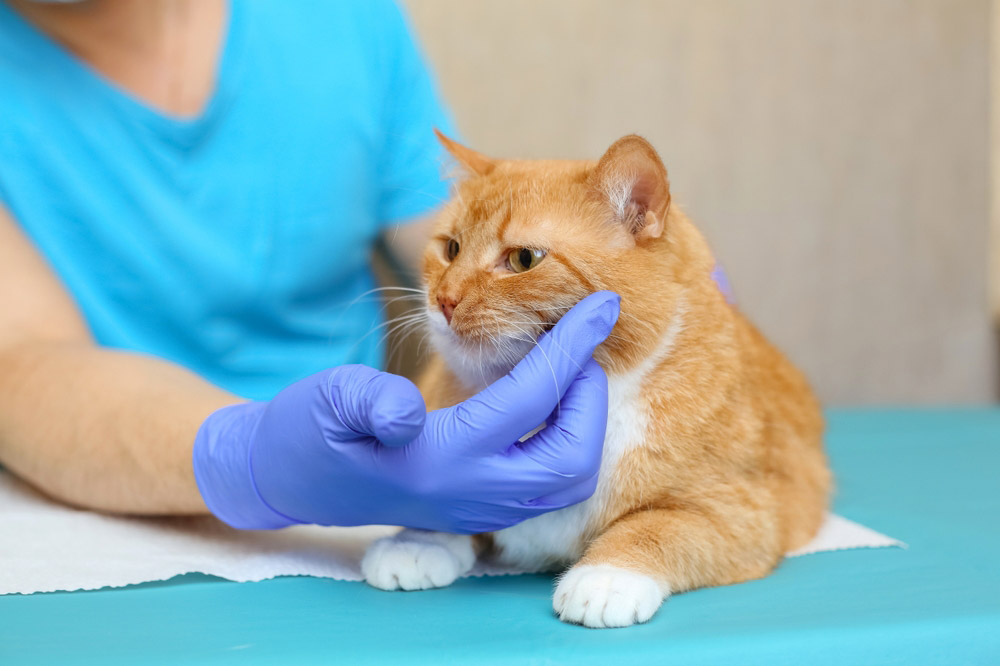
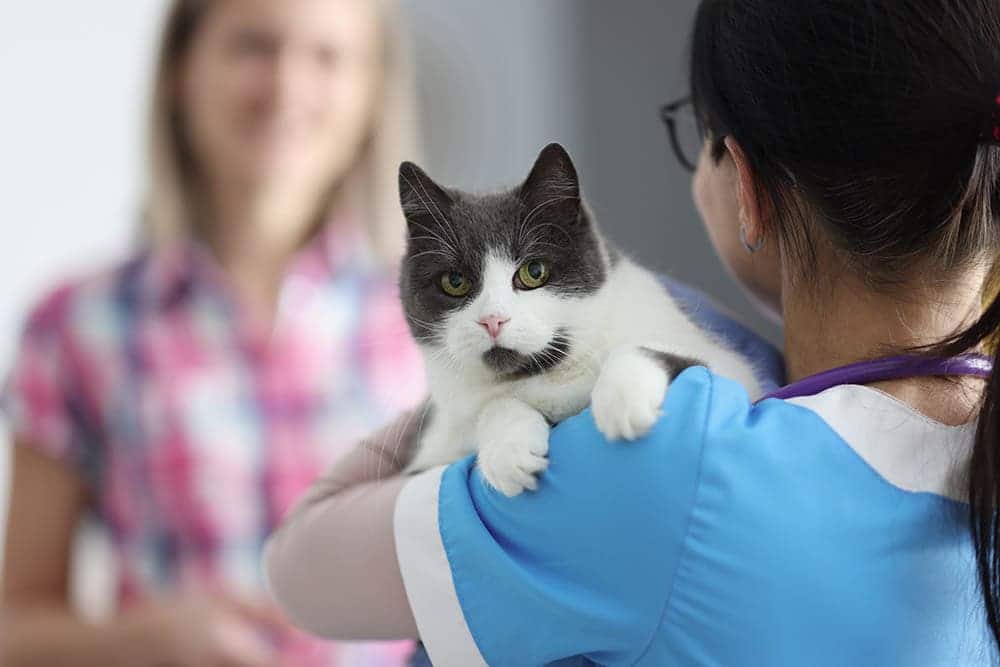
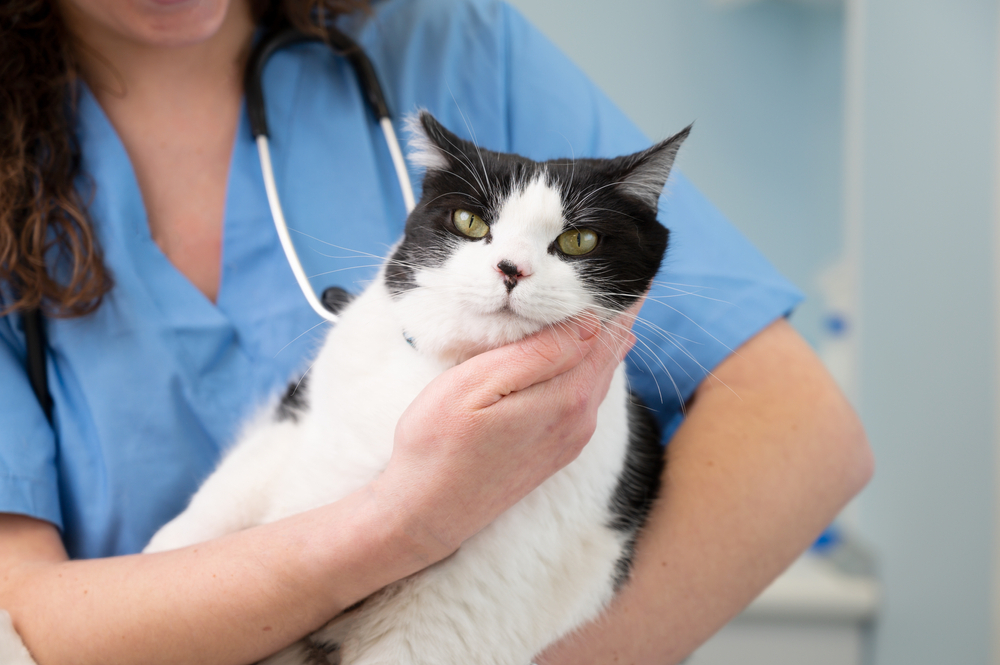
The initial examination will be relatively short. The veterinarian will check out your kitten's eyes, mouth, ears, and tummy. They will probably be weighed, and the veterinarian may check to see if your cat’s microchip is working (if one has already been implanted).
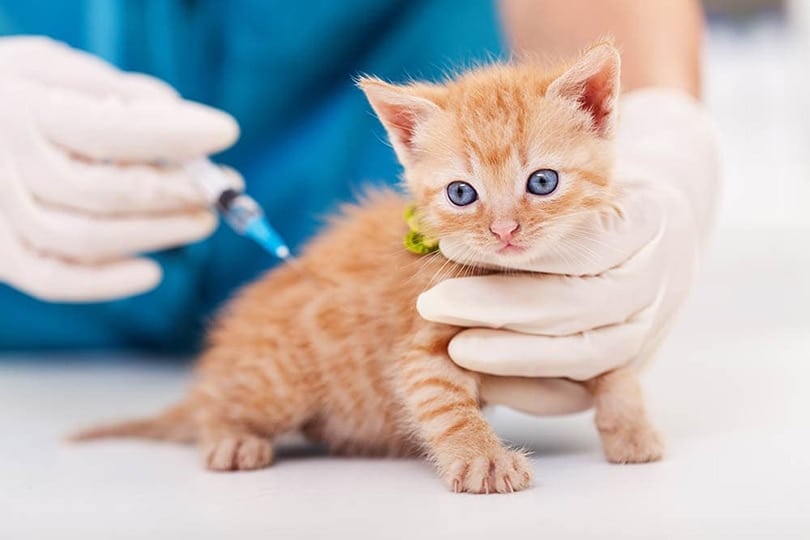
Your kitten will receive vaccinations depending on their age and prior medical history, and if they haven’t been spayed or neutered, the veterinarian will likely discuss the procedure with you.

How to Prepare for Your Kitten's First Veterinary Visit
Making the first trip to the veterinarian as smooth as possible can go a long way in helping your cat feel comfortable during future checkups. Keep reading for a few tips to help you prepare for your companion's first trip to the veterinarian.
1. Invest in a Carrier
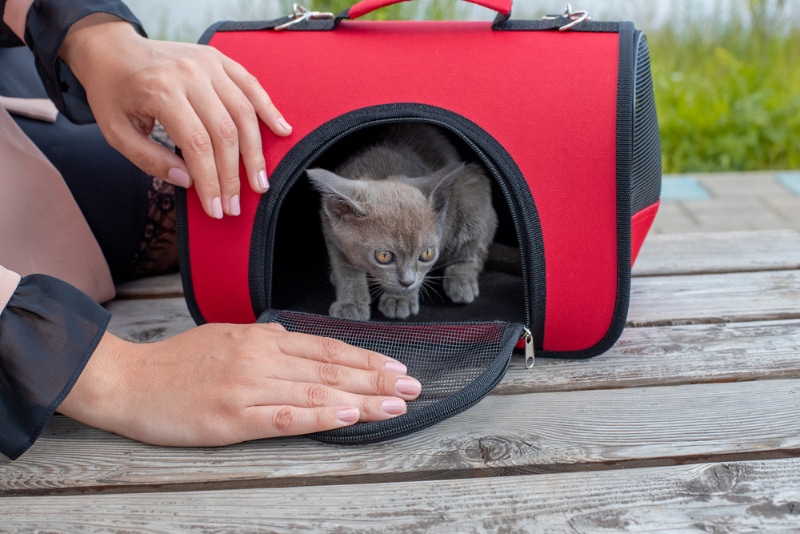
Cats are safest when transported in carriers, and it's well worth the time and investment to find a good one that will keep your kitten secure and provide them with a sense of comfort. Look for a model with enough space for your kitten to turn around and stand up comfortably.
Rigid carriers with top and front access make it easy to get squirming cats out at the veterinarian. However, soft carriers are easier to carry and store, and some cats may prefer them since the material is more comfortable on their paws.
2. Allow Your Kitten to Investigate the Carrier
A kitten can become more comfortable with their carrier if given the time to investigate it before heading to the vet’s office. Although some cats are initially hesitant to enter their carriers, others enjoy hanging out and napping in them if given the chance to properly acclimate to them.
You can add a towel or blanket to the bottom to make it nice and comfortable, and placing a shirt with your scent on it or objects that are familiar can help your kitten relax.

3. Get Your Cat Used to Getting into and out of the Carrier
Getting your kitten into and out of the carrier may be the most challenging part of their first veterinary visit. Kittens are masters when it comes to evading human attempts to get them to leave the comfort and safety of their carriers. However, you can encourage them to enter and leave the carrier before your first appointment by using treats as rewards.
When they’re in the carrier, and you're ready for them to exit, call their name. If they don’t come out, stand a few feet away and show them the treat. It may take a few days or weeks to train your cat, but most felines respond well when they get rewarded with treats.
4. Take a Few Practice Car Rides
Cats aren't known for loving car rides, which can add a level of stress to the process of getting them to the veterinarian. Exposing kittens to short car rides before their first vet appointment can reduce their stress. Cats and kittens should always be secured in carriers when in cars to prevent them from getting loose and keep them safe in the event of an accident. Be sure to reward them afterwards to make sure they associate a positive experience with the carrier and car ride.

5. Help Your Kitten Get Used to Being Handled
Kittens, particularly young ones, are still getting used to being picked up and handled, which can make being examined by a veterinarian particularly stressful. However, you can prepare your kitten by examining their paws and teeth when they’re relaxed. It’s better to handle them when they’re not full of energy, such as before or right after a nap.
6. Write Down Any Concerns or Questions You Have
Your kitten's first vet visit is the perfect time to ask any questions you have about cat care, such as what and how much your companion should be eating and how much weight they should be gaining every month.
Make sure to let the veterinarian know if you plan to allow your cat to enjoy unsupervised outdoor access since outdoor cats sometimes benefit from a few extra vaccinations. Also, write down any concerns you may have about your kitten's energy level, sleeping patterns, or bathroom habits. Consider discussing the best way to groom your kitten, and don't forget to ask about any future appointments that may be necessary so you can stay on top of your kitten's medical needs.

7. Get All Your Kitten's Paperwork Together
Gather all your paperwork so your veterinarian can examine your cat’s background and health. Kittens adopted from shelters and those purchased through breeders are usually sent home with medical paperwork indicating which vaccinations they've received and if they've been spayed or neutered.
Conclusion
Visiting your veterinarian regularly can help your kitten grow into a happy, healthy adult. While cats and kittens aren't known for generally being fans of veterinary visits, there are several things you can do to prepare ahead of time and make the process less stressful for you and your kitten. Selecting the right carrier, allowing your kitten lots of time to get used to their carrier, and taking practice car rides can help them stay calm during their first appointment with the vet.
Sources
Featured Image Credit: mojo cp, Shutterstock

Expert cat care, straight to your inbox
Vet-reviewed advice, behavior tips, and the best of Catster. Free, and you can unsubscribe anytime.
By signing up, you agree to our Terms & Conditions and Privacy & Cookies Policy.
Lorre Luther is a writer who is firmly convinced that cats are smarter than humans. She left her law career in the United States and moved to the Netherlands to follow her dream of becoming a writer. Lorre currently lives in Rotterdam, she enjoys traveling and greatly appreciates the beauty of nature. Lorre has a spot for animals and admires the intelligence of cats.
Join the conversation
Ask a question, share your story, or send private feedback.