How To Keep Outside Cats Cool in the Summer: 5 Vet-Approved Tips


In this article
As the summer heats up, we see plenty of cat owners worried about helping their outdoor-loving felines stay cool. As humans, we rely largely on air-conditioning during the hottest months. However, there are plenty of felines who either cannot seek shelter indoors or refuse to.
Luckily, there are many ways to keep outdoor cats cool. Most cats do very well in the heat, so there is typically less of a reason to worry than you might guess. Cats are heat-loving animals in most cases.

The 6 Easy & Effective Tips on How to Keep Outside Cats Cool in the Summer
1. Add Plenty of Shade
Shade is one of the best ways to keep your cat cool in the summer. Shade helps your feline stay cool, and it cools the ground, helping keep your whole yard cool in the process.
Provide multiple levels of shaded areas and even double up on the shade to help improve your cat’s comfort. Consider adding bushes, porch covers, leafy trees, and even strategically placed tarps around your yard. If you have many cats, be sure to provide several shady areas. Cats aren’t always keen on sharing.
Providing several shady areas also provides your cat with more options. They can choose to go to a very shady porch or select the dappled shade underneath a tree.
You can get creative, too. Stringing up a tarp can add plenty of shade to your treeless backyard, for instance. You can also consider building a shade for your cat’s outside shelter, which will help reduce the temperature inside.

2. Don’t Forget Water
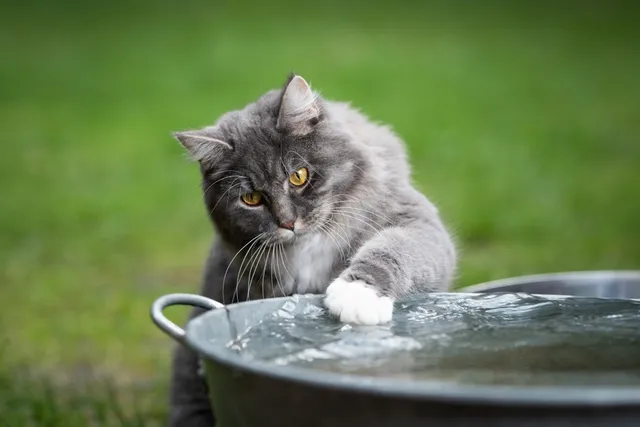
If your cat stays hydrated, there is a very good chance that they will be able to keep themselves cool. It’s when your cat gets dehydrated that the chance of heat stroke and other heat-related problems becomes higher.
Scatter multiple water bowls around your yard in shaded areas and refill them often. Luckily, you don’t have to worry about the water freezing during the warmer months, but you should expect your feline to drink far more than they would in a milder climate.
Instead of just placing water bowls on the ground, elevate them using bricks or upside-down planters. This improves airflow around the water, helping it stay cooler for longer. It may also help the water stay cleaner for longer.
In some cases, you may want to invest in a cat fountain with a filter. Outside, all sorts of grime can end up in your cat’s water. Some pickier cats may refuse to drink water altogether if there is even a hint that it’s dirty. Most cats prefer cat fountains, anyway.
Try adding ice cubes to your cat’s bowls to provide a constant supply of cool water. The ice cubes won’t last forever, but they will keep the water colder for longer. Plus, many cats love to bat them around the bowl. During the hottest parts of the year, you may want to offer your cat wet food instead of their usual kibble. Wet food that’s higher in moisture can help your cat stay hydrated.
3. Cooling Resting Places
In the winter, snuggly cat beds in draft-proof houses are preferred. However, your cat needs the opposite in warmer temperatures. When the temperature rises, it’s important to optimize airflow. Raised beds do just this. They allow for air to flow on all sides of your resting feline, lowering their body temperature.
Place these beds in a shaded area where they will be out of direct sunlight.
You can also invest in pressure-activated cooling mats. There are all sorts of these available today. Some are passive coolers, while others require electricity. Some work better than others, but all of them do provide some cooling. Having one of these available can seriously help your feline stay cool, but you should invest in other cooling options, too.
During the hottest part of the day, you can also DIY your own cooling blanket. Soak a towel in cool water and wring it out. Put it somewhere shaded for your cat to lay on. In our experience, even cats that don’t like water will welcome the cooling these simple mats provide.

4. Know Your Cat
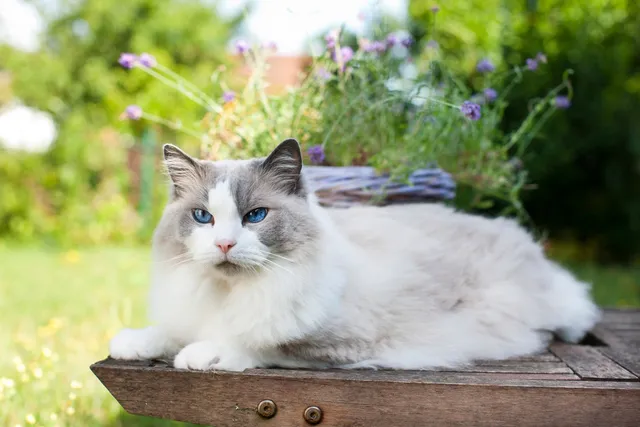
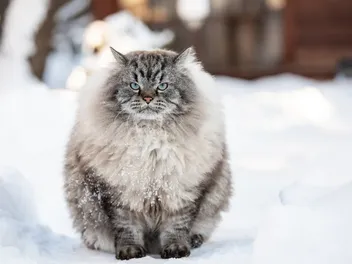
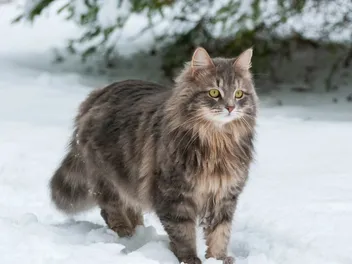
Longhaired breeds may have more trouble in the summer, so you may need to provide them with extra cooling options. In some cases, you may even need to contain your cat inside during the day, even if they don’t like it.
For instance, Persians have long fur and are brachycephalic. This puts them at a double risk for heatstroke, so you should seriously consider keeping them inside.
At the same time, even hairless cats are at a higher risk for sun-related issues like sunburn. Therefore, it’s a better option to keep them inside, too. It’s often the short-haired cats that do best during this part of the year.
5. Watch for Signs of Heatstroke
Even with all the cooling methods available, your cat is still susceptible to heatstroke and similar complications. Heatstroke can be deadly and is one of the more serious conditions associated with your cat getting too hot.
Once they begin getting too hot, cats will try to escape the heat. When this isn’t possible, their temperature will continue to rise. Once it gets too high, the cat’s internal systems will become seriously inflamed. Slowly, this causes a chain of effects that can disrupt every major system in the body. Essential proteins and enzymes will be broken down, putting the cat at risk for organ failure.
Heat exhaustion is also serious. However, it’s generally considered an early stage of heat stroke. If your cat is cooled down while still in this early phase, they may not need a trip to the vet. However, heatstroke should also warrant a trip to the vet. It is an emergency.
Signs of both heat exhaustion and heat stroke include:
- Reddened gums
- Diarrhea and vomiting
- Pinpoint spots on the whites of the eyes, skin, inside of the ear, and belly.
- Labored breathing
- Wheezing
- Panting (it is not normal for cats to pant)
- Disorientation
- Inability to walk
- Seizures
Most cats with heatstroke have an underlying condition that makes them more prone to it. For instance, brachycephalic breeds like the Persian are much more prone to heat stroke. Obese and senior cats are also more prone to heat-related conditions. Kittens that are younger than four months may also be at a higher risk.
Some underlying health conditions may also be at a higher risk for heatstroke. Cats with kidney disease or anything that affects their hydration may be particularly at risk. Sadly, many of these underlying conditions are also underdiagnosed, so you may not know if your cat has one of them.
That said, every cat can develop heatstroke if they are in a warm enough environment. This most commonly happens when cats become stuck in cars or other enclosed spaces, though it can happen if a cat is left outside on rare occasions.

6. Consider the Neighborhood Cats, Too
All cats will be affected by heat, not just yours. If your neighbors have outside cats or there are feral cats in the area, plan on them using your cooling stations, too. You may want to add an extra cooling area and extra water if you know these cats are nearby.
You don’t want your cat fighting with others for these resources, firstly, and it’s always a good thing to supply these resources to those who don’t have them.
What Outside Temperature is Safe for Cats?
The exact temperature that’s safe for your cat can vary. Most cats are perfectly fine up to 80°F. However, once it starts getting over that for an extended period, at-risk cats may start becoming too hot. For instance, kittens and senior cats may need to be brought in once the temperature starts reaching 90°F.
Longhaired breeds are particularly at risk, too.
High humidity should also be considered, as too much moisture in the air can make it harder for your cat to cool down. In some severe cases, you may need to bring your cat inside at a lower temperature due to the higher humidity.
Cats that live outside for much of the time may be more adapted to your climate. However, they will still struggle once it gets very hot.
Final Thoughts
Most cats do pretty well in the heat. However, that doesn’t mean that you shouldn’t take steps to help them stay cool. Shade and water are the main ways to keep your cat cool during the summer months. You should have more than one shaded area and several sources of water. Relying on one source can be potentially deadly if it runs low or becomes inaccessible.
At-risk cats are particularly prone to heatstroke once it gets hot. Therefore, it’s important to consider bringing these cats inside altogether, even if they’ve spent most of their lives outdoors.
Don’t underestimate cool places for your cat to lay, too. Cats may like passive cooling mats, raised beds, or even wet towels to lay on once it starts getting really hot.
- Related read: Is It Legal to Let Your Cat Outside?
Sources
https://rmets.onlinelibrary.wiley.com/doi/abs/10.1002/joc.2177
https://www.bluecross.org.uk/advice/cat/top-tips-for-keeping-your-cat-cool-in-summer
https://www.dailypaws.com/cats-kittens/cat-safety-tips/how-to-keep-cats-cool-in-summer
https://www.reddit.com/r/CatAdvice/comments/143aalx/megathread_keeping_cats_cool_and_comfortable_in/
https://www.comfortedkitty.com/tips-for-how-to-keep-cats-cool-in-the-summer-the-definitive-guide/
See also:
Featured Image Credit: absolutimages, Shutterstock
Expert cat care, straight to your inbox
News, insights, and useful advice, delivered to you.

No spam — unsubscribe anytime.
By signing up, you agree to our Terms & Conditions and Privacy & Cookies Policy.
How useful was this post?
Click a star to rate. You can leave written feedback afterwards. (We read all feedback.)
Kristin is passionate about helping pet parents create a fulfilling life with their pets by informing them on the latest scientific research and helping them choose the best products for their pets. She currently resides in Tennessee with four dogs, three cats, two fish, and a lizard, though she has dreams of owning chickens one-day!