Get

In Your Inbox

Catster is reader-supported. When you buy via links on our site, we may earn an affiliate commission at no cost to you. Learn more.

How To Keep Feral Cats Cool in The Summer: 5 Tips & Tricks

Share

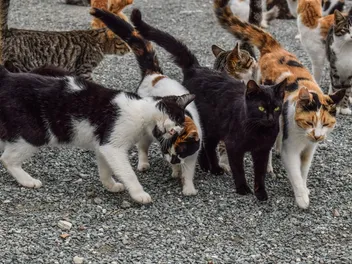
two feral cats

During the extreme summer heat, stray and feral cats suffer greatly to find appropriate shelter and a fresh water source. Many animals suffer from heat exhaustion and even die of heat stroke during the hottest summer days, so when we go out of our way to make minor changes, we can help save dozens of lives.

Ensuring feral, stray, and pet cats are neutered is the most important and only way to effectively stop their suffering. There are many ways we can help the local stray and feral cats stay safe during summer, so make sure to read some of the most valuable tips below.

divider 3 paws

The 5 Tips to Keep Feral Cats Cool in the Summer

1. Provide Fresh Water Twice a Day

The best way you can help feral and stray cats deal with summer heat is to provide a constant water source. During heat and drought, most stray animals fight to find a fresh water source, so putting out water twice daily can ensure many cats stay hydrated. In this case, the best water bowl to use is a deep and narrow one, which will slow the evaporation. Since water evaporates quickly in high heat, keep the bowl away from direct sunlight.


2. Leave Out Food Whenever You Can

Another excellent tip that can significantly improve life out on the streets for cats includes a reliable food source. Whenever you can, leave out food for feral and stray cats so that they don’t have to spend a whole day searching for something to eat. To make it easier, you can create a DIY feeding station in your neighborhood, where cats will remember to come by and find food occasionally. To make this even more effective, invite your friends and family to participate whenever possible and contribute to feeding your local furry friends. However, please remember that before feeding cats in the street, it is important to ensure they are desexed, otherwise we will be only perpetuating their suffering with litters of kittens reproducing exponentially.

Image Credit: stock-enjoy, Shutterstock

3. Create a Cool and Shady Spot

When the summer heat is unbearable, and all we want is to hide in our cool homes, imagine the feral and stray animals which don’t have a proper shelter. You can help your local feral cats in many ways, and the most significant help you can provide is a nice and shady spot to hide from the sunlight. Notice where the local feral cats hang out, and if it’s in direct sunlight, try covering it up and creating a canopy. Many stray animals suffer from heatstroke and having a small area to rest away from the sun makes an enormous difference.


4. Provide Help for Potential Heat Exhaustion

If you suspect a local feral cat may be suffering from heat exhaustion, you can ask a local vet for assistance.

There are several ways you can recognize heatstroke, and the signs include:
  • Vomiting
  • Excessive drooling
  • Lethargy
  • Rapid breathing
  • Red gums
  • Weakness

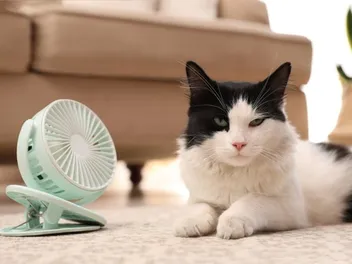
If you notice these signs, offer the cat fresh water and provide immediate shelter from the sun. If possible, put them under a fan or put them in an area with good airflow and use a damp cloth to gently cool them down with cool (not cold) water. If the signs persist, take the cat to the vet for emergency assistance.

blue silver patched tabby norwegian forest cat hiding from the sun
Image Credit: michi3011, Shutterstock

5. Make Emergency Temporary Shelters

If you want to help not one but dozens of local feral cats, there is an excellent and relatively easy solution. You can craft several emergency shelters and place them across the town with just a few basic materials. You can use a variety of materials to create these small shelters, which will be amazing for feral cats to hide during summer and winter. The most important part of this temporary and quick DIY shelter is adding appropriate lining by placing material inside of the box that will keep the shelter cool during summer and warm during winter.

Outer walls
  • Cardboard
  • Large boxes
  • Plastic containers
  • Wooden chests
Inner lining
  • Straw
  • Styrofoam
  • Old blankets
  • Shredded newspaper
  • Old towels

divider 3 paws

Conclusion

Hopefully, you can go out and make the world a better place with these small steps. Sheltering local feral cats, and providing a fresh water source and some food can significantly improve their quality of life. However, the real solution to their suffering is to ensure they are all spayed and neutered before feeding them. Extensive improvements come when we make small changes and try to help at least one innocent animal survive through the scorching summer days.


Featured Image Credit: JancickaL, Pixabay

Want content like this delivered to you?

Sign Up For Our Newsletter

News, insights, expert advice, and everything cat

* By submitting, you agree to our Terms & Conditions and Privacy & Cookies Policy.


How useful was this post?

Click on a star to rate (you can leave written feedback after clicking submit)

Help us improve Catster for pet parents!

Your feedback really matters.

What did you like about this post? Also how can we improve it?

Join the conversation

Leave a Reply

You’re very welcome to leave a comment or question. Please know that all comments must meet our community guidelines, and your email address will NOT be published. Let’s have a positive and constructive conversation.


Talk With A Vet Online

Peace of mind,
anywhere, anytime

Affordable vet advice

Do Cats Cause Schizophrenia? Scientists Find a Link – Here’s What It Means

Being a fierce advocate (and occasional recipient of) mental health support and awareness, the term ‘crazy’ is not one I like to fling...

One in 100 Cats Gets Diabetes – Here’s How to Catch It Early

One in every 100 cats develops diabetes.1 That’s not a rare, unlucky condition reserved for cats with obvious health problems. It’s common enough...

Dramatic Rescue Turns Into Dramatic Reunion

What started as a routine call for the RSPCA became a heroic, five-hour rescue featuring one trapped and traumatized cat, an emotional family...

Ask Dr. Paola – Help! How Do I Know if it’s Ear Mites! (May 4, 2026)

Welcome to our “Ask Dr. Paola” series, where every Monday we bring expert advice straight from Dr. Paola Cuevas (MVZ) to help our...

More related

210+ Siamese Cat Names: Ideas for Sassy Felines

Siamese cats are strikingly beautiful and require a name that matches their bold and distinctive appearance. If you’re welcoming a Siamese kitten into...

Does Irish Spring Soap Keep Cats Away? Vet-Reviewed Facts & FAQ

If you have a garden, you probably know that stray or neighborhood cats can visit it, using your flower beds as their toilet...

Can I Use Dove Soap On My Cat? Useful Tips & Alternatives

Fortunately for us, cats are pretty good at keeping themselves clean. However, our mischievous cats can find themselves in places where they get...

Are String of Hearts Toxic to Cats? Vet-Reviewed Houseplants Examined

If you’re looking to add houseplants to your home, the potential options can be overwhelming. However, if your home already has a cat...

Keep reading

Prosthetics for Cats: Vet-Verified Info & Success Stories

Prosthetics help restore mobility to pets who’ve lost limbs, by allowing them to walk, jump, and run more naturally. Cats do fine with one leg missing, but amputations often result in increased stress being distributed to pets’ spines and remaining...

cat with prosthetic legs

Can Cats Eat Duck? Vet-Approved Nutritional Facts & FAQ

Cats are obligate carnivores, which means they need meat in their diets to get all the nutrients they need to survive, such as vitamins and minerals. Animal protein is essential for their overall well-being, but is all meat safe for...

Can Cats Eat Duck

Zen Clipper Cat Nail Trimmer (2026 Review)

Review Summary Nail trimming is an essential part of cat ownership to keep your kitty’s nails in tip-top shape while also protecting your furniture and yourself from unnecessary scratches. But not all nail trimmers on the market are created equal....

Zen Clipper Cat Nail Trimmer

Why Do Cats Curl Their Paws? Vet-Verified Reasons, Facts & FAQ

Cats have many adorable habits, one of which is their tendency to curl their paws underneath them and sit in a “loaf” shape. While we rarely think much of the sitting position—other than how cute it is—a cat will curl...

cat folding his paw while sleeping

How to Clean Cat Paws: Vet-Approved Step-by-Step Guide

Cats are typically considered naturally clean creatures. However, that doesn’t mean that they don’t experience some poor hygiene problems, especially if they spend a lot of time outside. A cat’s feet are vital for its health. After all, they need...

close up of a cat paw

When to Euthanize a Cat With Hyperthyroidism: Vet-Approved Advice

Making the heartbreaking decision to euthanize your pet is never easy. You’ve likely gone through an emotional journey with your cat; from their first worrying signs, through diagnosis and anxiously waiting for test results, to managing the condition and finally...

vet checking cat on the table

Do Cats Attack Intruders? Feline Guarding Skills Exposed

There are videos on social media that show a cat defending a person, sometimes even chasing off an animal more than twice their size! So, does this mean cats are capable of guarding people and homes? While not all cats...

angry cat meowing outdoor

Can Cats Eat Chocolate Cake? Vet Reviewed Facts & Safety Guide

The all-time favorite snack of most people, chocolate is an incredibly delicious treat made from cocoa beans. It is used in the food industry worldwide for making various specialties in the form of sweet desserts. If you are a pet...

Can Cats Eat Chocolate Cake

Love Cats? So Do We! Join the Catster Community

Stay informed with expert pet care insights delivered straight to your inbox! Discover professional guidance on animal behavior, feeding tips, trusted product picks, and much more.


Sign up for the Catster Email Newsletter

Stay informed with expert pet care insights delivered straight to your inbox! Discover professional guidance on animal behavior, feeding tips, trusted product picks, and much more.