How to Get Cat Urine Smell & Stains Out of Furniture: Facts & FAQ

In this article
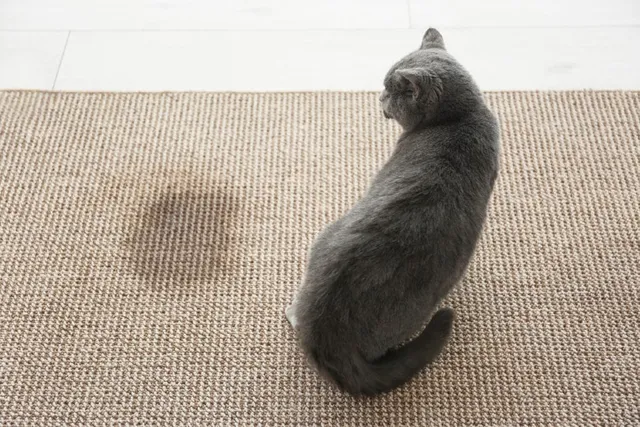
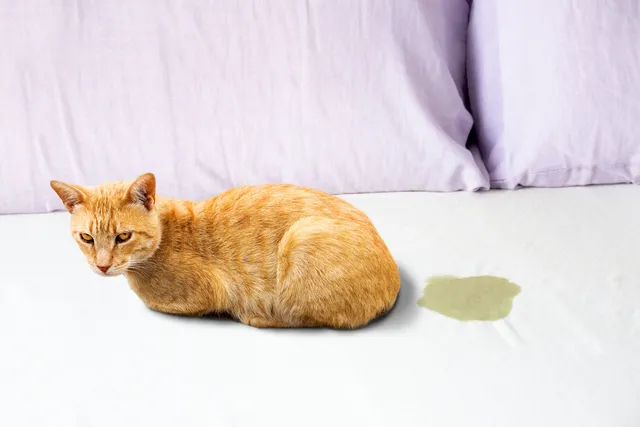
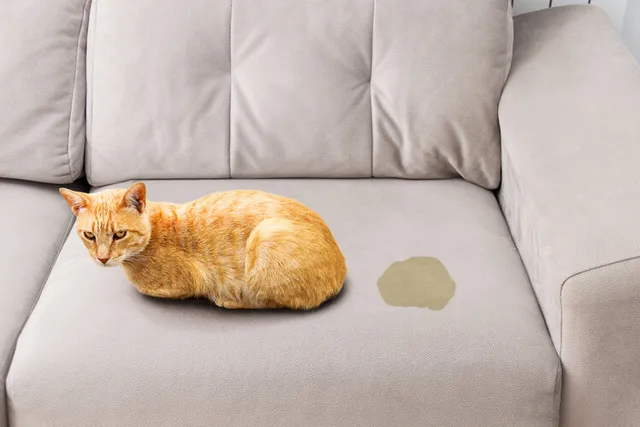
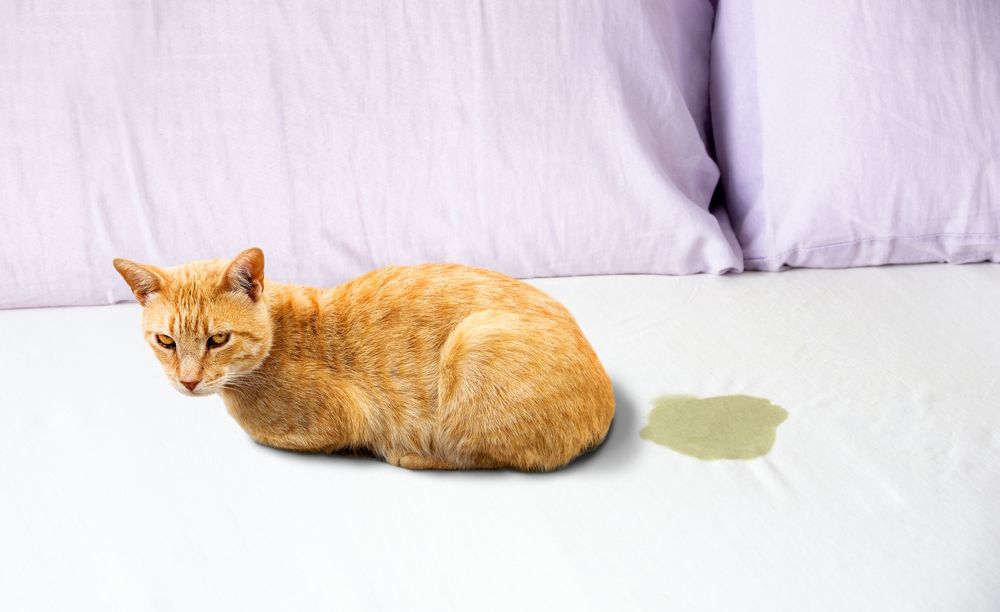
Cat urine has a distinct smell that all cat owners—and many non-cat-owners—can identify immediately. Stains can be dealt with using home remedies like baking soda or Tide sticks. The worst part about the smell of cat urine is that it seems to stick around forever and a day, no matter how many times you clean the spot.
The good news is that it’s possible to neutralize cat urine smells in your furniture permanently. The bad news is that you can’t make the solution at home; you’ll have to buy an enzyme cleaner. Do you want to know more about enzyme cleaners? Continue reading this article to learn more!

How to Get Cat Urine Smell and Stains Out of Furniture
Use Enzyme Cleaners
Enzyme cleaners are made of chemical components that actively break down cat urine components. Homemade cleaners—and the people making them—don’t have access to these chemical components. They wouldn’t have the chemistry knowledge to properly mix them into an enzyme cleaner, even if they did.
Enzyme cleaners for cat urine break down the components of cat urine, namely urea and uric acid, into gasses that evaporate as the solution dries. This permanently reduces or eliminates the smell of cat urine in an area by removing the chemical compound that causes it to smell in the first place.
Our Favorite Enzyme Cleaner
The Hepper Advanced Bio-Enzyme Pet Stain & Odor Eliminator Spray is our favorite all-purpose enzyme cleaner. It kills harmful bacteria and permanently removes even the worst kitty stains and smells, leaving your home fresh and clean! Click here to learn more about this amazing product and get yourself a bottle.
| Rating | Image | Product | Details | |
|---|---|---|---|---|
Best Enzyme Spray
 |

|
Hepper Advanced Bio-Enzyme Pet Stain & Odor Eliminator Spray |
|
Check Price |
At Catster, we’ve admired Hepper for many years and decided to take a controlling ownership interest so that we could benefit from the outstanding products of this cool cat company!
How to Use an Enzyme Cleaner
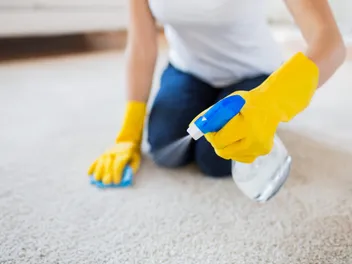
Enzyme cleaners are very easy to use. All you have to do is thoroughly soak the affected location in the enzyme cleaner, then allow it to air dry. Air drying is crucial for enzyme cleaners because the uric acid won't evaporate if not allowed to air dry.
Why Does Cat Urine on Furniture Smell So Bad?
Cat urine comprises various chemical components that give it its distinct smell. The most critical elements influencing cat urine smell are uric acid and urea. Urea provides the urine with the classic ammonia smell since when bacteria break down urea, it releases ammonia. Uric acid gives it that acrid, tangy smell that just doesn’t quit.

How Long Will Cat Urine Smell For?
The ammonia smell should clear up as soon as you clean up after your cat. However, uric acid has a half-life of six years when present in wood, cloth, or carpeting, meaning that once it’s been absorbed into the surface, it will be present for up to six years unless removed with an enzyme cleaner.
While homemade cleaners can temporarily break up the uric acid, they don’t remove it altogether, and humid air can cause the uric acid to recrystallize and bring back the pungent smell we associate with cat urine.
Even if you use a homemade cleaner, you may never smell the uric acid again, but it’s always possible if you don’t use an enzyme cleaner. Just because the cat urine smell has returned doesn’t mean your cat is still peeing outside of the litter box; the uric acid smell can come back at any time once your cat has peed outside the litter box once, and cat urine smell on furniture—especially cloth-lined furniture—is especially good at trapping the uric acid inside the fibers.
While your cat may still be peeing outside of the litter box, unless your cat has a habit of doing so or is sick, it’s probably a latent smell that you never truly got rid of.

Health Issues That Cause Inappropriate Urination
Several health issues may cause frequent or inappropriate urination. As your cat ages, they may become incontinent, and there’s not much you can do about that as a pet parent. However, if you observe that your cat’s litter box behavior has changed, they might have something going on under the hood.
1. Feline Lower Urinary Tract Disease
Feline lower urinary tract disease (FLUTD) is a fairly common illness for cats. It causes changes in urinary frequency that can be more or less frequent than usual. Urination can also be painful for them, and they may lick their rear excessively, trying to ease the discomfort. One of the telltale signs of FLUTD is that your cat may prefer to urinate on smooth, cool surfaces like tile or the bathtub.
2. Urinary Crystals
Cat urine contains crystals made up of the minerals that pass through the kidneys. While some urinary crystals are standard, an excess amount of minerals can cause a higher-than-normal amount of crystals in the urine. Too many crystals in the urine can cause discomfort when urinating or accidents outside the litter box.
3. Urinary Tract Infection
Urinary tract infections (UTIs) are uncommon in cats. The urinary tract is generally sterile and free of bacteria. Since urine itself is sterile, it cleans out the urethra as it passes. However, bacteria can get into the urethra and grow in the urinary tract and bladder, causing pain when urinating and urinary urgency.

How to Deal With Your Cat Peeing on the Furniture
1. Prevention Is the Best Medicine
The best way to prevent your house from smelling like cat piss is to disincentivize your cat from urinating outside the litter box. Cats are naturally clean animals and usually won’t urinate outside of designated areas unless they’re ill or discontent with their surroundings. If your cat is frequently urinating outside of the litter box, the best way to keep your house from smelling like a litter box is to figure out why and stop the problem at the source.
Schedule an appointment with your vet to see if any pertinent health problems might be causing your cat to urinate outside of the litter box. If there aren’t any health problems, then look for environmental factors that might make the litter box unpleasant for your cat.
2. Cleanliness
Don’t like the ammonia smell? Neither does your cat. Keeping your cat’s litter box clean is an essential part of incentivizing the use of the litter box. If your cat is urinating outside of the litter box, start by cleaning it more frequently.
If you find that cleaning the litter box more frequently has your cat using it more readily but have trouble keeping up with the cleaning, consider getting a self-cleaning litter box that will clean up after your cat right away.
3. Changes to Environment
Cats don’t like change, and any changes to the environment could cause your cat to feel stressed. A stressed cat might show their discontent by urinating outside the litter box. Have you recently changed schedules at work? Moved? Gotten a (gasp!) new pet? Anything your cat finds stressful might cause them to start urinating outside of the litter box.

- ADVANCED ENZYMATIC CLEANER - Penetrates the most stubborn smells and stains at the deepest molecular levels to dissolve any pet mess you encounter and lift it away at the source.
- FOR ANY MESS, ON ANY SURFACE - This pet odor eliminator cleans your carpets, floors, furniture, fabrics, and more. Whether it's urine, feces, vomit, or drool, you can erase all foul spots and smells!
- FRESH, NATURAL ODOR - Our unique formulation doesn't rely on dangerous or unpleasant chemical fragrances to get the job done. We eradicate smells and stains, not just cover them up.
At Catster, we’ve admired Hepper for many years and decided to take a controlling ownership interest so that we could benefit from the outstanding products of this cool cat company!

Final Thoughts
Finding and neutralizing cat urine odor on furniture is the bane of most cat owners’ existence, but you can do it with a little bit of elbow grease. Cats shouldn’t be urinating outside of their litter boxes. So, if your cat is habitually making somewhere other than the litter box their bathroom, it’s probably time to have them checked out by a vet to see if there’s a problem inside their body that can be fixed.
If there’s no health issue at play, check to see if there’s an environmental factor that you can change to make your cat more comfortable. When it comes to cat urine, prevention is critical in keeping the smell out of your furniture!
Featured Image Credit: cunaplus, Shutterstock
Expert cat care, straight to your inbox
News, insights, and useful advice, delivered to you.

No spam — unsubscribe anytime.
By signing up, you agree to our Terms & Conditions and Privacy & Cookies Policy.
How useful was this post?
Click a star to rate. You can leave written feedback afterwards. (We read all feedback.)
Luxifa is a freelance writer with a passion for animal science and technology. She loves to share the world of animal science with people to help them make informed decisions for themselves and their pets. Luxifa has worked in professional pet care for over six years and strives to help change the world of pet care by bringing the information people need to them in terms they can understand. Knowledge is power, and Luxifa loves to help everyone become the most informed they can be.