How to Clean Dirty Cat Fur: Vet-Approved Guide


In this article
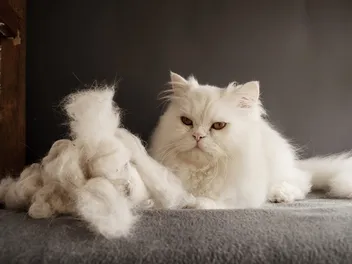
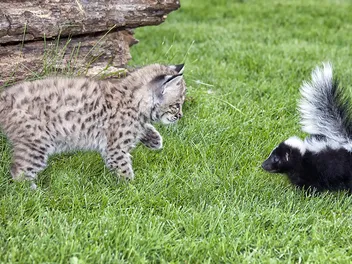
Owning a cat comes with infinite joy and moments of bonding—most of the time. Indeed, our fur babies sometimes find themselves in situations where their once silky fur becomes a tangled mess or worse. Whether it's a sticky substance, "souvenirs" from their backyard adventures, or an unfortunate encounter with a smelly creature, cleaning stubborn messes from your cat's fur without anyone getting injured can be quite a challenge!
However, there's no need to stress. We're here to guide you step by step, so you can tackle this daunting task with ease and keep both you and your feline friend unscathed.
So let’s go through some dos, don’ts, and essential supplies of cleaning tough messes from your cat’s fur.

Before You Start: Should You Bathe Your Cat?
Bathing a cat is often easier said than done. However, there are situations when you have no other choice. If this is the case, make sure to at least trim their claws first, to avoid a possible disaster. You can also opt for the kitchen sink instead of the bathtub, as it will be easier to handle your cat. Above all, be sure to avoid splashing soapy water in their eyes, ears, or nose.
Preparation
Gather your supplies before embarking on your mission to clean your cat's coat. Start by assessing the nature of the damage to your cat's fur. Is it a sticky substance, hairs tangled with debris, or something else? Determining what is making your cat's coat dirty will help you properly clean up the mess and return your cat's fur to its original softness. Here's a checklist of the things that you might need:
- Cat-friendly shampoo
- Pet clippers
- Fine-toothed comb
- Gentle brush
- Pet wipes
- Your cat’s favorite treats
- Soft and clean towels
- Washcloth
- Protective gloves (but only if needed)
However, if your cat appears agitated and/or in obvious distress and pain, you must consult your veterinarian before attempting to clean their coat by yourself. Moreover, if your cat's coat seems greasy and dirty all over, you should pay attention to other physical and behavioral signs (like changes in eating, drinking, lack of self-grooming, etc.), as there may be an underlying health issue that needs to be addressed.

The 9 Tips on How to Clean Dirty Cat Fur
With all that in mind, let's look at each step to help your cat regain their luscious, mess-free fur.
1. Calm Your Cat
Unless your cat is one of the rare felines that remain calm in any given situation, brace yourself because your cat will become stressed out during this grooming session, especially if they're not used to being handled in such a way. So, before starting your cleaning mission, help your cat relax by gently stroking them and speaking to them with a soft tone.
If your cat is particularly stressed, you may want to consider using pheromone sprays or other types of cat-friendly diffusers to create a more calming environment.

2. Brush and Cut
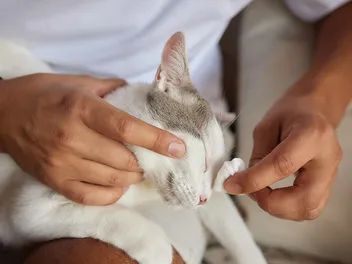
If your cat gets a burr or grass awn in their coat, you may be able to gently brush or comb it out. But if it's too tangled or there's a big bunch, you might need to cut it out. In this case, be careful not to cut your cat's skin—that's why most vets suggest using clippers instead of scissors. If things get really tangled, it's best to get help from a professional pet groomer or your veterinarian.
3. Remove Any Loose Debris
Be sure to remove any debris from your cat's fur with your hands or a brush, being careful not to pull on their fur. If the mess is caused by something sticky, you can apply a small amount of coconut oil to try to detangle it. In all cases, it is best to remove as much debris as possible without applying soap or water.

4. Choose the Right Shampoo
Avoid using human shampoos, as their pH is not adequate for your cat's delicate skin. It is also not recommended to use baby shampoo on your cat, but if you have no other options on hand, you can use a tiny amount diluted in warm water. Your best option is a mild, pet shampoo that has been designed specifically with cats in mind.
Once equipped with the right product, apply a small amount of cat shampoo to a damp cloth or directly to the affected area of your cat's coat.
Side note: There is no need to bathe your entire cat if the damage is limited to a small area on their body.
5. Gently Clean the Mess
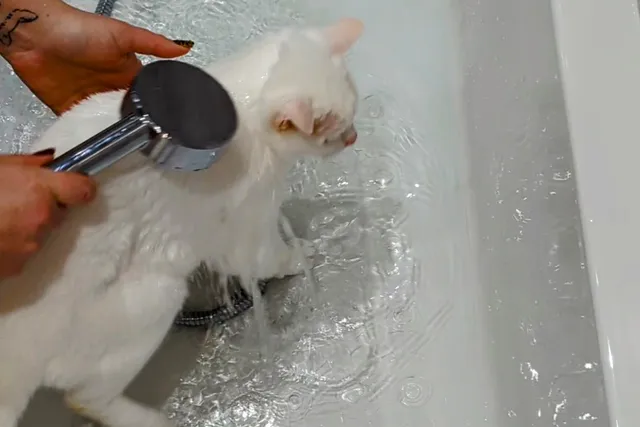
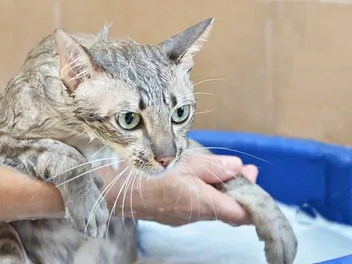
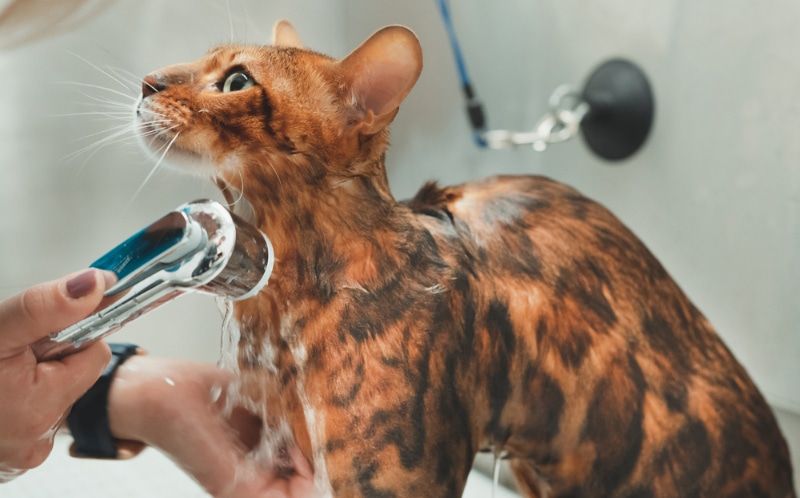
Using the damp cloth or your fingertips, gently massage the shampoo into the mess. Take care not to get shampoo into your cat's eyes, ears, or mouth. Work the shampoo through the fur, focusing on the affected area. If the mess is widespread, you may need to give your cat a full bath. In such cases, fill the tub with a few inches of lukewarm water, and carefully lower your cat into it.

6. Rinse Thoroughly
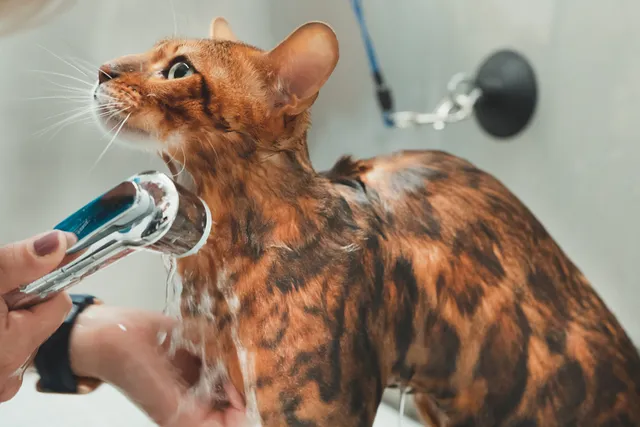
After applying the shampoo, rinse your cat's fur thoroughly. Ensure that there is no shampoo residue left, as this can cause skin irritation. If you've given your cat a full bath, use a handheld sprayer or a cup to pour water over your cat, avoiding the face. You may need to drain and replace the water several times if dealing with a particularly sticky situation.
7. Use Pet Wipes for Stubborn Messes
For particularly stubborn messes or areas where a full bath isn't feasible, use pet wipes. These are specially formulated for cats and can be used to clean specific areas without the need for water.
8. Detangle with a Fine-Toothed Comb
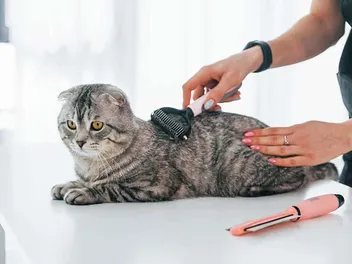
Once your cat's fur is clean, use a fine-toothed comb to detangle any mats or knots. Start from the tips of the fur, and work your way up to the roots. Be patient, and if you encounter resistance, use your fingers to gently tease apart the knots.
9. Brush for a Finishing Touch
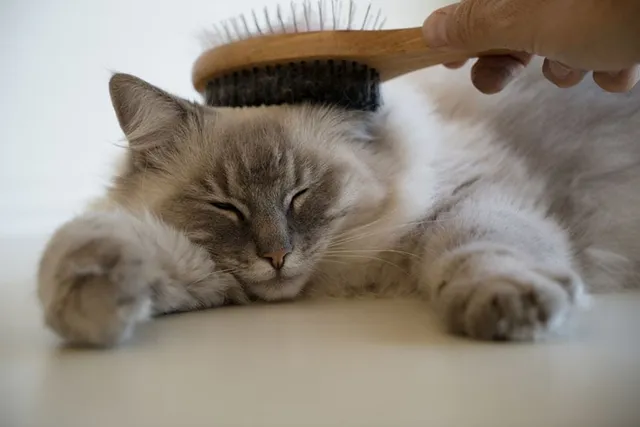
Finish the grooming session by using a soft brush to gently smooth your cat's coat. This not only removes the remains of dead hair but also gives your feline friend a slightly more pleasant experience. Don't forget to reward them with extra treats and cuddles during the session to create a positive memory of this grooming process.

How to Keep Your Cat’s Fur Mess Free
To avoid repeating these cleaning sessions too often (which are probably not that enjoyable for you or your pet), make sure to brush your cat regularly to remove dead hair and avoid future tangles.
Even if you go to superhuman lengths to keep your cat's coat spotless, you can't plan for everything! That's why it's helpful to keep the right tools on hand just in case but keep in mind that if your four-legged baby's fur is particularly difficult to manage, it may be worth calling on a professional groomer.

- Only Natural Pet Shampoo - Our vegan, plant-based formulation is made with safe and natural pH-balanced ingredients to moisturize and soothe skin, leaving a fresh, soft and glossy coat to turn heads
- No Soap - A cat and dog wash free from soaps, glutens, dyes, DEA, sulfates and phthalates means it's a hypoallergenic dog shampoo for itchy skin / cat shampoo for itchy skin made with only good stuff
- Colloidal Oatmeal - Formula soothes and nourishes dry, irritated skin, providing itchy skin relief for dogs and cats alike. Trust us - they'll thank you with lots of licks!
If you are worried that the substance could potentially be harmful, toxic, or cause significant skin irritation, phone your vet immediately. They will advise you on the best steps to take, which may involve cleaning your cat or bringing them straight in to be examined.

Final Thoughts
Cleaning tough messes from your cat's fur mostly requires patience, gentleness, and the right approach. By following this step-by-step guide, you should be able to get rid of even the most stubborn items stuck in your cat's coat—at least until your intrepid feline's next adventure!
It’s worth having some supplies at home in case your cat comes home covered in something unpleasant, as they won’t always do so during store opening hours!
See also:
Sources
Featured Image Credit: M-Production, Shutterstock
Expert cat care, straight to your inbox
News, insights, and useful advice, delivered to you.

No spam — unsubscribe anytime.
By signing up, you agree to our Terms & Conditions and Privacy & Cookies Policy.
How useful was this post?
Click a star to rate. You can leave written feedback afterwards. (We read all feedback.)
Genevieve is both a biologist and a science writer, driven by her deep love for capuchin monkeys, pumas, and kangaroos. Her dedication to wildlife has taken her across the globe, from Bolivia and Guatemala to Canada and Australia, working and volunteering at various rehabilitation centers. As a Canadian living in Argentina, Genevieve starts her days with horses and cows greeting her from the plains outside her home office. She is the proud parent of three rescued dogs—Lemmy, Nala, and Pochi—and an energetic kitten named Furiosa. The opportunity to share her passion and expertise in animal care brings her great satisfaction.