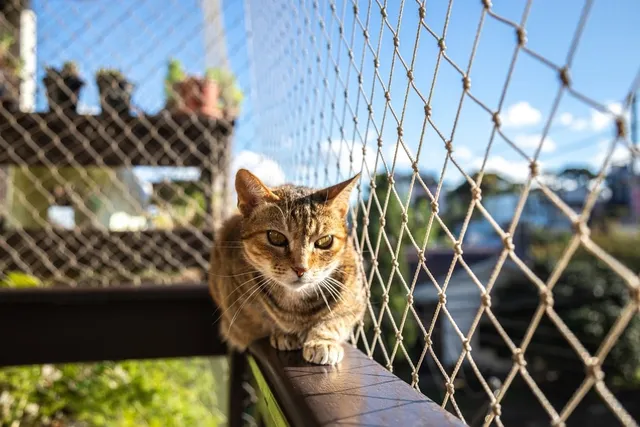
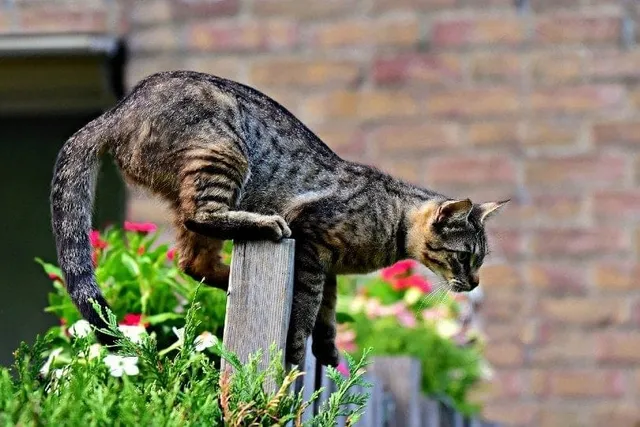
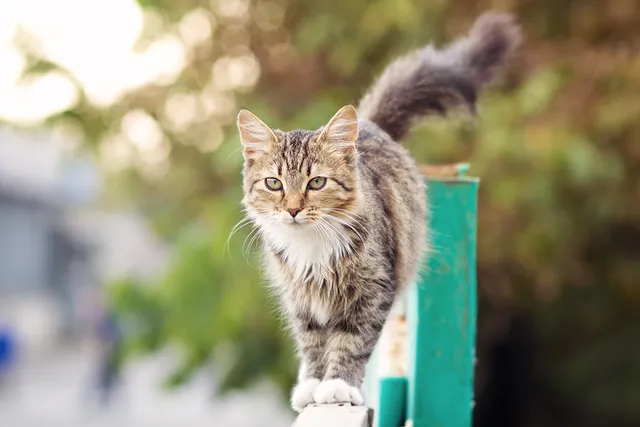
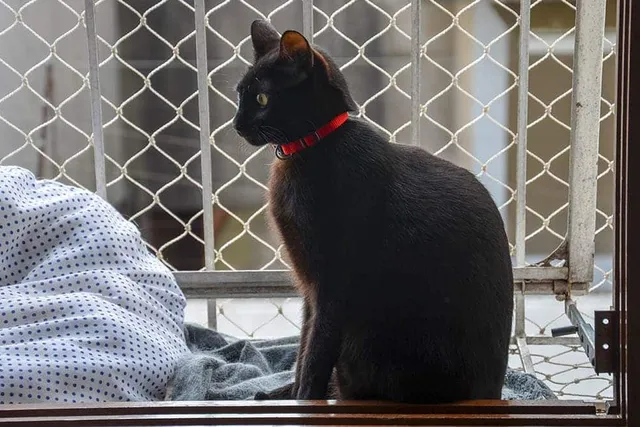
Genius Vet-Approved Ways to Cat-Proof Any Fence & Keep Your Kitty Safe

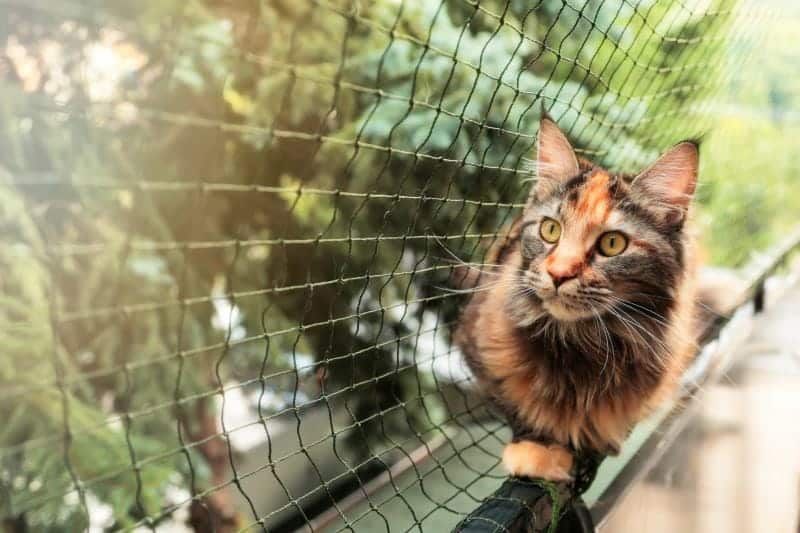
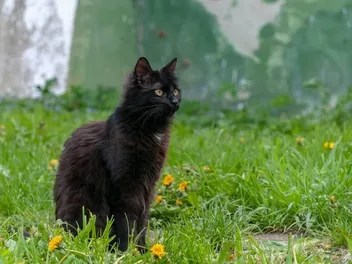
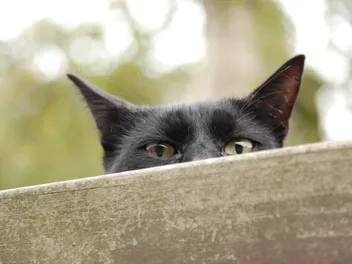
Ever watched your cat scale a fence like a furry ninja on a mission? One moment they’re lounging in the sun, the next they’re halfway into your neighbor’s garden. Or worse, near a busy street.
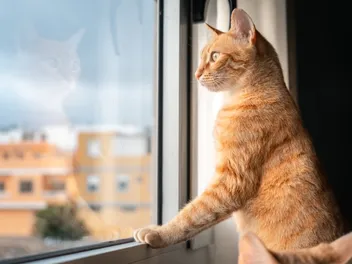
If you’ve got an outdoor-loving feline, you know the struggle. Cats are built to explore. They’re agile, quick, and sneakily clever. But letting them roam freely can be risky and stressful.
The good news? You can give your kitty outdoor time without risking their safety. With a few clever tweaks to your fence (and some vet-approved tricks), you can create a secure backyard oasis that keeps your cat in (and other cats out).
Ready to reclaim your yard and keep your whiskered wanderer safe? Let’s dive into 7 smart and surprisingly simple ways to cat-proof your fence.

7 Vet-Approved Ways to Cat-Proof a Fence
1. Bend the Rules with Chicken Wire
Chicken wire isn’t just for coops, it’s a cat-proofing hero.
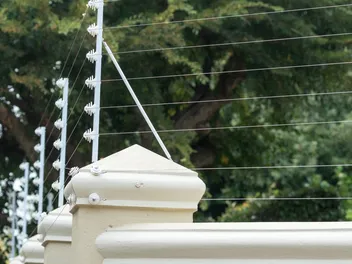
Install a strip of chicken wire or wire mesh along the top of your fence and bend it inward, creating a flexible canopy. As your cat climbs and reaches the bend, the mesh gives way slightly, making them feel unsteady—and usually encouraging them to back down.
Cats hate instability, and this trick uses that to your advantage. Bonus: it’s budget-friendly and works with most fence types.
- Pro tip: Choose galvanized mesh to prevent rust and make sure it’s securely fastened to avoid sharp edges.

2. Seal the Sneaky Gaps
Cats don’t need a huge hole to make a great escape.
Do a close inspection of your fence, especially along the bottom edge. Look for gaps, holes, or uneven ground that might create a feline freeway.
Cats can squeeze through spaces smaller than you’d expect, thanks to their flexible bodies and clever whisker-width judgment. Fill gaps with rocks, bricks, hardware cloth, or extra fence panels.
- Remember: a small gap to you is a secret tunnel to your cat.
3. Go Slippery with Vinyl Fencing
Looking to upgrade your fence entirely? Go with vinyl.
This sleek, smooth surface makes it nearly impossible for cats to grip with their claws. No traction means no climbing. It's durable, low-maintenance, and available in heights that help keep your cat safely grounded.
For best results, choose panels at least 6 feet high. The taller, the better, especially if your cat is part monkey.
- Bonus: Vinyl looks great and is weather-resistant!
4. Add Height, With a Twist
Cats can easily leap 5–6 feet or more if they’re motivated. Simply adding height might not stop them. But adding a twist can.
Install an extension that bends inward toward your yard at a 45-degree angle. This messes with their climbing path and makes it difficult to get leverage near the top.
Just be sure to check local fence height laws, as some neighborhoods have restrictions, and you don’t want to undo your hard work.
- Quick tip: You can DIY this with mesh panels or buy angled brackets made for cat fencing.

5. Try a Commercial Extender Kit
Not into building things yourself? Commercial kits are your new best friend.
These ready-made extenders attach to your existing fence and often include a unique twist: a pivoting or floppy extension that moves when touched. That “falling” feeling? Cats hate it, and they usually stop trying after a few attempts.
These kits are designed by pet pros and take the guesswork out of the project. They're especially handy if you're not confident in your DIY skills.
- Available online or at most pet supply stores.
6. Use Curved or Scalloped Fence Tops
A subtle curve can make a big difference.
Cats love predictability. Most fences have straight, flat tops, which are easy to scale. Swap those panels for curved or scalloped tops, and you immediately throw off their sense of balance and planning.
Even just a slight arc can be enough to deter climbing, especially when combined with height or slick surfaces.
- Bonus: Many curved panels are decorative too, adding charm to your yard.
7. Install Fence Rollers
One of the most clever (and fun) solutions out there.
Fence rollers are rotating bars installed along the top of your fence. When your cat tries to grip them, they spin, removing all stability and making it impossible to climb over.
You can purchase pre-made systems or DIY your own with PVC pipe and sturdy wire. Either way, it’s an effective, humane way to stop even the most determined feline escape artist.
- Just make sure the rollers spin freely and are high enough that your cat can’t just leap past them.

A Safe Backyard Adventure Awaits
Your cat deserves outdoor time—and you deserve peace of mind. With these 7 vet-approved strategies, you can turn your yard into a feline-friendly fortress without turning it into a fortress fortress.
Whether you choose a quick DIY fix or invest in a more permanent upgrade, the key is finding what works best for your cat’s personality and your yard’s layout.
Start small, test it out, and adjust as needed. Your cat will thank you, with safe, happy zoomies under the sun.
Feature Image Credit: Maximilian100, Shutterstock
Did You Know?
- Our brand-new posts are rounded up and included in our weekly emails. Don't miss out on the latest - sign up for our newsletter below!
Expert cat care, straight to your inbox
News, insights, and useful advice, delivered to you.

No spam — unsubscribe anytime.
By signing up, you agree to our Terms & Conditions and Privacy & Cookies Policy.
How useful was this post?
Click a star to rate. You can leave written feedback afterwards. (We read all feedback.)
Dan has been working in the pet world for over 4 years covering cats, dogs, and all other pets in between. He loves helping pet parents keep their companions happy, healthy, and of course, totally spoiled! Originally from London, Dan now travels and works remotely, which unfortunately means no pets at home, but it gives him plenty of opportunities to fuss over other people's furry friends.