Do Savannah Cats Shed a Lot? Vet-Verified Facts & FAQ

In this article
If you're thinking about adding a Savannah cat to your family, you might wonder how much grooming the stunning kitties with wild markings and elegant long legs requires. If you bring one of the stripped beauties home, will you be signing up for extended daily brushing sessions or just a few minutes of upkeep per month?
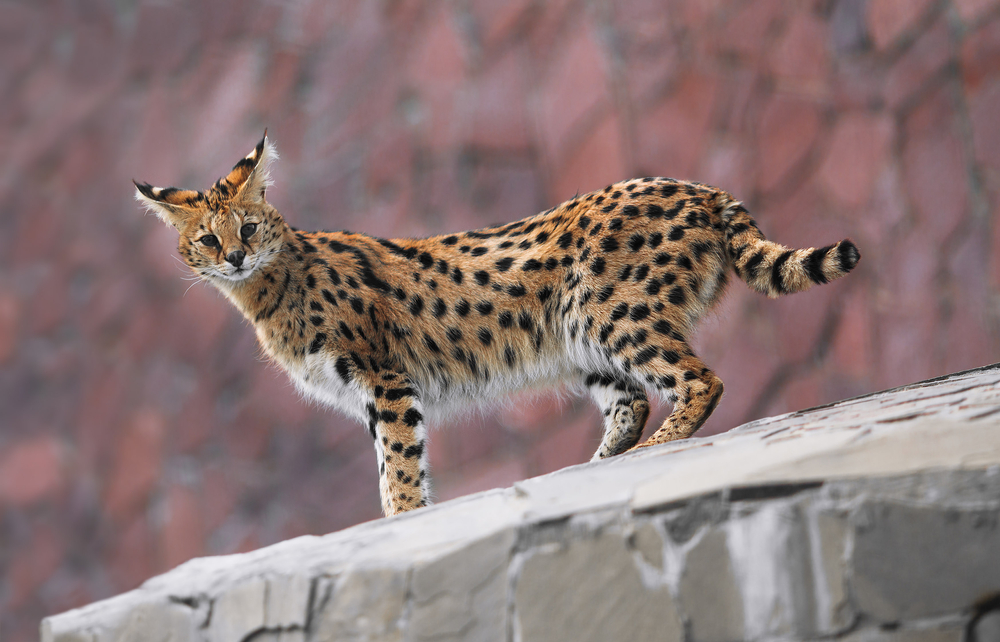
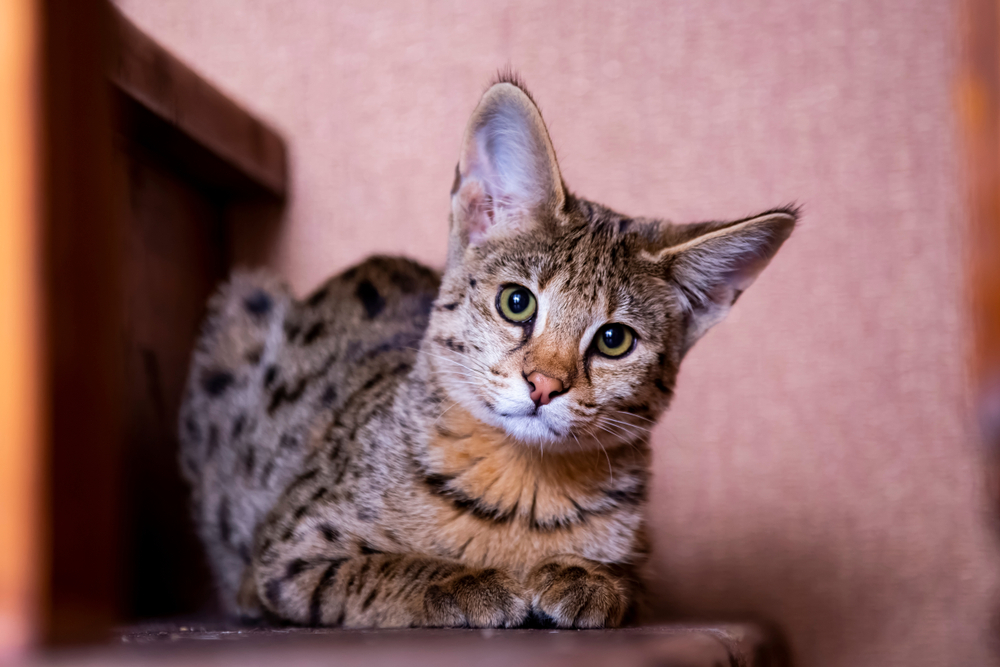
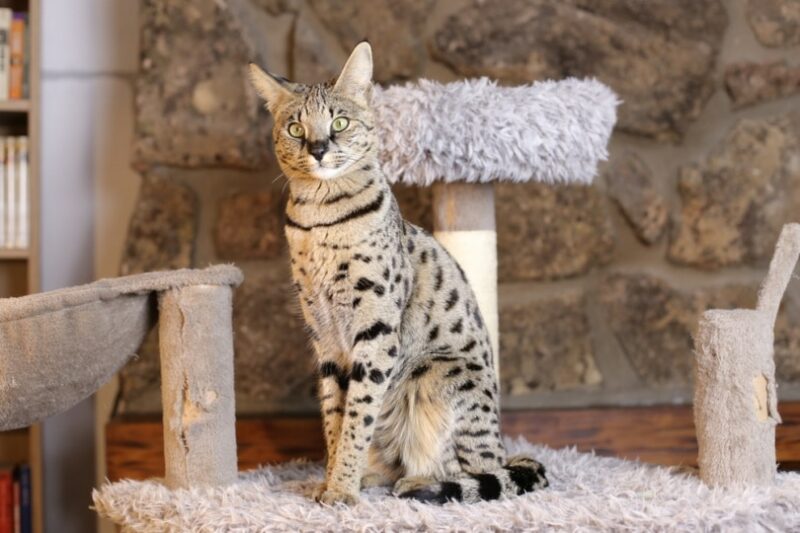
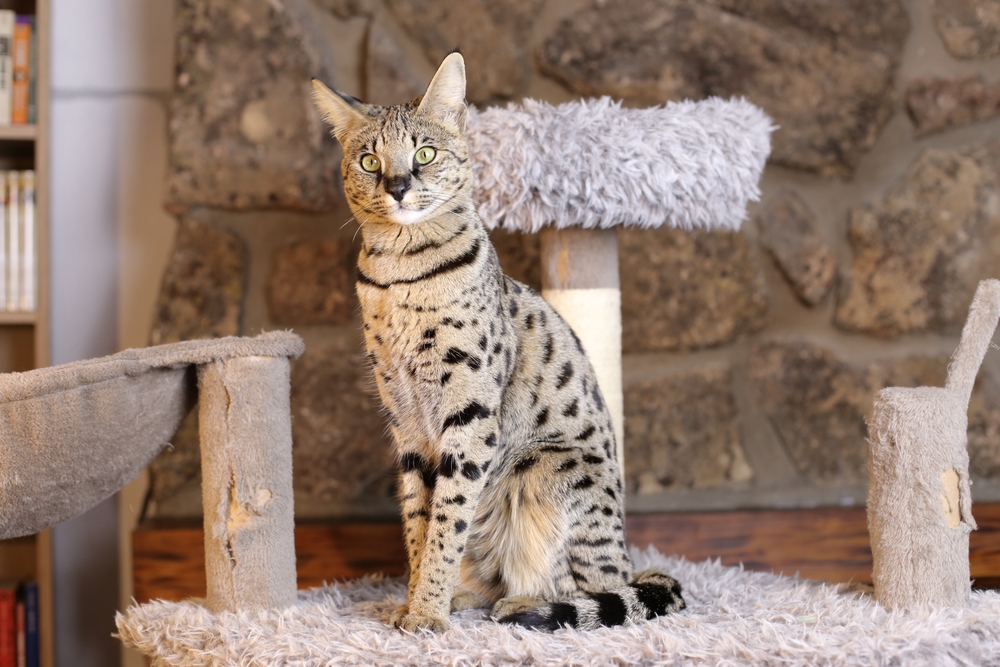
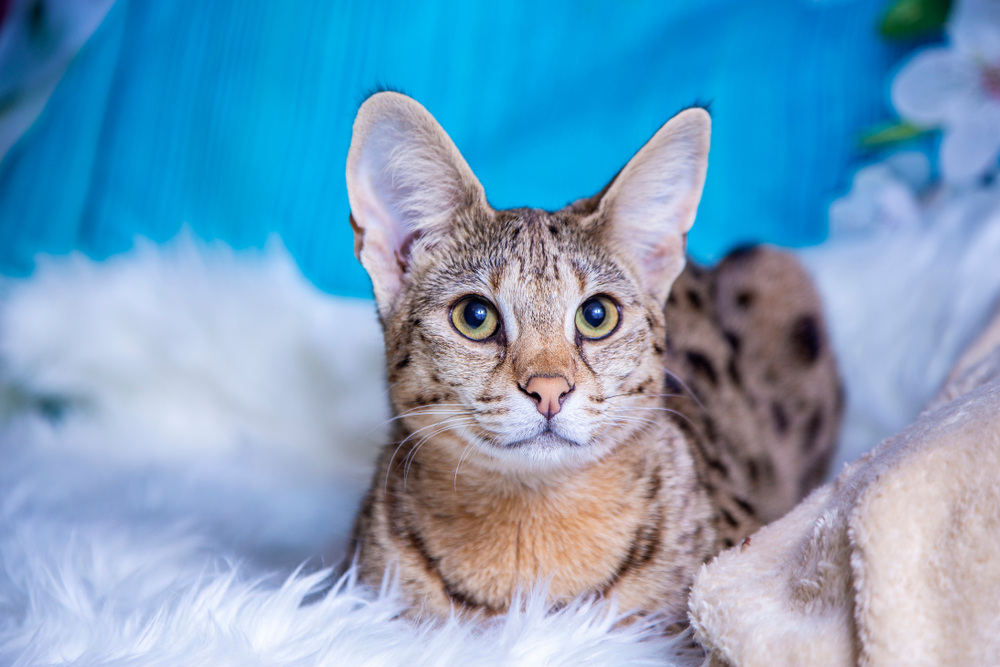
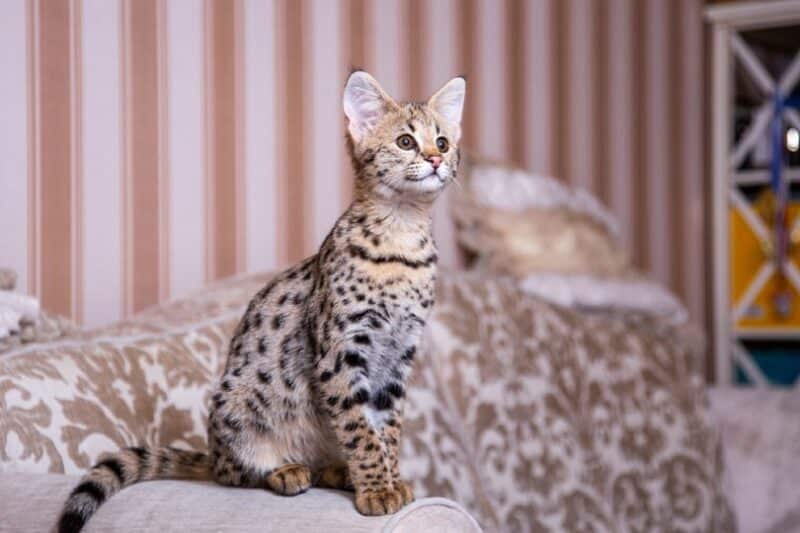
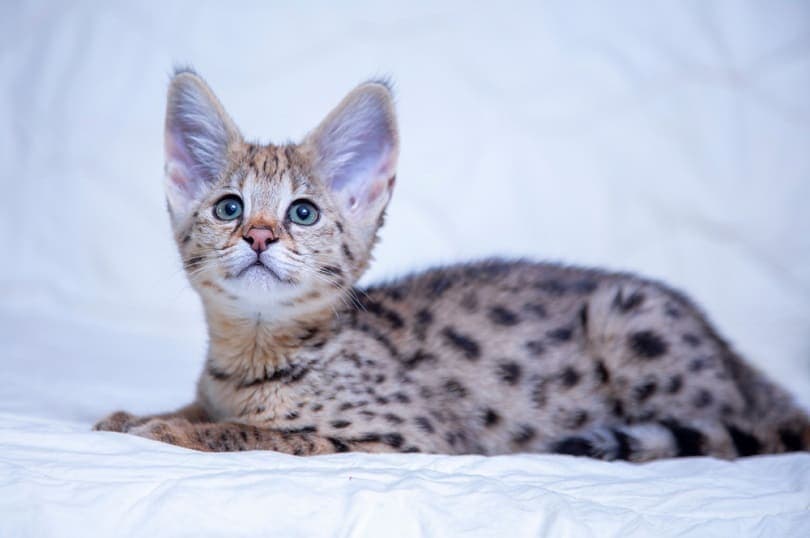
Savannah cats are a mix of wild African Servals and domestic cats. They have front legs that are a bit shorter than their hind legs and lush spotted coats, with dominant colors ranging from silver to black. On average, they live to be anywhere from 12 to 20 years old, but some survive far longer.
Larger males can weigh more than 20 pounds, but cats with more direct serval ancestry tend to be bigger and weigh more than later-generation Savannahs. As short-haired hybrids, Savannahs don’t shed very much. Read on for more information about Savannah cats and how much they shed.

Do All Cats Shed?
No, but most do. Hairless kitties, like the Sphinx, don't shed, or if they do, it's not that much. Other breeds who don't lose that much hair include the Bambino, Peterbald, Levkov, and British shorthair. Hairless cats like the Sphynx usually have a soft, fine down instead of a full-blown coat, and they often have cute little tufts of hair around their paws and ears.
Most of these cats are considered hypoallergenic, but they still produce the dander and salivary proteins most often responsible for cat allergies. But because they produce less dander, allergy sufferers tend to have fewer reactions around the hairless kitties than when exposed to short and longhaired cats.

Is There Anything I Can Do to Reduce Shedding?
Most cats shed in response to temperature changes. It's a normal part of being a cat! There's not much you can do to prevent your cat from shedding, but there are several things you can do to reduce the effort involved in keeping the cat hair dust bunnies to a minimum.
Regular brushing reduces the amount of hair that can get loose and roam free around the house. Many cats enjoy being brushed, and a grooming routine can strengthen your bond with your pet. It also reduces the amount of fur your cat ingests, decreasing the chance they will vomit hairballs.
What if I'm Worried About Allergies?
Savannah cats shed and produce the proteins that frequently cause allergy sufferers to react to cats. There are probably better choices if you're truly allergic to cats. "Hairless" breeds such as the Sphynx, Devon Rex, and Oriental shorthair are suitable for allergy sufferers. But even "hairless" kitties can cause reactions in some people, and they still produce dander and the salivary protein responsible for allergic reactions.
There are several options for cat-loving allergy sufferers visiting your pet, including allergy shots, antihistamines, and nasal sprays that can keep the sinuses open for a few hours when around your feline buddy. Some doctors suggest that regularly bathing your cat may help prevent allergic reactions.
Ultimately, there's not much you can do to help prevent allergic reactions to your cat other than regular vacuuming, cleaning your home, and bathing your cat.

Do Savannah Cats Like Water?
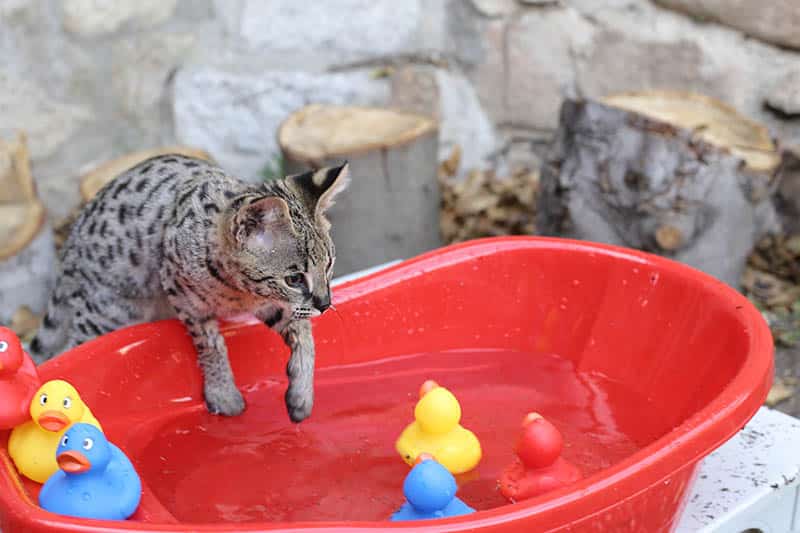
Savannah cats love water. They love swimming in it, dipping their tails in it, and even taking baths. So, if you adopt one of these active kitties, you shouldn't have too much trouble enticing your pet into the tub for bathtime.
How are Savannah Cats' Temperament and Health?
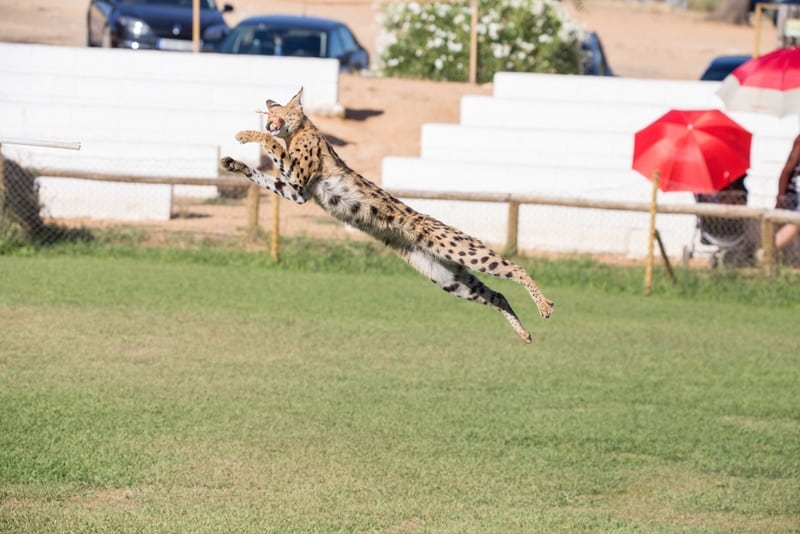
Savannah cats are incredibly active and intelligent. They can jump up to 8 feet and love to find high perches to survey their territory, otherwise known as the living room. Savannah cats have high prey drives; they often do better in households without gerbils, hamsters, and other small mammals. They're also known as one of the most vocal breeds in existence, and they’re happy to express discontent with repeated yowls.
Savannahs become incredibly attached to their human family and love following their favorite humans around the house. But they can become demanding if they don’t receive enough attention. While not inclined to enjoy cuddles with humans, Savannahs relish being around people. Most adore playing interactive games with their humans.
Because the cats are so smart, they require plenty of mental stimulation or are prone to unhappiness. Savannahs are among the most easily trainable breeds, and many enjoy learning tricks. Most can easily be trained to wear harnesses and explore the outdoors on a leash.
Since Savannahs are so large, athletic, and smart, they can be highly destructive when stressed, anxious, or seeking attention. Savannah cats generally do better in homes where they won't be left alone for long periods.
This relatively new breed isn't known for having many health issues. However, Savannahs appear more likely than other breeds to suffer from conditions such as cancer, stomatitis, and asthma. Earlier generation hybrids exhibit more "wild" behavioral traits such as marking and tend to have enhanced prey drives.

Conclusion
Savannah cats are gorgeous hybrid kitties with beautiful spotted coats. They have the stunning spots, striking ears, and elegant long legs of their wild Serval ancestors and the sweet personalities of housecats. While they have a high prey drive, they are affectionate toward humans and enjoy being in the thick of family life. Make sure to do your research before bringing your new baby home.
Several states have laws prohibiting Savannah cats, and many others have strict regulations regarding the ownership of hybrid kitties. Also, remember to factor in the cat’s need for activity and mental stimulation when deciding whether your home is the right place for one of these striking cats.
Sources
Featured Image Credit: Kolomenskaya Kseniya, Shutterstock

Expert cat care, straight to your inbox
Vet-reviewed advice, behavior tips, and the best of Catster. Free, and you can unsubscribe anytime.
By signing up, you agree to our Terms & Conditions and Privacy & Cookies Policy.
Lorre Luther is a writer who is firmly convinced that cats are smarter than humans. She left her law career in the United States and moved to the Netherlands to follow her dream of becoming a writer. Lorre currently lives in Rotterdam, she enjoys traveling and greatly appreciates the beauty of nature. Lorre has a spot for animals and admires the intelligence of cats.
Join the conversation
Ask a question, share your story, or send private feedback.