Hypoallergenic Cats: Do They Exist? Myths, Facts & FAQ


In this article
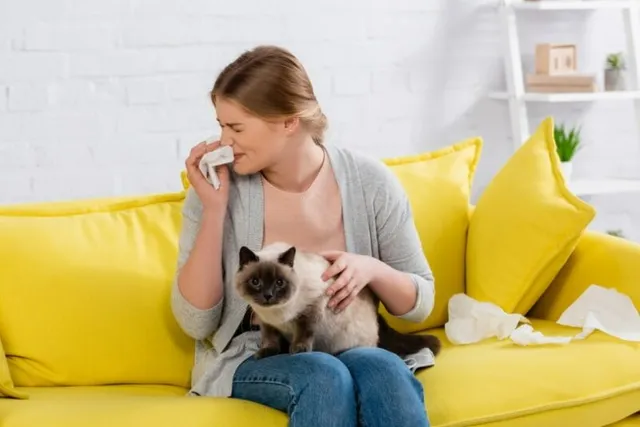
Hypoallergenic cats are often marketed as cats that allergy sufferers can adopt because they don’t trigger allergies. Unfortunately, this isn’t entirely true, and this limited information can be detrimental to the cat and the allergy sufferer when things don’t pan out as expected. Sadly, some of the people who have been misinformed still end up suffering from allergy attacks, and the cats end up back at the shelter.
The truth is that hypoallergenic cats don’t exist, but there are cat breeds that are considered “hypoallergenic” because they don’t produce as many allergens as other breeds and, therefore, may not trigger allergy sufferers as severely. However, allergy sufferers who are very sensitive to the allergens cats produce may still experience symptoms. Unfortunately, it differs from one allergy sufferer to another, so it’s important to spend time with the low-allergen cat you’re interested in before adopting them to determine whether you experience symptoms or not.

What Triggers an Allergic Reaction?
Many people think that they’re allergic to the cat’s hair, but this isn’t the case. The major allergen for an allergy sufferer is a protein called Fel d1 which is mainly produced in a cat’s saliva, but also in the glands in their skin. Fel d1 is a sticky protein and with grooming it gets on a cat’s fur and skin.
Unfortunately, cats naturally shed their hair around the home as they walk around, curl up on furniture, and brush up against things. These hairs also have skin flakes attached to them, and the allergens are spread throughout the home. These allergens are difficult to get rid of, which is why allergy sufferers can even experience allergic symptoms when visiting a home that hasn’t had a cat in it for months.
Low-allergen cats are those that produce less of this Fel d 1 protein or who produce less dander. Because it is not the hair itself that causes the allergic reaction in people, even hairless cats are still not considered 100% hypoallergenic because they still produce Fel d1 in their saliva and skin. However, because they don’t have hair to shed they may not spread the allergens as widely in their environment and are often considered low-allergen cats.

Cat Allergy Symptoms
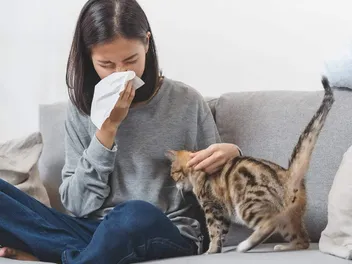
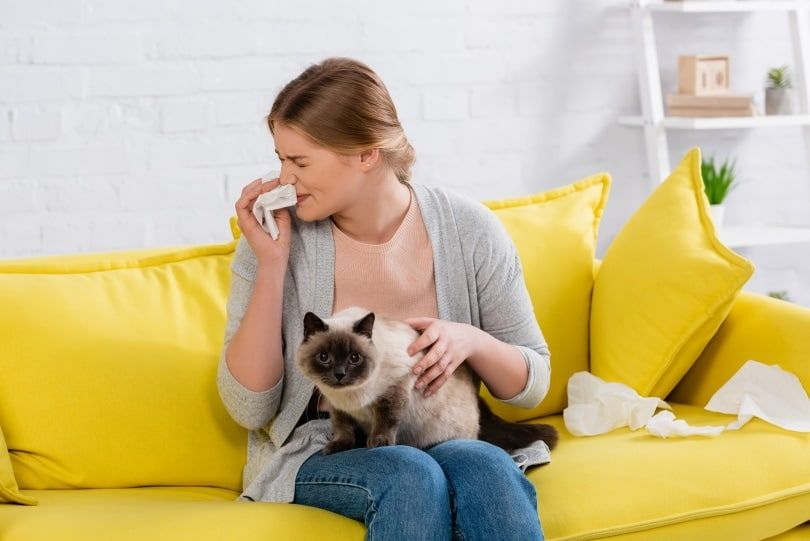
Depending on how sensitive an individual is to cat allergens, an allergy sufferer’s symptoms can range from mild to severe. Symptoms can also vary depending on the level of exposure the person has had to the allergens. Symptoms can develop within a few minutes after exposure to the allergens or after a few hours.
Cat allergy symptoms include:
These symptoms can occur by inhaling the allergens, being scratched by a cat, or being licked by a cat.
Facts About Hypoallergenic Cats
It’s important to dismiss the myths and find out the facts, so here are some proven facts about “hypoallergenic” cats:

Do I Have to Rehome My Cat Because I’m Allergic?
One way to manage a cat allergy is by rehoming your cat. However, this is of course not an ideal option for many people because giving up a family cat can be devastating. Everyone is different but most people need to use a combination of different approaches to manage their cat allergies.
Medication
Cat allergies are diagnosed by a doctor through skin testing or blood tests. However, most people know whether they’re allergic to cats or not based on how they react when they interact with them.
Doctors can prescribe various medications to patients with cat allergies who live in homes with cats, which will help relieve or reduce their symptoms. A few common types of treatment are antihistamines, corticosteroid nasal sprays, decongestant sprays, cromolyn sodium, and allergy shots.
As an allergy sufferer, it is important to consult your doctor if you are considering getting a cat to find out how sensitive you are to cat allergens. They may advise you not to get a cat because it can be a danger to your health, or they may give you the green light and prescribe medication that will work for you.

Spend Time with the Cat
To avoid disappointment and unnecessary stress in the cat, it is important to spend time with the cat of your choice before bringing them home. If you’re adopting, go to the shelter and look for a low-allergen cat breed and spend some time in their enclosure. If you’re getting a kitten from a breeder, ask them if you can visit the kitten beforehand.
After spending time with the cat, evaluate how you’re feeling, whether you have symptoms, and if they’re manageable. You may experience a few symptoms or none at all, depending on your sensitivity to cat allergens.
Keep Your Bedroom Cat-Free
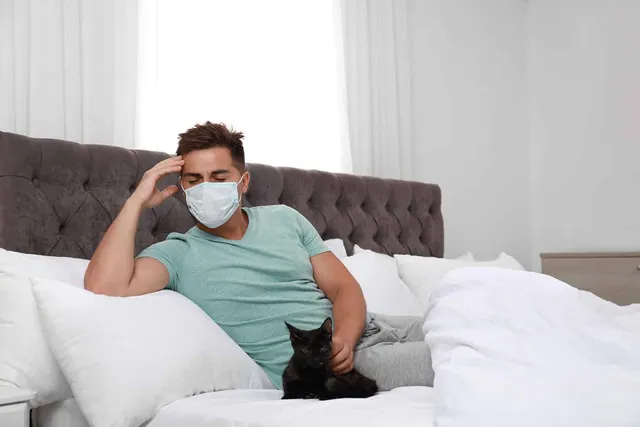
If you’ve already got a cat, no room will be completely allergen-free. Cat allergens are small and sticky and attach to walls, furniture, and clothes. They can also become airborne when they’re disrupted by movement. Although no room is safe from the effects of your cat, you can limit your exposure to the allergens by keeping your bedroom cat-free as well as any other room you spend a lot of time in.

Clean Often
Cleaning your home often will reduce allergens as they tend to hide in carpets, curtains, floorboards, cushions, and furniture. Be sure to wear a mask when you clean your home, as cleaning will disrupt the allergens and cause them to become airborne. Wearing a mask will reduce your chances of inhaling them.
Vacuuming with a HEPA filter vacuum is better than sweeping as it sucks the allergens inside the filter and reduces the number of allergens in your home. Wash your blankets and other covers frequently with hot water as it kills allergens.
Clean Your Cat Often
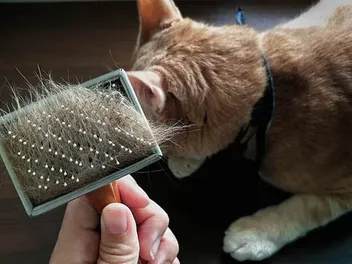
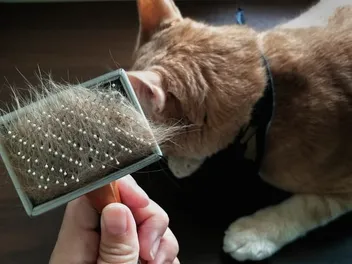
It’s important for your cat to get brushed and bathed often, as this will remove loose hairs and reduce the amount of dander around your home. Even wiping the cat down with a damp towel will help, but it’ll likely have to be done by a non-allergic member of the family. If there is no one around to help, you could book your cat in for frequent grooms with a professional groomer.

Be Mindful
If you have a cat, you’re going to touch it as that is a natural thing to do, and it’s important for strengthening your bond. Instead of avoiding your cat, be mindful when you do interact with them. Avoid kissing your cat or cuddling them close to your face. Be sure to wash your hands immediately after playing with them, and don’t touch your face until you have done so.
Use HEPA Air Purifiers
HEPA air purifiers are designed to suck in allergens and other unwanted particles that are floating around the air before circulating clean air back out. These can reduce allergy symptoms and help you sleep better without feeling congested. Placing several of these purifiers around your home will largely reduce the number of allergens in your home.
Allergen-reducing Cat Food
A specific cat food developed by Purina has been developed that neutralizes Fel d1 and reduces the amount of allergen in a cat’s saliva and dander, and therefore in the environment. A cat needs to be fed this food continually for it to be effective. In a recent study Purina found that 97% of cats fed this food showed some reduction in Fel d1, and there was an average of 47% reduction in levels of active Fel d1 on their hair and dander. A veterinarian can advise you if this food would be suitable for your cat.
Low-Allergen Cats
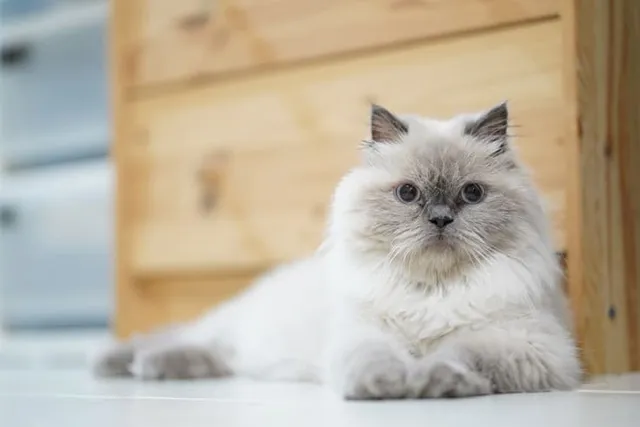
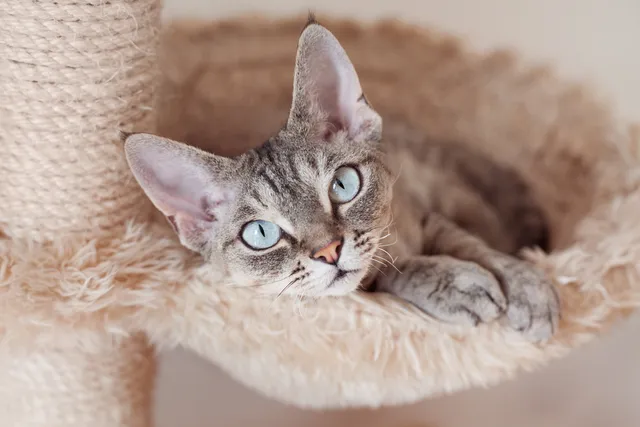
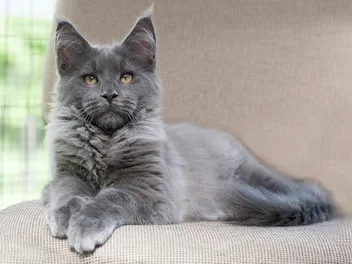
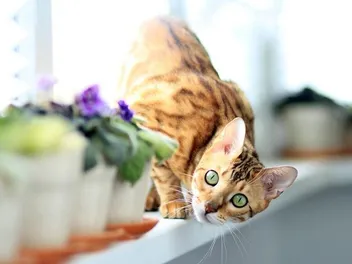
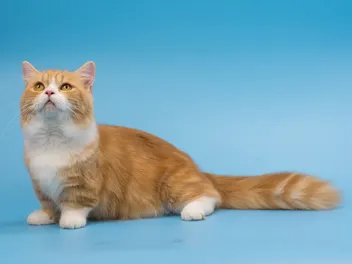
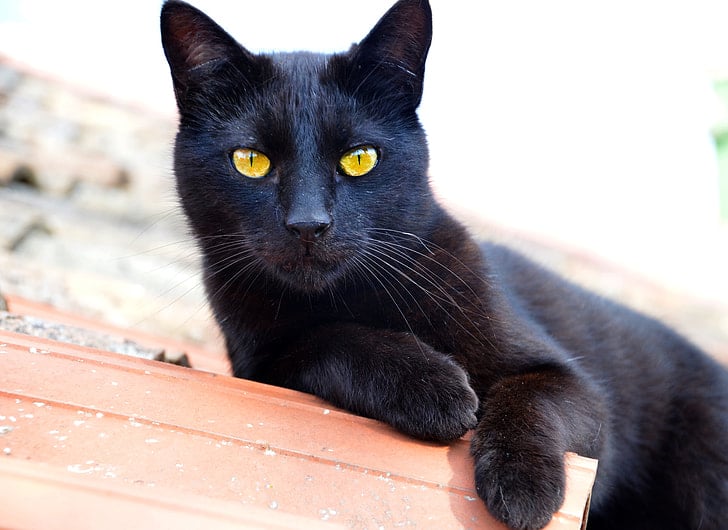
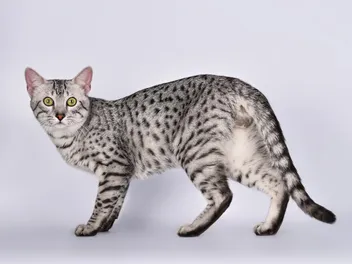
Some cat breeds are considered more allergy-friendly as they shed less or produce less Fel d1:
Before adopting one of these breeds, though, you must do your research and spend time with them to see how your individual allergies react. So while it may be possible to find a cat that doesn’t trigger your allergic symptoms, there is no guarantee that will be the case just based on their breed.
Conclusion
There unfortunately isn’t a cat breed that is hypoallergenic, as every cat produces Fel d1. However, there are breeds that are considered low-allergen cats, which means that they produce lower levels of the Fel d 1 protein or produce less dander than other cat breeds. How severe a person’s symptoms are will also depend on the individual and their allergen tolerance threshold levels.
A person with a cat allergy should seek help from their doctor and will usually also need to use a combination of management tools to reduce their exposure to allergens. These include washing their hands after touching their cat, keeping them out of their bedroom, vacuuming their home with a HEPA filter often, and placing several HEPA air purifiers around the home.
See Also:
I’m Allergic To Cats But Want A Cat: 10 Vet Approved Tips On What to Do
Are Oriental Shorthair Cats Hypoallergenic? Breed Facts & FAQ
Sources
Featured Image Credit: LightField Studios, Shutterstock

Expert cat care, straight to your inbox
Vet-reviewed advice, behavior tips, and the best of Catster. Free, and you can unsubscribe anytime.
By signing up, you agree to our Terms & Conditions and Privacy & Cookies Policy.
Keri-Beth is a freelance writer from South Africa who loves writing about cats. She's very passionate about pet care and has spent quite a bit of time volunteering at animal shelters. Keri-Beth currently has two dogs: Benji, the Golden Cocker Spaniel, and Gracie, the Boerboel.
Keri-Beth's favorite hobbies include photography and camping. She lives with her husband, who is a professional drummer.
Join the conversation
Ask a question, share your story, or send private feedback.