Are Bengal Cats Hypoallergenic? Vet-Verified Breed Facts & FAQ


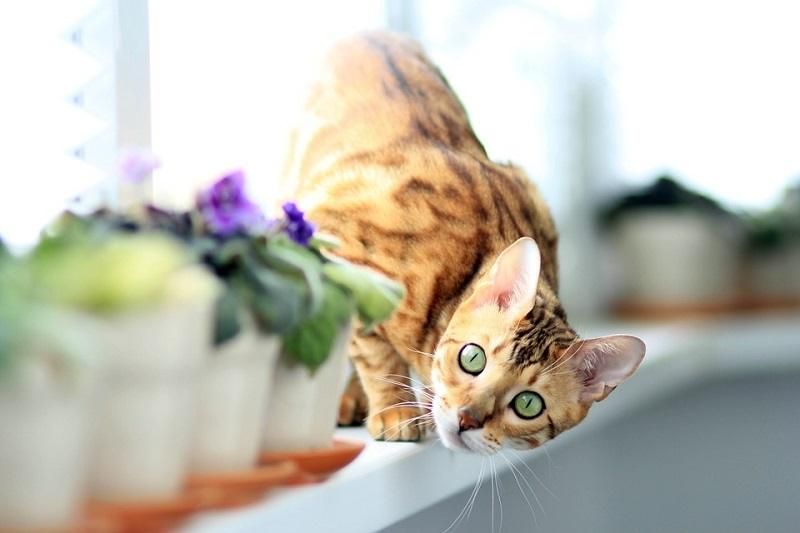
The Bengal cat is an athletic and wild-looking but sweet-natured cat. They are energetic, love to have fun, and are a healthy and hardy cat that requires a great deal of physical exercise and mental stimulation. They make good pets, as they get along with all family members and form close emotional bonds.
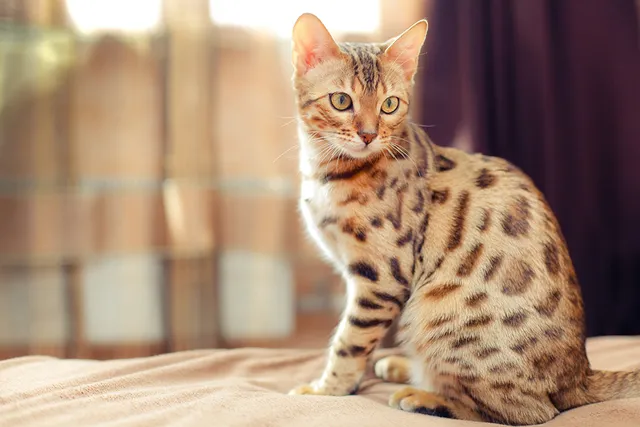
Besides their friendly demeanor and outgoing personality, the breed is popular because they have a unique soft and silky coat that some people claim is hypoallergenic. However, Bengals are not truly hypoallergenic, and there’s no such thing as a cat that can’t trigger allergies in susceptible people.

Cat Allergies
A cat allergy means that a person is sensitive or allergic to certain proteins produced by the feline body. The most common allergen that triggers cat allergies is Fel d1 protein, created by all cats, regardless of breed. It is present in their saliva, skin, urine, fur, and dander.
All cats produce the Fel d1 protein, which is responsible for 96% of allergic reactions in those with cat allergies. However, to date, a total of eight cat allergens have been identified, Fel d 1 to Fel d 8.
Are Any Cats Really Hypoallergenic?
All cats produce the Fel d1 protein, but some produce less than others. Research indicates that females and neutered males produce less of the protein, while intact males produce the most of this allergen.

Are Male or Female Cats More Allergenic?
Studies suggest that intact male cats tend to produce higher levels of Fel d 1 than female cats. Neutering significantly reduces Fel d1 production in males, often lowering it to levels comparable with females. Therefore, the most hypoallergenic are females and unneutered males, followed by unaltered males.
Are Black Cats Worse for Allergies?
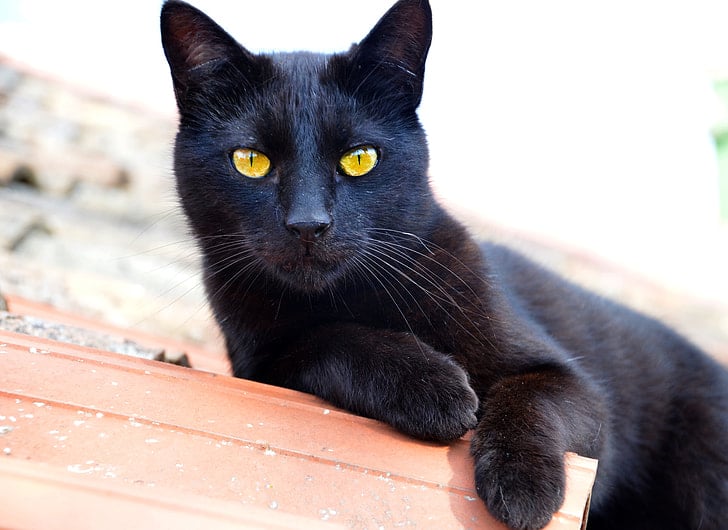
It has long been rumored that dark cats are worse for allergy sufferers than light cats. However, there are no scientific studies investigating this. One hypothesis suggested that melanin, the pigment responsible for darker hair, might also be linked to higher production of Fel d1. Currently, there is no evidence to support this, and no data indicate that black cats produce more dander or allergens than cats of other colors.
Do Long-Haired Cats Cause More Allergies?
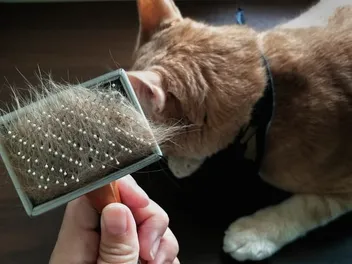
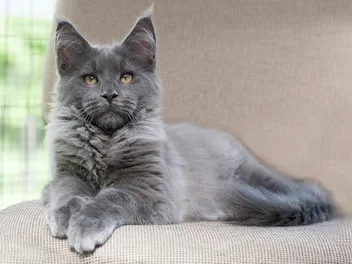
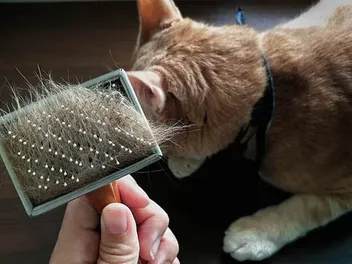
There is debate over whether long-haired cats cause more allergic reactions. The Fel d1 protein, which is produced in the skin, can be found in fur, but it is mainly carried in dander. Long-haired cats have longer fur, but they don’t necessarily shed more dander.

Can You Live With a Cat if You Are Allergic?
There’s no definitive answer to this question. Whether someone can comfortably live with a cat depends on the severity of their allergies and the individual cat.
If you’re allergic and considering adopting a cat, or if you’ve developed allergies while living with your cat, always speak to your doctor to determine the safest approach for you. If you have severe allergies, it might be safest to avoid living with or near cats. Otherwise, some people with mild allergies may be able to live with cats by taking the right precautions, always under the doctor’s supervision.
Strategies that may help include keeping your home as free of allergens as possible by vacuuming frequently. It’s also essential to keep your cat out of your bedroom and especially off your bed—since you spend a significant portion of your life sleeping, reducing allergen exposure in this space can make a big difference.

Do Air Purifiers Help With Cat Allergies?
The Fel d1 protein’s particles are a fraction of the size of dust particles. They are easily airborne and can spread and settle on several different surfaces around your home. While regular dusting and vacuuming will help rid your home of some of these particles, agitating them can exacerbate the problem. An air purifier can remove most of these particles from a room. Look for a purifier with a HEPA filter to help ensure that it catches as many as possible.
How Long Do Cat Allergy Signs Last?
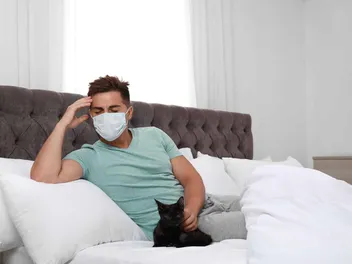
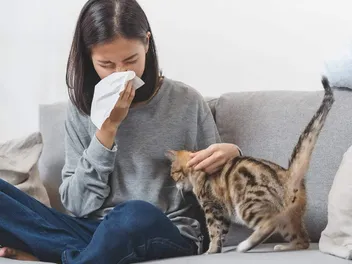
Signs vary dramatically. Mild signs include a runny nose and congestion, sneezing, and a mild rash or skin irritation. Additional signs might include shortness of breath, wheeziness, and tightness in the chest. Most occur almost immediately after exposure, but some take several days of cumulative exposure to the allergen.
In most instances, the signs will remain as long as the allergen does. If you live with a cat, you might have to constantly live with some of the signs, unless you take steps to minimize exposure. Signs may subside after a few hours if you are no longer exposed to the protein.
Can You Stop Being Allergic to Cats?
Most cat allergies don’t disappear completely. If you’re allergic to cats, you will most likely remain allergic throughout your life. However, there are several ways to manage and significantly reduce symptoms so you can live more comfortably. There are certain treatment options, such as antihistamines, nasal sprays, and other medications that can help control reactions. For some people, allergen immunotherapy (allergy shots) can reduce sensitivity over time.
In addition, a specialized feline diet has been developed to help reduce the levels of Fel d 1 produced in the saliva. These foods don’t cure allergies, but they may help decrease exposure in multi-step management plans.
Overall, while you may not stop being allergic to cats entirely, the right combination of medical treatment and environmental management can make symptoms much more manageable. Always speak with your doctor to determine the best options for your specific situation.


Are Bengal Cats Hypoallergenic?
Bengal cats are often described as being hypoallergenic, though there is no such thing because all cats produce the Fel d1 protein that is the major cause of allergic reactions. Females and neutered males produce less Fel d1 than unaltered males. It might be possible to live with a cat if you have mild allergies, but you will need to speak to your doctor and take certain actions to minimize your level of exposure.
Featured Image Credit: Irina_kukuts, Pixabay
Expert cat care, straight to your inbox
News, insights, and useful advice, delivered to you.

No spam — unsubscribe anytime.
By signing up, you agree to our Terms & Conditions and Privacy & Cookies Policy.
How useful was this post?
Click a star to rate. You can leave written feedback afterwards. (We read all feedback.)
Christian started writing for a local newspaper as a teenager, and he's been involved in the publishing industry for most of his adult life. Combining his love of writing with a passion for animals, he is currently the Director of Editorial at Pangolia and the Editor-in-Chief at Catster.
Christian lives in the Philippines with his wife, son, and four rescue cats: Trixie, Chloe, Sparky, and Chopper.