Is Your Cat's Shampoo Poisonous? Dangerous Ingredients Explained
In this article
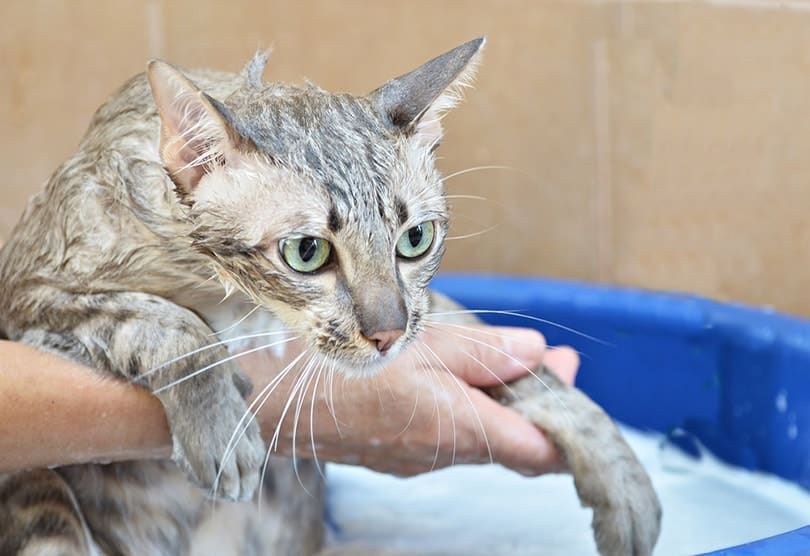
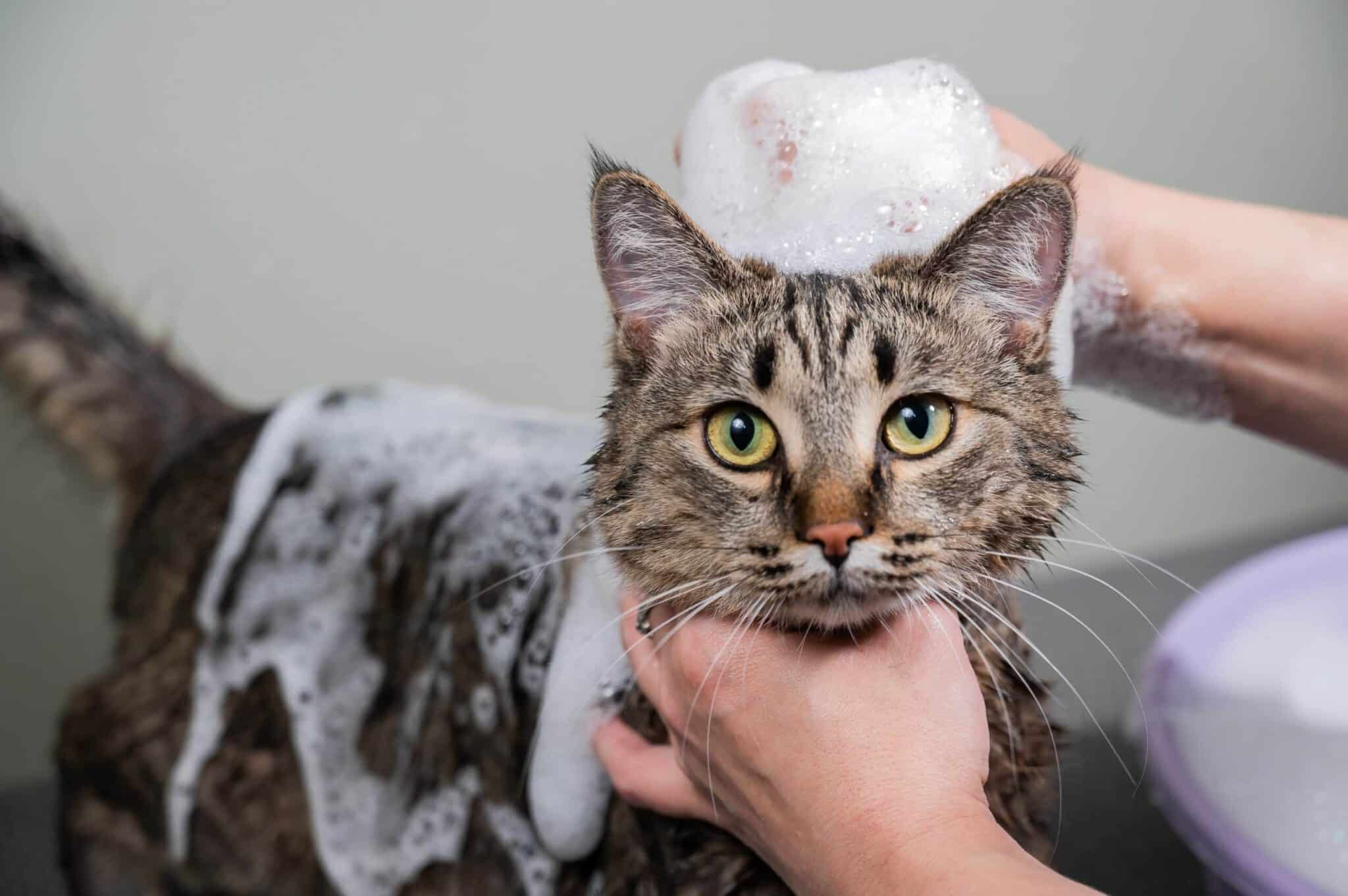
The majority of healthy cats don't need to be bathed because they're perfectly capable of keeping themselves clean, thank you very much. That said, some circumstances require bathing. Hairless cats, for example, need regular bathing, and cats with skin conditions or medical problems that prevent them from grooming themselves properly may need to be bathed depending on what a vet says.
Unfortunately, some ingredients are toxic to cats, so it's essential to rule out the inclusion of these ingredients in the product you choose for bathing your cat. Read on to find out what to avoid.

Which Ingredients Are Bad for Cats?
There are quite a few ingredients to avoid when shopping for cat shampoo. Using products containing these ingredients could result in a range of issues, including irritation, allergic reactions, dryness, flakiness, and sore skin—all of which can exacerbate underlying skin issues. If they get into the eyes, this causes pain and irritation.
Some ingredients, like phenol, are toxic to cats and can cause some serious consequences, including liver and kidney damage and neurological issues. Unfortunately, phenol can also be fatal to cats, as can other toxic ingredients.1 This is why it's so essential to check the label before you use any new products on your cat.
Other ingredients that should be avoided:

What About Essential Oils?
Some essential oils that are toxic to cats—like tea tree oil—are commonly used in cat shampoos, but in very diluted amounts. As long as it's a product specially formulated for use on cats, the concentration should be very low and not considered toxic, but we strongly recommend checking with a vet first. This goes for any new shampoo you use on your cat.
With the exception of vet–approved products formulated specifically for cats with diluted concentrations, you should never apply essential oils on your cat's skin. Topical application or oral ingestion can be fatal.
Can I Use Human Shampoo?
No, human shampoo is unsafe for cats and should never be used to bathe them. For one thing, a human's pH balance is different from that of a cat, and human shampoos are formulated to be more acidic than a pet shampoo would be. A cat also has fewer layers of skin than we do, so they're more sensitive. Using a human shampoo would interfere with your cat's pH balance, drying out the skin.
In addition, many of the ingredients contained in human shampoos (including some listed above) aren't safe for cats. Sulfate sodium salts, parabens, and artificial fragrances and colors are some of the ingredients commonly found in human shampoos, all of which can potentially irritate a cat's skin.
Can I Use Dog Shampoo?
No. Some ingredients used in dog shampoos are safe for dogs, but not for cats. To give you an example, permethrin—an ingredient used in flea control products for dogs—is toxic to cats, as are several essential oils. Therefore, do not use human or dog shampoos on cats. The only exceptions are shampoos formulated for both cats and dogs and that are clearly marked as such.

How to Pick a Safe Shampoo for Your Cat
Here are some factors to take into consideration when hunting for the right shampoo for your moggy:
- Ask a vet for recommendations.
- Keep a list of harmful ingredients handy to check labels.
- Check that the product is formulated specifically for cats.
- Look for something gentle that doesn't strip the natural oils away.
- Look for easy-rinse shampoos without sulfates.
- Even products labeled "natural" or "organic" may contain ingredients harmful to cats.
- Avoid brands that do not list the ingredients.
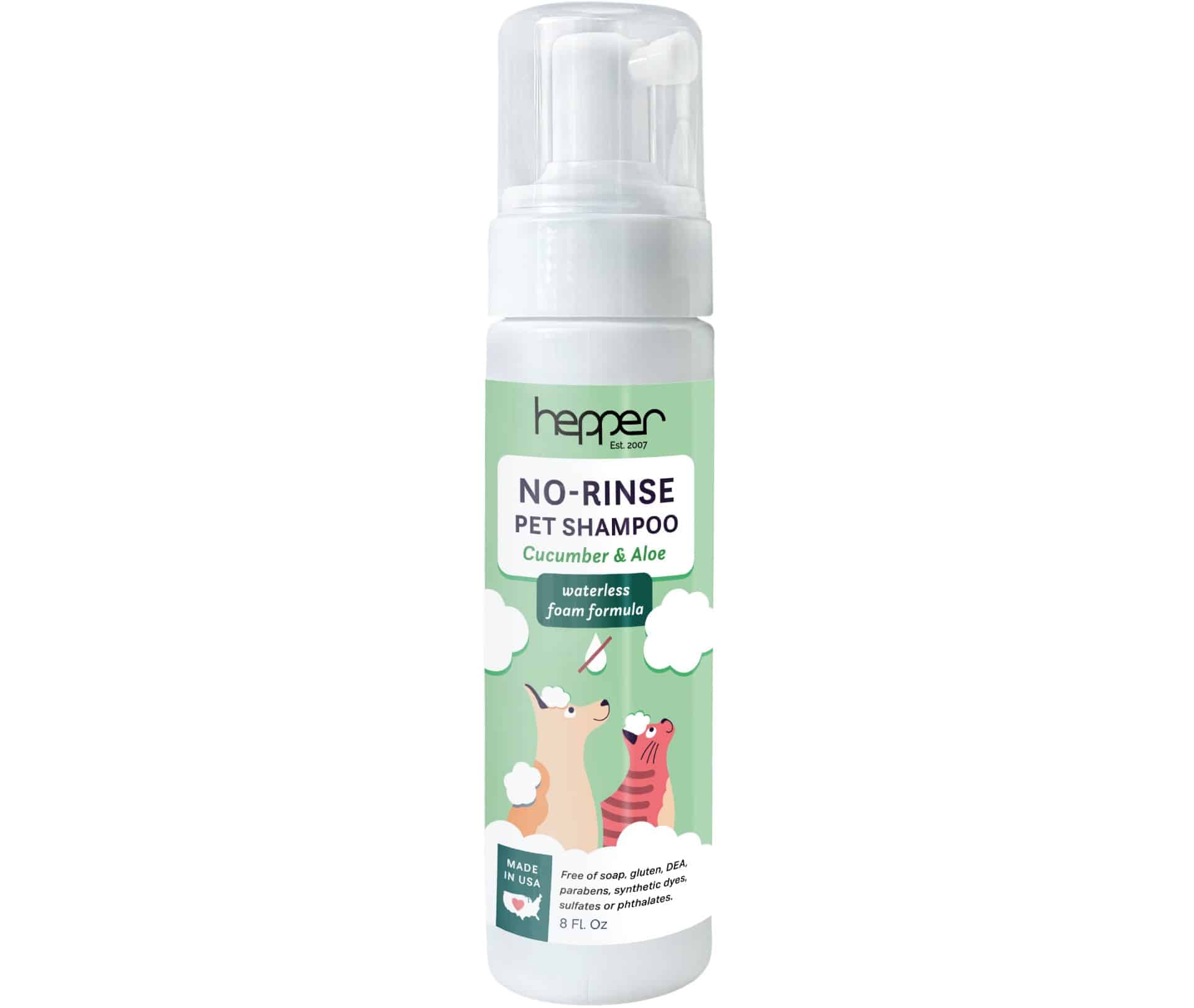
There are lots of pet shampoos to choose from, but some are much better than others. We love Hepper's Waterless No-Rinse Dry Shampoo, which is perfect for felines that prefer to stay dry! It's made with all-natural ingredients and a pH-balanced formula designed to gently lift away dirt and debris, leaving your cat's coat and skin soft and hydrated. Find out more in the table below.
| Image | Product | Details | |
|---|---|---|---|
|
Hepper Waterless No Rinse Pet Shampoo |
|
Check Price |
At Catster, we’ve admired Hepper for many years and decided to take a controlling ownership interest so that we could benefit from the outstanding designs of this cool cat company!
Final Thoughts
To reiterate, most cats don't need to be bathed, but if yours does, it's essential to do your research and carefully check what goes into the shampoo you use on them.
Not every brand lists its ingredients—it's "generally" not required in the case of pet shampoos according to the American Pet Products Association. We strongly recommend avoiding such products and sticking to vet-recommended, reputable brands that list their ingredients.
Sources
https://www.preventivevet.com/pets/dog-and-cat-shampoo-which-to-use
https://hiccpet.com/blogs/dogs/list-of-harmful-pet-shampoo-ingredients-to-avoid
https://vcahospitals.com/know-your-pet/essential-oil-and-liquid-potpourri-poisoning-in-cats
https://vcahospitals.com/know-your-pet/essential-oil-and-liquid-potpourri-poisoning-in-cats
https://www.kingsdale.com/essential-oils-in-dogs-and-cats-dangers-and-toxicity
https://www.thedodo.com/dodowell/can-you-use-dog-shampoo-on-cats
https://www.groomertogroomer.com/cats-shampoo-know-whats-bottle/
Featured Image Credit: Reshetnikov_art, Shutterstock

Expert cat care, straight to your inbox
Vet-reviewed advice, behavior tips, and the best of Catster. Free, and you can unsubscribe anytime.
By signing up, you agree to our Terms & Conditions and Privacy & Cookies Policy.
Kit Copson is a freelance writer and lifelong animal lover with a strong interest in animal welfare. She has parented various furry beings over the years and is currently a proud cat mom of two—one very chilled (unless hungry) Siamese and a skittish but adorable Domestic Shorthair—and dog mom of one—an adopted Bichon Poodle cross. When not writing about or spending time with animals, Kit can be found doodling in her sketchpad, reading, or more often than not, drinking tea.
Join the conversation
Ask a question, share your story, or send private feedback.