16 Vet-Verified Tips for Moving House With a Cat


In this article
Moving to a new house can be a hugely daunting undertaking. It is usually associated with several other big life changes, such as a new job and moving away from friends. We all know that nobody likes changes. It’s not only humans that don’t like change, animals prefer stability and consistency, too.
As fur parents whose primary concern is our animals’ happiness, this knowledge can make the imminent move even more nerve-wracking. Cats, in particular, have a reputation for being more challenging to move than dogs. Most don’t like traveling and can often take a while to settle into a new home.
Fortunately, there are many things you can do to ensure that your feline family member makes the move happily and successfully. Take a look at our 16 top tips for moving house with a cat.

The 16 Tips for Moving House With a Cat
There are three discernable stages during a house move: packing and preparation, the move itself, and the unpacking and settling-in phase. These stages will impact your kitty’s life, and this list of tips has been prepared according to these stages.

Pre-Move Preparation
The best way to minimize the stress and anxiety that both you and your cat, or cats, might experience during the process is to be thoroughly prepared. You should start preparing weeks, if not months, before the actual move. Here are our pre-move preparation tips:
1. Cat Carrier
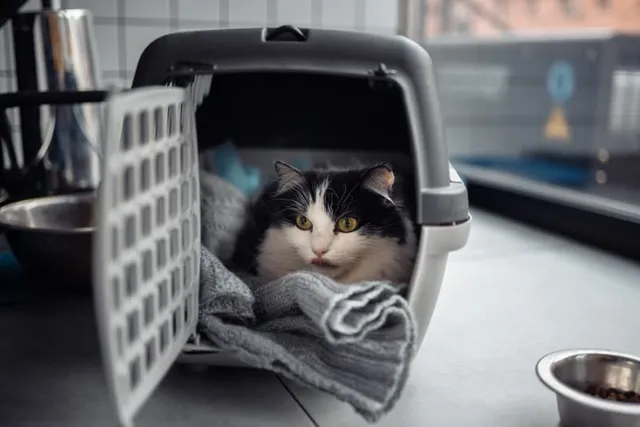
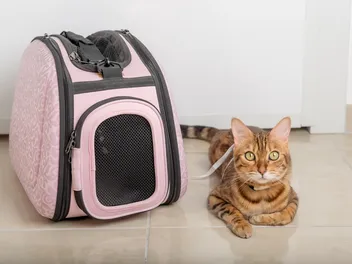
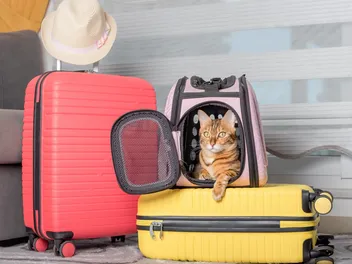
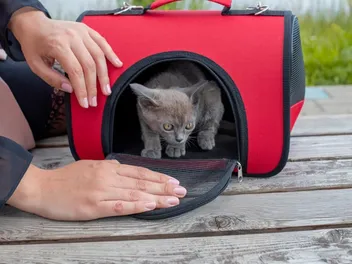
If you don’t already have a cat carrier, invest in a suitable one well before the moving date. The carrier should be secure but cozy and well-ventilated. Ideally, the top part should come off completely. If you’re going to be flying your cat to their new home, make sure that the carrier is airline-approved. Allow some time to get your cat used to the carrier.
You can do this by leaving it open in various spots around the house. Line it with blankets or items of clothing that are covered in the family’s and your kitty’s scent to provide a sense of comfort and familiarity. You can even place treats inside it to tempt your cat to enter or reward them with treats when they inspect the interior. If you feel like it wouldn’t undo any good work, you can even take your cat for short trips in the carrier to get them used to traveling.
2. Microchipping
Make sure that your cat’s microchip details are up to date. The same applies to the details on their collar ID tag.
If your cat has no form of identification on them, it’s a good idea to consider microchipping them and getting them a collar with an ID tag. Bear in mind that a cat not used to wearing a collar may take a few weeks or even months to become comfortable with it.
3. Decide How You Will Move Your Cat
If you are not moving too far away, you’ll likely use a car or truck. However, if you are moving to another state across the country, you may have to fly with your cat.

Driving
A short car trip doesn’t require much consideration, but if you’re going to be driving hundreds of miles, you’ll need to do some prep work. If you need to overnight somewhere, you must find pet-friendly accommodation well ahead of time.
You also need to make sure the carrier is large enough to accommodate your cat for several hours, and that you have enough food, treats, medication, and water for the trip, as well as their bowls and bedding. You’ll also need a litter box and litter for your overnight stay. Don’t forget your cat’s collar, harness, and leash. Although unlikely, the overnight accommodation may require proof of vaccination or a vet’s health certificate.
Flying
If you’re flying with your cat, try and stay together as much as possible. See if you can take your kitty in the cabin with you. It will help minimize the trauma of the flying experience if you are there with your cat the whole way, talking to and soothing them.
You’ll need your cat’s vaccination certificates and any other veterinary documents regarding microchipping, health, or medication. Make sure you find out from the airline exactly what they require, and then make an appointment with a vet to get everything in order.
4. Anxiety Treatment
Even if your fur baby is pretty laid back and you’re relatively sure they will handle the move well, you might want to consider having pheromone diffusers or spray on hand. Predicting how an animal might respond to such an upheaval is difficult. Before the move, chat with a veterinarian about other possible calming supplements or medications and how and when to administer it, if necessary.
5. Have a Plan
Plan your kitty’s move thoroughly from beginning to end. If you think it would help you to organize your thoughts, make a step-by-step list in a timeline format. Include equipment and supplies you will need on your list. Don’t forget to jot down your thoughts on what might go wrong and possible contingencies.
This list of tips is a great starting point for creating an outline for your plan.

6. Keep Your Normal Routine
In the lead-up to the big day, try and keep everything as normal as possible. Plenty will be going on, and your kitty will know something is up. Try normalizing the whole process by staying relaxed and maintaining your usual routines and schedules.
7. Find a New Vet
If you’re moving very far away, finding a new veterinarian in your neighborhood for any immediate unforeseen emergencies is a good idea.
Moving Day
The big day has arrived, and there’s a lot to get through. This will be a busy, bustling, and frantic day. First, you want to ensure that your cat or cats are secure and safe.
8. Safe Kitty Space
Allocate a safe room in the house for your kitty until you are ready to pack and move them. This room will have to be cleared ahead of time. It will protect them from the hustle and bustle as movers efficiently go about emptying your home. It’s a good idea to put a note on the door of the room warning everyone not to open it.
If you think that your cat might become traumatized by the buzz of activity, you might want to consider booking them into a cattery for a day or two before they move or have friends look after them.
9. Keep Calm
This will undoubtedly be difficult since this day will be stressful for you, but you should try to remain as relaxed and calm as possible so that your cat can see that there is nothing to worry about.
Try and convey a sense of normality amidst this abnormal event. If you are composed and behaving as normally as possible, it will keep your kitty relaxed too. This “faking it until you make it” attitude will also help calm you!

10. The Car Journey
It’s a good idea to not feed your cat for approximately 2–3 hours before the journey. This will help prevent any potential tummy upsets or travel sickness. Always allow them access to water, and make sure you offer it throughout the journey too.
Only place your cat in their carrier at the very last minute when the car is packed with all the necessary provisions for the trip.
Never put the cat carrier in the cargo hold of a vehicle; it should be placed on a seat and strapped in with the safety belt. Ensure that your kitty is comfortable, that they are neither too hot nor too cold, and that there is plenty of room for them to stand up, turn, and move around with enough ventilation through their carrier.
11. Food, Snacks, Toys, and Water
If your car journey is going to be a long one, you should feed your kitty a meal or snacks and offer water each time you break and at your overnight stop. Wet food and liquid snacks will keep your cat hydrated in case they refuse to drink. Don’t forget about their toilet needs, but don’t be surprised if they don’t go until it’s all over.
Playing with them a bit with their familiar toys could help normalize the whole experience. Don’t forget plenty of love and cuddles!
At the New House
At last, you’ve arrived at your new home. You’ve made it with your sanity and your beloved feline intact! The move is not quite over yet—this is the all-important time for settling your kitty into their new home.
12. Keep Kitty Indoors
It is vitally important that you keep your cat indoors for at least the first month if you’re planning to eventually provide outdoor access. For the first few days, up to a week, you should allocate a room in the new house as their safe space where they can unwind after the move. Ensure it is filled with all their blankets, bedding, toys, feeding bowls, hiding spots, scratching posts, perches, and litter boxes.
13. Scent Mark
Place items that have your cat’s and your scent on them around the home. You can also take a soft cotton cloth or item of clothing and rub it on your cat's cheeks and then rub it on furniture, walls, and doors. This will transfer your kitty’s fresh scent throughout the house. You can do this often until you see your cat scent marking over the areas themselves.

14. Keep the Windows and Doors Closed
To prevent any unexpected escapes, make sure all windows and doors are kept closed during the busy moving process. If the new area is busy with traffic or unsafe, with wildlife or stray animals, it’s best to either keep your cat indoors, build them a secure catio, or to take them out for walks using their harness and a lead, but only if they have been trained to do so. This will keep them safe, particularly in a new area where they can get lost more easily.
Having a microchip is crucial in case of that scenario, so your cat can be reunited with you. Having them wear a GPS tracker on a breakaway collar may be another way to closely monitor their outdoor adventures.
15. Maintain Your Normal Routine
In the same way you used your usual routine to normalize the stressful pre-move stage, you will do this with the post-move stage in your new home. Try to do everything in the same way and at the same time as you did in your old home.
16. Slow Introductions
Make every new introduction slowly and calmly. Allow a day or two between introductions to new rooms, other parts of the house, and eventually the yard if you have one. Try and do the introductions during periods of calm such as the evening or the weekend.
If the house is full of activity while the family is preparing for work, school, or other events, it might irritate the cat. Don’t hover over your cat while they explore; instead, sit back and watch TV or quietly read where you can keep an eye on them, and let them explore at their own pace. Make sure they have a safe and quiet place to hide when they feel overwhelmed.
Final Thoughts
You can take many steps to minimize the stress around moving house with your kitty. If you hadn’t given it much thought until now (apart from thoughts of panic), hopefully, your mind is now set at ease. Use these tips to formulate a customized plan for moving with your cat that best suits your needs.
These tips are a basic guideline; all cats are individuals and some might acclimatize easily while others may take more time than we’ve suggested. Good pre-planning is key, and as long as you are prepared, everything should proceed smoothly.
Sources
Featured Image Credit: Pierre Aden, Shutterstock
Expert cat care, straight to your inbox
News, insights, and useful advice, delivered to you.

No spam — unsubscribe anytime.
By signing up, you agree to our Terms & Conditions and Privacy & Cookies Policy.
How useful was this post?
Click a star to rate. You can leave written feedback afterwards. (We read all feedback.)
Eleanor is a freelance writer, science, and math high school teacher. She lives in South Africa's picturesque KwaZulu Natal Midlands with her six-year-old son, cat, horse, and three chickens. She is happy to be able to convert her enthusiasm for animals, science, and life-long learning into valuable and interesting writings. Eleanor and her son enjoy exploring their wonderful nation in their spare time. Road trips to exotic camping places are a cherished pastime. They particularly like unwinding near the sea, in the mountains, or among African animals.