Get

In Your Inbox

Catster is reader-supported. When you buy via links on our site, we may earn an affiliate commission at no cost to you. Learn more.

How to Choose a Cat to Adopt: 6 Vet-Approved Factors to Consider

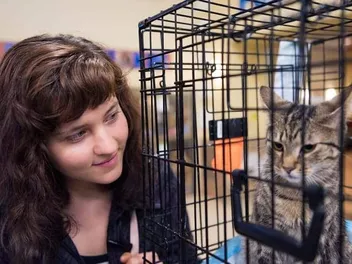
Girl and woman cat owners holding cats in shelter to adopt

You’ve decided you want to welcome a cat into your home, but you’re not sure how to get started. Adopting a cat is a wonderful experience, but it can be a nerve-wracking affair if you’re a newbie to pet ownership. Considering that a cat is a long-term commitment, it’s a good thing you’re here. In this article, we’ll delve into all the major aspects you’ll need to consider when choosing your perfect kitty to bring home.

Check it out below, right after a quick list of the supplies you’ll need.

divider 1 paws

Before You Begin

Before you start on your cat adoption journey, it’s essential to go shopping for essential supplies. While food, litter, and treats are recurring costs, most of the following items are one-time or long term purchases.

Essential Cat Supplies
  • Litter box
  • Cat litter
  • Travel carrier
  • Food & water bowls
  • Collar with ID tag & your contact information
  • Scratching post/mat
  • Cat food of choice
  • Cat treats
  • Pet bed
  • Toys
  • Pet wipes
  • Pet shampoo
  • Cat tree (optional)
  • Cat shelves (optional)

Note: it’s best to start with the food your cat is used to in their shelter and slowly transition them to another food (if necessary).

That’s really all you need to bring your cat home for the very first time, and you don’t necessarily need to go all out with the fanciest products. You can start with the essentials and incorporate more toys, etc. later on. Now that you’re armed with your essential cat supplies, it’s time to discuss what to look for in an adorable cat before adopting. Read on for the details and consider jotting some of this down for later.

Cat Essential Tools
Image Credit: Yuriy Golub, Shutterstock

divider 1 paws

The 6 Things to Consider When Adopting a Cat

1. Kitten or Adult Cat: Which Should I Get?

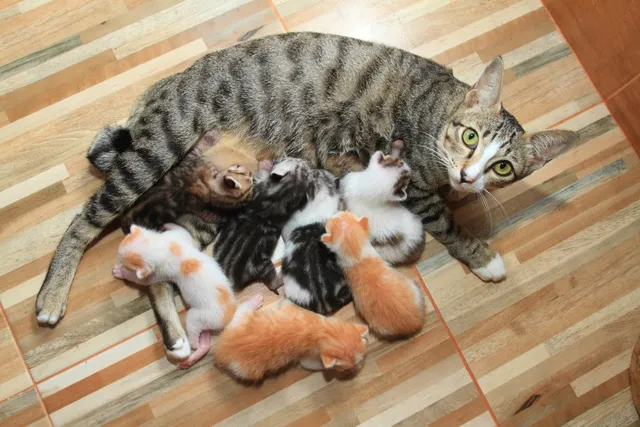
Adult cats are typically easier to care for as a first-time pet owner than a kitten, but it depends on the type of companion you’re looking for. A kitten is a big commitment from day 1, and they don’t always have a fully formed personality like adult cats.

Kittens go through spurts of hyperactivity, may need help with litter training, and overall are more work. There is something truly beautiful about raising a kitten and watching their little identity blossom as they bond with you, but it may not be for everyone due to the rigors involved.

On the other hand, adult cats are typically neutered/spayed, have been vaccinated, and have a distinct temperament all their own. You likely won’t have to teach your mature cat how to use a litter box, and those with a history of being house trained are relatively quick to adapt to a new house. This makes adults a good choice for someone who isn’t used to cats and may not be confident in their ability to look after a kitten.


2. Investigate the Cat’s Health

When looking at adult cats, you should ask about their medical history. Broadly speaking, a clean, well-groomed cat with clear eyes and trimmed nails will be healthier than a malnourished cat with unkempt, dirty fur and painfully long nails.

Purebred cats are often predisposed to certain genetic risks (depending on their breed) and may be associated with more veterinary costs as a result of these risks.

Adult cats from rescue shelters are sometimes hit-and-miss on medical history, so we urge caution. If someone doesn’t want to talk about a cat’s medical history, won’t let you visit the facility, or the cat appears unwell, it’s a major red flag.

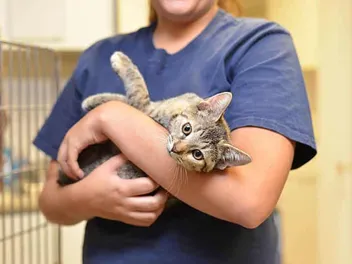
two women adopting cats at the shelter
Image Credit: BearFotos, Shutterstock

3. Ask About the Cat’s Background

You can tell a lot about a cat by where they come from. The tricky part is that many rescue kitties come from checkered, often abusive circumstances, and there are many strays or feral cats that may get mixed in, too.

What to Ask About:
  • Ask about previous homes, if possible. Cats who grew up with children might make a good family cat, while a history of abuse may require more effort on your part to bond with the cat.
  • What was the specific reason the cat was surrendered? Was it neglectful owners or something else that you should be aware of?
  • Does the cat have special needs that will require additional veterinary expenses and at-home care?
  • Is the cat litter trained?
  • Does the cat have any major behavioral problems or quirks you should know about?
  • Ask whether the cat is more outgoing, reserved, clingy, energetic, laidback, etc. It’s important the cat has a personality compatible with your lifestyle.
  • Does the cat have any special dietary needs?

4. Assess the Cat’s Personality

You’ll need to meet with multiple cats before you get a handle on which you resonate with most. Is it the shy, sweet calico that prefers wet cat food? Maybe the forwardly affectionate tortoiseshell? Finding the right cat may take some patience, but we have tips that can help when you’re meeting cats.

Tips for Assessing Cat Personality include:
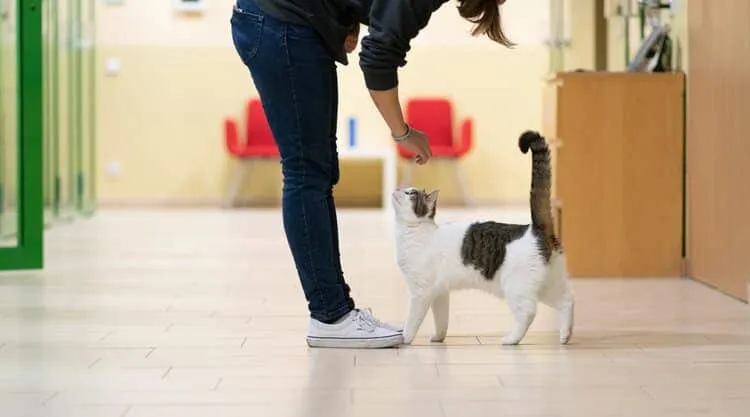
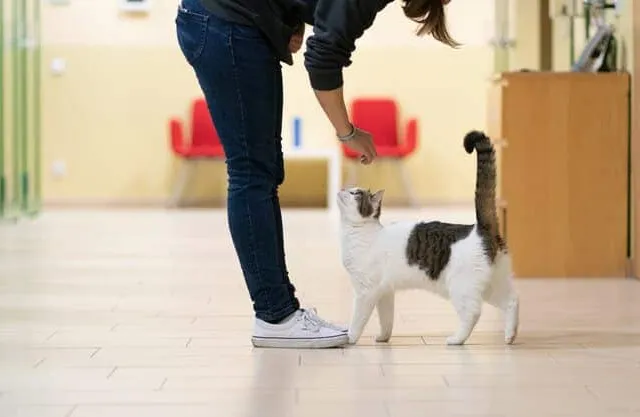
  • Look for a relaxed, easygoing posture
  • Look for a cat that isn’t scared to approach you
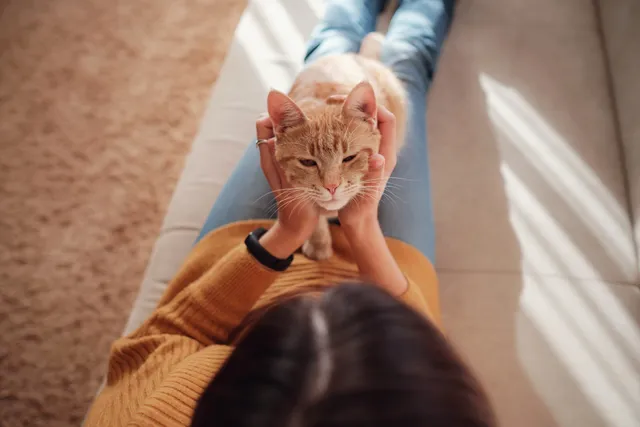
  • See if the cat enjoys physical contact with you
cat getting adopted
Image by: Anika Moritz, Shutterstock

5. Consider Your Home Environment & Lifestyle

Think about what you’re really looking for in a cat when you go to meet kitties for the first time. Are you looking for a mellow companion with a short, low-maintenance coat, or do you prefer a more active, fluffy/furry family companion that’ll play games with you? To help you determine the type of cat that might fit your home, ask yourself the following questions.

Important Questions include:
  • Do you have kids, and if so, how old are they? Younger children require more supervision around pets and may do better with a robust adult cat rather than a young kitten.
  • Can you comfortably afford the recurring food and medical expenses a cat needs?
  • Do you have other pets? Introducing new pets can be a challenging process when not approached carefully.
  • Is your home safe for a pet? Think about any major hazards that could hurt your pet, like exposed electrical outlets or wiring.
  • Do you have time to spend with your cat outside of work and your other commitments?
  • Do you travel? Traveling cat owners need to pay for pet sitters and kennels and typically pay pet fees at hotels.

6. Let the Cat Choose You

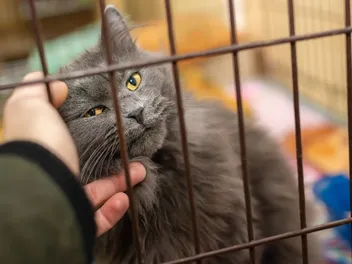
If, after all our tips, you’re still having a hard time, let the cat choose you. Like people, sometimes, when you meet a cat, you feel an instant connection. That’s a pretty good sign you’ll be fast friends! We know we threw a lot of info at you above, but in the end, you should trust your gut instinct.

If a cat is grumbly and antisocial, it’s okay to meet other kitties. It’s better to wait for your perfect cat than to settle for one you won’t get along with. Once you bring your cat home, you should take things at their pace.

They’re in a new place and don’t know what’s going on. Give them time and space to acclimate to their new home and routine while maintaining a calm, loving presence. This can take days to weeks and possibly longer with some cats.

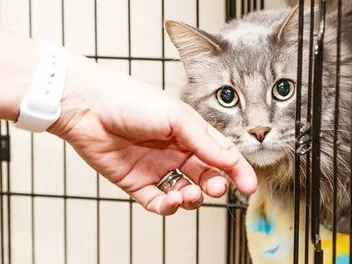
adopting a cat
Image Credit: Susan Schmitz, Shutterstock

divider 1 paws

Final Thoughts

Choosing the right cat to adopt requires you to do your research on a cat’s history, personality, and health and think about whether they fit in well with your lifestyle. It’s also always a good idea to consult a vet about what you should know about a feline’s health & care before adopting your ideal kitty.

See also:


Featured Image Credit: BearFotos, Shutterstock

Want content like this delivered to you?

Sign Up For Our Newsletter

News, insights, expert advice, and everything cat

* By submitting, you agree to our Terms & Conditions and Privacy & Cookies Policy.

How useful was this post?

Click on a star to rate (you can leave written feedback after clicking submit)

Help us improve Catster for pet parents!

Your feedback really matters.

What did you like about this post? Also how can we improve it?

Join the conversation

Leave a Reply

You’re very welcome to leave a comment or question. Please know that all comments must meet our community guidelines, and your email address will NOT be published. Let’s have a positive and constructive conversation.

Talk With A Vet Online

Peace of mind,
anywhere, anytime

Affordable vet advice

Cat Yoga: Mindful Moments With Your Feline

Yoga can be a great opportunity for exercise, mindfulness, relaxation, stress relief, and more, depending on the type of yoga you opt to...

My Cat Isn’t Interested in Playing: 5 Vet-Reviewed Reasons & Solutions

Playing is beneficial for cats in so many different ways as it encourages independence, promotes positive brain development, relieves stress, and keeps your...

Can Cats Eat Worms (Earthworms)? Vet Approved Facts & Safety Tips

Cats are carnivores by nature, and they’ll chase after and hunt any animal they can when they’re outside. This includes even the smallest,...

Swimmer Syndrome in Cats: Our Vet Explains Causes, Signs & Treatments

Swimmer syndrome is a developmental abnormality that occurs in newborn kittens. The condition can be observed starting at the age of 15–20 days....

More related

What to Do When Your Cat Has an Asthma Attack: Vet Approved Tips

It may be a surprise to learn that just like people, cats can have asthma, and it can be a frightening experience when...

Are Begonias Poisonous to Cats? Vet-Verified Facts, Risks & Safety Guide

Begonias are flowering plants that many homeowners grow in their flowerbeds and in large pots due to their colorful blooms. If you’re a...

Are There Cat Hemp Treats? Vet-Verified Health & Safety Facts

With hemp products becoming more and more popular, pet owners worldwide are increasingly wondering if hemp-based products can be offered to cats. The...

Why Is My Cat Hiding? 3 Vet-Reviewed Reasons for This Behavior

Have you ever been looking around for your cat, but they seem to be missing? It doesn’t mean that they’ve run away. Instead,...

Keep reading

My Cat Just Threw Up Worms, What Do I Do? 7 Vet-Approved Tips

It is unsettling to see your cat throwing up worms. After all, worms are not something that you expect to see when your cat vomits. Such a sight can leave you in a panic about what to do. To help...

tired sick cat lying on bed

8 Best Cat Foods for Healthy Skin & Coats in 2025: Reviews & Top Picks

We all want our felines to be happy and healthy. However, sometimes they have problems with their skin and coat. It may be due to skin sensitivities or food allergies. Often, it is difficult to treat, and flare-ups are common....

Devon Rex tabby cat eating wet tuna food

Devon Rex Cat Health Problems: 8 Vet-Reviewed Inherited Issues

The Devon Rex is a unique breed beloved by those who keep them. These cats tend to be relatively healthy, especially when they are bred from health-tested parents with as little in-breeding as possible. When you’re purchasing any purebred cat,...

Catster_Health Problems of Devon Rex

Is Catnip Safe for Cats? Vet-Reviewed Facts & FAQ

If you use catnip to manage your cat’s anxiety, you’d know how beneficial this plant is. It is a popular herb that helps manage many behavioral changes in animals and humans. Catnip is safe for cats when administered in measured...

Catster_Is Catnip Safe for Cats

My Cat Has Fleas! How Do I Clean My House? Vet-Approved Advice & Best Practices

No matter how much you may try to prevent it, sometimes cats get fleas. This can even occur if your cat doesn’t go outside. Fleas can get in through open windows, so if your cat likes to lounge in the...

vet holding magnifying glass searching cat fleas over a grey and orange cat

Can Cats Eat Grapefruit? Vet Approved Health Guide & FAQ

Cats can safely eat a variety of fruits as occasional treats but, unfortunately, grapefruit is not one of them. Cats should never eat grapefruit because most parts of this fruit are toxic and even the flesh can upset their stomachs....

Can Cats Eat Grapefruit

Why Does a Comb Make a Cat Gag? Vet-Reviewed Facts & FAQ

Maybe you have seen the videos online or experienced this yourself at home: you flick the teeth of a comb, and your cat gags. Why? Cats are far more sensitive to sounds than humans, and they can hear frequencies that...

a cat that feels sick and seems to vomit

5 Vet Approved DIY Slow Feed Cat Bowls (With Pictures)

Eating too quickly can lead to stomach upset and health problems, but it is commonly associated with dogs. That doesn’t mean some cats don’t eat too quickly, though! Slow feed pet bowls are a great option for slowing down your...

cat and food bowl